Seeing the tree through the forest

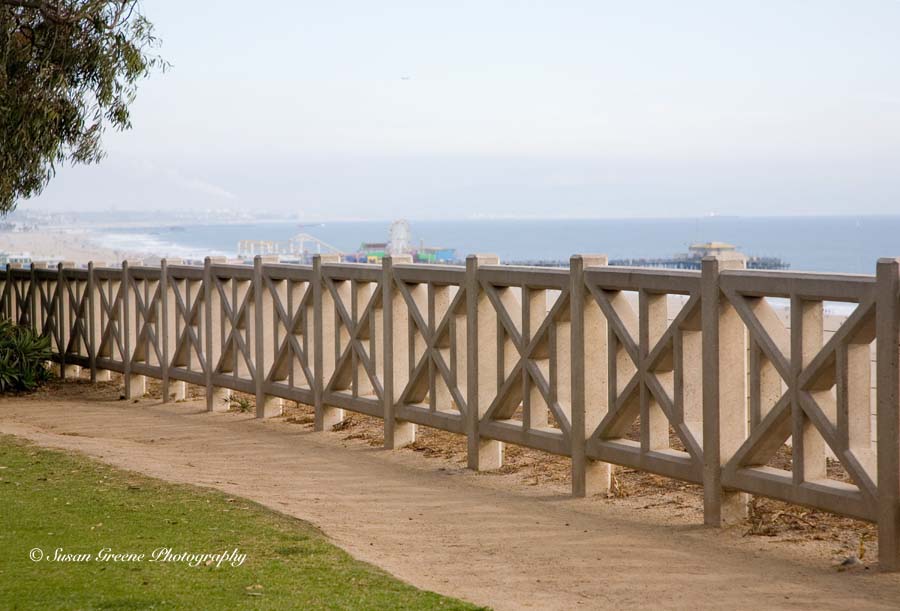
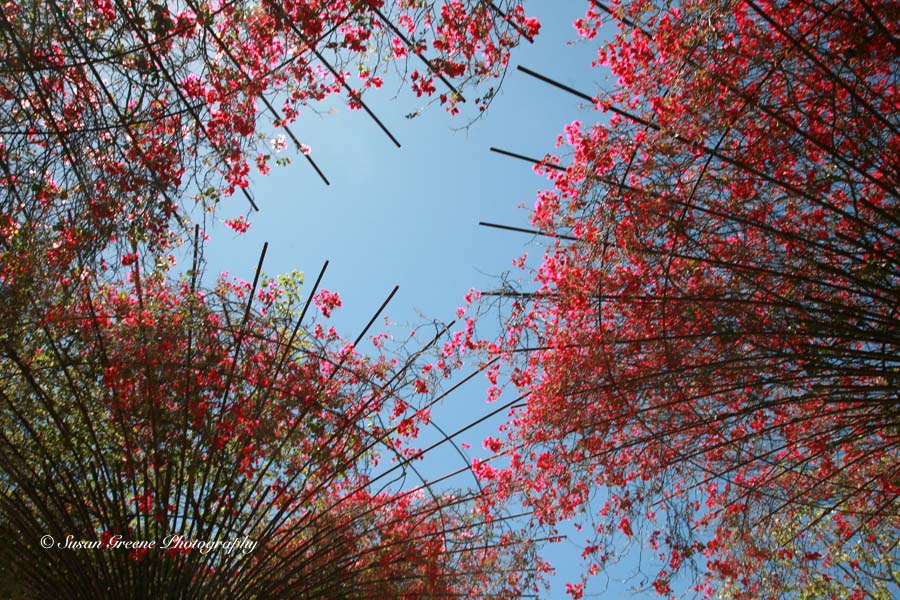
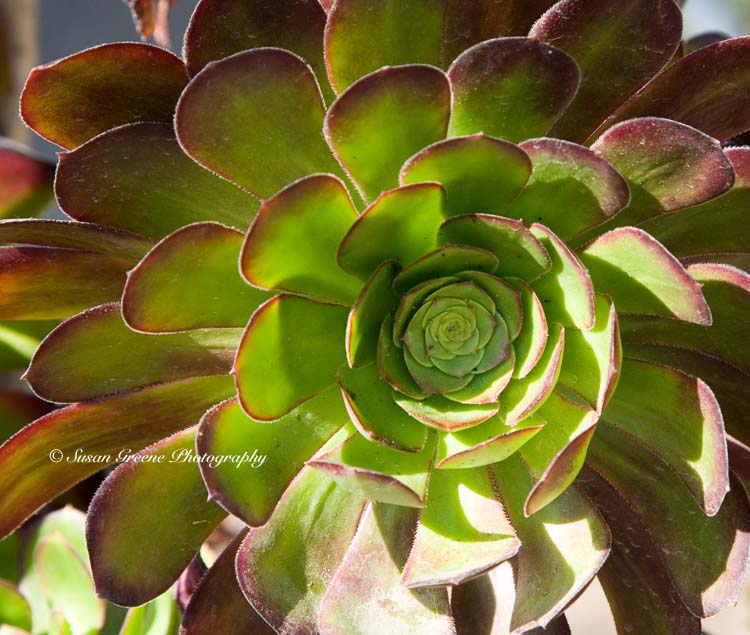
Patterns in nature come in many forms. This week, I took the time to “be in the moment” when walking about and looking for natural patterns. I found them! On a recent “photo walk” in Palisades Park, Santa Monica, the eucalyptus and palm trees are abundant and once I stopped looking around them and instead looked at them the beautiful design of their trunks became apparent.

_MG_8303pattern

_MG_8299pattern

_MG_8307patternNext, the patterns in the leaves of the grape vines and apricot tree, which are just beginning their new cycle of growth, right in my own backyard.

_MG_8312pattern

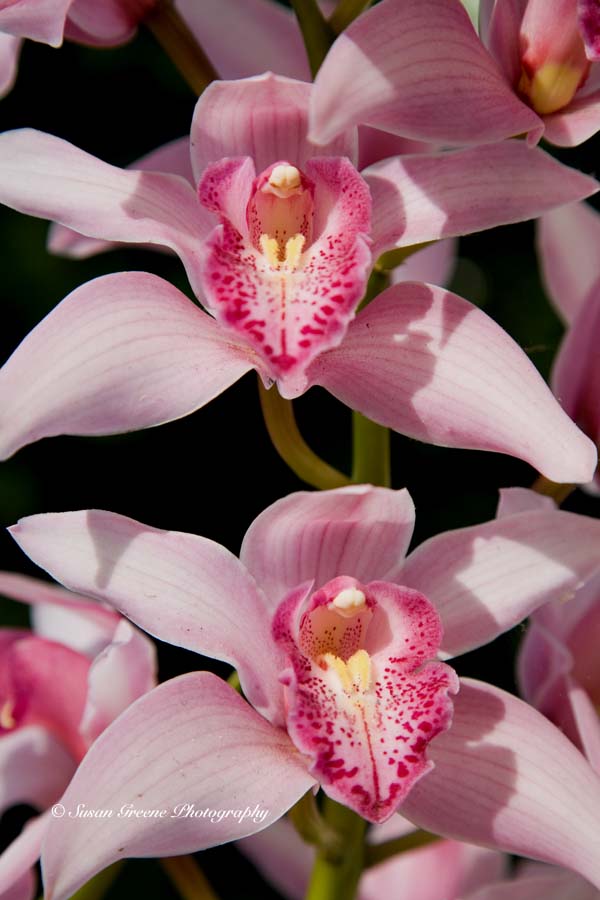
_MG_8316patternTwenty-four years ago this April, our family received a cymbidium orchid plant to celebrate the birth of our daughter (thank-you again backyard sister.) Every March and April since, it bursts forth with the most beautiful pink blooms which have an intriguing pattern in their center.
_MG_8326patternIt’s such a treat!

Sometimes, nature is used by man as a medium to create an art installation like the puppy sculpture at the Guggenheim museum in Bilbao Spain.

IMG_4513pattern.JPGOr, nature can be tamed and formed into geometric patterns creating a grand and formal garden like this one at Versailles.

IMG_3935patternThe pattern possibilities of nature are great. I’m sure I can find more if I try this exercise again. It is helpful to capture with a purpose – for it’s through practicing your photography that you will improve and hone your craft. Having a project or a purpose in mind when you are going out to photograph, makes you ponder what you are trying to convey and the best way to capture your vision. It also can keep you from falling in to a pattern of always taking the same types of pictures – more on that next week.

Naturally yours,

~ Susan

A Patterned Place, or Two

the rookery chicago

The patterns are out there, both natural and man-made. When looking for patterns to photograph, buildings are where I find my lens gravitating often. This week, I explore some man-made patterns and ways to look at things in your everyday life for their pattern potential. Seems to me, many architects have an affinity for repeating geometric patterns and I have discovered I too have a fondness for these patterns. Architects Daniel Burnham and John Root designed a patterned masterpiece in the Rookery building in Chicago. The light court, above, is loaded with patterns; from the intricate iron work to the painted walls, it’s an awe-inspiring space. Staircases are often an architecturally interesting and pattern producing feature.

Museum of Contemporary Art, Chicago

Museum of Contemporary Art, Chicago

CaixaForum, Madrid

CaixaForum, Madrid

This skyscraper is outside the Annenberg Space for Photography in Los Angeles.

Century City skyscrapers I am drawn to the two towers reflected in the mirrored building but I like the cut out space breaking up the pattern especially.

Sometimes, patterns can be found in unexpected places.

IMG_9366

IMG_0445

Pico House, Los Angeles

Let’s not overlook the amusement park for patterns.

Ferris Wheel

_MG_8237Incorporating patterns into your photos adds interest and impact.

This coming week, I will be looking for natural patterns.

On a patterned path,

~ Susan

Patterns are Powerful

Happy April! Here at Backyard Sisters a new month means a new photographic topic to explore and this month it’s patterns. Patterns are everywhere. Once you start taking note and incorporating them in your photos you may become a pattern fiend. Using patterns in a photo can draw in the viewer and keep them there as they are examining, following and maybe getting lost in your pattern. One place that immediately came to my mind to begin the pattern practice, The Getty Center in Los Angeles, is crawling with patterns;  in the architecture,

getty center patterns

Getty center patternsand in the gardens.

Getty garden patternsPatterns made by man,

Getty garden patternsgeometric patterns

Getty garden patternsand patterns found in nature.

pattern plantThis month, we turn our eyes and lenses to the patterns around us. See what patterns you can find as you go about your everyday life. The patterns are there, simply look around and see what designs captivate your imagination and will invite your viewers to get lost in your photos.

Looking forward to sharing a patterned month with you.

~ Susan

The Lowdown on Low Contrast

IMG_8010locontrastThere are days when the weather is not perfect, surprise! It may be cloudy or hazy or foggy. But that doesn’t mean you can’t take photos. You will get a different look to your photos those days. They will have a low contrast dreamy look to them because the sun is diffused which creates a more even lighting. The dark black shadows and bright white highlights are tempered.

IMG_2496 lo contrast.JPG I find I gravitate to coastline landscapes on these days, maybe because the fog we so often find ourselves enshrouded in here creates the low contrast lighting and there is a sense of mystery to a foggy coast.

IMG_9227locontrastI have also noticed many catalogs and wedding photographers are using low contrast lighting in their photography. One way to achieve this is to shoot towards the sun and expose for the model which often creates an overexposed background or by adjusting the contrast and brightness in post processing.

IMG_8000lo contrastSimple subjects or scenes tend to lend themselves to this type of look.

IMG_8020locontrast

Photography using low contrast is yet another method of conveying a mood or feeling to your photos and is fun to play around and experiment with both on location and in post processing.

Dreamily searching out diffusion this week,

~ Susan

Splash of Color

Color contrast adds visual interest and impact to photos. When looking at a color wheel, you notice that one side contains the warmer colors the reds, yellow and oranges and the other side is where you’ll find the cooler colors: blue, green and purple. The colors opposite from each other are considered complementary colors and as such are pleasing to the eye when used in combination. Red and green are an example of a complementary pair of colors.

DSC_0167contrastThe designers of the 7-UP can know this and here I played up the red by throwing a Coke can in to the mix. Blue and orange are another pair of complementary colors.

IMG_2383contrastThe Caribbean is full of color splashes. The towns are often painted with bright yellows, reds and oranges and many of the locals dress in the same bright colors which all complement the beautiful blue sea.

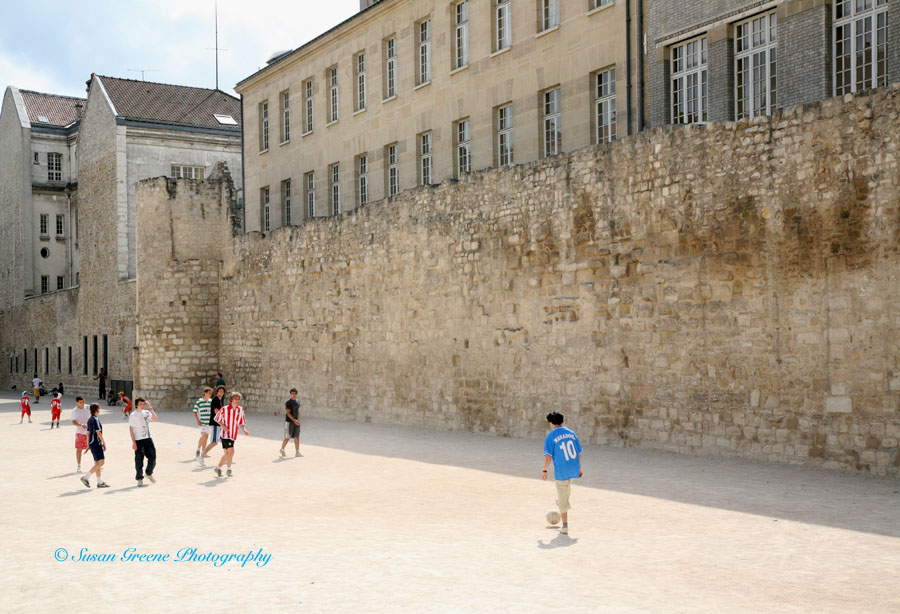
IMG_3862.JPGcontrastColor can be introduced into a monochrome scene to draw the viewer in to the photo. The players here in the vivid hued shirts stand out against the sand colored building and ground.

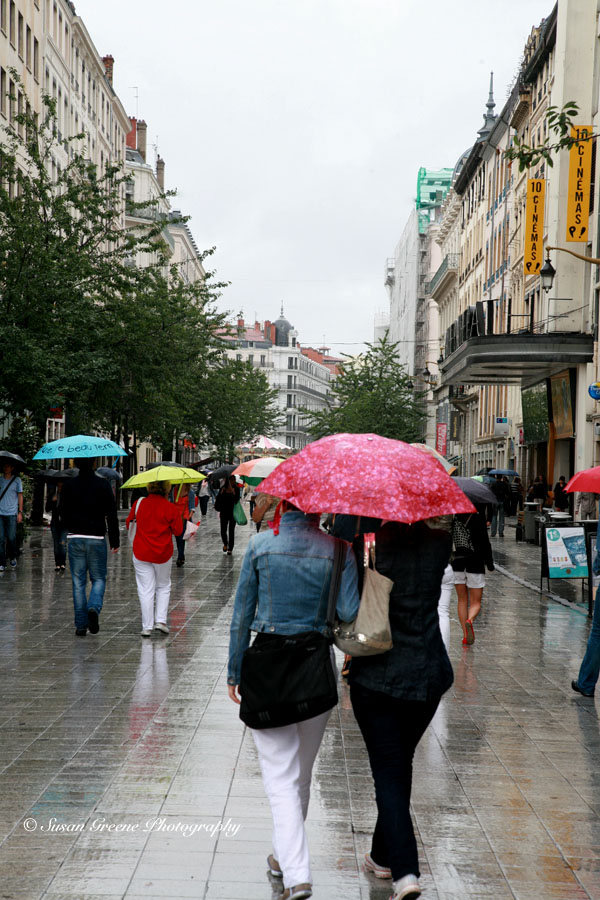
IMG_9307contrastThe gloominess of the rainy day is brightened by the umbrellas and shirts of the pedestrians. Color contrast can be added to a photo by either using a splash of complementary color in a scene of a predominate color, such as a splash of red in a predominately green scene, or by adding bright colors into a neutral toned scene.

It’s yet another tool to use when you are composing your photos. Remember, generally the cooler colors harmonize with the warmer colors.

Here a splash, there a splash.

~ Susan
contrast – CONTRAST

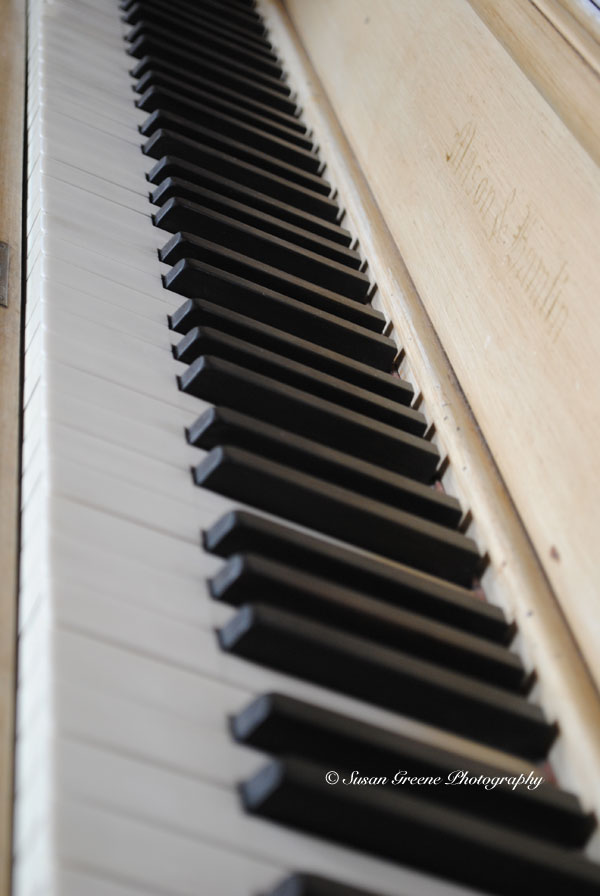
In photography, contrast is one of many tools used to draw attention to your subject while also creating a mood. There are a few different types of contrast. Today, I have tonal contrast on my mind; the difference between the light and dark areas of a photo. When there is a greater difference between the light and dark areas it is considered high contrast and conversely when there is not much of a difference between the two it is a low contrast situation. Higher contrast images tend to be more dramatic and convey a sense of power while low contrast images have a softness to them imparting a feeling of gentleness. There are a few methods we can use to create high contrast images. One is to choose subjects with contrasting colors, such as piano keys.

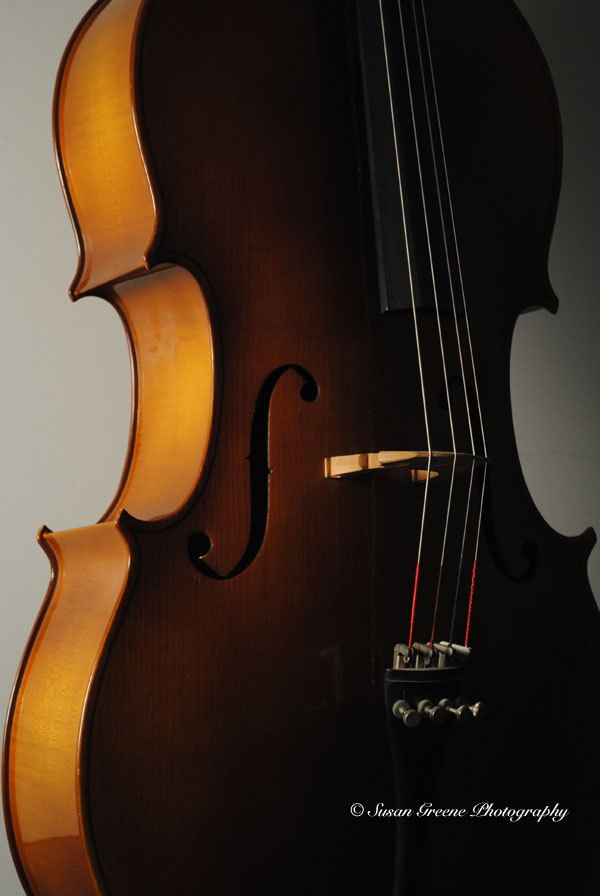
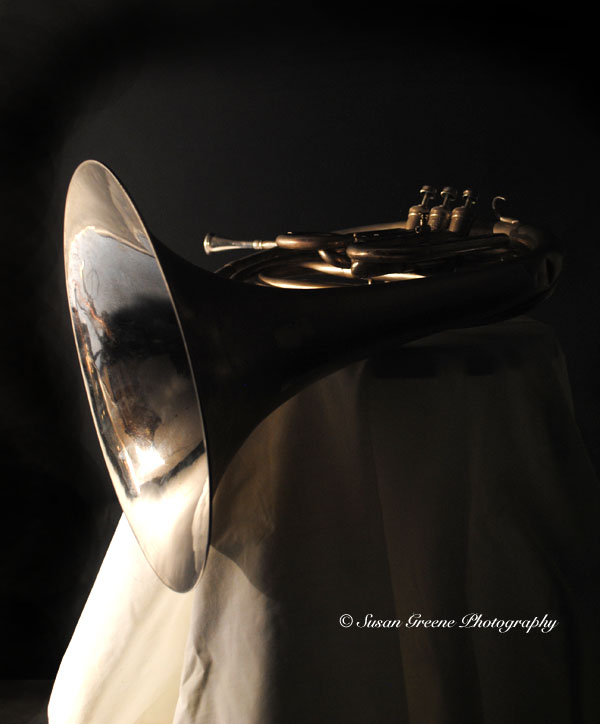
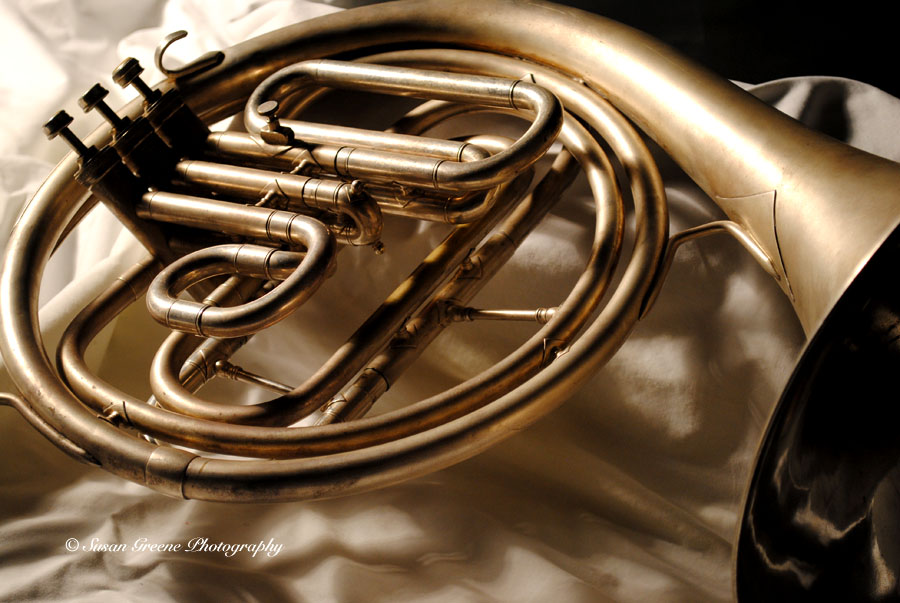
piano keys Adjusting your lighting is yet another way of achieving greater contrast. In a darker room using a strong light source from the side of your subject will bathe that side in light while leaving the rest in the shadows.

cellofrench hornUsing this technique, you can highlight the area of your subject you wish to call attention to while creating a dramatic mood at the same time. Underexposing your photo by a stop or two, which is similar to adding black to your image, will enhance your shadow areas. If you don’t want such a dramatic difference in your light and dark areas keep your exposure at the proper exposure determined by your light meter.

cello scroll and pegs

french horn

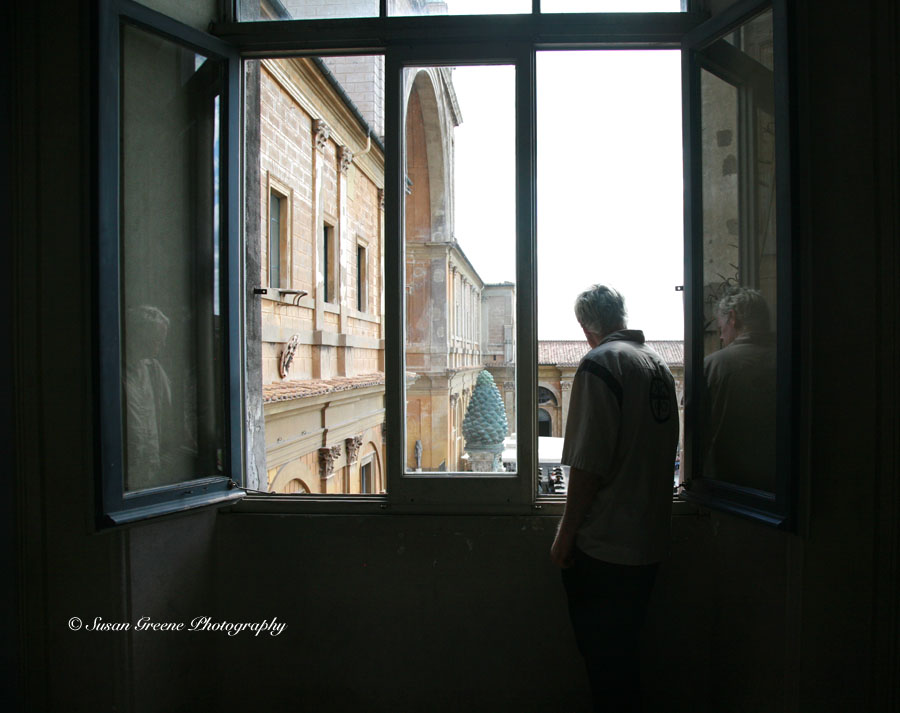
An additional technique for creating high contrast is placing your subject in front of a bright light source (a window or a sunset for example) and exposing for the light source, which results in a silhouette of your subject.

window figure

I challenge you to go out this week and look for the contrast in your world and try to enhance it.

Keeping in mind, “where there is much light, the shadow is deep.” – Johann Wolfgang von Goethe

~ Susan
Creating Lines in Portraits

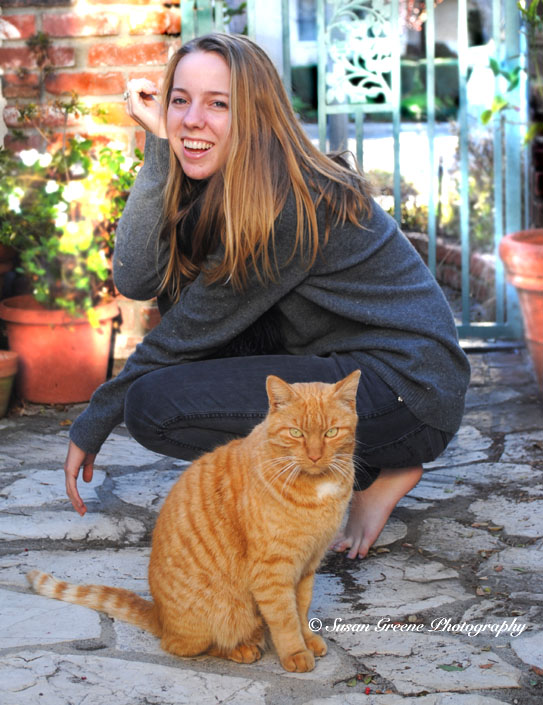
To wrap up this month of leading lines, I focus on the portrait. My most willing backyard model joined me for a short photo shoot to demonstrate a few poses.DSC_0379portraits

I found some photos taken a few years ago of my backyard model to use as well.

IMG_7378portrait

Limbs, hands and hair are a few of the posing, line producing possibilities. Simply bending one or both arms draws attention to the face.

IMG_4964portraitBending legs and taking the photo straight on or outstretched legs taken from the side are two ways of using the legs to draw the eye to the face. Hand placement near the face is  another way to achieve leading lines. Finally, we used a pose involving bent legs from the side mixed with straight and bent arm with hand by face, a little bit of everything.

DSC_0401portraits

Even a neighbor’s cat wanted in on the action.

There are many possibilities for incorporating lines in poses to draw attention to the face. I have just touched the surface. I hope you will go and try finding a few of your own.

Here’s to finding a willing model.

~ Susan

Look Closer

The use of leading lines as a compositional tool can also be applied to macro photography. This week my search lead me to take a longer and closer look at the world around me. Flowers possess built in leading lines; with the stems leading one’s eyes to the flower and the petals drawing attention to their center.

daisy macroBoth can be incorporated in one photo or you may choose to simply use one or the other.

orchid macroOrchids with their colorful, long-lasting flowers certainly brighten a room and make marvelous photographic subjects.

DSC_0314 mac linesThe remains of a tulip flower after the petals fell off couldn’t escape my camera. Even though the color from the petals is gone, I found some beauty in the starkness of the pistil as highlighted by the stems and stamens.

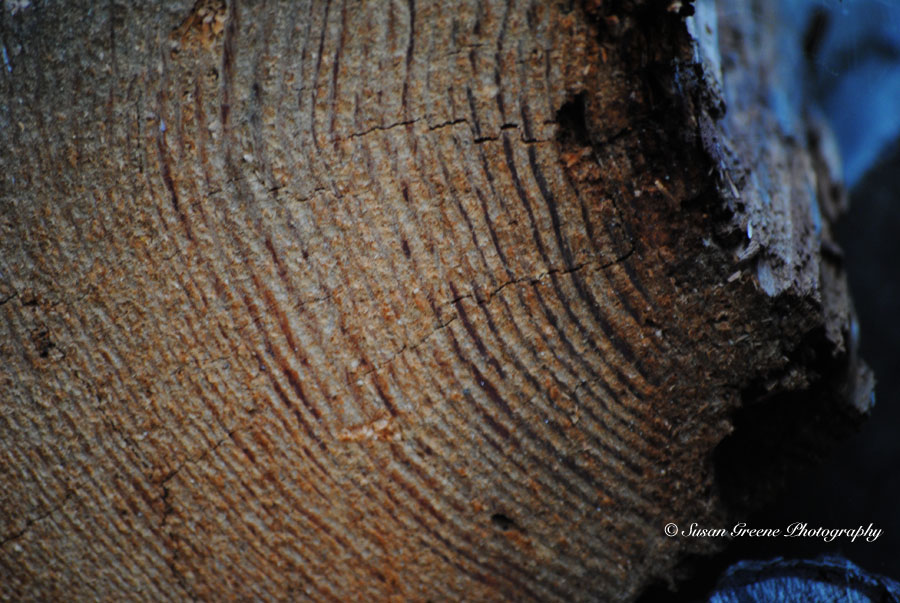
Here, the repeating lines of the woods rings . . .

wood lineslead to the cut side.

The tentacles of the sea anemone create many lines leading one’s eyes to the middle or oral disc.

anemoneYou can also create your own leading line using your hand and finger as a pointer.

sea anemoneI was happy to see that my hand model’s nail polish coordinated with the sea anemone’s hue.

Food also can either be arranged to create leading lines or as in these photos cut to create them.

cut appleWhen cut in this manner the seeds lead one’s eyes to the core.

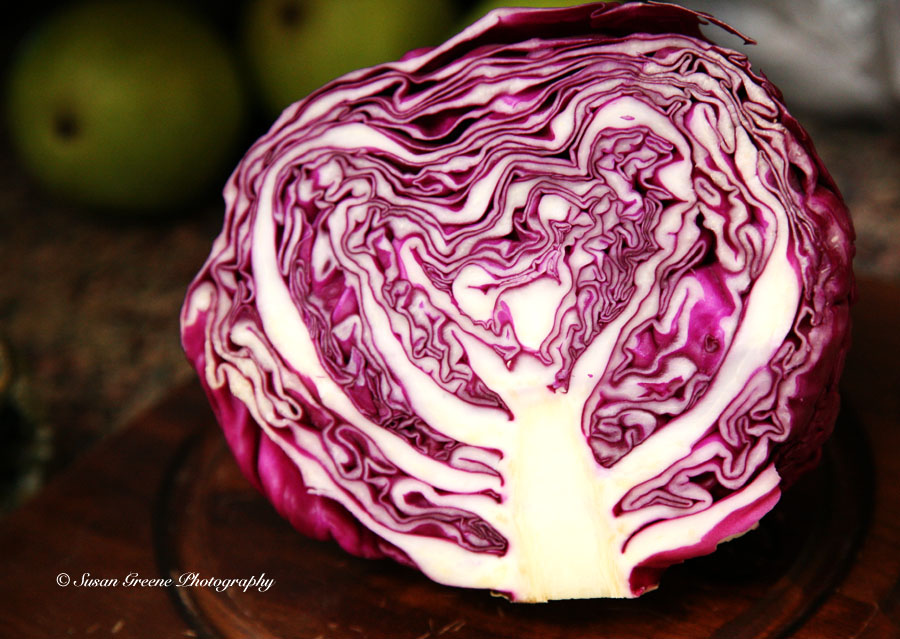
cut red cabbageA cross section of a red cabbage contains so many lines it can be easy to get lost in them but if you focus on the larger lines, they lead to the core.

This week you too can look closer at your world and search out the leading lines there.  Who knows, once you start, you may be lead down a path you never dreamed of.

~ Susan

The Lines in the Sand

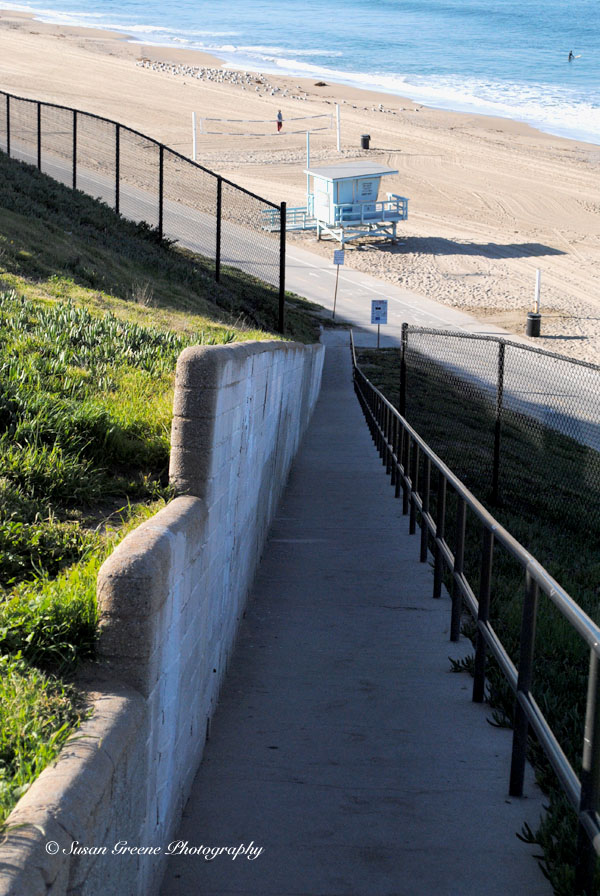
With leading lines on my mind, I recently headed down to the beach. Standing at the top of the ramp looking down, I found my first photo. The lines of the ramp were beckoning me to follow them down to the many possibilities waiting below; surfing, swimming, bike riding, walking, running or beach-combing – not this morning, it’s photography I chose this morning.

DSC_0315beach lines

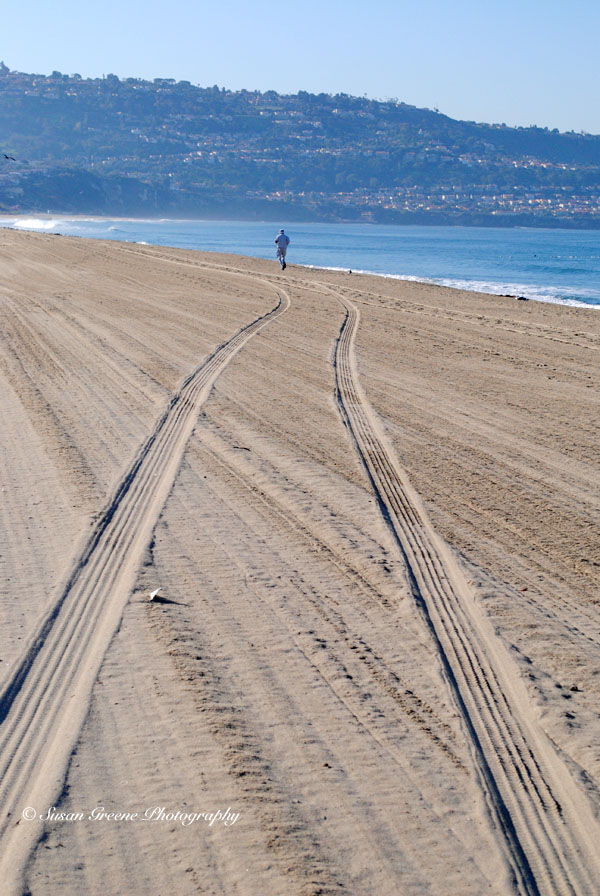
Stopping to take note and looking around I see the lines are everywhere; from the tire tracks left by lifeguard trucks,

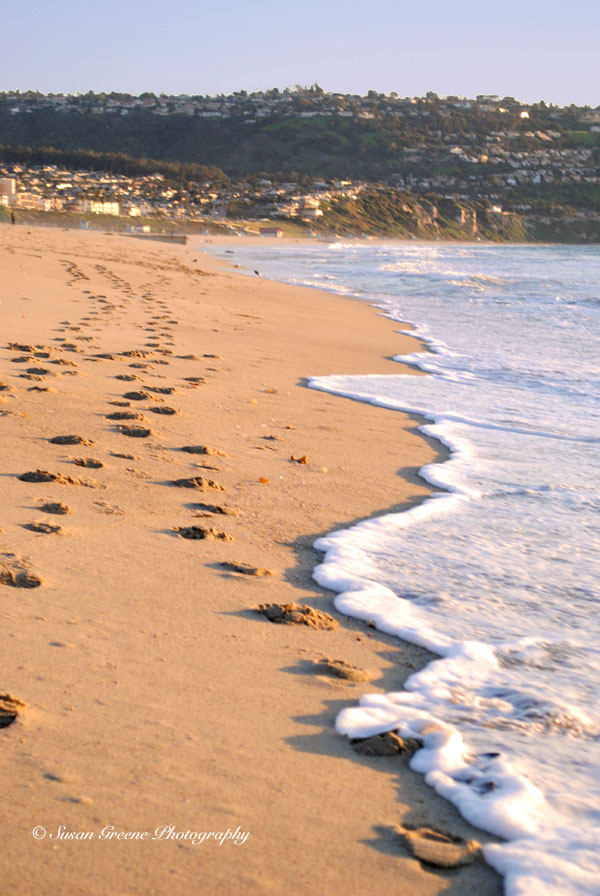
DSC_0311beach linesto the footprints left by people and birds,

DSC_0237beach lines

to   the line created by the foam of the waves rolling up to the shore,

DSC_0241beaach linesto the waves combined with footprints.

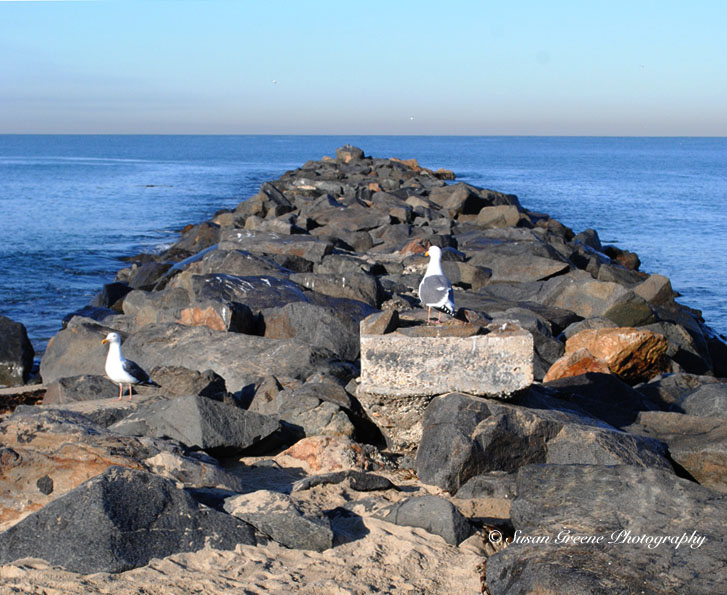
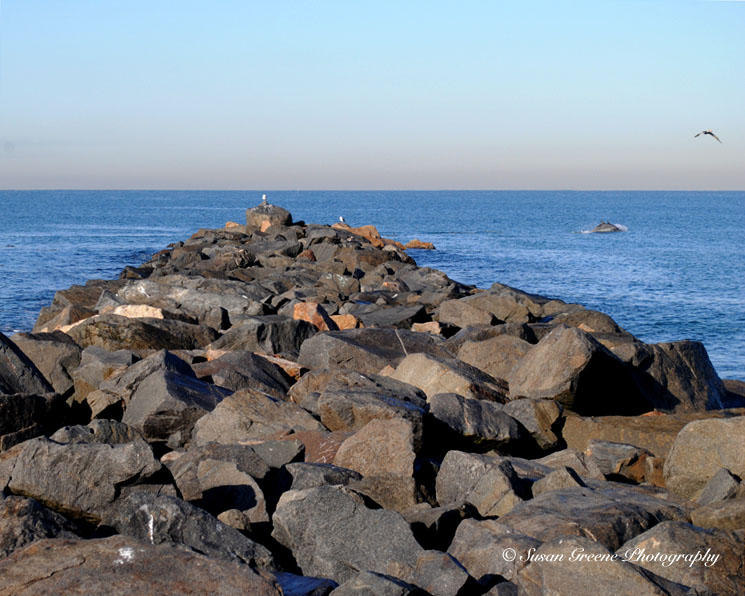
DSC_0244beach linesEverywhere I look I see lines. The jetty jutting out from the shore as if daring me to incorporate it into a photo and I must comply.

DSC_0264beach linesI got lucky because there was a pod of dolphins playing right off the jetty this morning. I had to thank it for taunting me and capturing my attention, I may have missed those dolphins if I hadn’t.

DSC_0297beach linesIt’s always thrilling to me to see the dolphins so close to shore frolicking in the surf but I can’t forget the people out and about as well.

DSC_0309beach linesThis line of cut telephone poles caught my eye too, there was no stopping me.

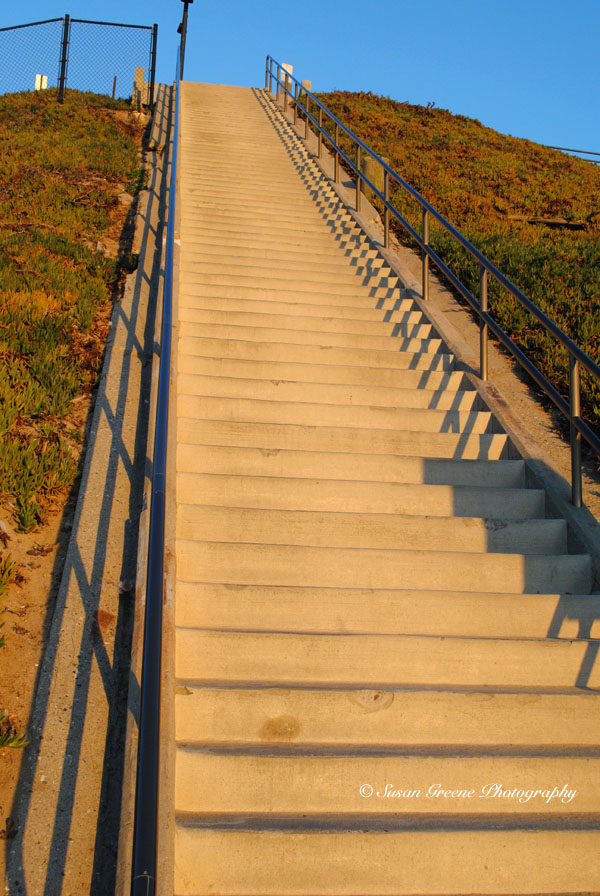
DSC_0262beach linesIn the mornings, these stairs are a well-used exercise spot usually filled with climbers taking on the “stairs to fitness” but this evening they are much quieter – but still as high. I especially like the shadows of the rails at this time of day and how they multiply the leading line effect.

DSC_0253beach linesLooking for leading lines has become a game and a bit of an obsession to me now. This coming week you can find me still looking for the lines but in a different location.
Until next week. . .

~Susan

Read the Lines

It’s February and that means we have a new theme. This month’s photographic concept is leading lines.  Photographically speaking, it is a compositional tool in which the photographer utilizes lines to engage and draw the viewer into the photo and/or highlight a subject.

leading lines children walkingIt can be subtle

LA city hall and musi center fountainor more obvious.

IMG_4433.JPGlead line

Sometimes, these lines will lead the eye through and out of the photo.

Park path leading line

wyoming country roadLines are everywhere once you start noticing and are often created by objects such as a road, a tree line, a building, telephone poles, stairs, there are many possibilities. Your lines  don’t have to be straight; so keep your eyes out for curvy and diagonal lines as well.

Versailles grounds leading linesWith an eye on the lines.

~ Susan

Précis:
Lines in a photo can be used to highlight a subject and bring a viewer’s eye to that subject or beyond.

Practice:
Search for lines to incorporate into your photography this week.
Look for diagonal and curved lines also.
Place your subject in such a way that the lines draw a viewer’s eyes to your subject.

Play:
Look for works by one of your favorite photographers, in a book or online or go to a museum, and see if you can find leading lines in their photos. Take note of how your experience of that picture is affected by these lines.