accent on the color

Fall has arrived and for this backyard sister that means cooler nights, girls’ tennis season, butternut squash and pears in the market, colorful leaves, yes, here too,  and our California native fuchsias blooming in the garden. This month we will be investigating some of the many ways to accent colors in your photos and maybe even your life. First, back to the garden and those fuchsias. They are a bright red and attract many hummingbirds and I have spent many minutes sitting by them taking pleasure in their brilliance. I snapped this shot early one morning.
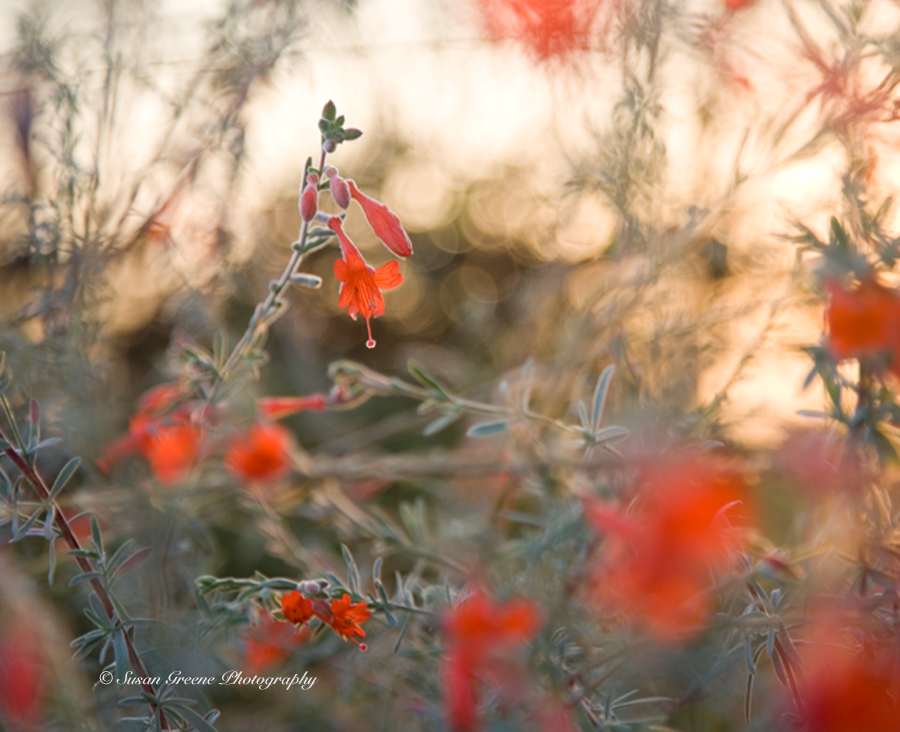
_MG_0256 originalWith this month’s theme in mind, I wanted to highlight the red as much as possible. To achieve this effect or something similar, in photoshop, select a new hue/saturation adjustment layer and take down the saturation of all the colors individually, except red, to -100.
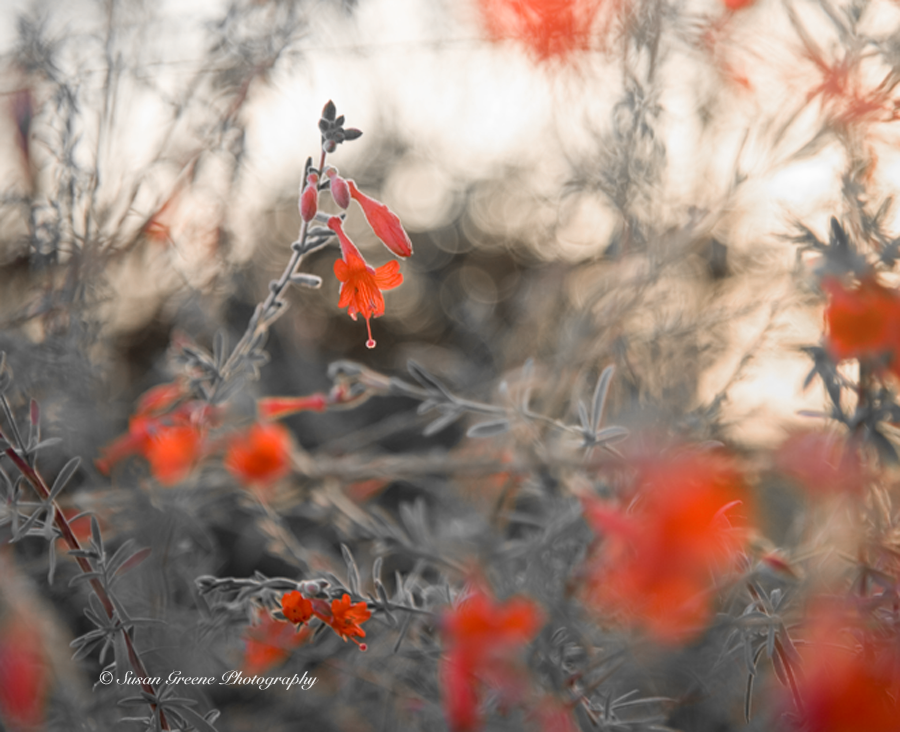
California native fuschiaI then turned to some late season tomatoes sitting on the patio table.
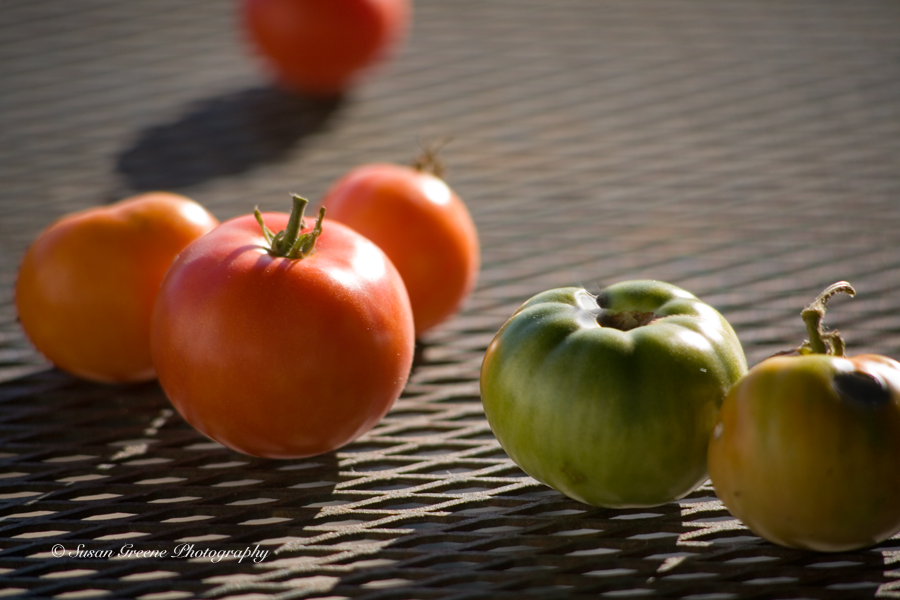
_MG_0928First, I used the same technique of adding the new layer and de-saturating all the colors except red.

_MG_0928 desaturatedAs you can see, there is some red on one of the front tomatoes still, which I like, but to try another method, I decided to use the selection tool and select just one tomato to remain  red.

_MG_0928-2 color accentThis look, although a bit of a cliché, I still find fun to play around with. Frequently in fall, here in southern California, we will have unusually big surf for a couple of days due to storms out in the Pacific. I selected a photo of the Manhattan Beach Pier during a previous fall big surf day to experiment more with color.
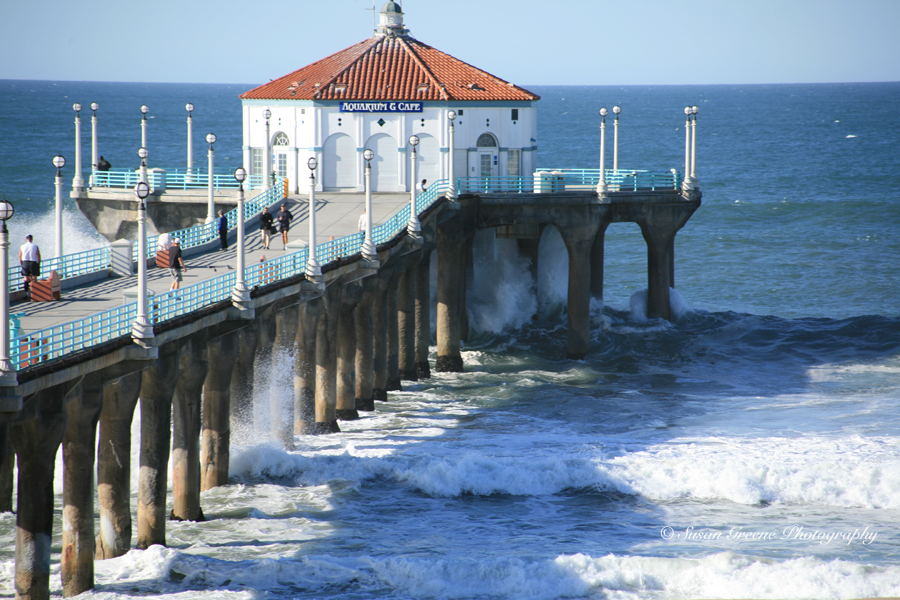
IMG_1376 I decided to try highlighting the red in the picture using the hue/ saturation adjustment layer again. This method is not as precise as the selection tool method but works great if you have many areas of color you wish to highlight.
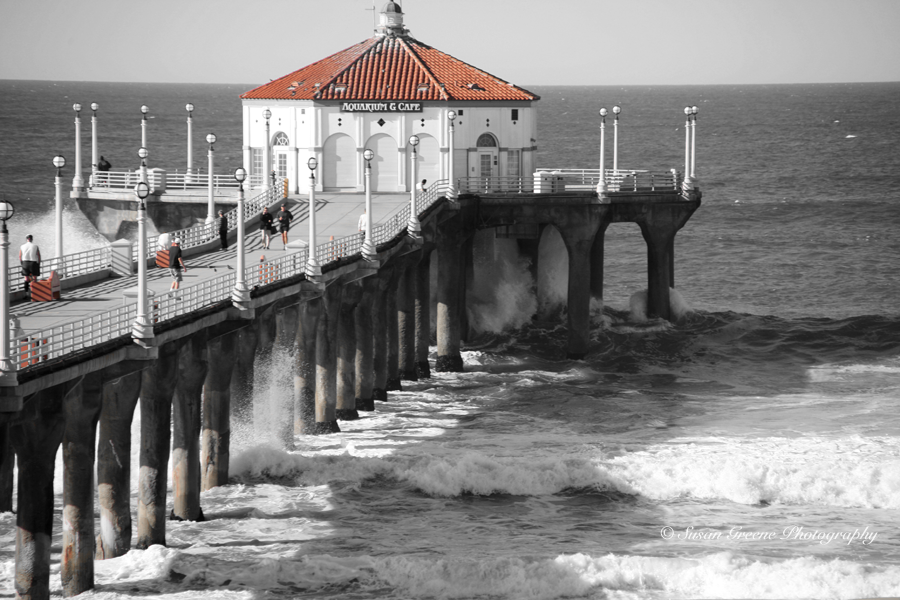
IMG_1376 desaturateNext, I chose to highlight the hues of the water and blues on the pier.
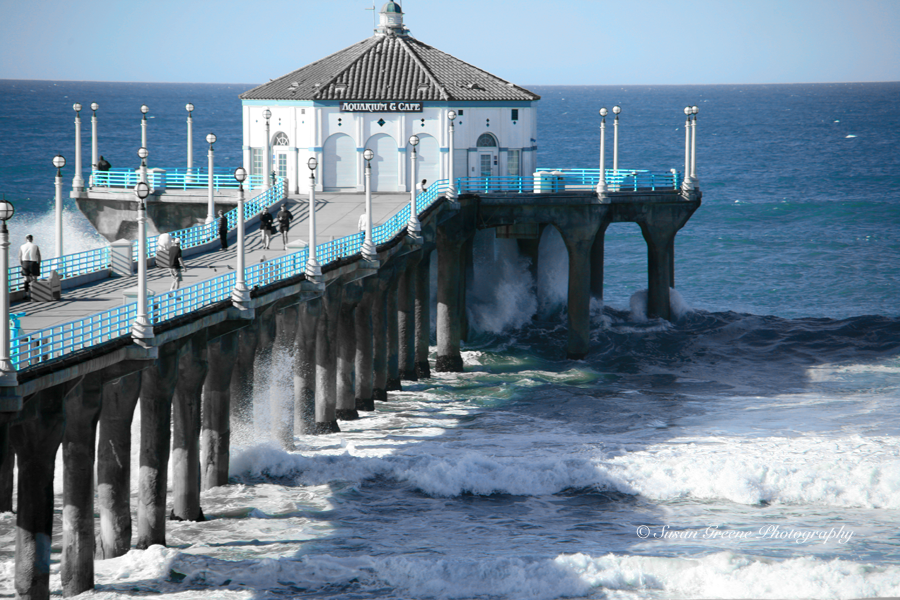
desaturate MB pierTo achieve this effect, I de-saturated all the colors except cyan which I boosted to +40.

A boogie boarder became my next subject. His board with its red outline was a natural.

IMG_9655Notice the seaweed and his skin still retain some of their color using the adjustment layer method but I like that effect. Then he catches a wave.

IMG_9693The last photo I tried manipulating is from the Park Güell in Barcelona.
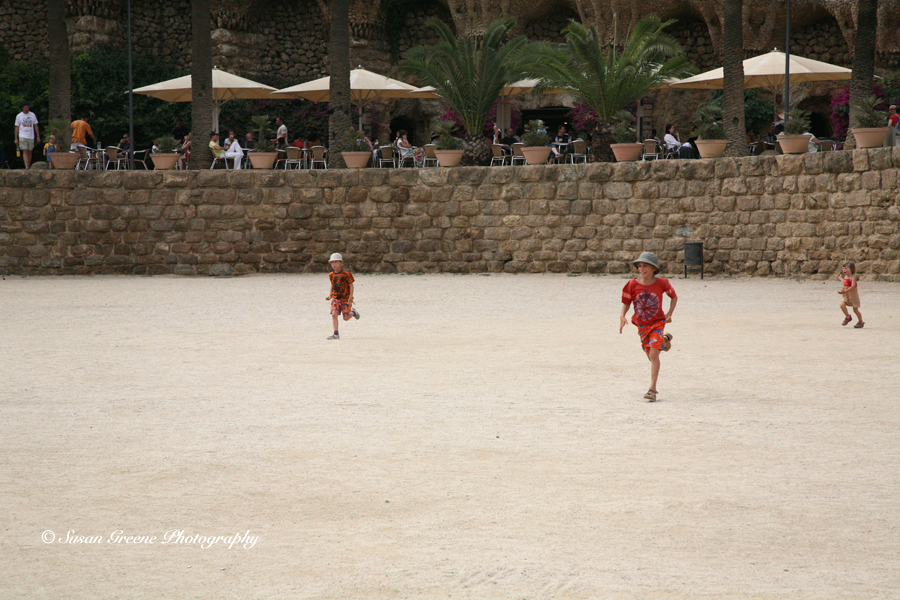
IMG_4422.JPGThese children caught my attention because of their red attire standing out against the crushed granite. To enhance the effect, first, I used the hue/saturation layer approach.
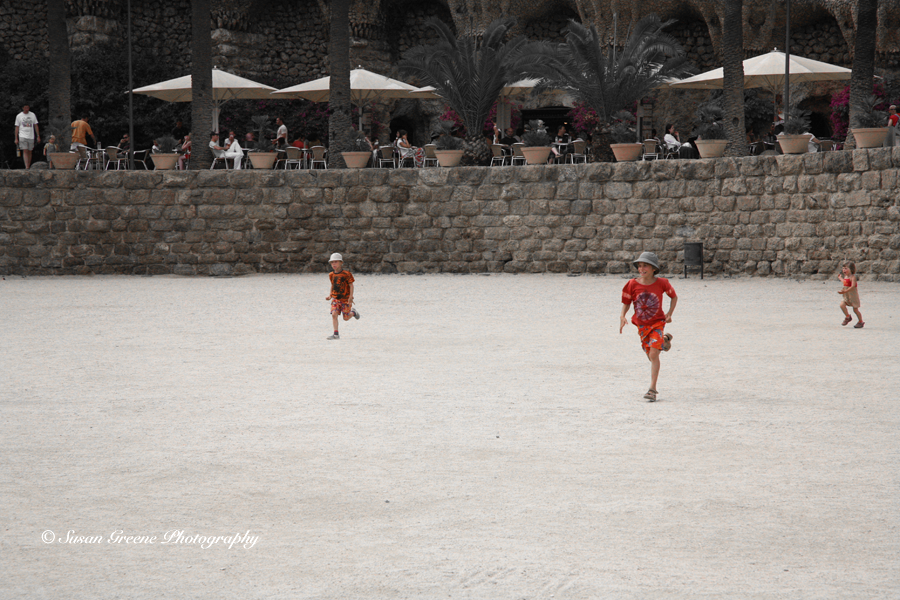
IMG_4422.JPG desaturatedThis is a subtle effect with this photo. There must be a lot of red tones in the other colors. I decided to select the children, invert the selection, and then add a hue/saturation adjustment layer and slide the master color to -100.

children running color accentAdding color to a black and white photo will highlight the colorful subject and draw the viewer’s eyes immediately to it. Now that fall is here in all its colorful glory, take some time to see the colors in your world.

~ Susan

Accentuate the Positive, by Considering the Negative

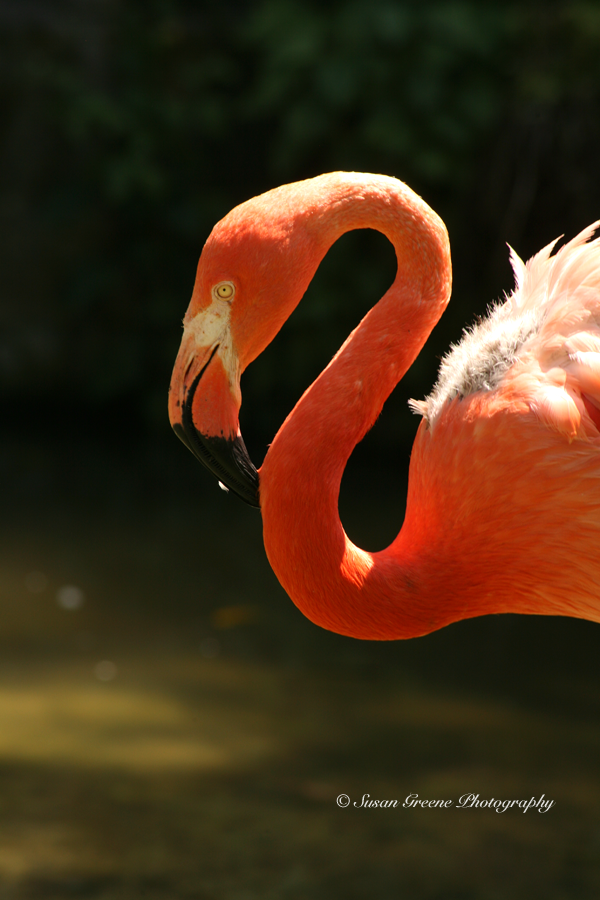
Negative space, or the area of a photo which is not the subject, is something to consider when you are composing a photo. A trip to the zoo is a great place to try out some different options. The flamingos are a favorite of mine, for their pink color and curvaceous necks. Add their long legs and black bills and they become the fashion plates of the animal kingdom, if you ask me.

Usually, flamingos can be found standing in a large group around a water source. Sometimes, I prefer to use most of the flock as a subject and include very little negative space.

_MG_4620And other times, I choose to focus on just a few and incorporate more negative space. Here, I included water in the negative space to gain a sense of place in the photo.

_MG_4613Just a couple of them are the focus next.

_MG_4611-2Finally, I choose to highlight a single bird.

IMG_9092I decide to emphasize the curves of the neck by only including part of the body and using more negative space.

When determining how to compose a shot of the zebra, I chose a similar composition.

IMG_9126Using a solid colored or soft focused negative space will emphasize the subject by making it stand out. The gorilla reaching for a leaf is small and a little lost in the space in this composition.

IMG_9104A method of re-composing a shot to bring the subject closer and cut down on too much busy negative space is cropping. The result…

gorilla cropin my opinion, this is more effective at conveying the sweet moment.

You don’t want to always rely on post processing for composing your shots but there are times when it can make an impact.

By being aware of the negative space in your photos, you can avoid having things “growing or sticking out of” your subjects heads and cutting off limbs, feet or hands in the edges.

There is no right or wrong way of utilizing the positive and negative space. This is where you get to be creative!

There are times when the negative space can become the positive space and vice versa; as in Edgar Rubin’s optical illusion painting of the vase and the two faces.

This week, I will be staring at the vase and then the faces, no, wait the faces and then the vase …

~ Susan


Composition and Framing the Subject

IMG_2462.JPGWhen composing your photos and thinking about what you are trying to say with your photo or convey to a viewer, you might consider adding a type of framing element. By blocking parts of an image, the viewer’s attention is drawn to whatever subject you choose.

Adding a framing element to your photo can add context and interest.

IMG_2656

Also, a sense of depth and dimension can be imparted by adding foreground components.

IMG_2621.JPGThe addition of a person walking among the redwoods enables a viewer to grasp the enormity of their size while the placement within the opening of the tree adds interest.

IMG_9484Trees, leaves and branches make for colorful natural framing tools.

CA  country


Another technique for using leaves to frame a shot is to shoot through leaves using a telephoto lens thus creating a very blurred foreground and isolating your subject.

matilijaWindows are often used as framing devices . . .

IMG_4469even car windows. An architectural element, such as an arch, can be a fun frame as well.

IMG_0349

Using people as a frame works also, shooting through heads or over a shoulder adds an embellishment and silhouetting them adds drama.

IMG_9016 The frame doesn’t have to completely surround your subject either; it can be on one, two or more sides.

When adding framing elements to a photo ask yourself what you are trying to accomplish and will the frame add to that goal. If the answer is yes, go for it! Most of all, have fun looking for ways to add framing to your photos and play around with it. It can make you look at your images in a different light.

This week I will be looking at things with a new frame of mind,

Susan


Composition and The Rule of Thirds

_MG_0079

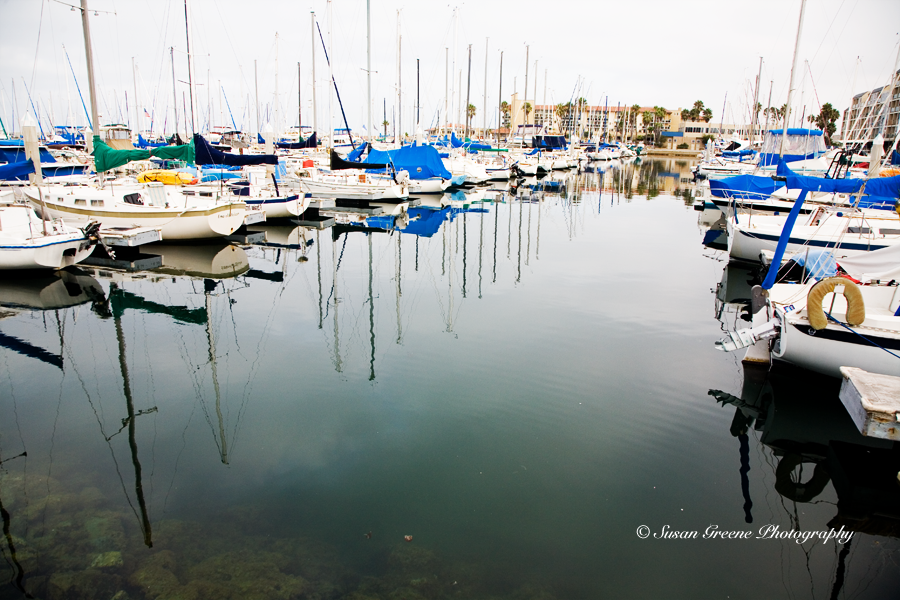
Sometimes, I like to venture over to our local marina and imagine I am one of them – a boat owner – the “people of the boats” I like to call them. I envision climbing on board one of the welcoming vessels and heading out to sea navigating to an island paradise. Or, perhaps, cruising down the coast to another town, anchoring in its harbor and spending the day exploring. Each one of those boats possesses  the potential for adventure. What a way to travel! But alas, eventually reality sets in. I am not a person of the boats. I get seasick for one thing and the sight of the boats being scraped of barnacles or painted, varnished and having general upkeep performed on them reminds me of this. It’s still fun to daydream though and recently I slipped in to the harbor with the idea of composition, specifically the rule of thirds, in mind.

_MG_0044

The purpose of the rule is to help with composing  interesting and compelling photos. It involves mentally dividing your viewfinder or photo into a grid with two vertical  and two horizontal lines which are crisscrossed to make a 3X3 grid, like a tic-tac-toe game. The idea is to place the parts of the photo you want to be the points of interest near the intersecting points of the grid.

_MG_0055When photographing a landscape, it is much more compelling, generally, if the horizon is not in the middle of the picture but aligned with one of the lines of thirds.

_MG_0098By placing the horizon line in either the top or bottom third, the emphasis will be on either the sky or the water or land.

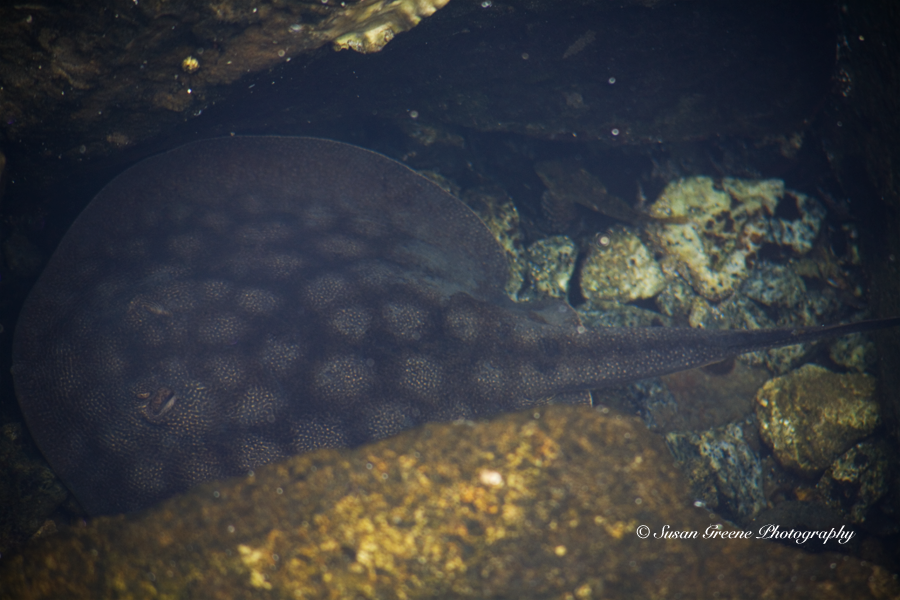
Some movement in the water caught my eye and I discovered there were a number of round rays swimming amongst the rocks.

_MG_0065Then, as I was getting ready to leave the harbor, a heron flew across the horizon. It can be difficult to capture moving subjects in one of those grid intersections. Re-composing via cropping can be done in photoshop later. You don’t want to rely on that all the time but it can help occasionally. Also, there is a grid you can use in photoshop in case you are having trouble visualizing the grid in your mind.

Heron in FlightI believe we shouldn’t be too restricted by rules in our creative endeavors, so keep it in mind and experiment with the rule thirds when composing if you haven’t yet, but if you like your horizon lines in the middle of your photos, go for it.

Cheers,

~ Susan

Out and About, Olvera St

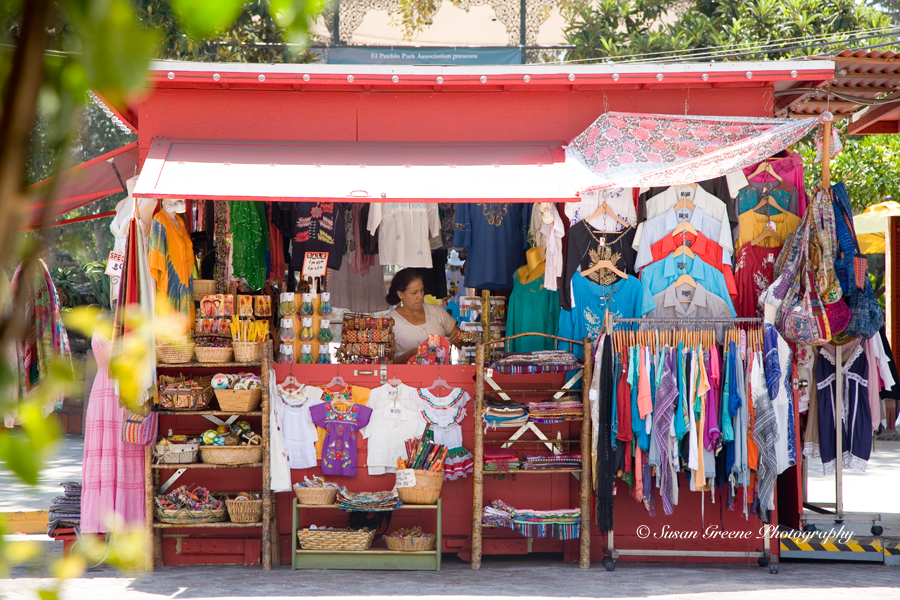
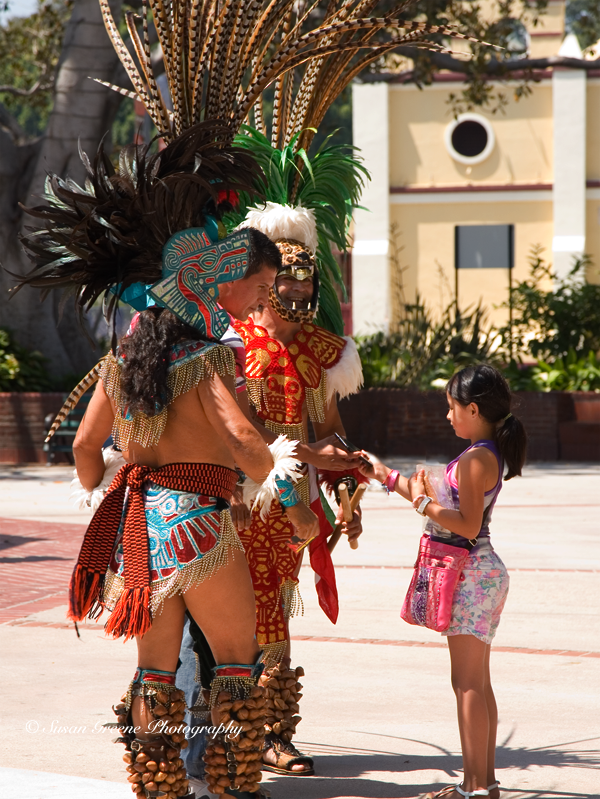
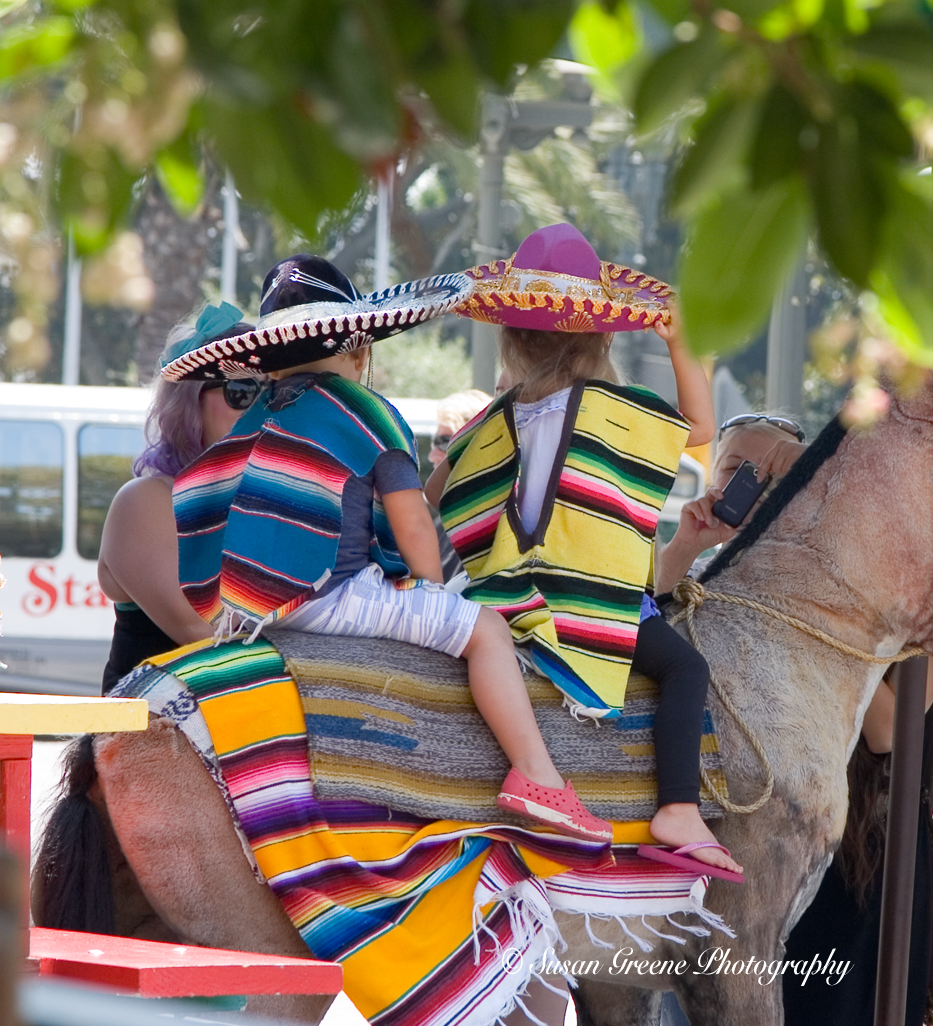
_MG_9745 candidA lunch trip to Olvera St with some backyard family presented the perfect opportunity to play with candid shots. Olvera St is a Mexican-themed street market located in the El Pueblo de Los Angeles Historical Monument. It is one colorful place. From the items for sale

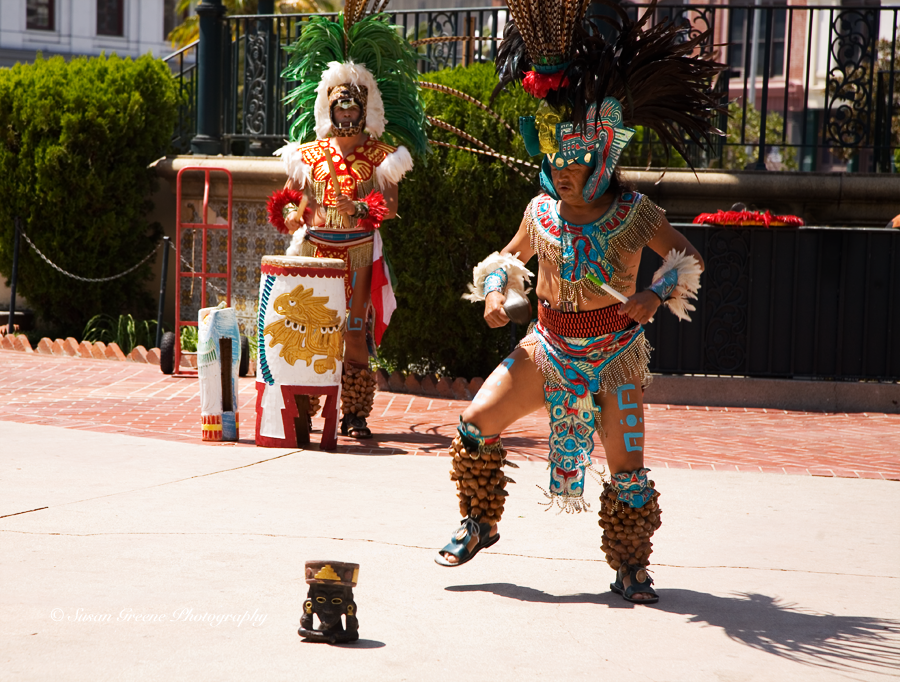
_MG_9765 candidto the lunch time entertainment

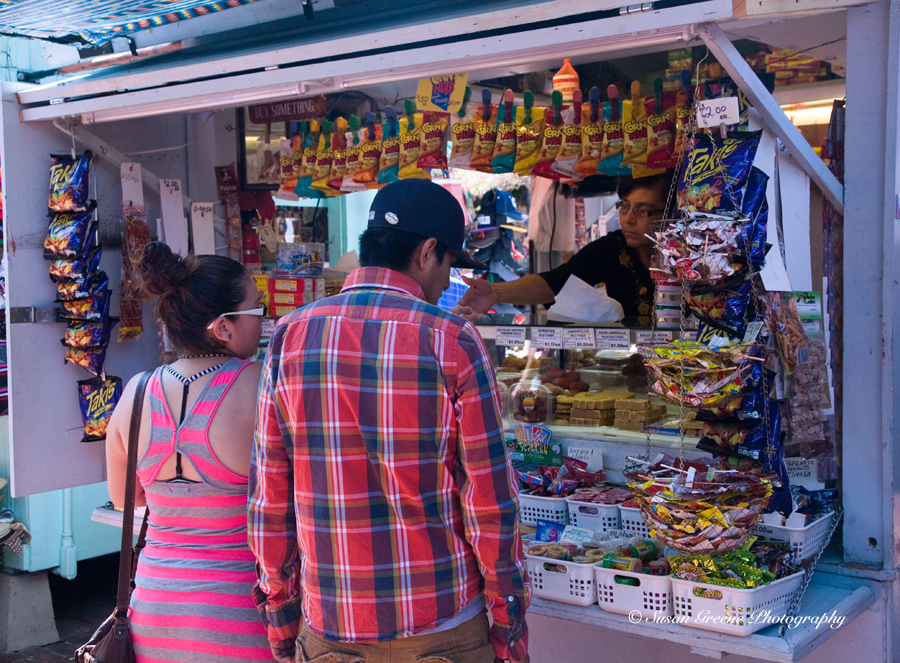
_MG_9755 candidthere is no doubt this is a vibrant place. The street is full of shops and restaurants and is  located downtown near the area of the founding of Los Angeles. The opportunities for pictures are many, both candid

_MG_9760 candid and posed.

_MG_9748 candidStrolling down the brick paved street or resting on a bench and gazing upon the parade of visitors are enjoyable activities which lead to all sorts of photographic opportunities. If you’re in the area or plan to be, it’s worth a trip; taking in the street scene, having some Mexican food (the fresh tortillas – so fresh you can watch them being made behind the counter), and shopping, along with a history lesson – if you tour some of the surrounding buildings – are just some of the highlights – oh, and don’t forget your camera!

Olé,

Susan

Candid Vacations

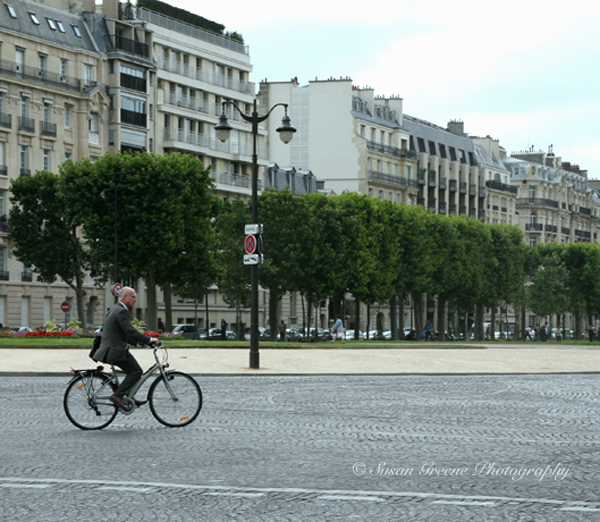
IMG_3347 candidBeing on a trip and exploring cities brings out the street photographer in me. I attribute that partly to the desire to capture the people in a city, out and about, involved in either their own explorations or everyday routines. The other part is putting in the effort to keep my camera with me, out and ready at all times. I want to have it handy when something strikes me as a moment to hold on to.

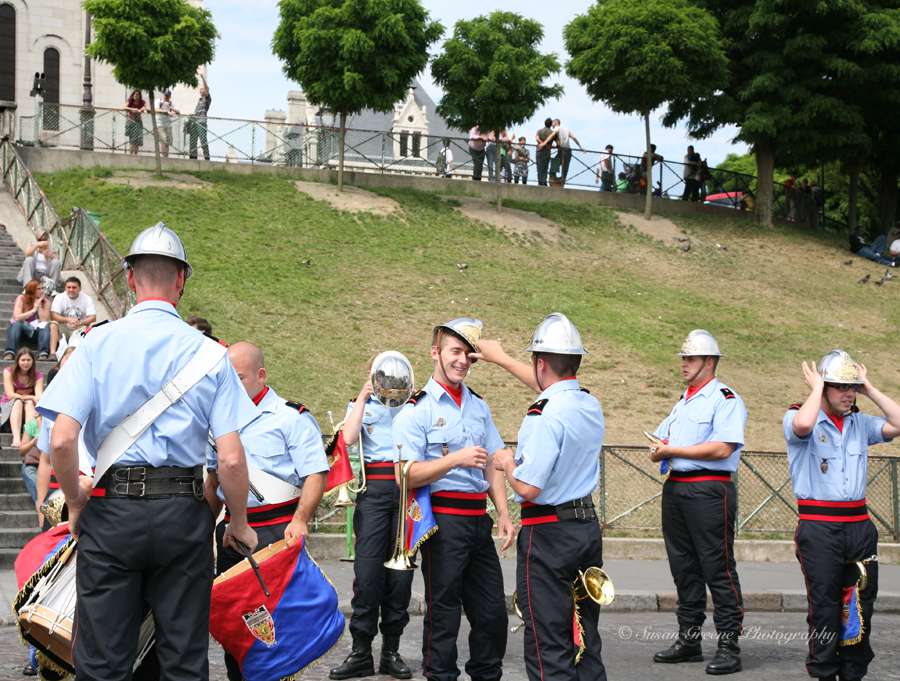
IMG_3898 candidIn Paris, the streets are filled with tourists and residents alike and the opportunities are abundant. This group was preparing for a parade around the streets of Sacré Coeur one afternoon. I happened by and was able to capture this jovial moment.

IMG_3975 candidI couldn’t resist capturing this trio. Were they with a group or did they simply decide to dress alike that day? I’m not sure, but I found it worth remembering.

IMG_4278 candidWhile touring around the Olympic arena area of Barcelona a few years back, I witnessed this game and found it charming and worth noting.

IMG_4118 candidIn Spain, at the time of their Euro Cup victory in 2008, the celebrating reached levels I had never before witnessed. In the town of Alcala de Henares, it seemed as if everyone was watching the big match and when Spain won, they all spilled out into the streets to celebrate. We walked into a restaurant for dinner and were immediately swept up in the revelry by the owner. The country pride and thrill of victory commemorations continued well into the night!

IMG_3834 candidThe way Parisians utilize the city’s public spaces is admirable. Folks can be found sitting on the ground or on ledges, also lounging in some of the many chairs and benches, placed so abundantly around the city; relaxing and visiting all hours of the day and night. I find it charming.IMG_4611 candid


My companions were thankful for one of those benches in one of the many museums we visited, especially near the end of this long, fun and adventure filled trip.

If you are out and about and wanting to capture some of the local flavor. You can set yourself up in a location you like and wait for the action to come to you, in the manner of Henri Cartier- Bresson, or you can have your camera out and ready for anything that interests you as it crosses your path, like Bill Cunningham, or, perhaps a mix of the two styles will suit yours.

Find what inspires you and catch it.

~ Susan

One, Fine Cat

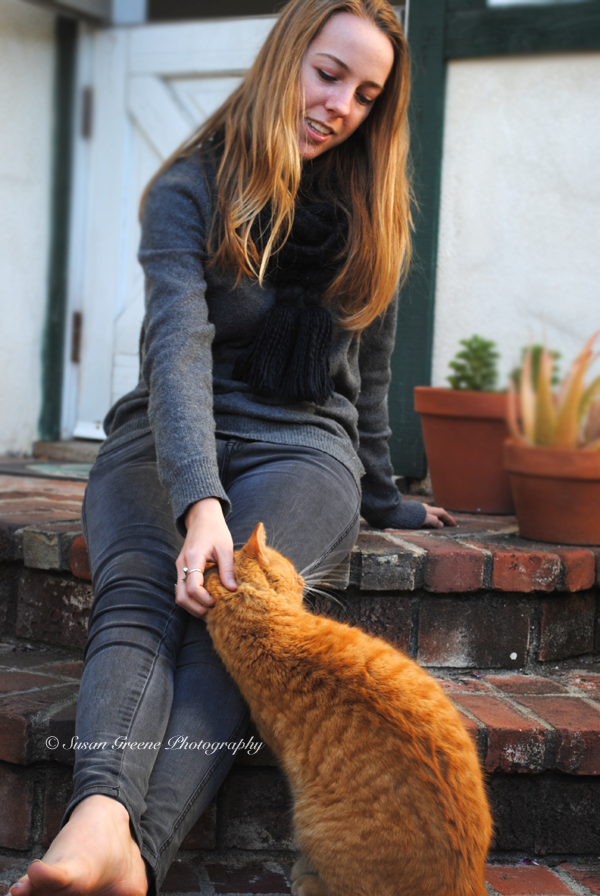
This neighborhood isn’t shining as brightly as it once did. Just two days ago, our plot was a friendlier, furrier place and it was due to a neighborhood cat. Although his “family” lives next door to us, he seemed a part of our family as well. This cat was like no cat I have known before.  He would come running over from across or down the street to greet us, as we arrived home, meowing all the while and looking at us with his mysterious green eyes, jumping up on the planter – conveniently right at hand height – and give our hands a nudge with his head until we pet him. DSC_0378mon & gar

All he wanted in return for his warm greeting – a pet and scratch on the head and a little time. We weren’t the only neighbors who were the object of his hospitality. Almost every morning, he would send the three children a couple of doors down off to school with a meow and a purr. More often than once, I saw him running up to people walking by and throw himself down on to the sidewalk in front of their path, hoping for a head pat in return and then walk with them for a bit until deciding it was time to turn back. Always on the lookout for any activity and chance for an ear scratch, he wandered into our side yard and right into a portrait photo session one afternoon. In the spirit of going with the flow, inclusiveness and candidness he became part of the shoot.

DSC_0396 Monica & GarHe knew how to turn on the feline charm and win the heart of this backyard daughter.

DSC_0387mon & garHe seemed at home anywhere.

DSC_0390 mon & gar

We had this welcome “gentlecat” in the neighborhood for a short five years. Unfortunately, his charm wasn’t effective on the two dogs or, quite possibly, coyotes he encountered in the middle of the night.

I am glad I have these photos and memories not only for remembering one of the finest cats I have known but also to remind us to be open to the unexpected when photographing and look for those moments to catch the informal and unscripted. This month, we will be turning our attention to the candid moments in our lives and how to capture them.

Good-bye Garfield, you are always in our hearts and we will miss you!

~ Susan

DSC_0283 gar

surf shutter

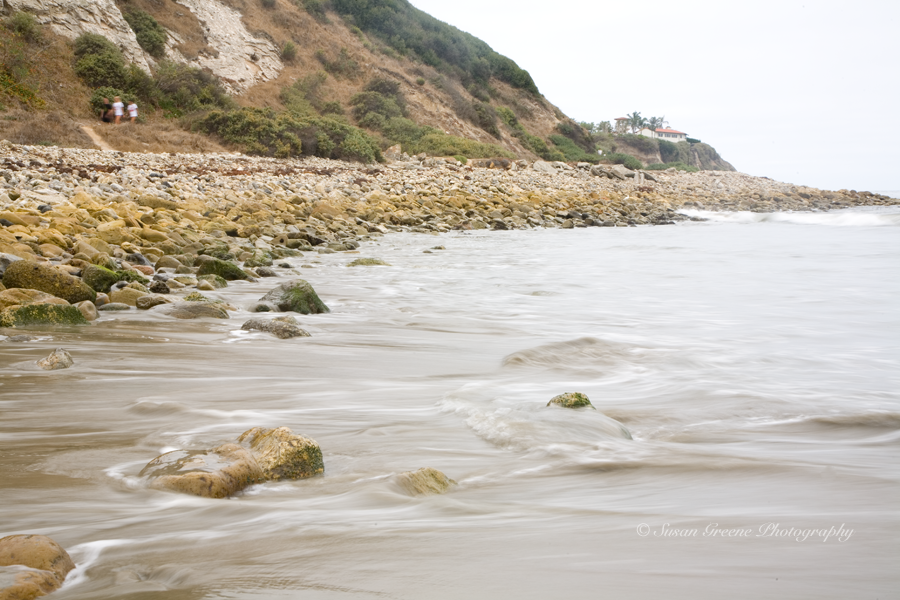
_MG_9279surf shutterFor the exploration of the last aspect of the exposure triangle, shutter speed, I slipped into my flip flops and headed to the beach – click on the highlighted elements of the other two parts of the triangle, ISO  (also here ) and f-stop , if you missed them and want to catch up. The shutter controls how long the camera’s sensor is exposed to light. Shutter speed  is measured by fractions of a second and the numbers represent the denominator of the fraction,  a higher number is a faster speed, 500 is 1/500th of a second, which lets in less light and a smaller number is a slower speed, 13 is 1/13th of a second, which lets in more light. The numbers get lower until you get to a whole second which is denoted by 1″ and from there the numbers starts climbing again, my camera’s high end is 30″, or thirty seconds. The shutter also controls whether you will freeze an action in your scene or blur it. If the shutter is open longer, a slower shutter speed, there is more time for the camera to record motion. This is where you can get creative with your use of shutter speed. Moving water is fun to play around with. When exposed using a slower shutter speed, the water takes on a velvety look. For this photo, I used a shutter speed of 1/13.

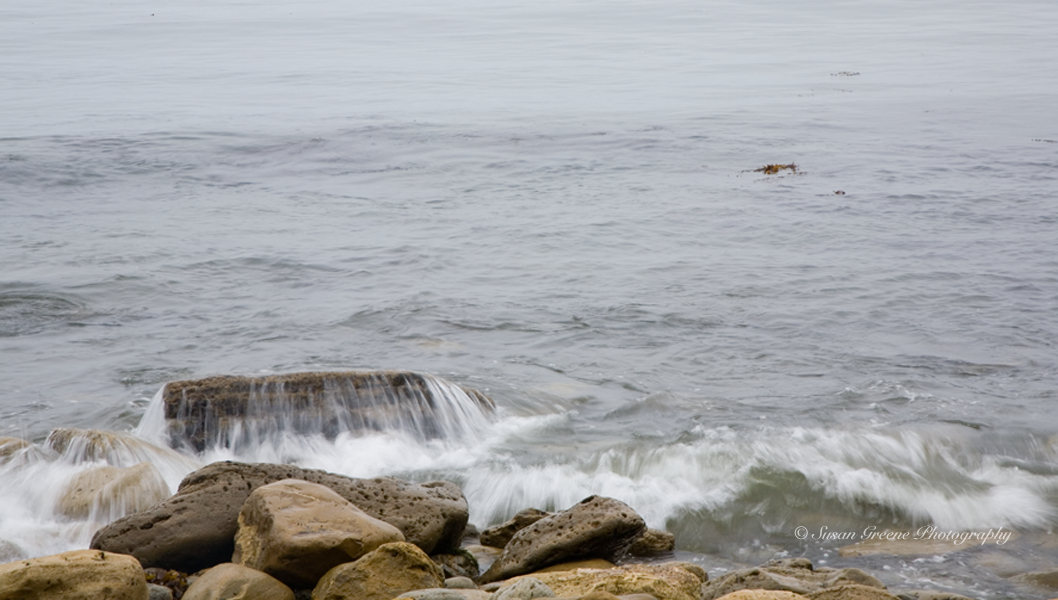
_MG_9173surf shutterThen to freeze the water and capture the drops I used a shutter speed of 1/1000.

_MG_9190surf shutterThe exposure triangle comes in to play here because when you adjust one of the elements you have to compensate by adjusting one or both of the others to obtain a correct exposure. For the first photo, the shutter speed was 1/13 and the f-stop 22 with an ISO of 100. It was fairly early in the morning and beginning to get bright out (even though the sky was gray with clouds) so I had to shut my aperture down to the smallest opening possible and put the ISO down low to cut the light sensitivity of the camera in order to be able to use a slower shutter speed and capture the velvet blur of the waves’ motion. In the second photo, I raised the ISO to 200 and opened the aperture to f4 and used a shutter speed of 1/1000.

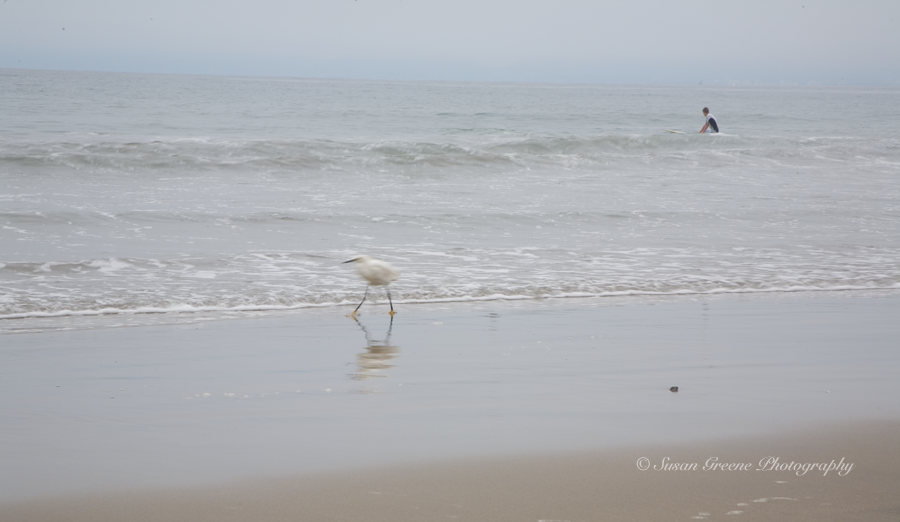
An egret flew in for a look about and stayed for awhile as I snapped away at the yellow-footed beauty. First, I wanted to catch it with detail and freeze any movement it might make and used a shutter speed of 1/125.

_MG_9212surf shutterThen, I wanted to capture the movement of the bird walking along the shore and switched the shutter to 1/13.

_MG_9214 surf shutterStanding perpendicular to the waves is a way to be able to capture the movement. A 1/6 shutter speed was the setting for this one, giving the water a soft, smooth appearance.

_MG_9235surf shutterAt a shutter speed of 1/500, you can see how the details in the water are distinguishable and the wave is frozen in mid-air.

_MG_9273 surf shutterIf your shutter speed is too low and you don’t have a tripod, you may end up with a blurry picture due to camera shake. In general, for hand-held photography use a shutter speed at or higher than the focal length of your lens, for example if the focal length of your lens is 100mm, you want to use shutter speeds of 100 or greater. The longer the focal length the more susceptible the camera is to camera shake. There may be times that you just have to use a tripod to get the shot.

If you are interested in further exploration of capturing motion check out this previous post.

With an eye for action this week,

~ Susan
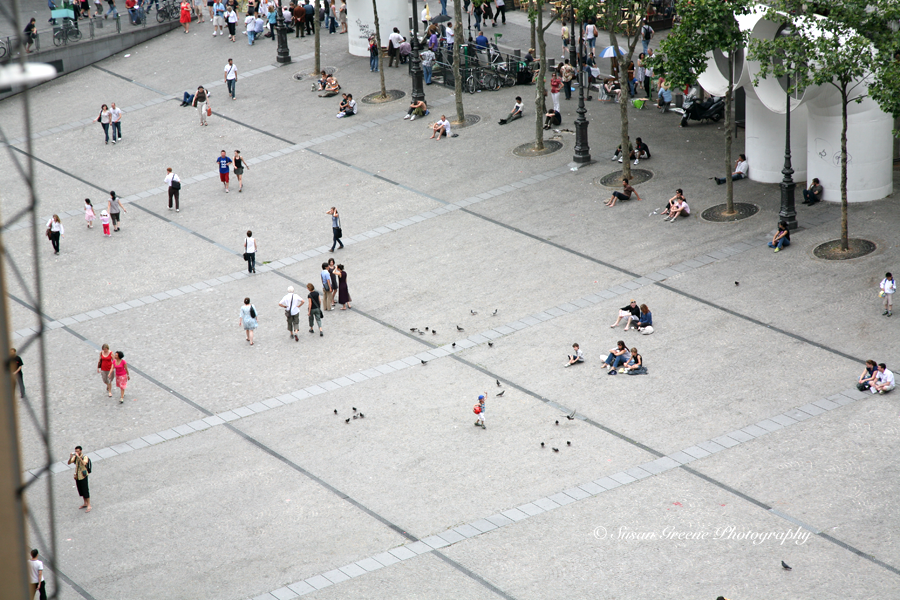
What’s an F-stop?

We have explored ISO and the effect it has on exposure the last couple of weeks and next, we will consider another component of the exposure triangle in photography: aperture. The aperture is the opening in a lens, which can be adjusted to be larger, smaller or somewhere in between. The numbers representing this opening are called f-stops. The f/stop numbers have an inverse relation to the opening size: the smaller value of the number the larger the opening in the lens and more light is let in; conversely, the larger the numerical value the smaller the lens opening and less light is available.

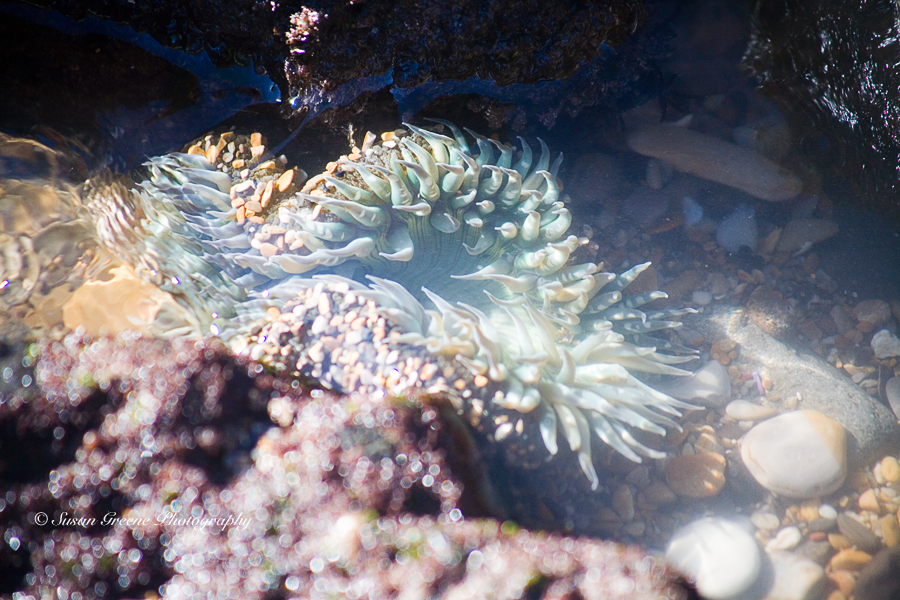
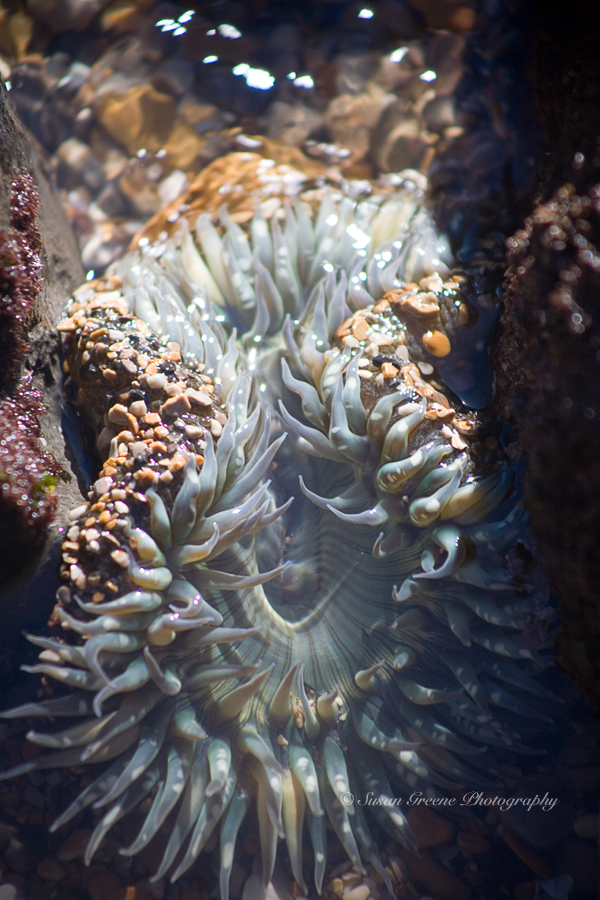
_MG_8079anemoneWhen shooting at a wider opening or, a smaller numbered f-stop, the depth of field is also affected. With the lower f-stops or smaller numbers, you have a shallower depth of field; especially helpful when you want to isolate your subject from the background.

_MG_8083anemoneHere, using an f/5.6, the anemone is in focus but the top portion of the photo is beginning to blur.

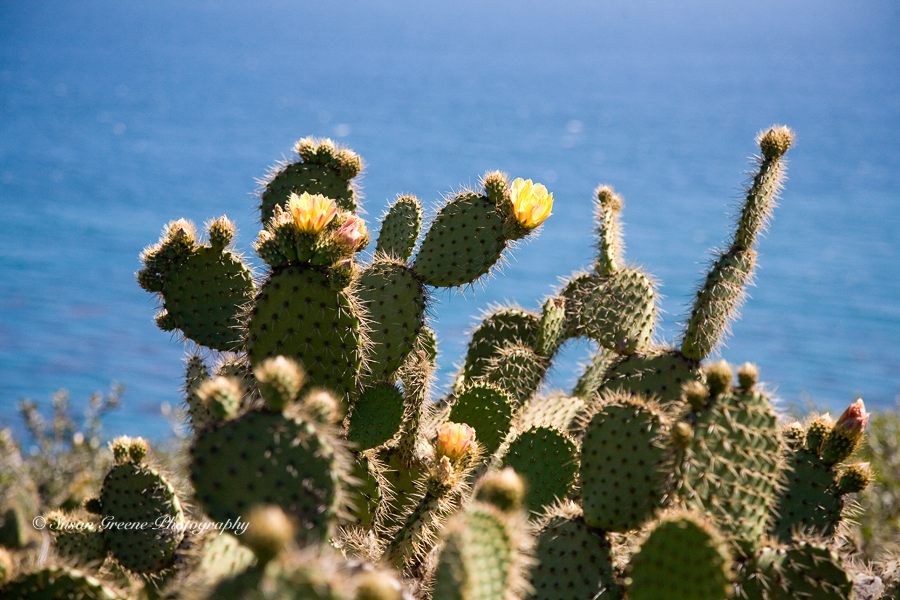
A smaller f-stop can also be used when shooting landscapes and you want to bring attention to one element or person.

_MG_5453shore cactusSince the ocean is on a very different plane than the cactus the ocean water details turn a velvety blue when using the f/5.6 setting in this photo.

For the egret in flight, a f/7.1 setting was used which results in most of the elements of the photo in focus.

_MG_8564egretWhen everything in sharp focus is the goal than an f-stop of 11 or higher should be used. For this landscape, I chose a setting of f/22.

_MG_8088rocky shoreIf you would like to re-visit another backyard sisters post on depth of field and f/stops using a different subject click here.

Also, if you would like to learn more about exposure, there is an excellent book by Bryan Peterson titled Understanding Exposure, it gives an in-depth explanation of the different aspects of the exposure triangle accompanied by creative and colorful photos.

This week you will find me out looking for depth in my field,

~ Susan

Low Light, High ISO

Traveling, for me, involves evening and night time strolls around cities and visits to museums and cathedrals. All these have one thing in common, the available light is very low. When strolling after dinner and exploring a city, I don’t usually want to carry a tripod and prefer the natural light as opposed to using a flash. So, turning the ISO up helps me get the shot. After arriving late one evening in Oklahoma City, I went straight to the Memorial and arrived as the sun was setting. As night fell and the lights turned on, I turned my ISO up to 1600 and tried to do justice to the solemnity of the location.

OK City memorial iso

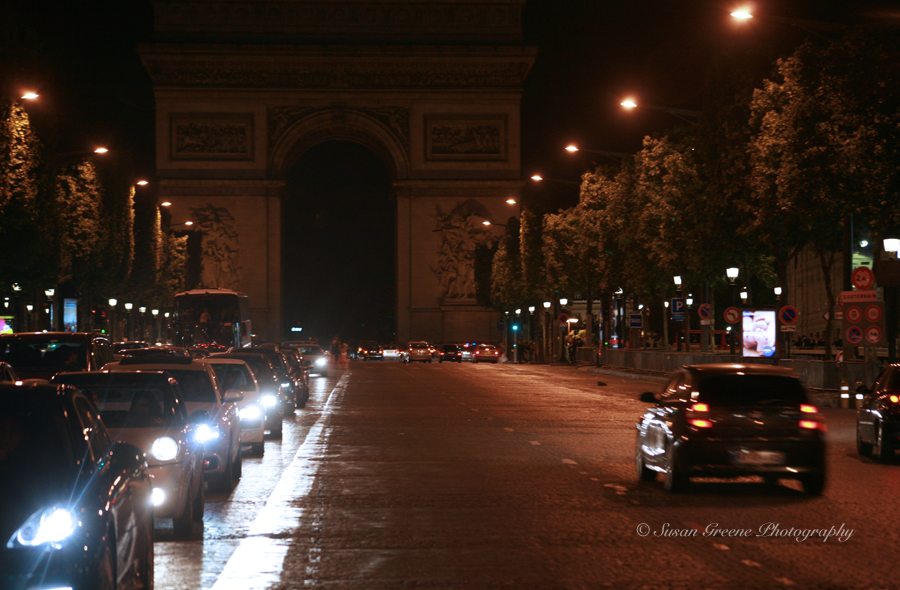
Walking around the city of Paris one night I pulled out my camera and set my ISO to 800 and snapped this image.

l'arc de triomphe iso

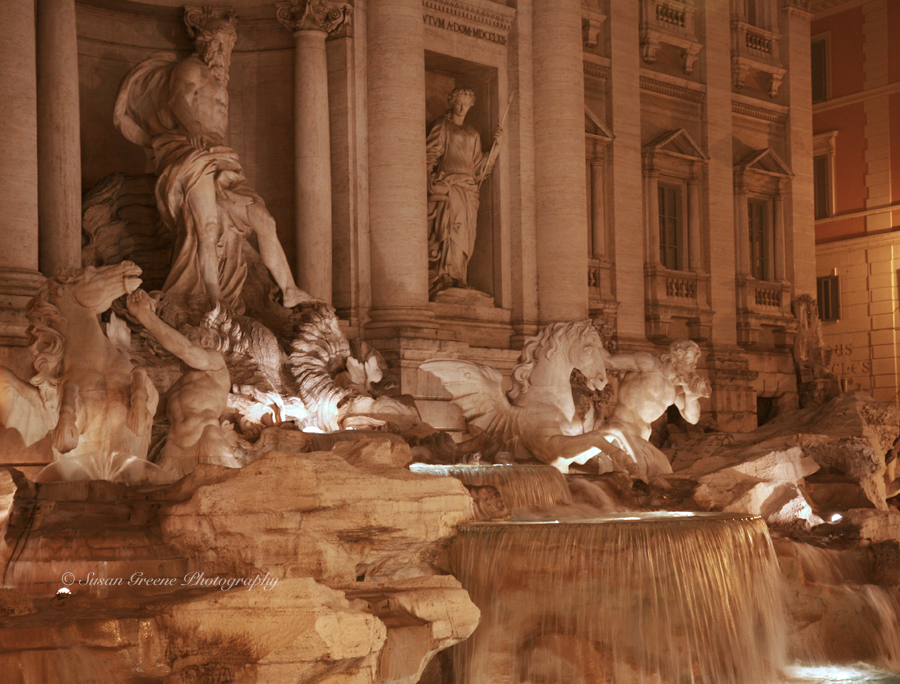
A night time stroll about Rome lead to this famous fountain and it’s night time appearance. I used an ISO 800 here so I could use a slower shutter speed and let the flowing water blur.
trevi fountain iso This fountain is no less popular at night.

trevi fountain crowd iso


Many museums and cathedrals don’t allow flash photography. At the Centre Pompidou, I turned the ISO up to 1600 which allowed for a shutter speed of 1/60 with an f4 to capture this intriguing work of art.

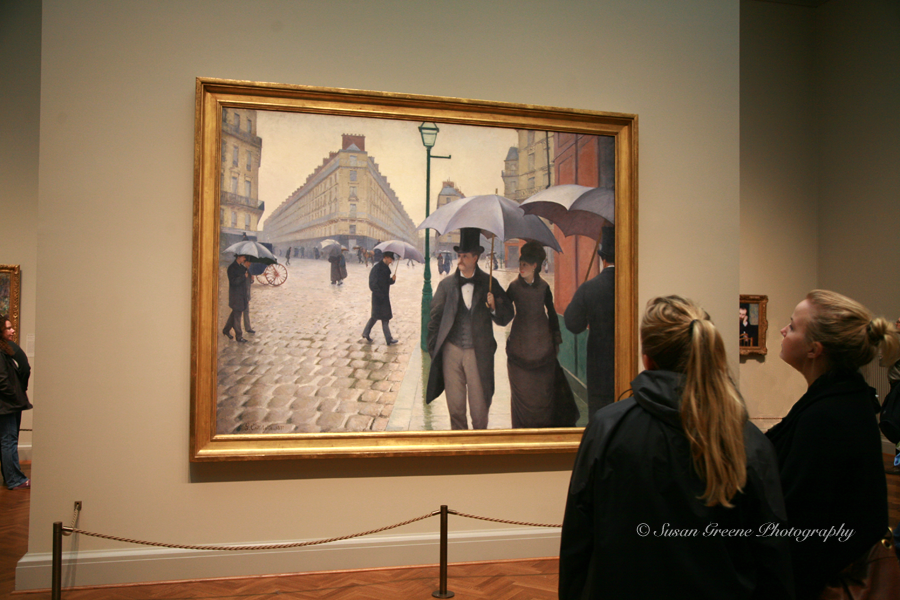
centre de pompidou isoThe Art Institute of Chicago is the home of many works of art and  I was able to view one of my favorites, Paris Street; Rainy Day by Gustave Caillebotte. Seeing this up close and personal meant I couldn’t pass up the opportunity to capture it. ISO set to 800 for this one; you may find that the lighting in a museum allows a little lower ISO setting to be used.

art institute iso The Museo dell’Opera del Duomo Is the location of the Florence Pietà and after having just seen the St Peter’s Pietà I wanted to see this version, the ISO set to 1600.

Florence Pieta iso

In Europe, the cathedrals are just as full of art work as the museums and flash photography is often frowned upon or not allowed.

The statue of the Madonna and Child, in the Basilica di Santa Maria Maggiore, captured my attention by their outstretched hands and the way they seem to be welcoming and greeting so peacefully.

madonna and child isoRemember to look up in cathedrals for the ceilings are usually very impressive also.

St Peter's ceiling isoThis ceiling from St Peter’s Basilica with the shaft of light shining down is an example of the details given to every inch of space.

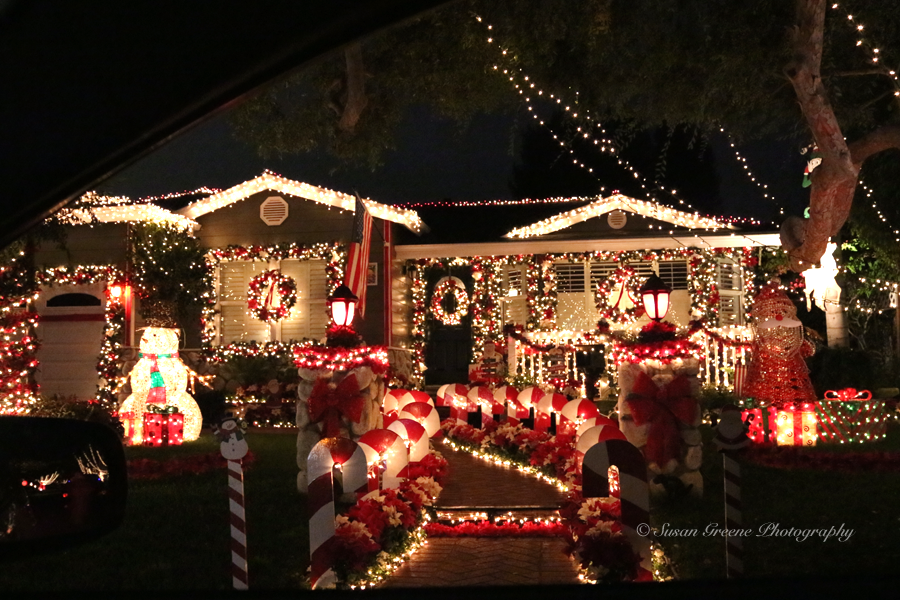
Newer cameras’ ISO capabilities have grown tremendously. My Canon 5D original version high end ISO is 1600 expandable to 3200. Last holiday season, I had the chance to use a Canon Rebel T4i with a high end ISO capability of 12,800 which is expandable to 25,800. I took it out in to my neighborhood and shot some Christmas lights hand held and was very impressed with the quality of the results.

Christmas lights isoUsually, I need a tripod when shooting the Christmas lights in my neighborhood but here I used ISO 10,000 and was able to capture this scene.

Sometimes, a high ISO is necessary to get a low light shot.

Try turning off that flash and raising your ISO and see what you think.

~ Susan