The Lowdown on Low Contrast

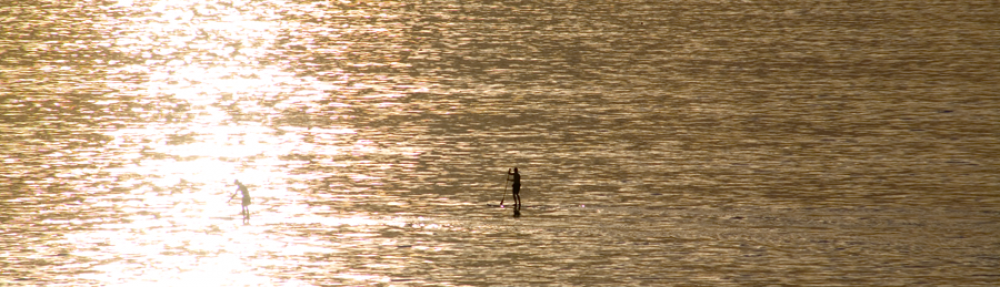
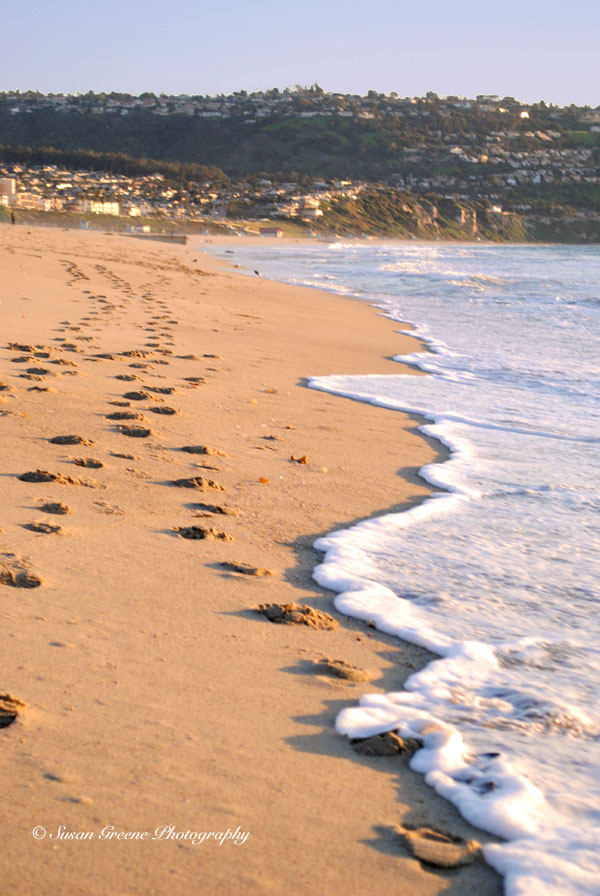
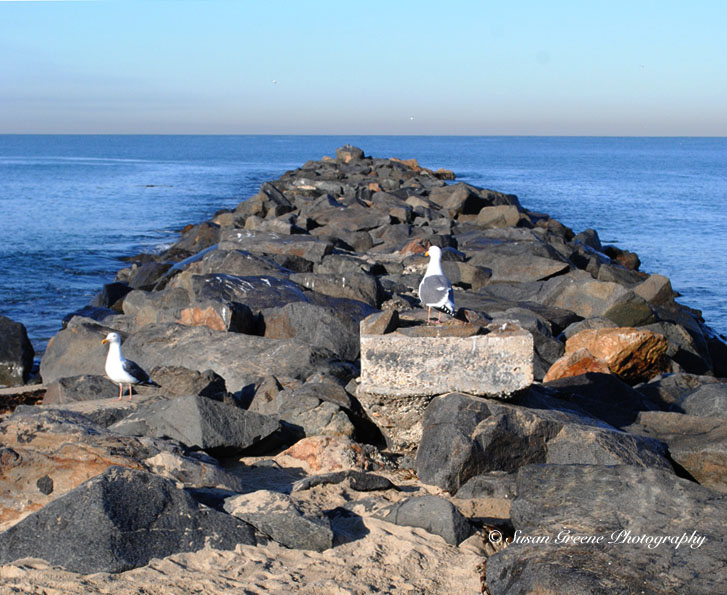
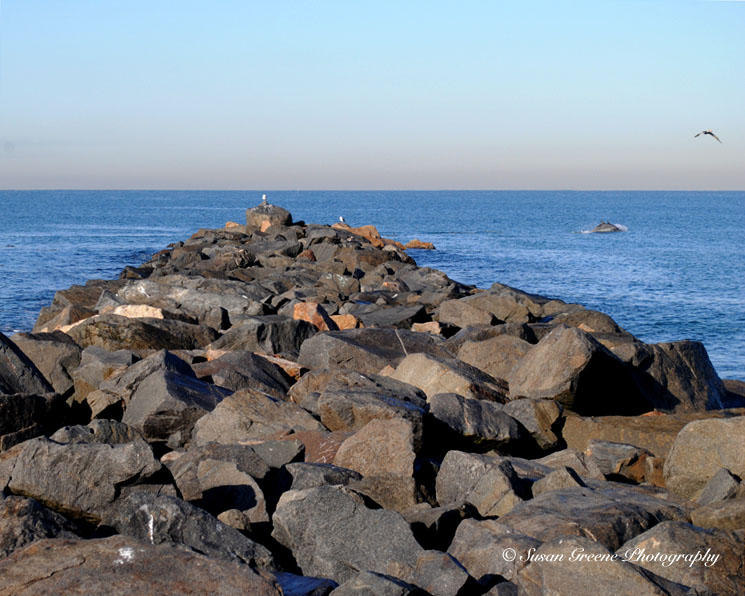
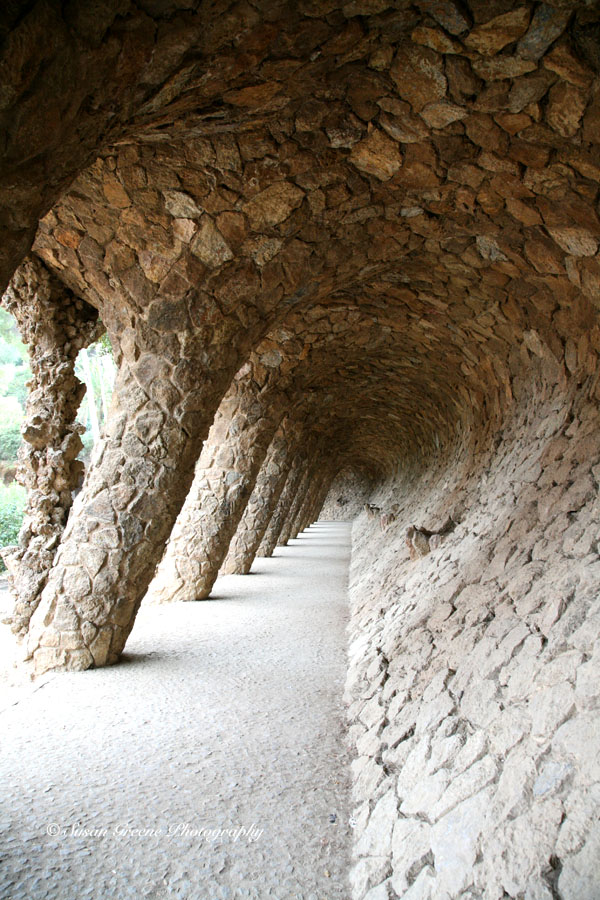
IMG_8010locontrastThere are days when the weather is not perfect, surprise! It may be cloudy or hazy or foggy. But that doesn’t mean you can’t take photos. You will get a different look to your photos those days. They will have a low contrast dreamy look to them because the sun is diffused which creates a more even lighting. The dark black shadows and bright white highlights are tempered.

IMG_2496 lo contrast.JPG I find I gravitate to coastline landscapes on these days, maybe because the fog we so often find ourselves enshrouded in here creates the low contrast lighting and there is a sense of mystery to a foggy coast.

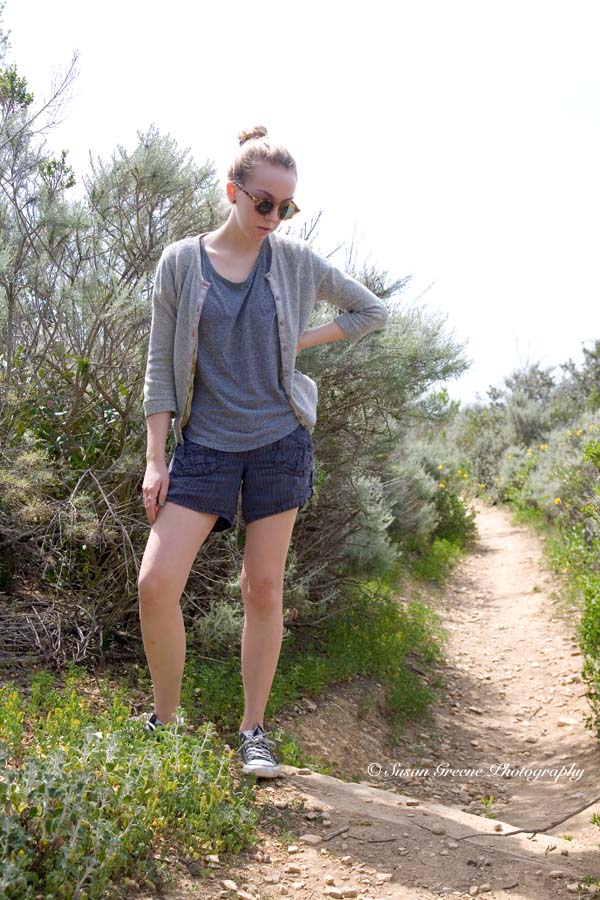
IMG_9227locontrastI have also noticed many catalogs and wedding photographers are using low contrast lighting in their photography. One way to achieve this is to shoot towards the sun and expose for the model which often creates an overexposed background or by adjusting the contrast and brightness in post processing.

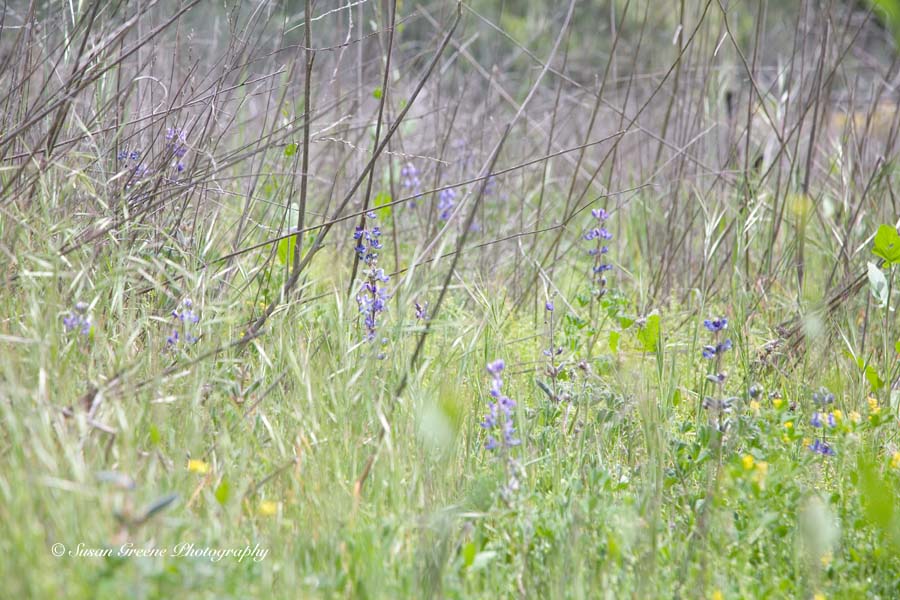
IMG_8000lo contrastSimple subjects or scenes tend to lend themselves to this type of look.

IMG_8020locontrast

Photography using low contrast is yet another method of conveying a mood or feeling to your photos and is fun to play around and experiment with both on location and in post processing.

Dreamily searching out diffusion this week,

~ Susan

Splash of Color

Color contrast adds visual interest and impact to photos. When looking at a color wheel, you notice that one side contains the warmer colors the reds, yellow and oranges and the other side is where you’ll find the cooler colors: blue, green and purple. The colors opposite from each other are considered complementary colors and as such are pleasing to the eye when used in combination. Red and green are an example of a complementary pair of colors.

DSC_0167contrastThe designers of the 7-UP can know this and here I played up the red by throwing a Coke can in to the mix. Blue and orange are another pair of complementary colors.

IMG_2383contrastThe Caribbean is full of color splashes. The towns are often painted with bright yellows, reds and oranges and many of the locals dress in the same bright colors which all complement the beautiful blue sea.

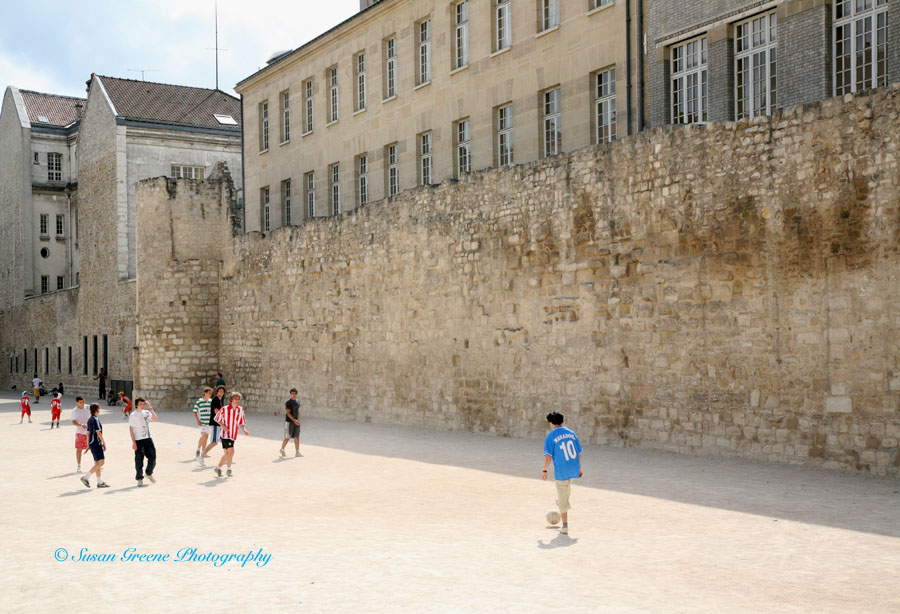
IMG_3862.JPGcontrastColor can be introduced into a monochrome scene to draw the viewer in to the photo. The players here in the vivid hued shirts stand out against the sand colored building and ground.

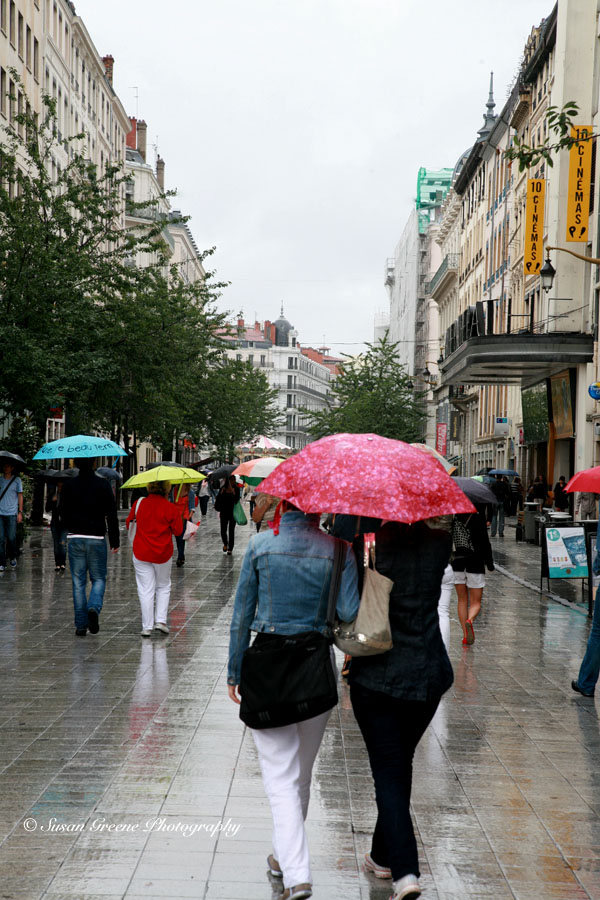
IMG_9307contrastThe gloominess of the rainy day is brightened by the umbrellas and shirts of the pedestrians. Color contrast can be added to a photo by either using a splash of complementary color in a scene of a predominate color, such as a splash of red in a predominately green scene, or by adding bright colors into a neutral toned scene.

It’s yet another tool to use when you are composing your photos. Remember, generally the cooler colors harmonize with the warmer colors.

Here a splash, there a splash.

~ Susan

contrast – CONTRAST

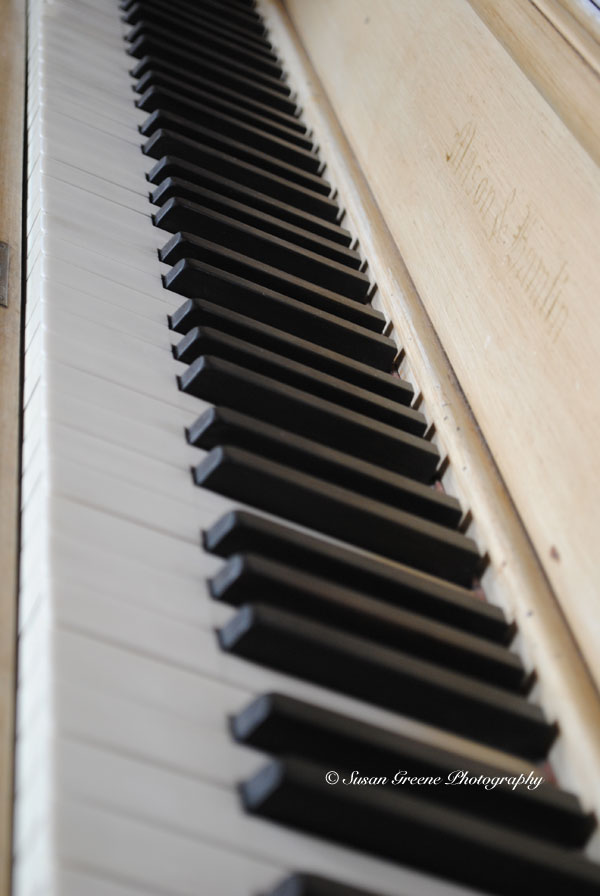
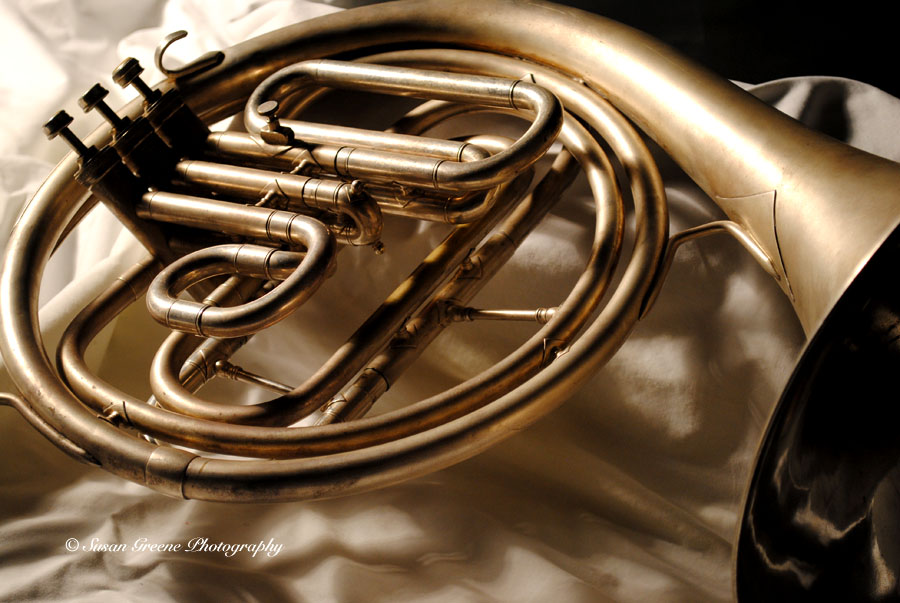
In photography, contrast is one of many tools used to draw attention to your subject while also creating a mood. There are a few different types of contrast. Today, I have tonal contrast on my mind; the difference between the light and dark areas of a photo. When there is a greater difference between the light and dark areas it is considered high contrast and conversely when there is not much of a difference between the two it is a low contrast situation. Higher contrast images tend to be more dramatic and convey a sense of power while low contrast images have a softness to them imparting a feeling of gentleness. There are a few methods we can use to create high contrast images. One is to choose subjects with contrasting colors, such as piano keys.

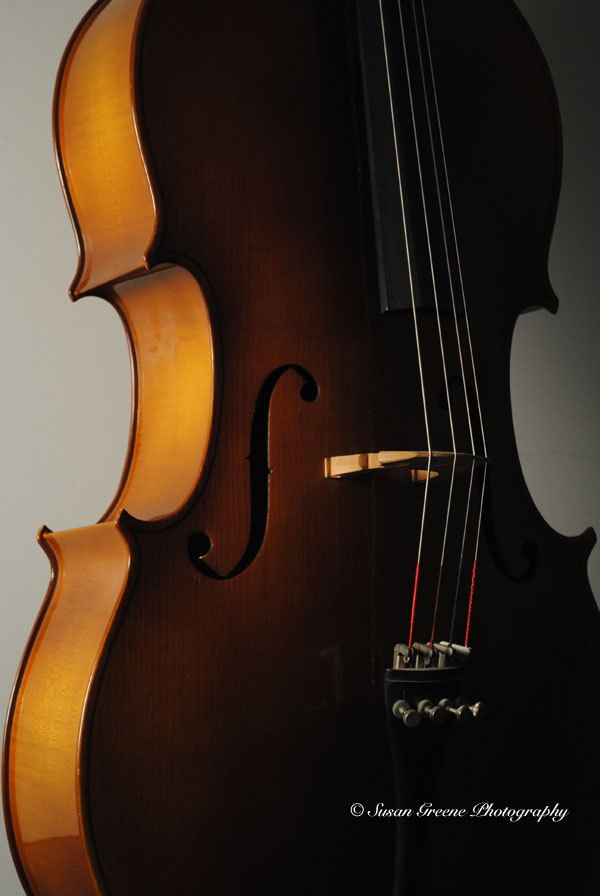
piano keys Adjusting your lighting is yet another way of achieving greater contrast. In a darker room using a strong light source from the side of your subject will bathe that side in light while leaving the rest in the shadows.

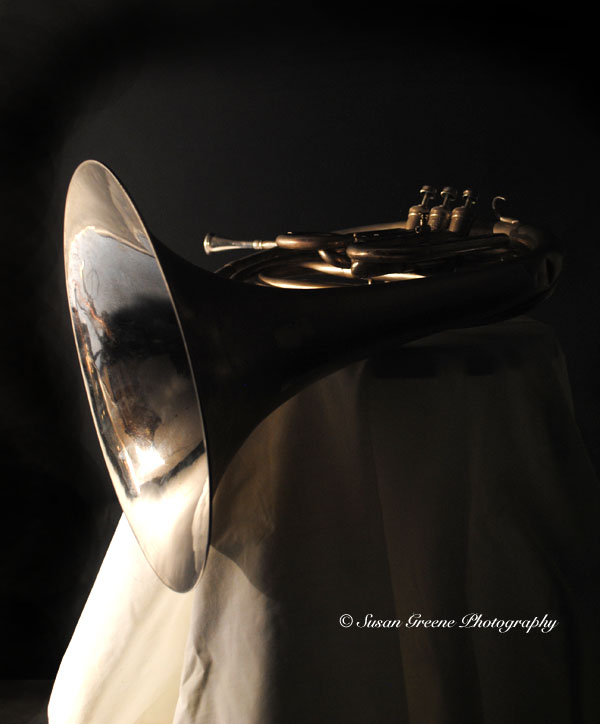
cellofrench hornUsing this technique, you can highlight the area of your subject you wish to call attention to while creating a dramatic mood at the same time. Underexposing your photo by a stop or two, which is similar to adding black to your image, will enhance your shadow areas. If you don’t want such a dramatic difference in your light and dark areas keep your exposure at the proper exposure determined by your light meter.

cello scroll and pegs

french horn

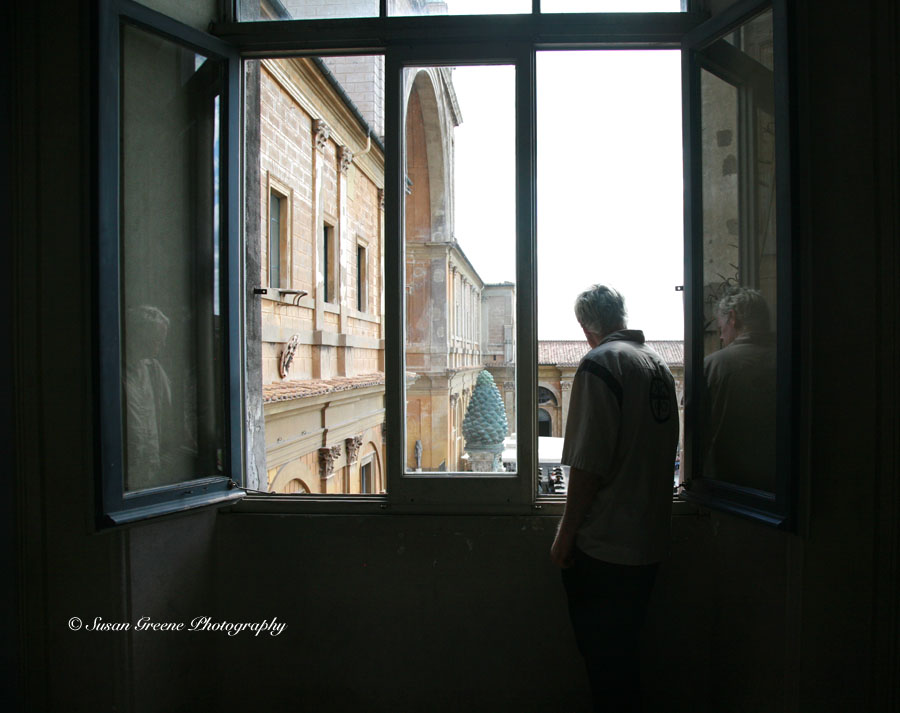
An additional technique for creating high contrast is placing your subject in front of a bright light source (a window or a sunset for example) and exposing for the light source, which results in a silhouette of your subject.

window figure

I challenge you to go out this week and look for the contrast in your world and try to enhance it.

Keeping in mind, “where there is much light, the shadow is deep.” – Johann Wolfgang von Goethe

~ Susan

Creating Lines in Portraits

To wrap up this month of leading lines, I focus on the portrait. My most willing backyard model joined me for a short photo shoot to demonstrate a few poses.DSC_0379portraits

I found some photos taken a few years ago of my backyard model to use as well.

IMG_7378portrait

Limbs, hands and hair are a few of the posing, line producing possibilities. Simply bending one or both arms draws attention to the face.

IMG_4964portraitBending legs and taking the photo straight on or outstretched legs taken from the side are two ways of using the legs to draw the eye to the face. Hand placement near the face is  another way to achieve leading lines. Finally, we used a pose involving bent legs from the side mixed with straight and bent arm with hand by face, a little bit of everything.

DSC_0401portraits

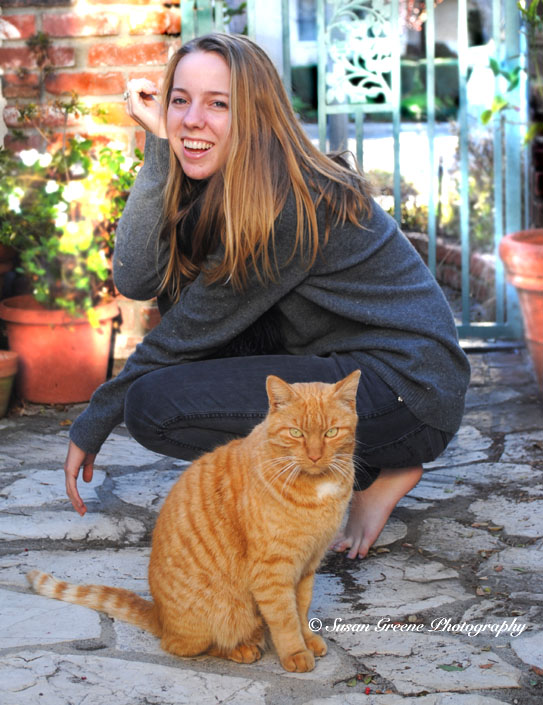
Even a neighbor’s cat wanted in on the action.

There are many possibilities for incorporating lines in poses to draw attention to the face. I have just touched the surface. I hope you will go and try finding a few of your own.

Here’s to finding a willing model.

~ Susan

Look Closer

The use of leading lines as a compositional tool can also be applied to macro photography. This week my search lead me to take a longer and closer look at the world around me. Flowers possess built in leading lines; with the stems leading one’s eyes to the flower and the petals drawing attention to their center.

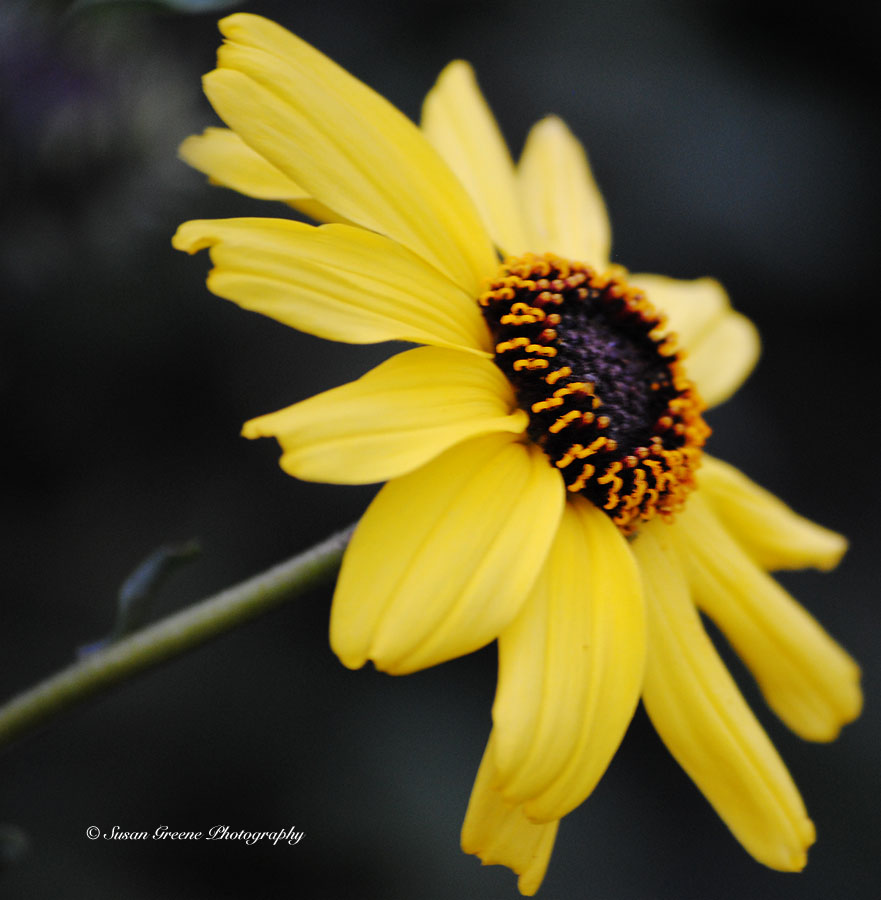
daisy macroBoth can be incorporated in one photo or you may choose to simply use one or the other.

orchid macroOrchids with their colorful, long-lasting flowers certainly brighten a room and make marvelous photographic subjects.

DSC_0314 mac linesThe remains of a tulip flower after the petals fell off couldn’t escape my camera. Even though the color from the petals is gone, I found some beauty in the starkness of the pistil as highlighted by the stems and stamens.

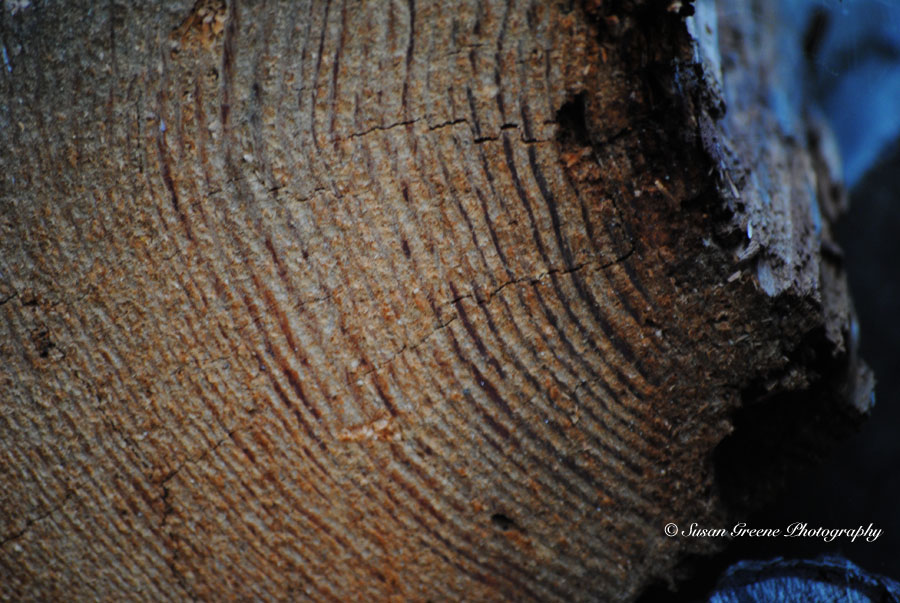
Here, the repeating lines of the woods rings . . .

wood lineslead to the cut side.

The tentacles of the sea anemone create many lines leading one’s eyes to the middle or oral disc.

anemoneYou can also create your own leading line using your hand and finger as a pointer.

sea anemoneI was happy to see that my hand model’s nail polish coordinated with the sea anemone’s hue.

Food also can either be arranged to create leading lines or as in these photos cut to create them.

cut appleWhen cut in this manner the seeds lead one’s eyes to the core.

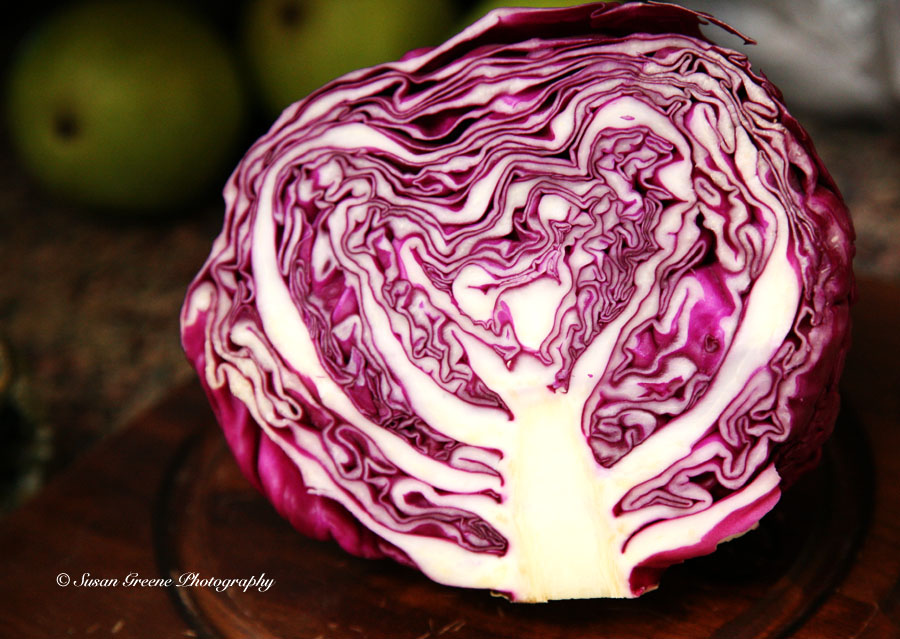
cut red cabbageA cross section of a red cabbage contains so many lines it can be easy to get lost in them but if you focus on the larger lines, they lead to the core.

This week you too can look closer at your world and search out the leading lines there.  Who knows, once you start, you may be lead down a path you never dreamed of.

~ Susan

The Lines in the Sand

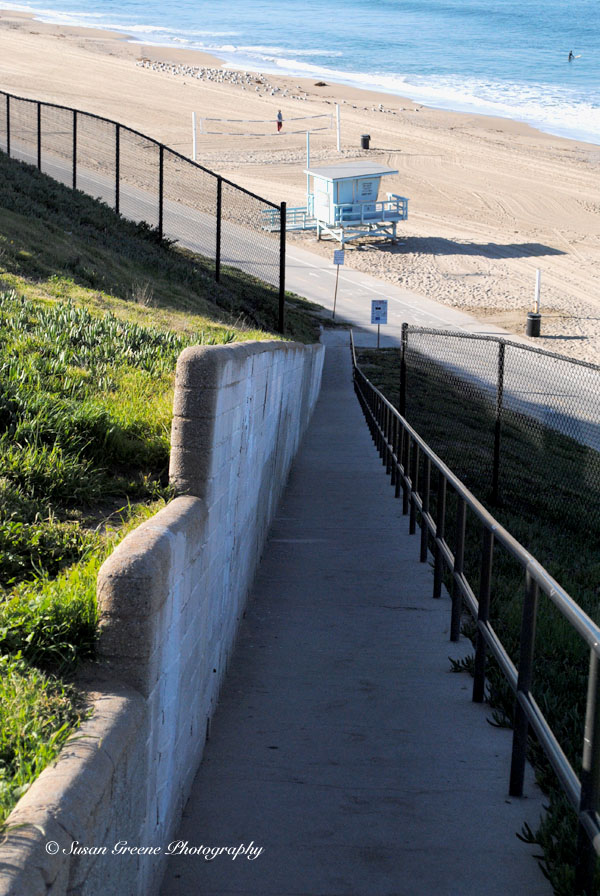
With leading lines on my mind, I recently headed down to the beach. Standing at the top of the ramp looking down, I found my first photo. The lines of the ramp were beckoning me to follow them down to the many possibilities waiting below; surfing, swimming, bike riding, walking, running or beach-combing – not this morning, it’s photography I chose this morning.

DSC_0315beach lines

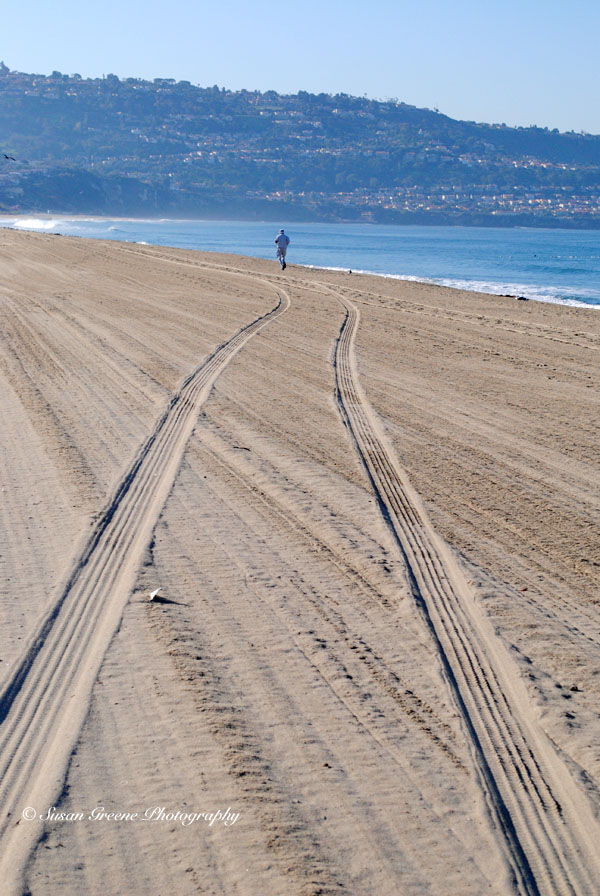
Stopping to take note and looking around I see the lines are everywhere; from the tire tracks left by lifeguard trucks,

DSC_0311beach linesto the footprints left by people and birds,

DSC_0237beach lines

to   the line created by the foam of the waves rolling up to the shore,

DSC_0241beaach linesto the waves combined with footprints.

DSC_0244beach linesEverywhere I look I see lines. The jetty jutting out from the shore as if daring me to incorporate it into a photo and I must comply.

DSC_0264beach linesI got lucky because there was a pod of dolphins playing right off the jetty this morning. I had to thank it for taunting me and capturing my attention, I may have missed those dolphins if I hadn’t.

DSC_0297beach linesIt’s always thrilling to me to see the dolphins so close to shore frolicking in the surf but I can’t forget the people out and about as well.

DSC_0309beach linesThis line of cut telephone poles caught my eye too, there was no stopping me.

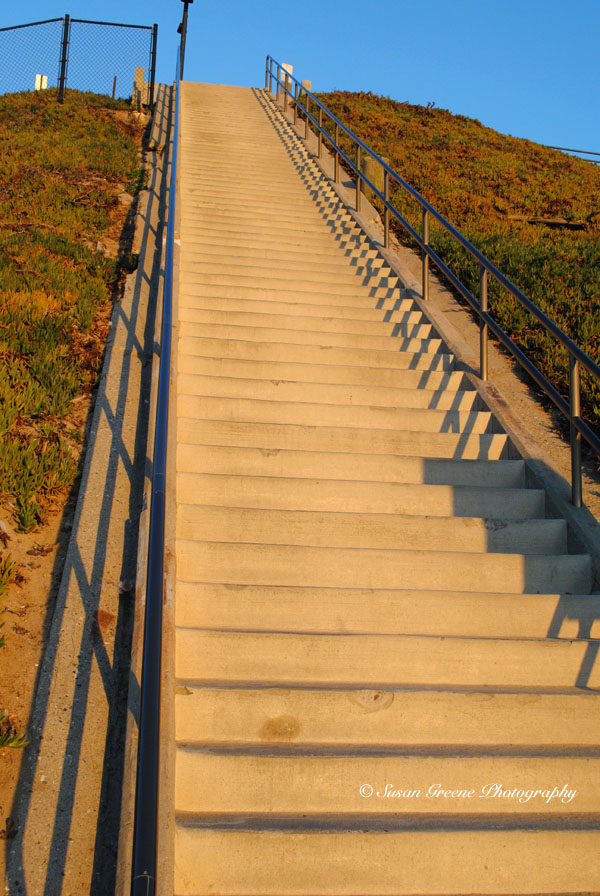
DSC_0262beach linesIn the mornings, these stairs are a well-used exercise spot usually filled with climbers taking on the “stairs to fitness” but this evening they are much quieter – but still as high. I especially like the shadows of the rails at this time of day and how they multiply the leading line effect.

DSC_0253beach linesLooking for leading lines has become a game and a bit of an obsession to me now. This coming week you can find me still looking for the lines but in a different location.

Until next week. . .

~Susan

Read the Lines

It’s February and that means we have a new theme. This month’s photographic concept is leading lines.  Photographically speaking, it is a compositional tool in which the photographer utilizes lines to engage and draw the viewer into the photo and/or highlight a subject.

leading lines children walkingIt can be subtle

LA city hall and musi center fountainor more obvious.

IMG_4433.JPGlead line

Sometimes, these lines will lead the eye through and out of the photo.

Park path leading line

wyoming country roadLines are everywhere once you start noticing and are often created by objects such as a road, a tree line, a building, telephone poles, stairs, there are many possibilities. Your lines  don’t have to be straight; so keep your eyes out for curvy and diagonal lines as well.

Versailles grounds leading linesWith an eye on the lines.

~ Susan

Précis:
Lines in a photo can be used to highlight a subject and bring a viewer’s eye to that subject or beyond.

Practice:
Search for lines to incorporate into your photography this week.
Look for diagonal and curved lines also.
Place your subject in such a way that the lines draw a viewer’s eyes to your subject.

Play:
Look for works by one of your favorite photographers, in a book or online or go to a museum, and see if you can find leading lines in their photos. Take note of how your experience of that picture is affected by these lines.

Embracing the Blur

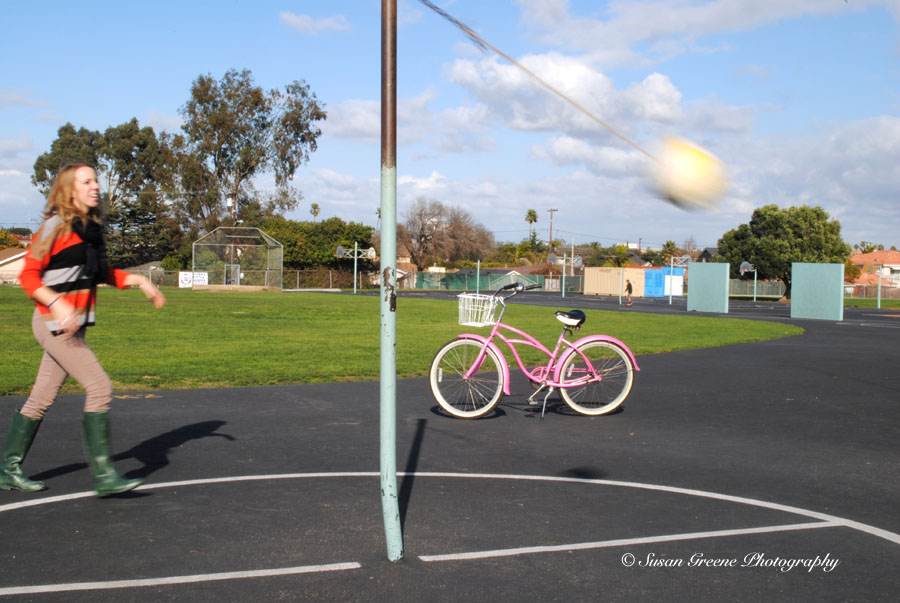
Blurry pictures are not generally a goal in photography. But there are times that blur in a photo is used as a means of conveying motion. There are a couple of different ways to accomplish this. Calling upon my most faithful backyard model for this motion photo shoot, we dusted off the old cruiser bike and headed out. The first way to convey motion with blur is to put the camera on a tripod, compose the scene, set your exposure settings using a slow shutter speed (anything from 1/30 and lower will work) and have something or someone move through your scene.

DSC_0934motionThe shutter speed I used for this was 1/25. I tried a slower one of 1/8 and it was so slow the subject was unrecognizable.

At the playground, a tether ball beckoned.

DSC_0935motionSo, we set up and had some fun here.

DSC_0940motionFor old time’s sake. . .

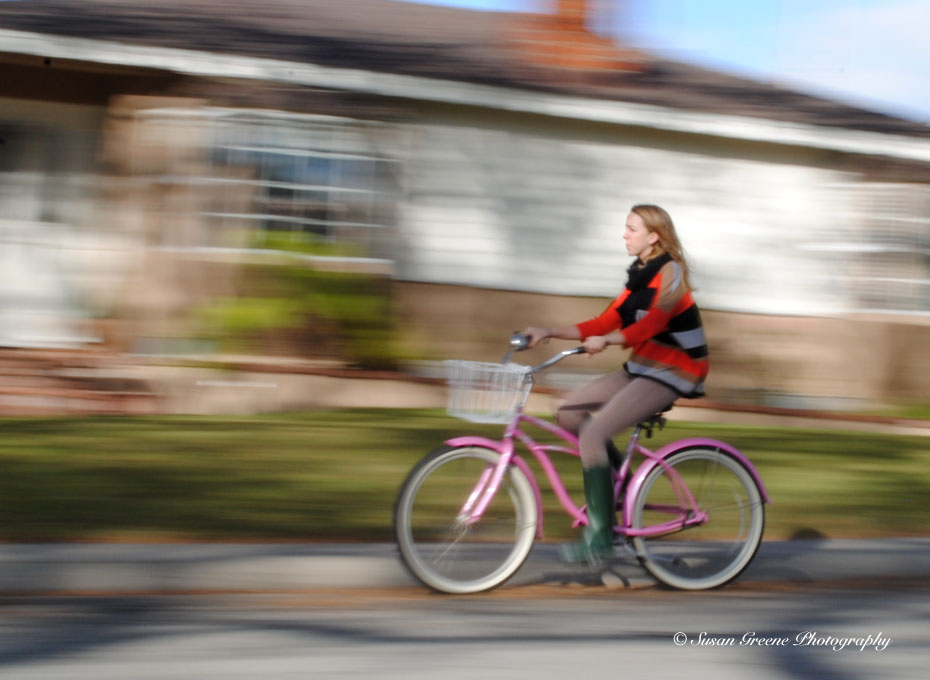
DSC_0943motionAnother method of conveying motion is panning. This involves following a subject with your camera creating a blurred background and focused subject.

DSC_0952motion1To achieve this effect, use the tracking mode in auto-focus (or as an alternative you can preset your focus to the spot you will be capturing your image), a slower shutter speed  (once again anything from 1/30 down), holding the camera very steady follow your subject in the viewfinder and moving the camera in the same direction as your subject, shoot away. A fluid movement is key to this effect. If there is any jerkiness your subject will also end up out of focus. A mono-pod or tripod can be used but sometimes this is more troublesome, the choice is yours. This works best for subjects moving in a predictable motion that remain at a constant distance from you; subjects moving in a line parallel from you. Cars, bikers, joggers and pets (anything moving really) are all fun subjects for the panning technique. It can be tricky and may require some practice but is a fun tool to add to your photographic toolbox.

So go on and get out there and embrace the blur!

Shih tzu dog at play

~ Susan

Précis:
Blur can be used in photos to convey motion and this can be achieved by using a slower shutter speed and keeping your camera still on a tripod while an object or something moves through your scene creating a blurry subject and focused background or by using a slower shutter speed and moving your camera with your subject creating a blurry background and sharp subject.

Practice:
Think of things in motion you everyday and how you can convey that motion in a photo.
Using a tripod, set up and capture the blur of something moving while the rest of a scene stays in focus.
Pan your camera with a moving subject. This may involve taking many photos to get one but it’s worth it.

Play:
Call upon your most faithful model and set up a scene with them in motion. Could be jogging, skateboarding, bike riding, scootering or even simply walking with gusto and try using both motion capturing techniques on them. Play around using different shutter speeds also.

It’s a Wild Life

I am a paparazzo. Positioning myself in the optimum position to capture the subject while trying to remain hidden so as not to spook it. There have been rumors of sightings. I have actually seen them here before, in this exact location, but this time they are proving to be elusive. I lay on the ground as flat as possible behind a large bush, checking the camera settings; at the ready, finger on the shutter. . . there he is! Snap!_MG_8627birds
It’s a goldfinch! Joining another one for breakfast.

_MG_8625birdsNot unlike celebrities going about their daily lives, birds are difficult subjects – camera shy, flighty, never staying too long in the same spot – downright evasive.

IMG_0893birds

Sometimes you get lucky and are able to catch them at rest.

IMG_0885birds

Giving you more time for focusing and composing the shot.

_MG_4522birds

More often than not though, you will be trying to capture a moving object . . .

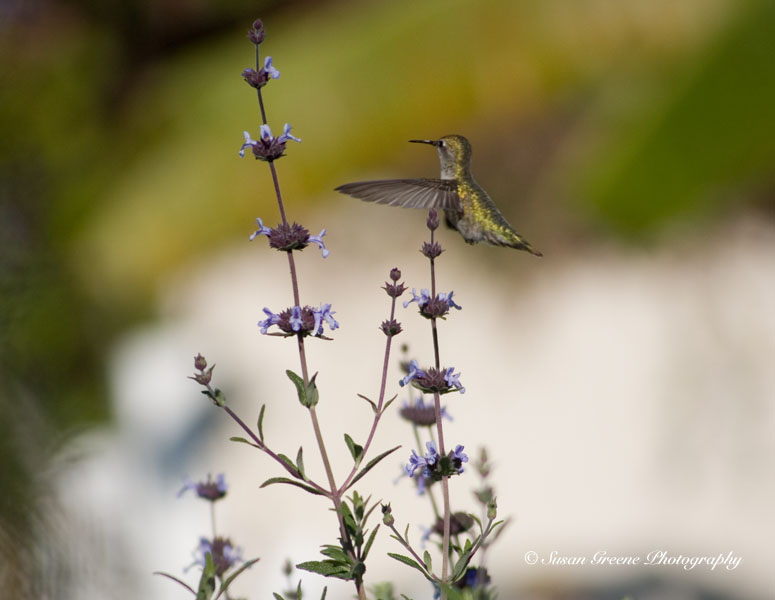
hummingbird and sage

When trying to get that shot, and focus on the avian subject, you have choices. You can use auto-focus or manual focus. When choosing, auto-focus there are options within that choice – the options I describe pertain to Canon cameras, so if you have another type you will have to refer to your user’s manual for the exact terms for your camera. The auto-focus options are:  One Shot mode – which is used for still subjects,  AI Servo – for moving subjects ( if the subject is moving and the focusing distance keeps changing the camera tracks the subject) or AI Focus – for switching between the two ( if the subject is still and then moves it will switch to the AI Servo mode from the one shot mode). The auto-focus mode can be nice for capturing active subjects out in the open.Take your camera to a location where you know those celebrities congregate out in the open; perhaps near your local watering hole.

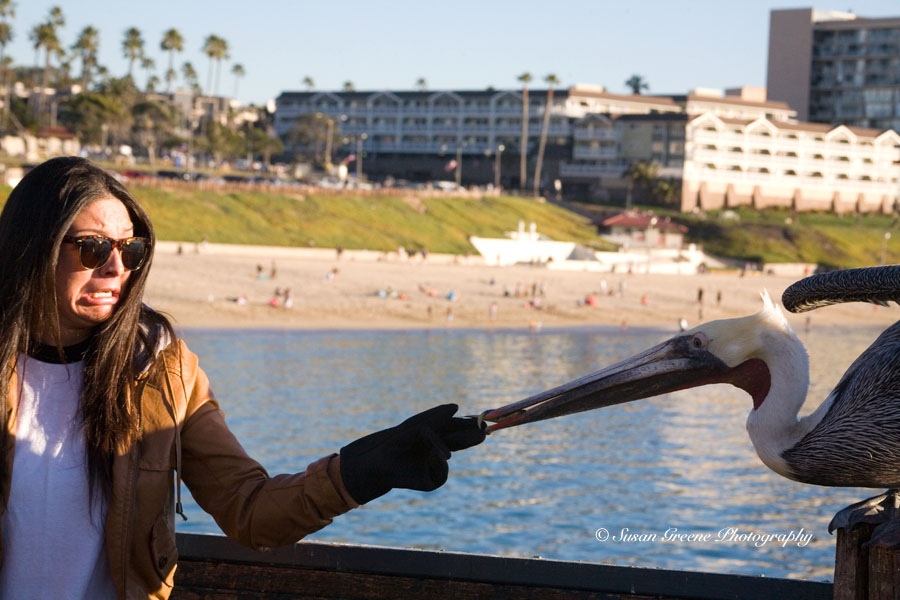
pelicanStart in either the AI Servo or AI Focus modes and shoot away.

_MG_8569birds

Often, our feathered friends choose to hang out in trees or on bushes with a lot of branches. This can create a problem with auto-focus because if the bird takes flight the camera will sometimes try to focus on the branches. The other option is manual focus discussed last week.  If having trouble in auto-focus mode switch to manual focus and see which setting works best for you in your situation.

Sometimes those avians can be very accommodating. . . “I’m ready for my close-up!”

_MG_8552birdsKeeping both eyes focused in the trees.

~ Susan

Précis:
When using auto-focus there are options as to how the camera handles the focusing of a subject. If your subject is still use One Shot mode, if your subject is moving use AI Servo mode and if your subject will be still at times and then move choose AI Focus mode.

Practice:
Use auto-focus in each of the three different settings and conditions this week and see how your camera responds. Birds make excellent action subjects but choose whatever you like.

Play:
Become a bird paparazzo capturing your subjects by being as unobtrusive as possible so you can catch them acting naturally, or catch them before they fly away!

Take Back the Control, and Focus

Cameras are great! They are tools for capturing our lives and expressing ourselves, but there are times when they just don’t get it right. Using the auto features on a camera will often work and produce the desired vision but … it’s those times when they don’t that can be exasperating. There are certain situations, when using auto-focus, the lens will have trouble bringing into focus what you want in focus. Low light, low contrast, trying to take a picture of something behind another object and active subjects are all situations that can bring on the frustrating state of the lens searching for focus but never achieving focus lock. There is a solution! Slide the button on the lens over to MF (manual focus). Follow me as I tackle some of these situations on my photographic journey . . .

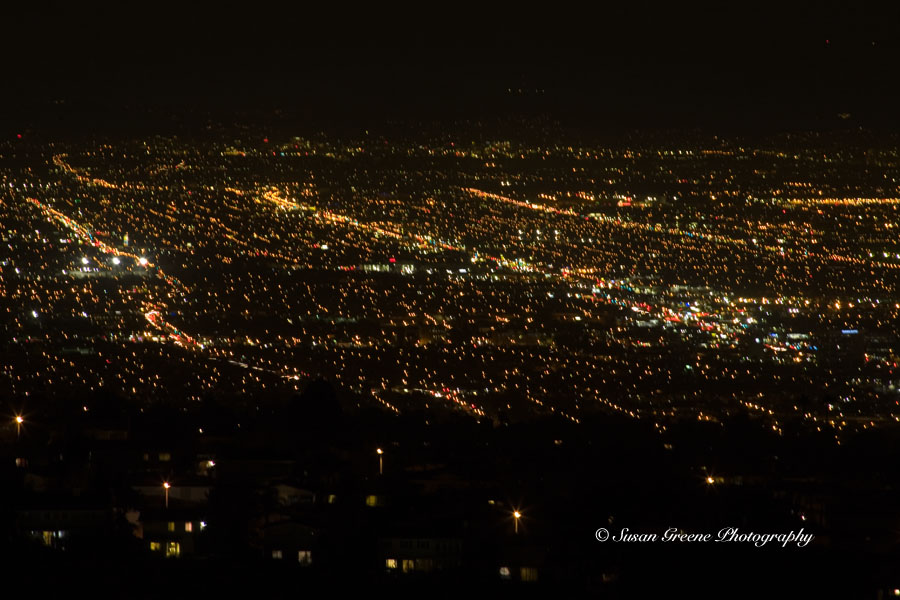
We have had some clear nights here in Los Angeles lately and the city lights have been shining and twinkling brightly. Wanting to capture the lights of downtown with the outlying suburbs, I drive to my favorite city light vantage point, set up with a tripod and find that in the low light of night, manually focusing the lens is the best way to achieve focus.
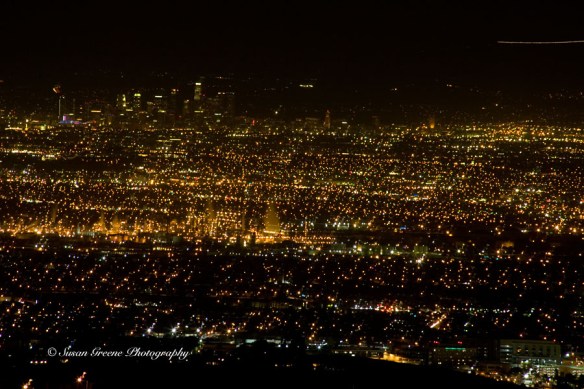
_MG_8386It makes me feel as if I am in an airplane looking out at the lights below.
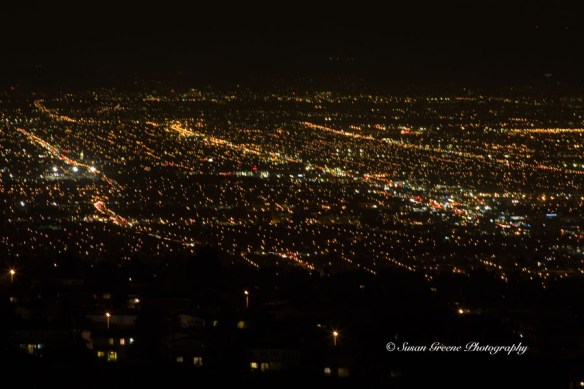
_MG_8389

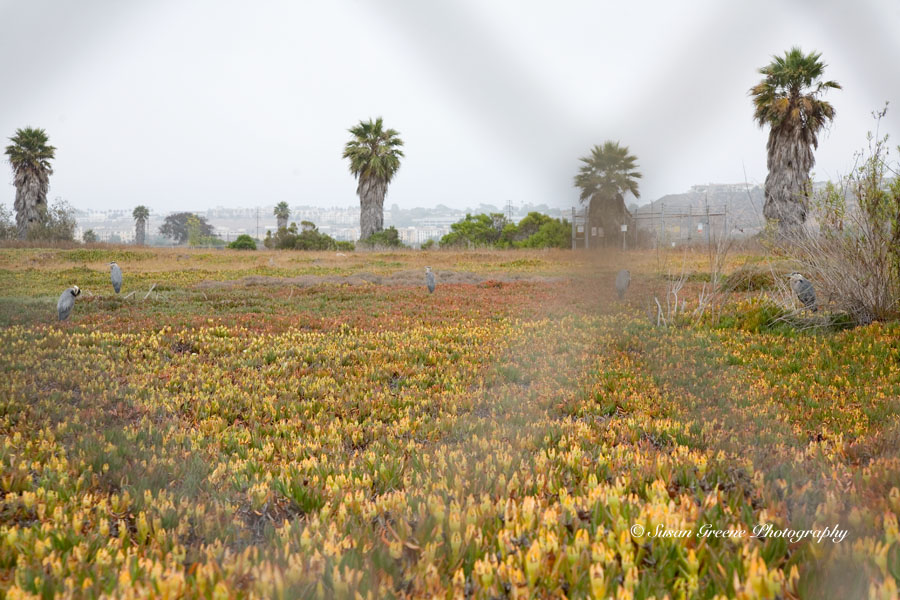
On a recent bike ride, I spot five great blue herons in a field behind a chain link fence. This is a rare occurrence in my experience on this bike path, the most I have seen before is three. Wanting to capture all five in one shot but not being able to get around the fence, I put the lens in manual focus and use the focusing ring to focus through the fencing. Maybe not the ultimate shot but I was able to capture it nonetheless._MG_5542

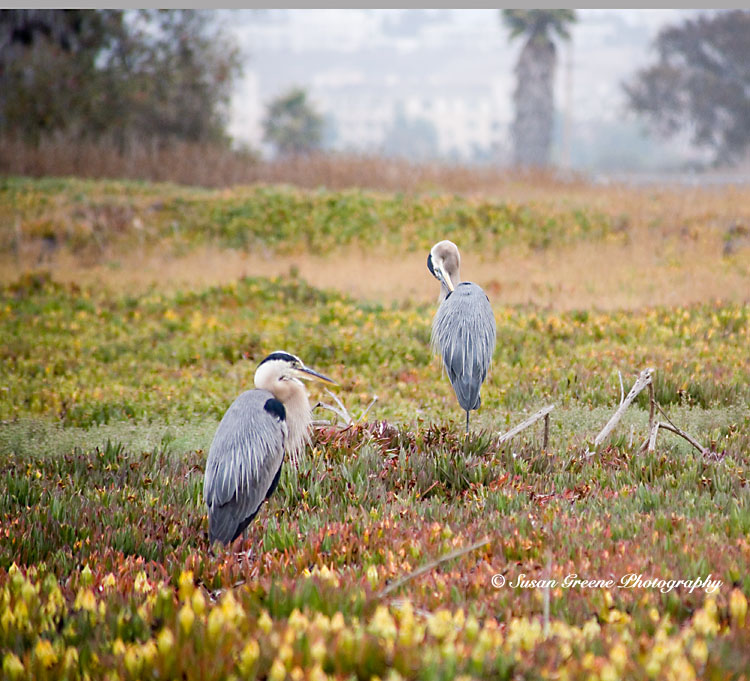
Can you see them? Then, I kept manually focusing, so any fencing wouldn’t interfere with my intended subject, and zoomed in on them, one and two at a time, through the links.

_MG_5545 _MG_5548

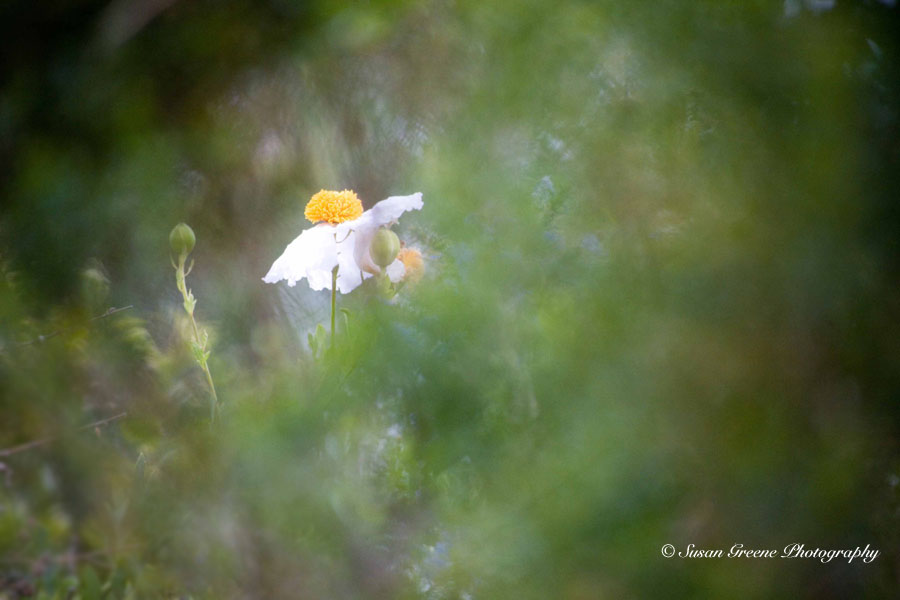
Sitting in my backyard, I notice the flash of white of a Matilija poppy peeking through the other foliage in the garden. I decide to take the shot through the other foliage, which is out of focus, and thus creating a frame of sorts for the poppy.

matilija copyA hummingbird is flying around a sage bush searching for nectar, so I focus on the area using manual focus and capture it. Pre-focusing on the spot the subject is expected to appear is a technique to use to help you get the shot.
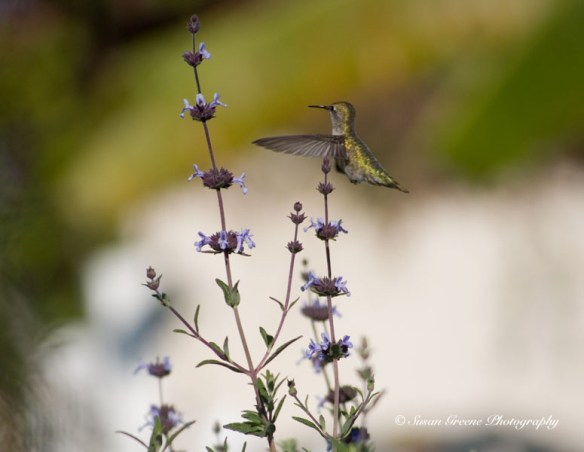
hummingbirdThe pre-focus technique will work for sports, dancing, anything where the subject is in motion and is in a fairly predictable location. Simply focus on the spot the subject is expected to appear using the focus ring in manual focus and take the shot once the subject enters the frame.

Now you are ready to take on some difficult shooting situations and conquer them!

~ Susan

Using Catherine’s lovely alliterative terms from last week,

Précis:
The camera doesn’t always get it right in auto modes. Certain situations, such as low light, low contrast, moving subjects and subjects behind another object, are best approached with the lens in manual focus rather than auto focus.

Practice:
Familiarize yourself with your lenses and the manual focus ring on them (it is different from the ring you turn on a zoom lens to zoom in and out.) Think of situations where you have had trouble focusing in auto-focus. Go out of your way to put yourself in those situations this week.

Play:
Get creative in low light or shooting through objects. Take a portrait in candle light or in a garden search out a flower or fruit hiding behind leaves and see if you can capture it through manual focusing.