Searching the Depths

“I can’t believe it’s December! Where has the year gone?” These phrases are uttered often at this time of year.  Personally, I can’t believe we have arrived at our last month of focusing on a photographic term. It seems like only last week we were compiling the list, challenging ourselves to concentrate on one subject a month. Wrapping up this photographic term-of-the-month year will be a closer look into depth of field.

Depth of field refers to the range of distance in an image where objects appear acceptably sharp. Sometimes, a photographer chooses to keep most of an image sharp which is known as deep depth of field. Other times, just a small part of the photo is kept sharp, thus emphasizing the subject by separating it from the background and foreground by making them blurry or indistinct, this is known as shallow depth of field.

DSC_0244One of the main methods of controlling the depth of field is the aperture. The aperture is the opening in the lens which lets light in and can be adjusted, becoming larger or smaller. The larger the aperture, represented by a smaller f-stop number, the shallower the depth of field. This week I am contemplating deeply. Deep depth of field is achieved by using a smaller aperture, a larger f-stop number. The f-stop for the photo above of Griffith Park Observatory on the hill was f/8. In the next photo, the f-stop was 13.

_MG_9157The kite surfers are at varying distances from me yet they are all reasonably sharp.
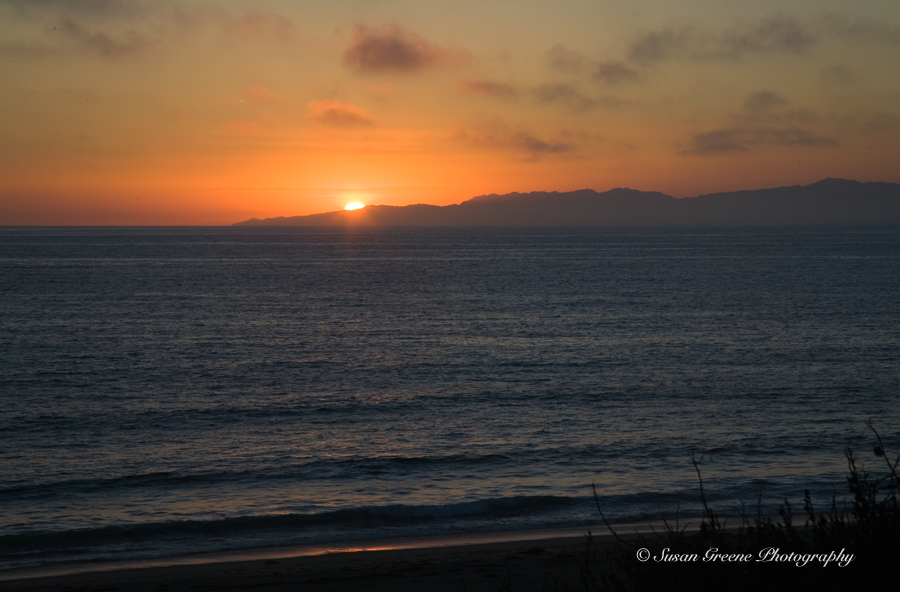
_MG_8802An f-stop of 16 enables the water’s surface to be sharp in the photo above.

It can be beneficial to occasionally sit back, entertain deep thoughts about what you are trying to communicate with your photos and whether the use of a deep or shallow depth of field could be one of the methods of accomplishing your goal.

This week will find me out in the field,

~ Susan
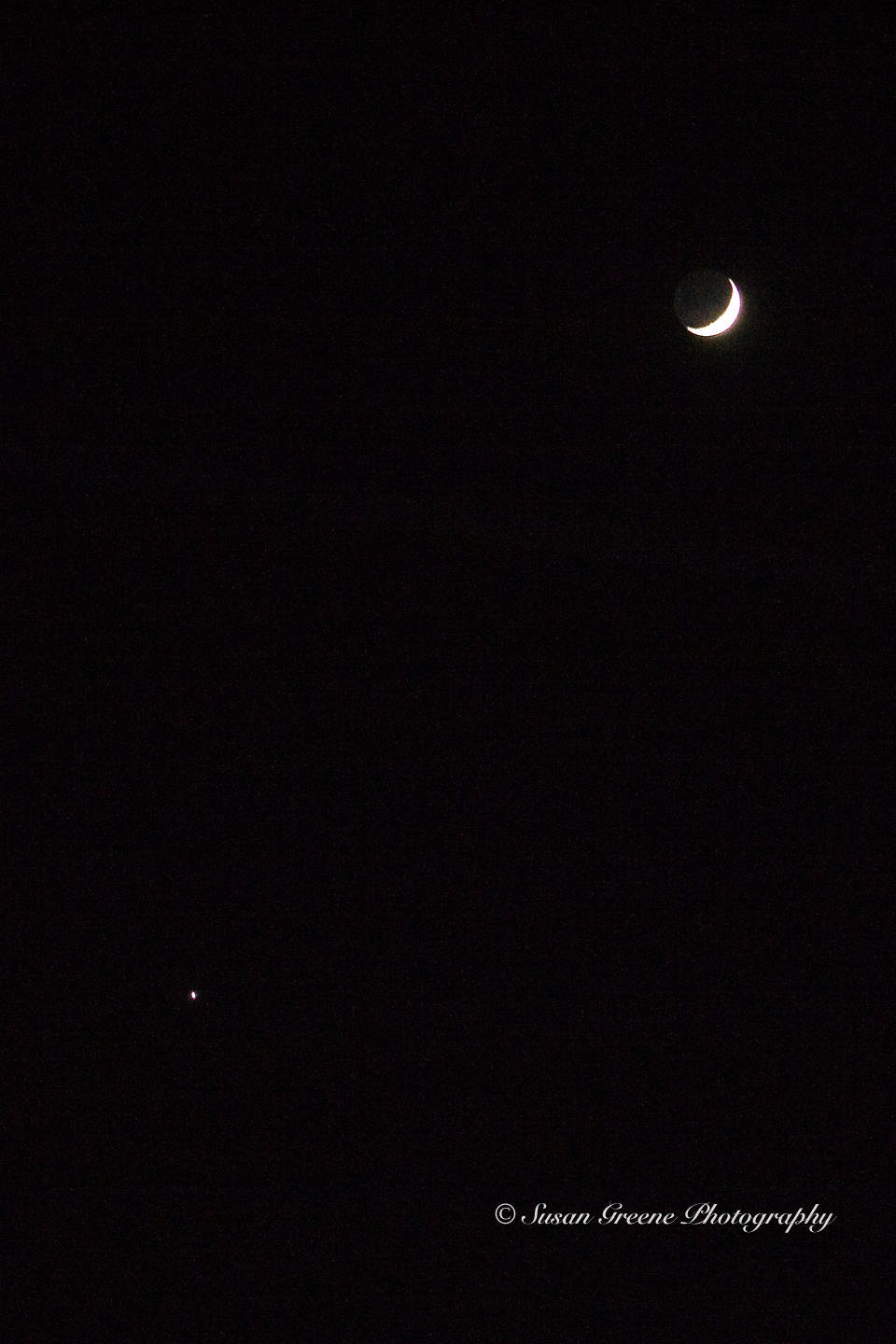
Hey There, Man in the Moon!

Wrapping up this month’s shadow exploration prompted me to turn my camera towards the moon. I have always had a fascination with the moon, maybe it comes from growing up during the Apollo space program and watching the astronauts bouncing around on its surface or liking the idea of a “man in the moon” watching over us and keeping us safe at night. Whatever it was, I have been admiring and photographing it for years.  _MG_2264

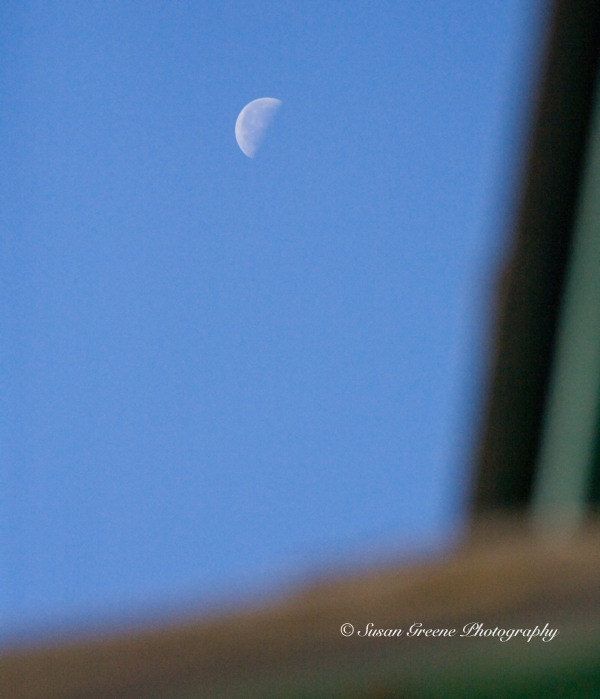
The moon is continuously lit by the sun on one side. We see changes in the size of the illuminated part due to our location in relation to the moon at different times during the month. The lit portion is most easily observable, the rest remains shadowed. However, the shadowy bit is often faintly visible – not when it makes a daytime appearance though.

_MG_2486During a full moon, is the optimal time for examining the shadows of the surface and searching for the face of the “man.”

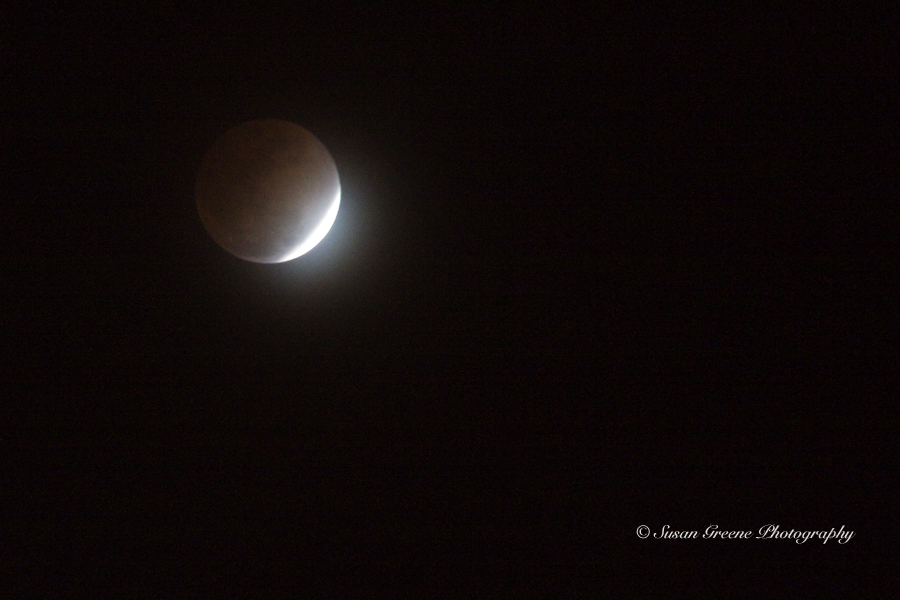
_MG_2447Occasionally, the moon,earth and sun line up in such a way that the moon passes into the earth’s shadow creating an eclipse. On February 20, 2008, there was a total lunar eclipse. Seeing the earth’s shadow slowly makes its way across the moon thrills me.

IMG_1910

IMG_1928Photographing the moon can be tricky, since it is a very bright object against a very dark background. First of all, a tripod is highly recommended along with a remote release, or using the self-timer on your camera will work if you don’t have a remote. A low ISO, 100 or 200, and smaller aperture, f16 or greater, are recommended for capturing the details of the surface. The shutter speed is what you will adjust for a proper exposure, a slower shutter speed will inevitably be necessary, explaining the need for the tripod. It helps to use a long telephoto lens. The moon is relatively small in the big sky and using a telephoto lens will bring it closer to fill your frame, 300mm lens or longer is recommended. Use the spot meter on your camera to obtain the correct exposure for the moon. Sometimes, you may have to improvise. Recently while riding in a car I spotted a moon shot I wanted to take but with no tripod I adjusted the ISO higher and aperture wider.

_MG_2265

Adding elements to your image along with the moon can add interest and a sense of place.

Looking to the sky and hoping to see the man in the moon.

~ Susan

Shadow Study

As we examine shadows and their use in photography further, today I am offering a few photos which capture shadows for different purposes. Shadows can add dimension to an image.

IMG_1785 shadowIn the winter, the surf will sometimes be very large, for our area, and cause erosion of the sand leaving a sharp drop off winding its way down the shore. The shadow reveals the path.

St Croix walkwayThe shape of the arches is repeated by the shadows on the ground.

_MG_5629 shadowsShadows are functional also.

The shadows of clouds on the ground, in landscapes, is a favorite of mine.

IMG_9234 shadows

IMG_4956 shadowsStill looking on the dark side,

~ Susan
The Weekend Dish – Maple Roasted Butternut Squash

There is something about eating seasonally that just makes sense. It’s better for the environment (no shipping produce far distances). The cost of seasonal produce is usually less because there is a relative abundance of it during it’s local season. Since shipping from other parts of the world or hothouse growing are unnecessary it has the added benefit of tasting better too. Even though we are accused of not having seasons here in California, the number of tomatoes in our garden is slowly dwindling and squash are in the markets and community gardens.

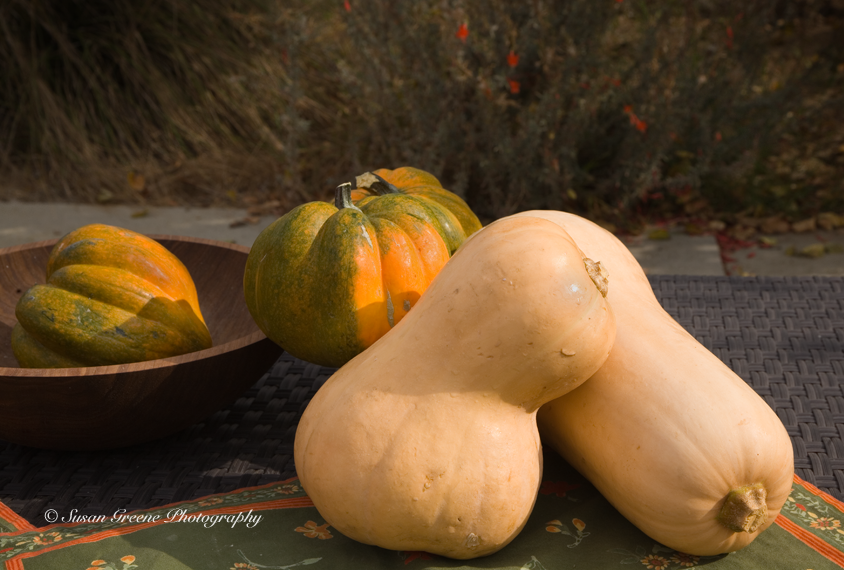
_MG_2396I find I crave seasonal foods during their season. It’s fall here and that means squash. This squash dish pairs well with many main dishes: poultry, fish, and beef for a few. The hardest part of this recipe is preparing the squash for the oven.

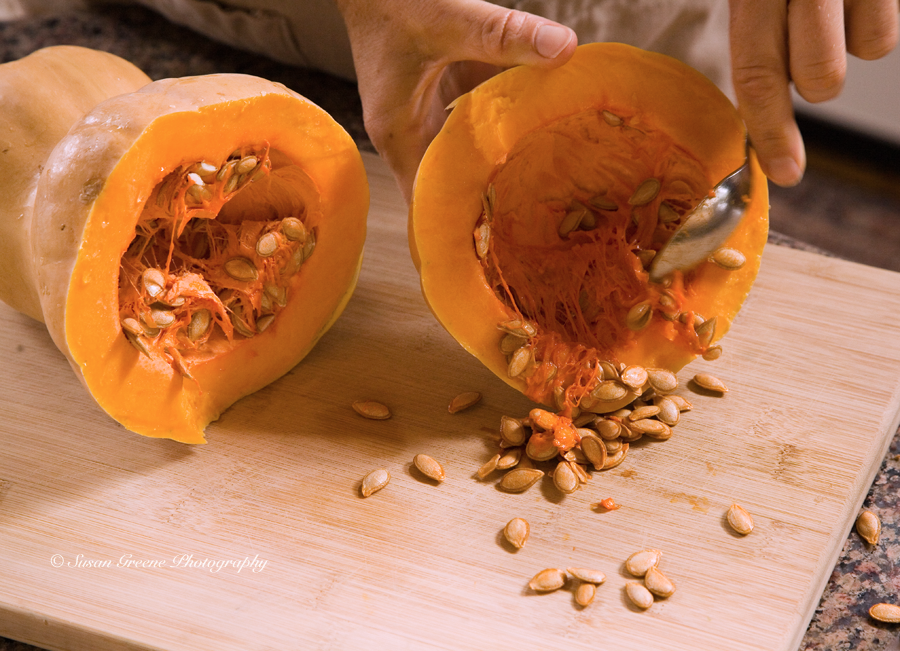
First, cut open the squash and scrape out the seeds.

_MG_2407Next, peel it.

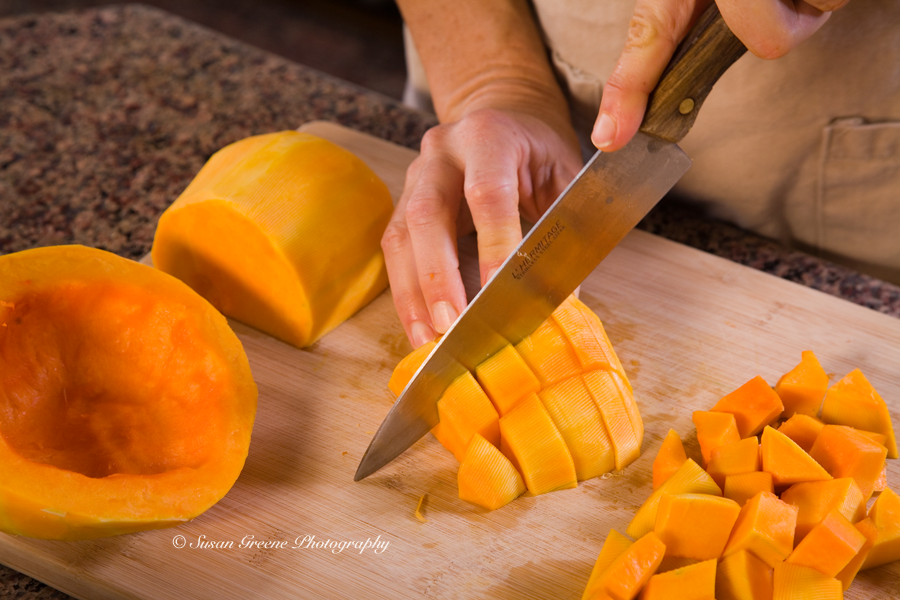
_MG_2409Finally, cut into about 1-inch sized cubes.

_MG_2415 Place the cut squash on a rimmed baking sheet and add olive oil and maple syrup – I like to incorporate the oil by mixing it with my hands (after washing thoroughly of course).

_MG_2420After adding the seasonings and baking, filling your home with the smells of fall, you will be rewarded with a scrumptious, versatile side dish.

_MG_2430

Maple Roasted Butternut Squash

  • 1 medium butternut squash – seeded, peeled and cubed into 1- inch sized cubes
  • 3 Tbsp olive oil
  • 1/2 onion cut into small-medium sized pieces
  • 1/4 cup maple syrup, I like the real maple syrup
  • 2 tsp dried sage, I like sage a lot, you can adjust this to your tastes
  • salt and pepper to taste

Preheat oven to 350°.  Add squash, onion, olive oil and maple syrup to rimmed baking sheet in a single layer and stir with hands, or spoon, to coat the vegetables with the oil and syrup. Add the seasonings and stir a bit more to distribute evenly. Bake for 35-45 minutes or until squash is soft and beginning to caramelize a bit. Serves 6-8.

_MG_2432

This would make a nice Thanksgiving side also. Here’s another squash recipe from earlier this year if you are feeling like variety in your seasonal vegetables.

Bon Appetit,

~ Susan
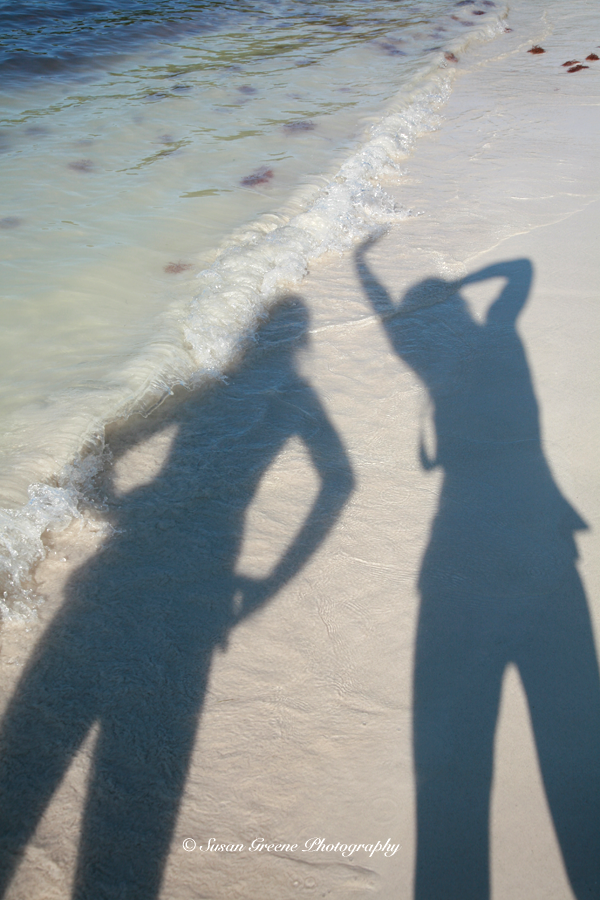
Prints in the Sand

Walking in the sand, head down, lost in the search for textures, it struck me. No, not a bird dropping or any other such beach related object, but the idea that the sand at the beach,  is like a mini sand dune and the texture of the surface is revealed through shadows. The indents and dips created by the movement of man, animal and machine traversing from path to shore produce patterns and reveal clues to the activities of those who have tread before.

tire track in sandThe smooth sand is as smooth as a blank canvas and has no shadows but add the imprints of feet, tires, rolling balls or dragged surfboards and an image is exposed.

bird feet prints in sand

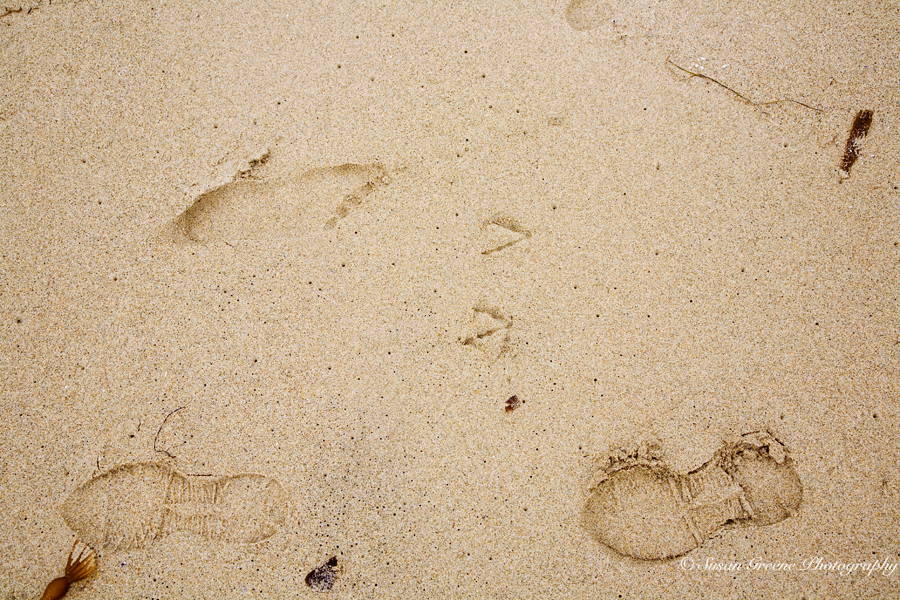
The sand above was stirred up by a machine but only partly disturbed, the rest remains smooth except for the tell tale sign of a visit by a seagull.

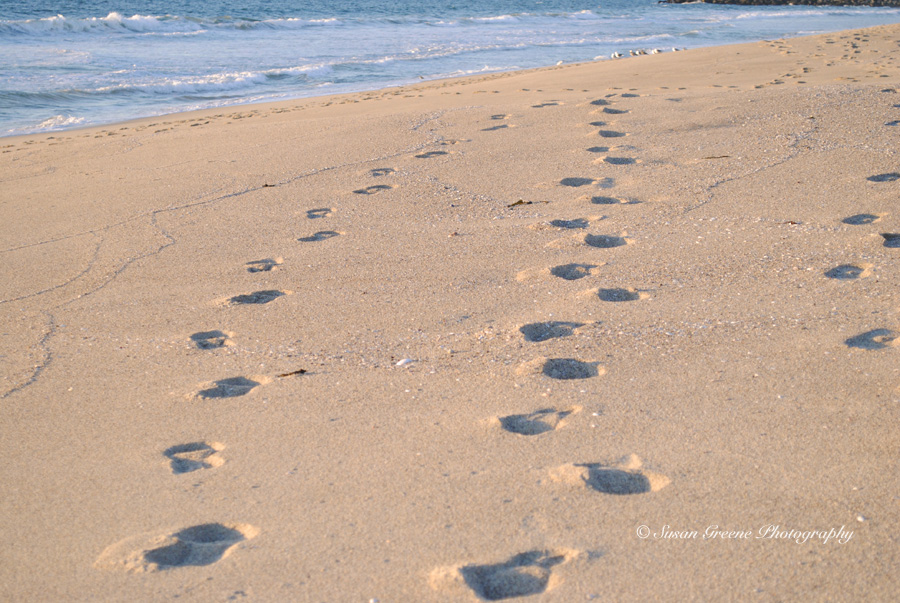
_MG_2347The deeper the imprint the darker the shadow.

_MG_2352There seems to be evidence of a dog having been in this section, maybe chasing after the bird.

_MG_2360A barefooted stroller as well as a sneaker clad one and a seagull left evidence of having passed this way.

DSC_0235Later in the day, the shadows are longer and the textures even more pronounced.

Try a texture revealing shadow hunt yourself. It offers another way to see the world around you.

~ Susan
Shadow Play

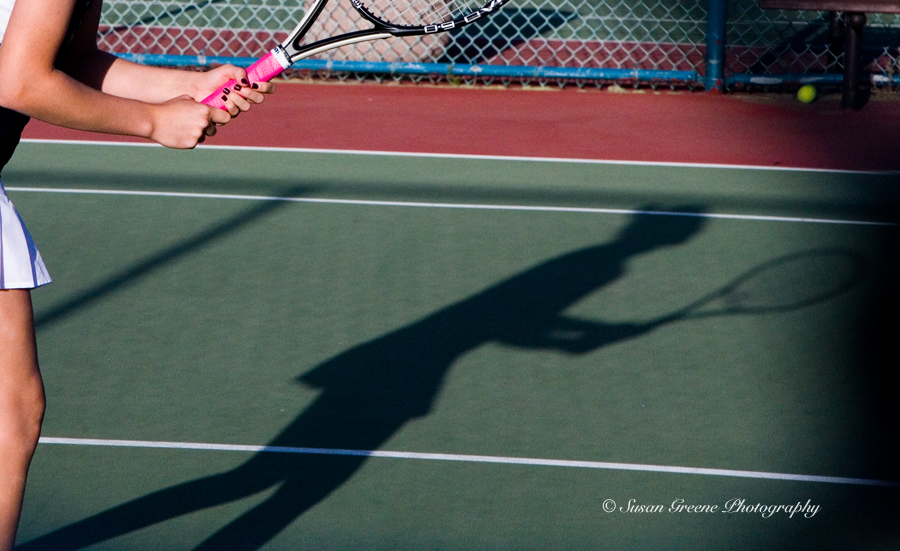
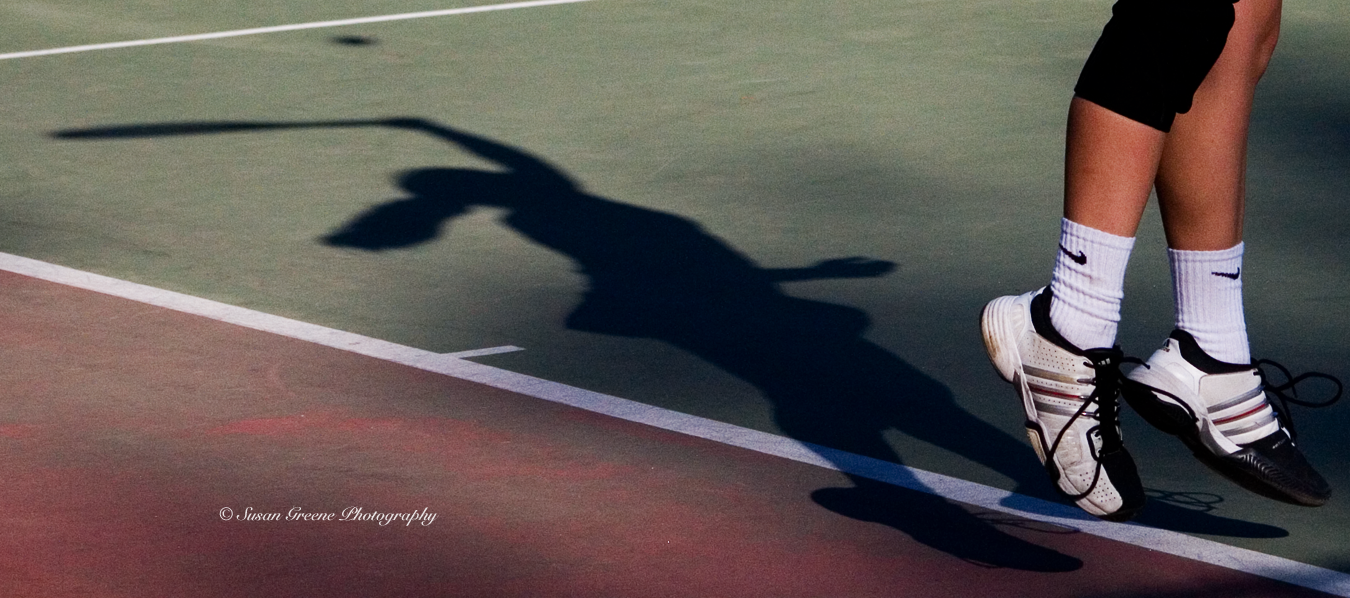
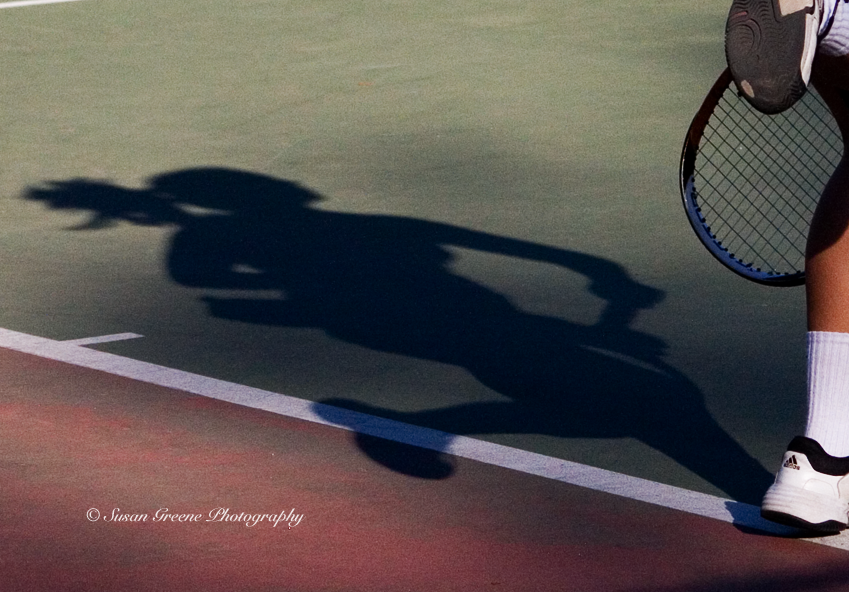
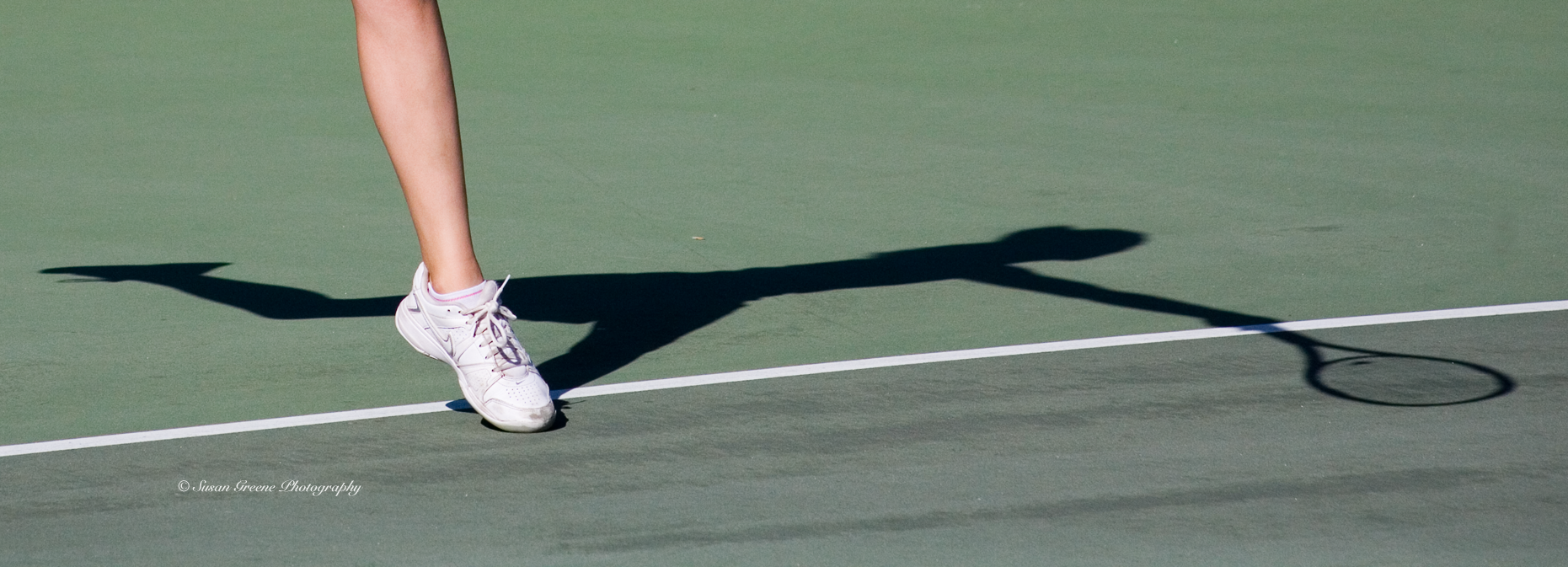
This month, we are turning to the dark side, shadows that is. We will explore shadows’ effect on your photography; either as a subject or using them to create mystery, add texture and highlight forms. Using a shadow as a subject, can add interest and mix things up a bit in your photography. Tennis season is winding down and I have been photographing the girls in action quite a bit. I noticed the position of the late afternoon sun during the matches causing long shadows to be cast from the players.

_MG_2075-2It creates something different from the usual tennis action shot. Here is study of a serve in shadows. First the toss,

_MG_0986

next, the swing,

_MG_0983and finally, the follow through.

_MG_0984Part of the original subject can be included in your photo,

tennis player shadow

_MG_1202

or both the original subject and the shadow.

_MG_1206The shadow selfie is one unique way to capture a special time.

shadows on beachAll month, I will be singing “Me and My Shadow”, the children’s version. In case you haven’t heard it before, you can click here.

Keeping an eye on the shadows,

~ Susan
The Weekend Dish – Split Pea Soup

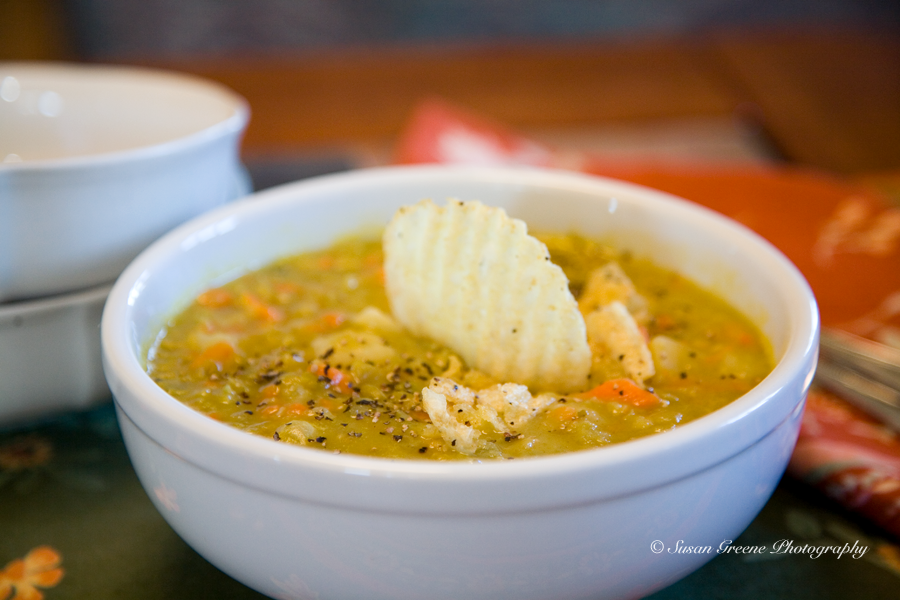
_MG_2204There are some food traditions that are shared by many, turkey and stuffing on Thanksgiving and ham on Easter to name a couple, and then there are food traditions shared by families – split pea soup on Halloween is one of those in our family. Our mother began serving the traditional meal when we were little. She had the revelation while trying to come up with something quick to make ( it was usually accompanied with hot dogs), on a night when time flies by with costume preparations. Her ultimate goal: that we would have some “real food” in us before heading out trick-or-treating and eating a bagful of candy. In the early days, I remember the soup being from a can but as we got older, and needing less help from her with our costumes, she began making the soup from scratch. The meal then takes longer to prepare but the flavor boost is well worth it. Also, it can be prepared the day ahead, thus allowing the flavors to “marry”. We began looking forward to the “Halloween dinner” as much as the trick-or-treating. Then, as a young mother myself, I appreciated the relative ease of the split pea soup and hot dog Halloween dinner and have carried on the tradition with my own family. Seems like every year, at this time, I develop a craving for split pea soup. Homemade soup is my idea of warmth and love in a bowl, just the thing to take on the ghouls and goblins.

_MG_2015

Split Pea Soup

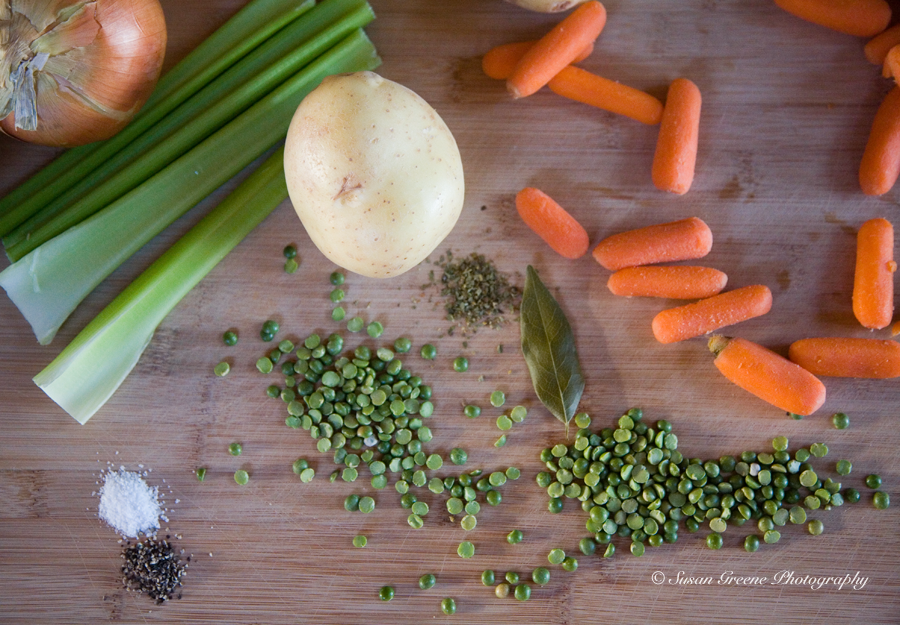
  • 1 – 16oz. package of split peas, rinsed and sorted
  • 3 quarts water, chicken broth or vegetable broth
  • 3 Tbsp olive oil
  • 1 large onion, finely chopped
  • 2 cloves of garlic chopped
  • 1/2 tsp oregano
  • 1 1/2 tsp salt, or to taste
  • 1/2 tsp pepper (I use hickory smoked pepper to give it a smoky flavor)
  • 1 bay leaf
  • 1 1/2 cups roughly chopped carrots
  • 1 C chopped celery
  • 3 medium white potatoes chopped

In a large deep pot, heat the olive oil over medium heat and saute the onions and garlic until translucent.

Add the peas, water, or broth, and seasonings. Simmer uncovered for 1 1/2 hours.

_MG_2018

Stir in the carrots, celery and potatoes ( I use my food processor to chop the carrots and celery) and simmer an additional 2 – 2 1/2 hours or until soup reaches desired thickness.

If the soup is getting too thick for your taste you can add more liquid. Adjust seasonings to suit your tastes as well.

Serves 8

_MG_2202I had some potato chips left over from a party and they make a nice garnish for adding a little crunch, or just sprinkle with cracked pepper and serve.

~ Susan

Pomegranates, Poetry, and Play

I was invited on a field trip.  My Backyard Sisters post, “Pomegranates, Poetry, and Play” shows up today over on the Minerva Rising Literary Journal blog. Minerva Rising’s mission is, “to celebrate the creativity and wisdom in every woman.” I’m honored to be included among the fine group of writers and artists represented there.DSCN3482
I was asked to guest blog because one of my poems, “Early Warning,” appeared in the Minerva Rising’s June 2013 edition titled “Rebellion.” When I submitted the poem – a dark piece dedicated to women in history who suffered years of domestic abuse until they finally murdered their husbands- I wrote:

When I think of rebellion from a Minerva Rising perspective, I think of June Jordan‘s poem, “In My Own Quietly Explosive Here.” Women silenced sometimes feel as if we are “dying underground,” yet we discover strength when “circles hold us together.” We find wings when we tell our stories and listen to one another.

My poem was a challenge to us all not to judge, nor to ignore, unsettling behavior. Today’s post is much lighter in tone than the poem, yet it also is related to a type of rebellion. It tells the story of a front porch encounter with a group of neighbor girls playing Bigger and Better. Here’s an excerpt:

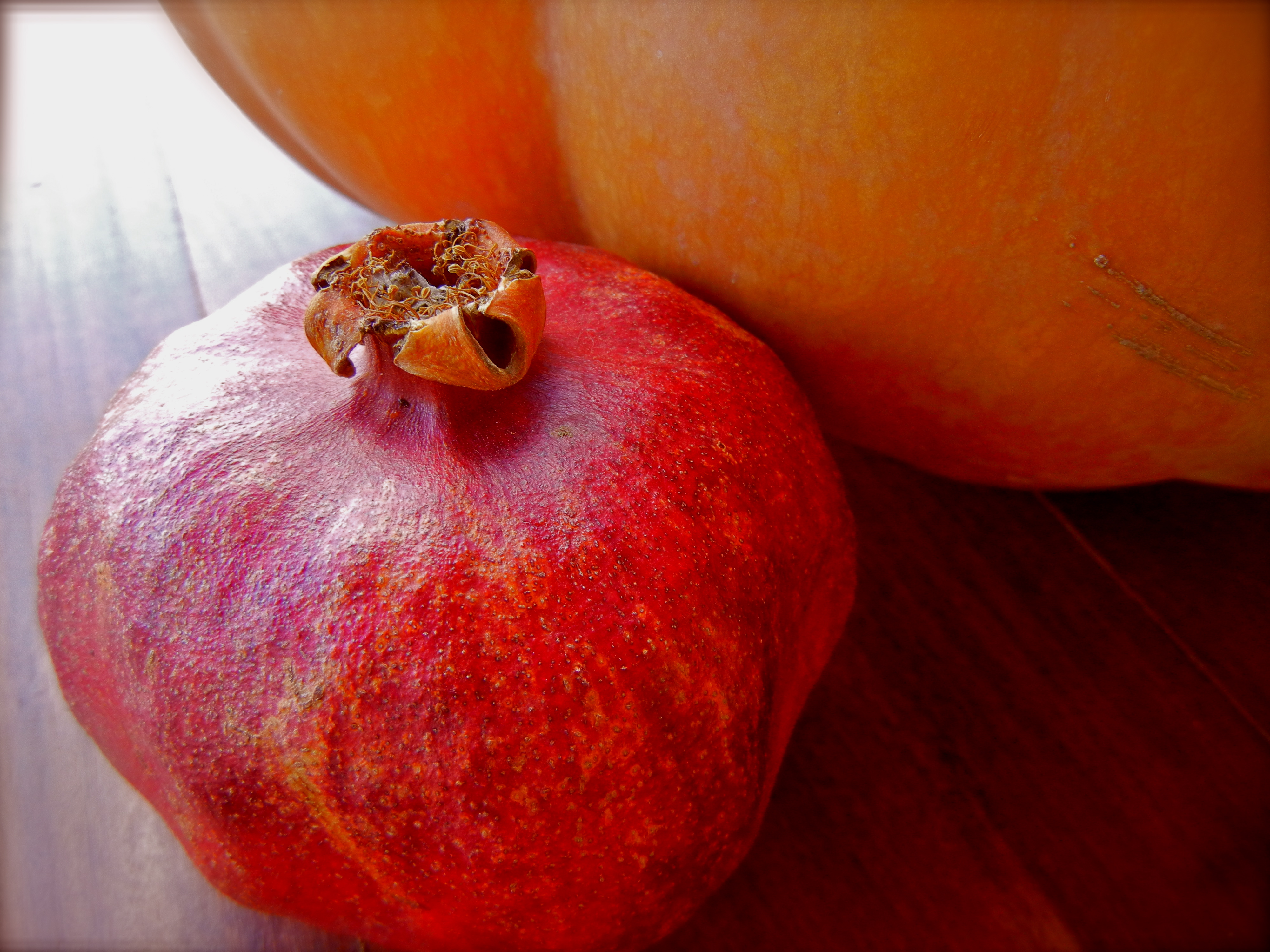
Maybe it’s the poet in me, or maybe I spy the pomegranate perched on my porch next to the pumpkin and find the perfect metaphor for why bigger isn’t always better. Pumpkins and pomegranates both ripen at this time of year with their fiery oranges and red in defiance of the coming brown and deadness. But they couldn’t be more different.

You can read the entire post on the Minerva Rising Literary Journal blog here. I’d be remiss not to mention the influence of Joan Houlihan‘s The Us upon my musing.  I was in the middle of that unique and haunting poetry book when interrupted by the neighbor girls. I doubt it’s an accident that my mind went to questioning the value of bigger over better while hypnotized by what is described on the back cover as:

The Us, Joan Houlihan’s mesmerizing new book, is a sequence of poems spoken in the collective voice of nomadic hunter-gatherers. Incompatible with a stronger, more developed culture (“thems”), the us must live outside civilization in order to be free and fully alive.

the_us225

The Us is stunning.

If you’re inspired to “be free and fully alive,” through prose,  you might appreciate these recent posts of mine.

“Anything Can Happen”
“Be small. Feel big.”
“What do you bring to the table?”

May the goblins you meet tonight scare you just enough to keep the porch light on, but not enough to ruin your evening with nightmares.

~Boo!
Catherine

p.s. You can read Darrel Lorenzo Wellingtons’ fine review of “Directed by Desire: The Collected Poems of June Jordan,” here. Jordan, whose spirit inspired my poem “Early Warning,” was the author of  “political verse, protest poetry, folk poetry, love poetry, scenic poetry, surrealist and associative poetry, light and humorous verse, spoken word poetry and even a few sonnets.” The collection, published by Copper Canyon Press in 2007, is big:  649 pages. Rebellion indeed.
7074322


the close-up color

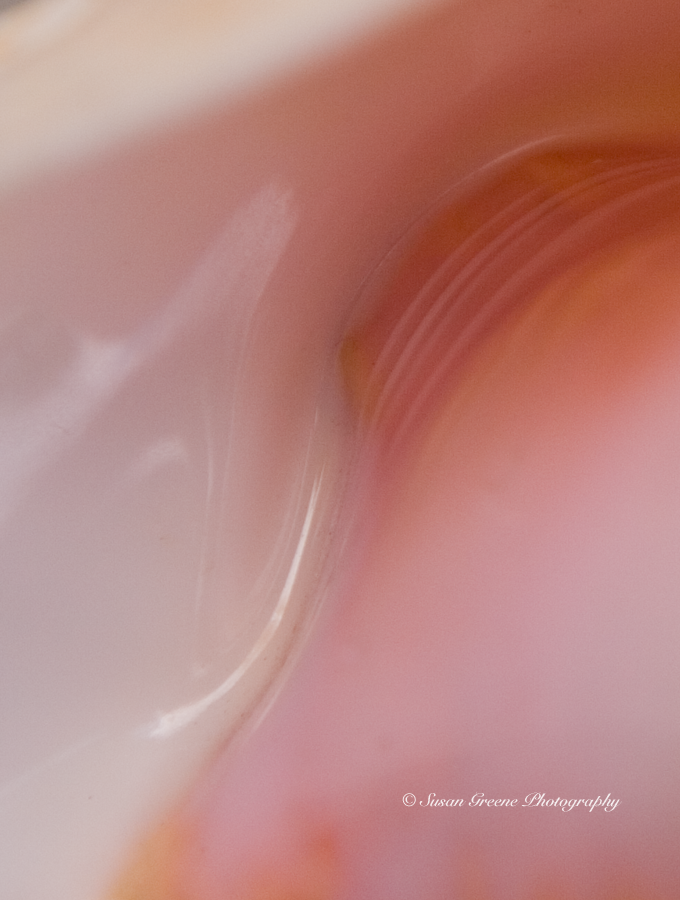
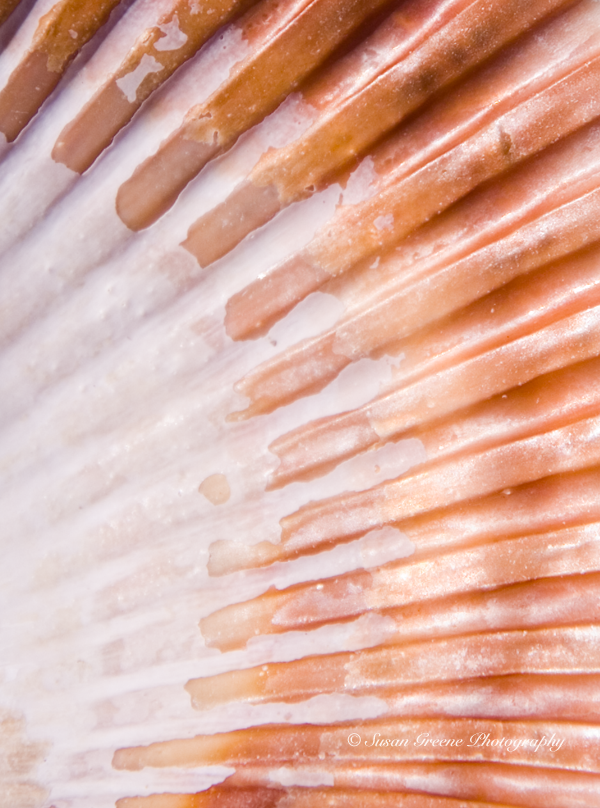
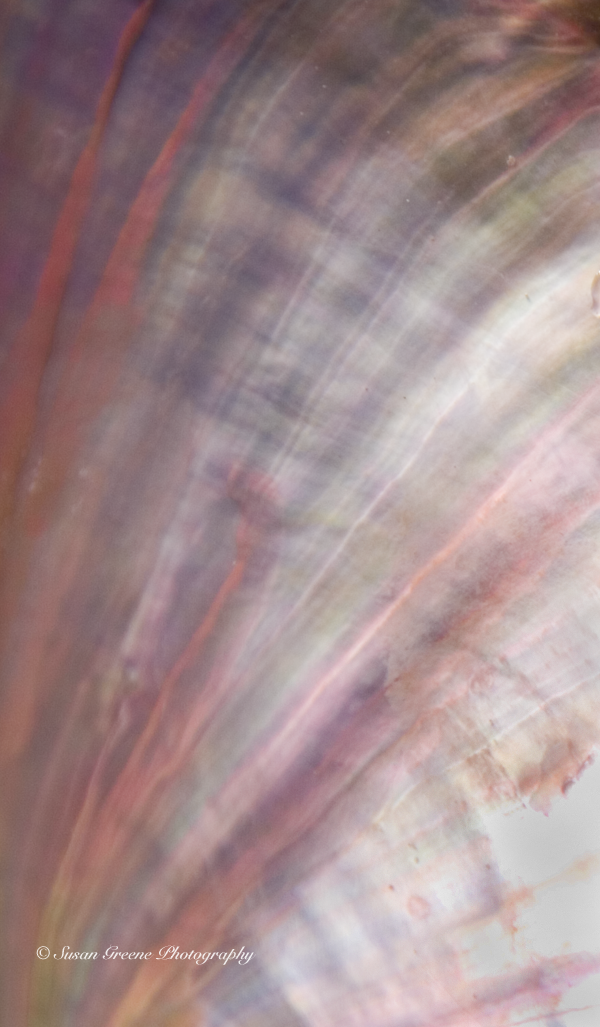
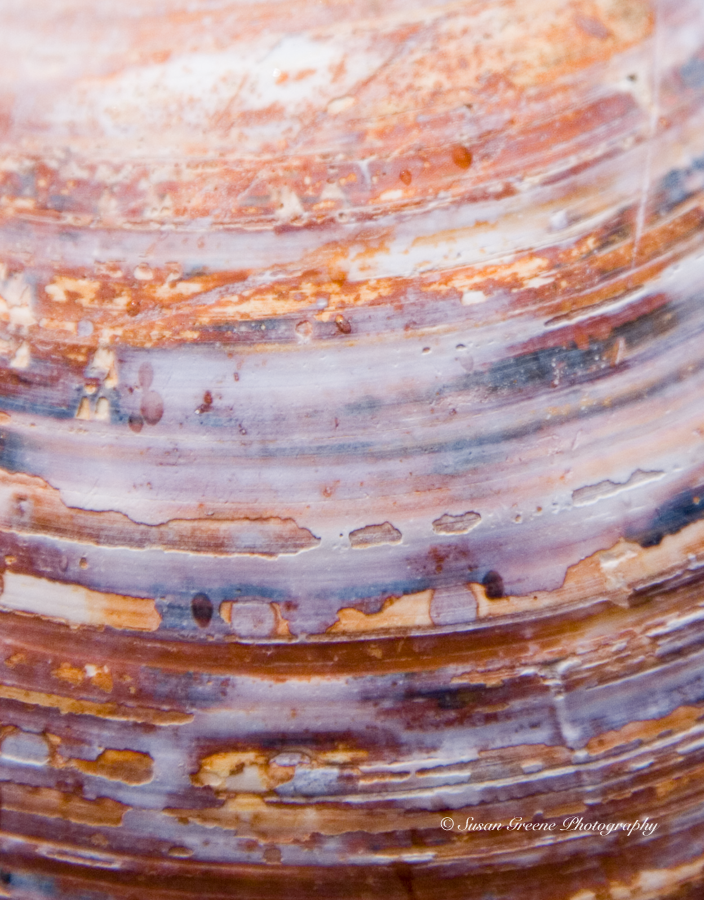
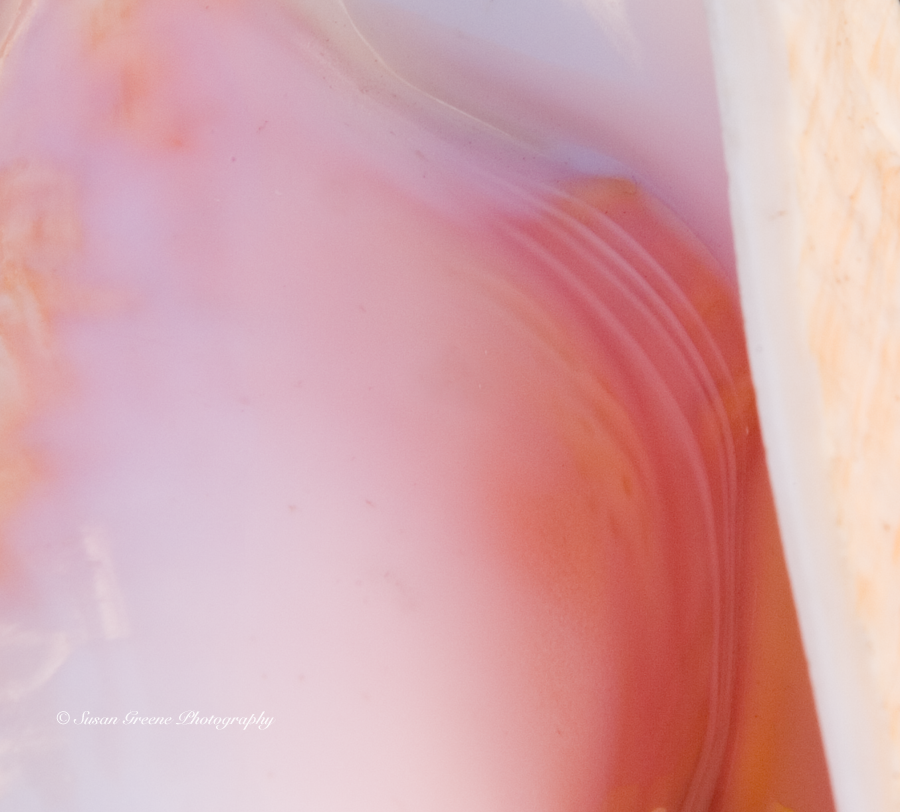
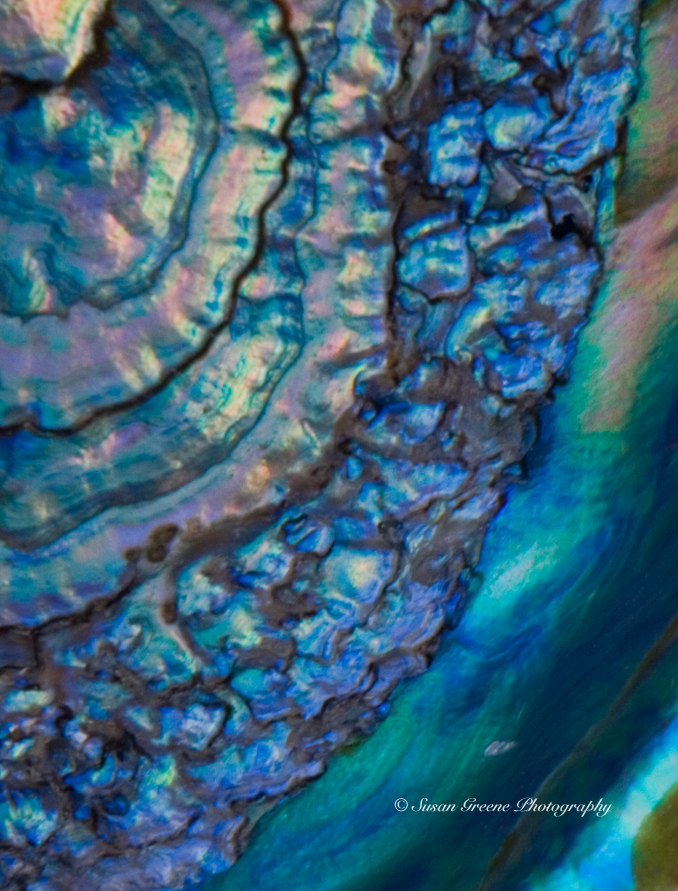
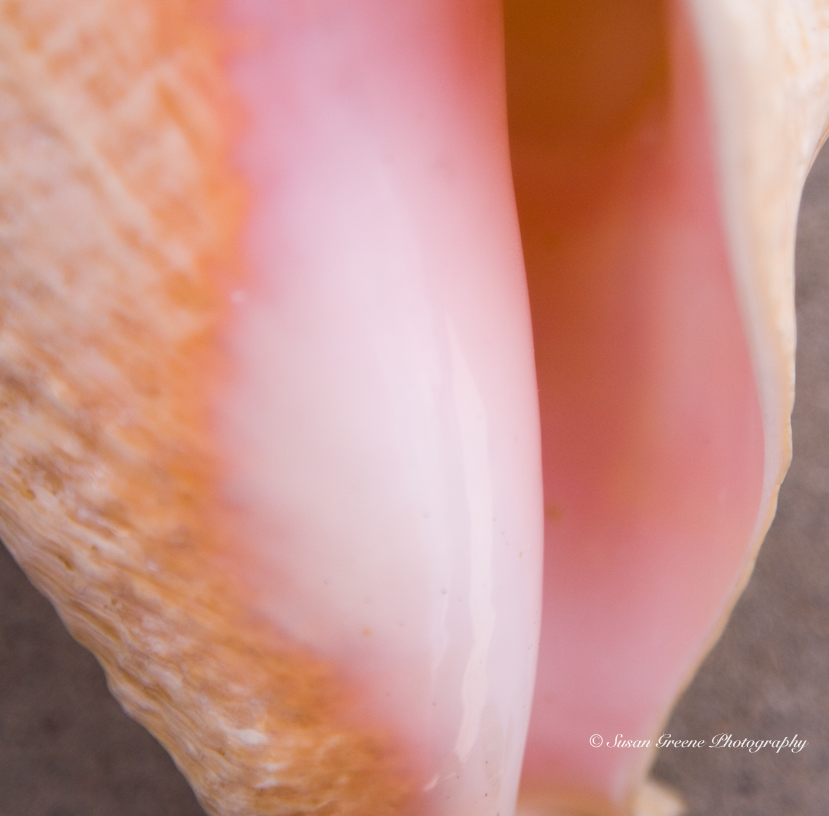
_MG_1953Inspired by a photo accompanying a book excerpt in Shutterbug magazine, I looked at a collection of mine differently. This spurred the realization of the potential for color exploration and abstraction. Pastels and earth tones are the most prevalent colors of my array.

_MG_1993I have gathered these from both near and far.

_MG_1964I am looking at this collection in a whole new light.

_MG_1986The interplay of the shapes and colors is something I am just discovering about my array.

_MG_1966I like this mystery game.

_MG_2045I am especially drawn to the pastel pink and flesh tones in the one above, as well as the vibrant hues of this one.

_MG_2037Whereas, the earth tones of this one are not to be downplayed.

_MG_1968If you haven’t guessed yet, these next few photos will probably give away the items in my collection.

_MG_1955Did you guess yet?

_MG_2024Last chance.

_MG_1937You probably got it by now . . . sea shells!

I confess to being a long time beachcomber. My collection adorns many of the window sills in my home. Gazing upon them transports me to the various shores where, while strolling, they were spotted, picked up and lovingly chosen for various reasons – their flawlessness, uniqueness or color. I will always remember once, many years ago, coming home and sharing the day’s treasures of the sea with my mom by placing them in her hand, and the shriek she let out when one of them began moving across her palm – I had inadvertently collected a crab’s home – sorry mom and crab: I did return it to the sea.

I have gotten more careful and choosy over the the years but still enjoy a long afternoon strolling the sand with an eye out for a new addition to my collection. Now, I have another criteria for selection – as the possible subject of a color, abstract photo.

The book excerpted in Shutterbug magazine is The New Art of Photographing Nature: An Updated Guide to Composing Stunning Images of Animals, Nature and Landscapes by Art Wolfe and Martha Hill with Tim Grey. Judging from the pictures accompanying the article, I would like to see what these three have to say.

This week either gazing at my window sill or out looking for new treasures.

~ Susan

walking on the red side

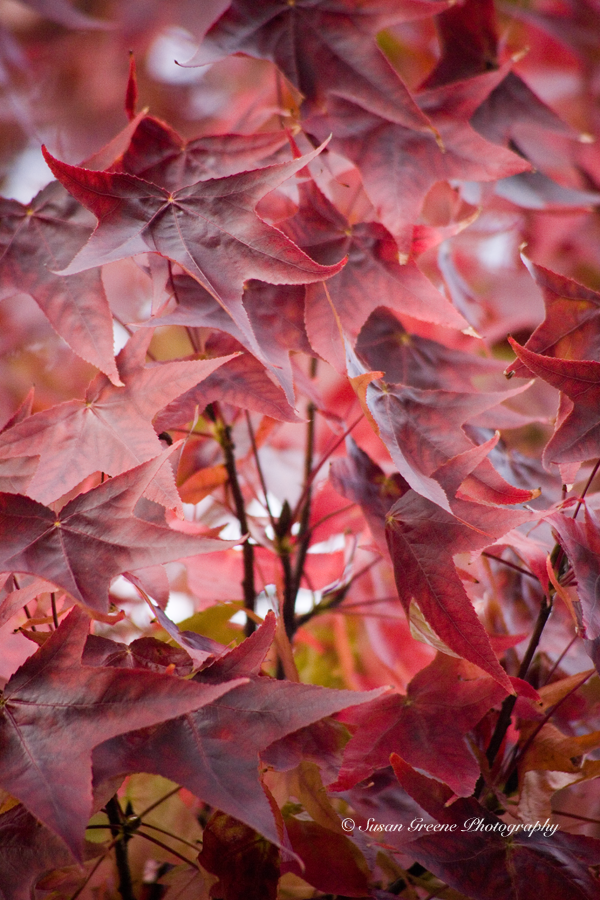
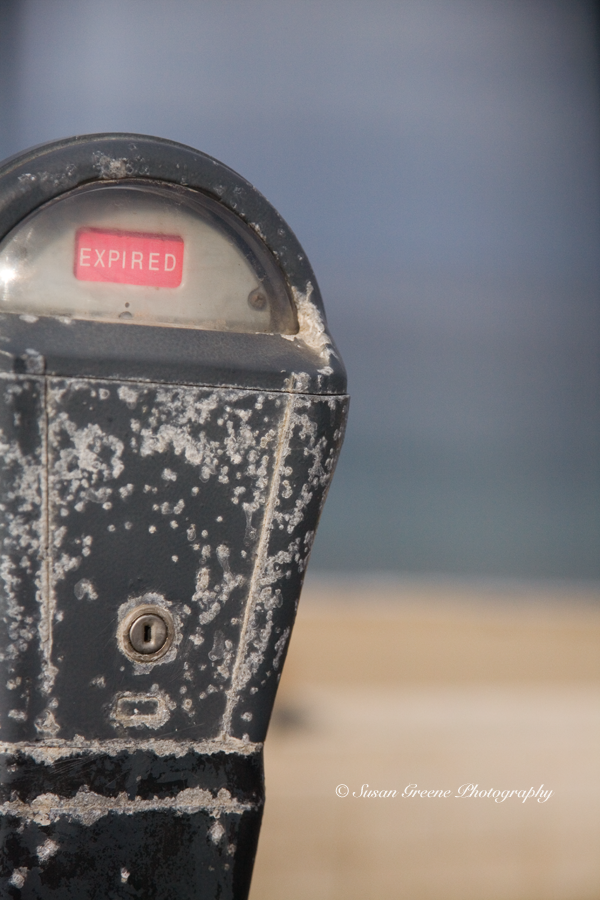
_MG_1883Red is associated with love, power, passion and energy. The color red sure grabs our attention. It’s no accident many street signs are red as well as the traffic light for stop. When red is used as an accent color or subject color in photography, it grabs the viewer’s attention and draws them into the photo. At this time of year, even in southern California, there is a little extra red out and about – some of the trees have begun turning red. It is with red in my eye and camera in hand that I head out on my daily walk. The trees, on fire with different shades of red leaves, are real attention-grabbers.

_MG_1889With zoom lens at 300mm aiming up into this tree, I fill the frame with the signs of fall. Then looking down, I can’t ignore this lone one so beautiful in its solitude.

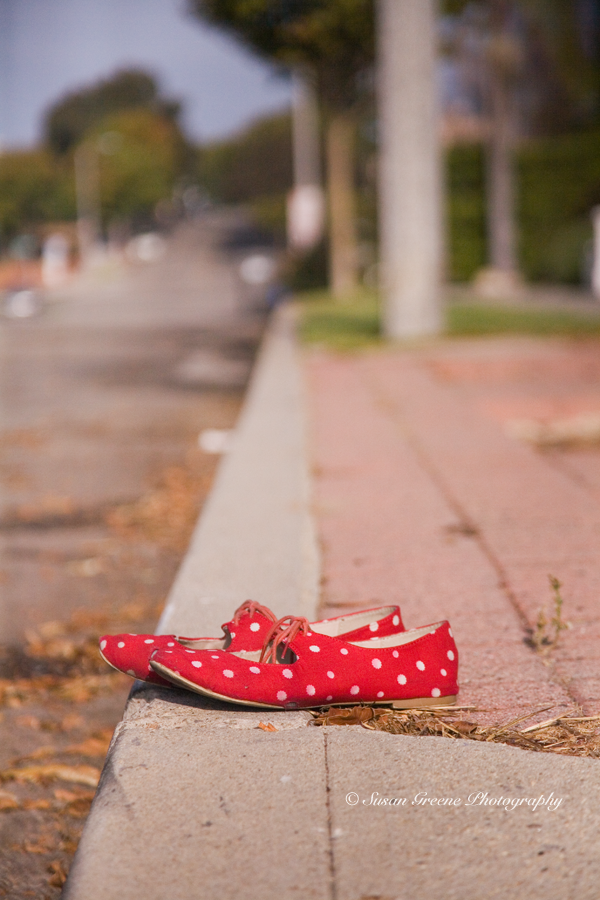
_MG_1891Walking along a pair of red shoes has been left on the curb – that doesn’t happen everyday. I am in luck, this “I spy red day”, to stumble upon such a find.

_MG_1905When I am consciously looking for red, I realize how easy it is to spot.

_MG_1907Even when the red is a small part of a larger whole. Something red in the sand gets my attention, from quite a distance away I can’t make out what it is. It is another gift…

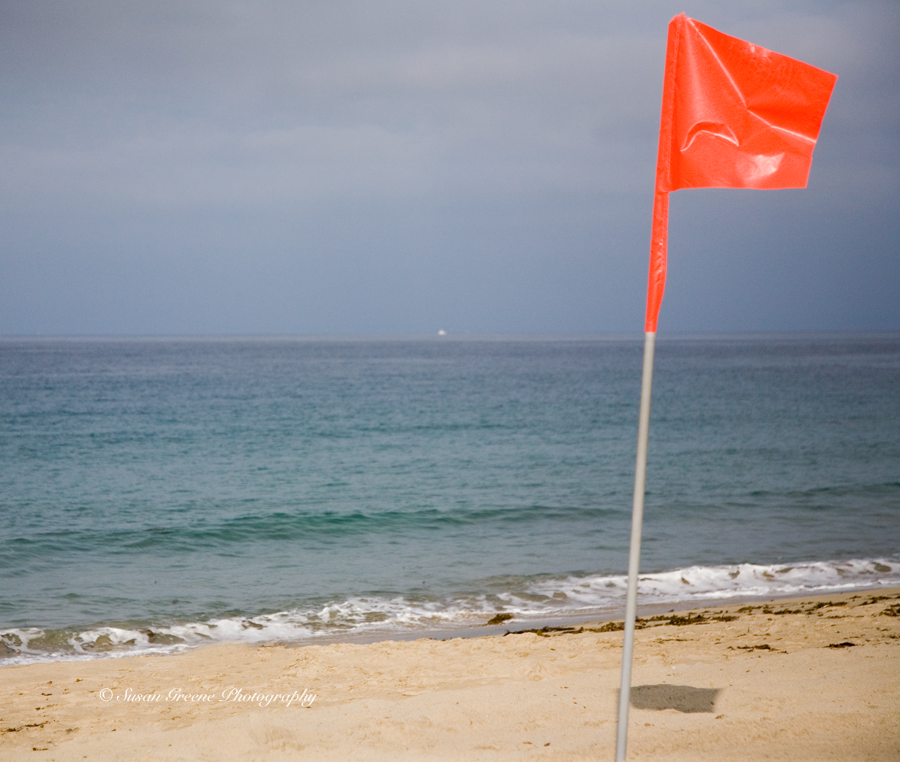
_MG_1910rose petals are scattered about. I am beginning to think there is a little red elf going ahead of me planting these items in my path. I wonder, are there always so many random red objects on my walk that I just haven’t noticed before or was this red photo walk meant to be today? While down on the sand, I decide to include orange-red and capture the lifeguard flag.

red orange flag on beach


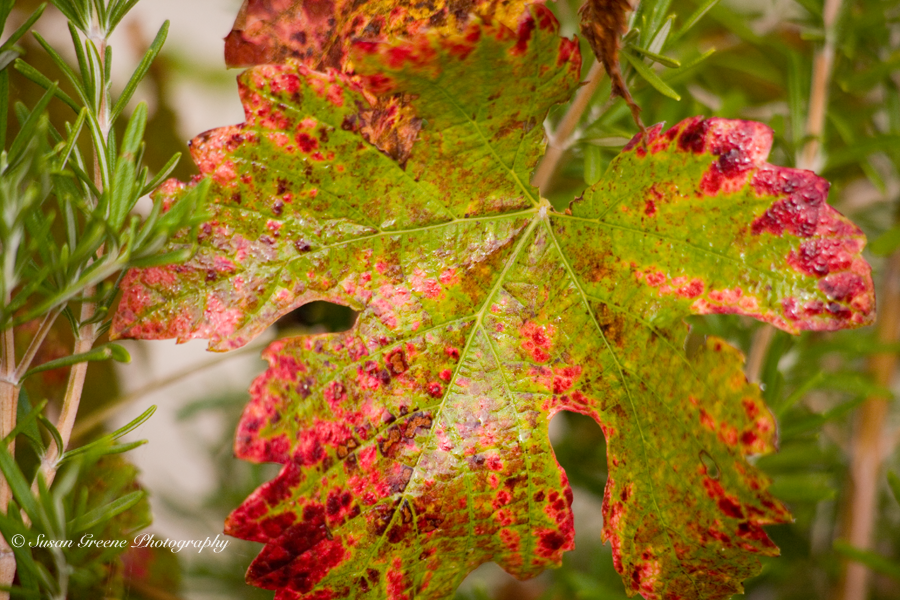
The grape leaves right in my own yard are changing with the seasons too.

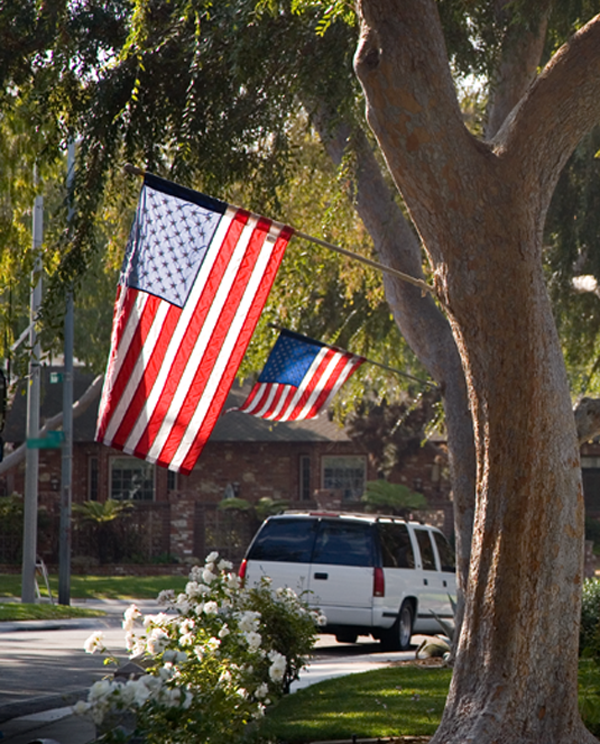
_MG_1887These flags stand out among a sea of green trees and gray roads.

_MG_1916After this walk, I am seeing red. It’s hard not to.

Try looking for the red around you this week and incorporate a splash of it or use a red object as your subject in your photos and see what direction your creativity takes you.

~ Susan