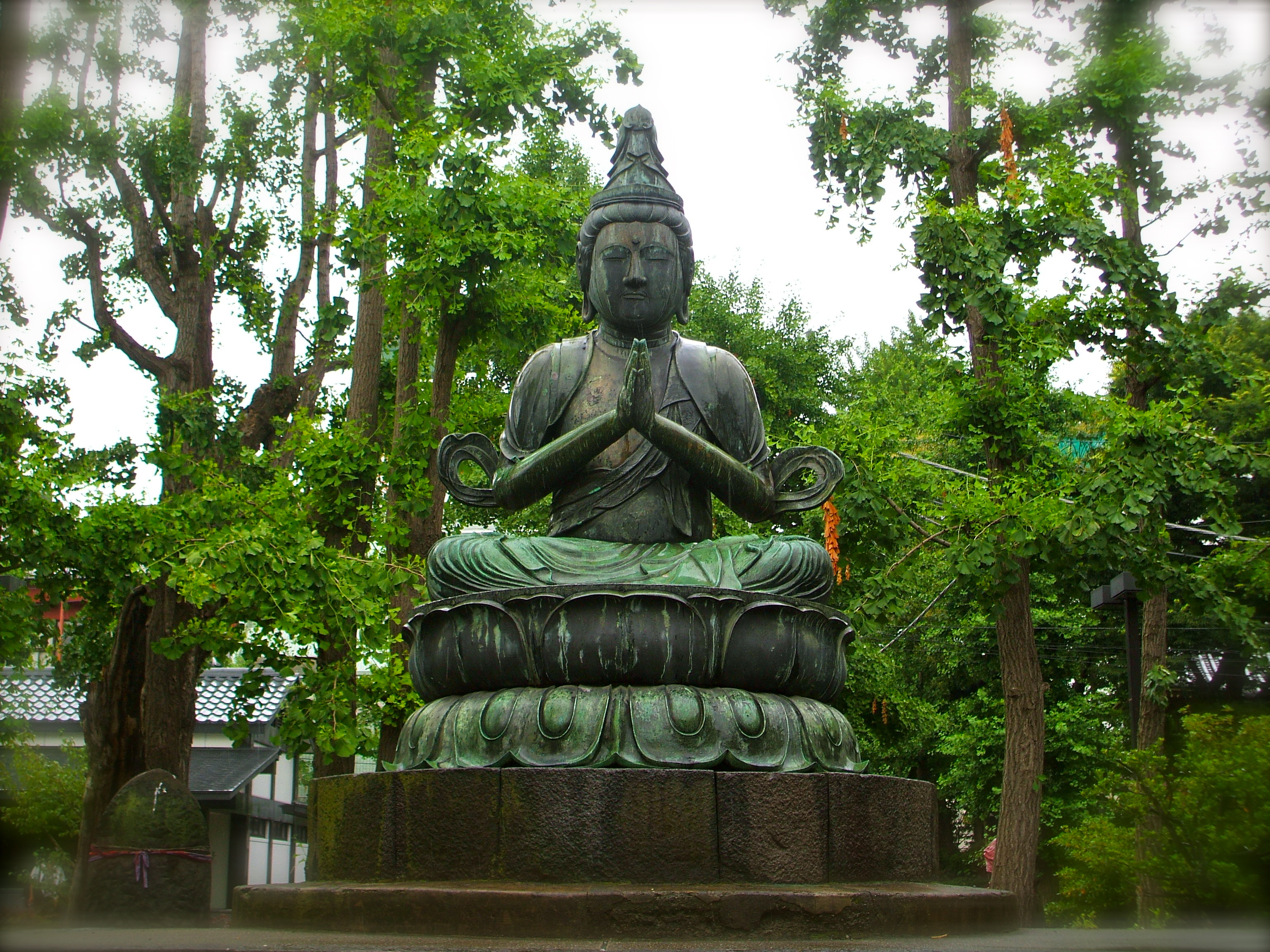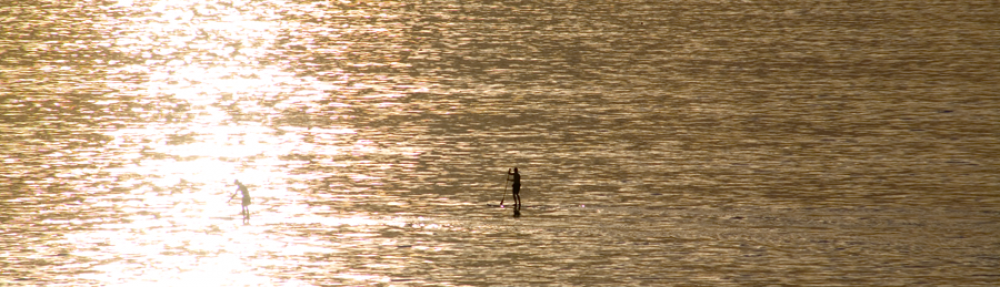
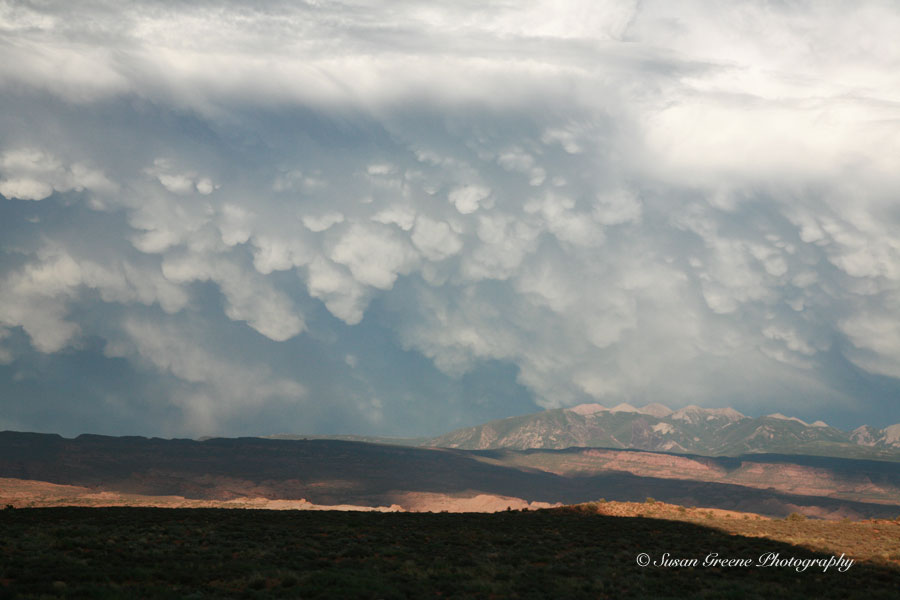
Noisy things. Then quiet.


After the storm, near Arches National Park.

How do you mark the 67th anniversary of a day that changed the world forever?   Ready or not, the atomic age began on July 16, 1945 with the first successful atom bomb test.  There’s a report, available now from the Los Alamos National Library, so you can read all about it.
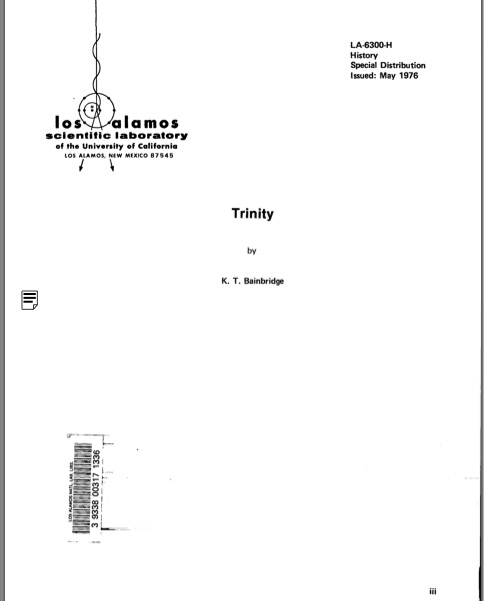
Trinity by K.T. Bainbridge sounds like it could be an exploration of the religious belief that God is creator, human, and spirit all at once. In fact, Trinity was the code name for the test explosion which occurred in the Jornada del Muerto desert, a name translated from Spanish as, “single day’s journey of the dead man.”

Even though you know exactly what’s coming in that report, the suspense could kill you.

Page iv is blinding white.  Stark.  Then you turn the page and wonder if there’s a government typesetter who has a sense for visual poetry.  The entire page is mostly bare, except centered amidst that very quiet middle, like a cloud, is this:

                                    FOREWORD

   The world’s first atomic explosion occurred July 16, 1945 at the
Trinity test site in southern New Mexico.
   This account of the organization at Trinity, the experiments, and
the results, under the direction of K.T. Bainbridge, was written
shortly after completion of the test.

Page 43 provides an itinerary for the weekend festivities.

Saturday, 14 July, 1700
Gadget complete

Sunday, 15 July, all day
Look for rabbit’s feet and four-leaved clovers. Should we have the Chaplain down there?  Period for inspection available from 0900-1000.

Monday, July 16 0400
Bang!

“Gadget” is the code word for what the world had never seen.  Bang! I think of noisy things whose names I speak.  Bombs.

What was the sound on July 16?

“…measurements were designed to give results for…an energy release from 10,000 to 50,000 tons of TNT…. In many cases the dirt was blown from the shelters by the outgoing wind.”

Wind, I’ve heard wind and other noisy things. Surf. Thunder. Once I had a friend. He’d lie stretched out on the runway at night when planes took off from LAX.  This was back in the day when a kid could hop a fence and sneak onto airport runways, before his death changed all that. Way before 9/11.  I can’t even ask him now, how loud exactly is a jet when it throttles down upon you?

That author of Trinity writes of inexplicable things.

“The following observations, among others, seem to deserve special notice…A skirt of hot lumpy matter, thus far unexplained, rose from the ground ahead of the Mach wave.”

I’ll admit I own a few lumpy skirts.  How funny would I look like rising from the ground just ahead of an approaching Mach wave?  Would it be anything like riding Hurricane Ava surf at the Wedge in Newport Beach that summer of 1973?

A laugh wafts through my open window.  There are good noises. Sure.  Unforeseen pleasures. Fireworks or timpanis.

There were unforeseen phenomenon that long ago July.

“The velocity of the shock wave unexpectedly remained nearly constant at twice sound velocity…”

I think of other unexpected, nearly constant things, like stars or love. How good it is when something works the way you hope.

RESULTS
July 16
Nuclear Explosion
Records fogged by gamma rays.
No records. Traces thrown off scale by radiation effects.

Inhale sweet summer air.
I remember saying this in Japan on a 2007 visit with my daughter, years before Fukushima.  We were thrown off scale by radiation effects.  From my journal three days after visiting Hiroshima:

still thinking of pieces of skin
the tongue with purpura spots
the broken spine
the tea dark brown
curled fingernails
preserved in pristine acrylic
at Peace Memorial Museum

Did the men in that 1945 desert pause to inhale sweet summer air once the dust had settled into silence?

There are quiet things I hate. Time passing quickly. Radiation seeping from the — Noisy things I hate: Bang! Gadgets!

Yet mostly, quiet things are sweet.  Like the sound of books. Your smile when you read my face. A silent prayer like humans folding paper cranes for peace.

Paper cranes at Peace Memorial Park, Hiroshima

Mark this anniversary as you must.

With hush and racket,
~ C

p.s.  A poetry book that might touch your heart on the topic of nuclear war: The Tongue of War: From Pearl Harbor to Nagasaki by Tony Barnstone.  From the introduction:

“I branched out and spent a decade and a half researching war letters, diaries, histories, oral histories, and interviews with American and Japanese soldiers, scientists such as Robert Oppenheimer, President Harry Truman and citizen survivors of the Rape of Nanjing, or Hiroshima, and of Nagasaki.  Drawing from these sources, these poems speak from the points of view of participants in, observers of, and victims of war.”

You can view a podcast of Tony reading during his visit to Chapman University’s Tabula Poetica series by following this link.
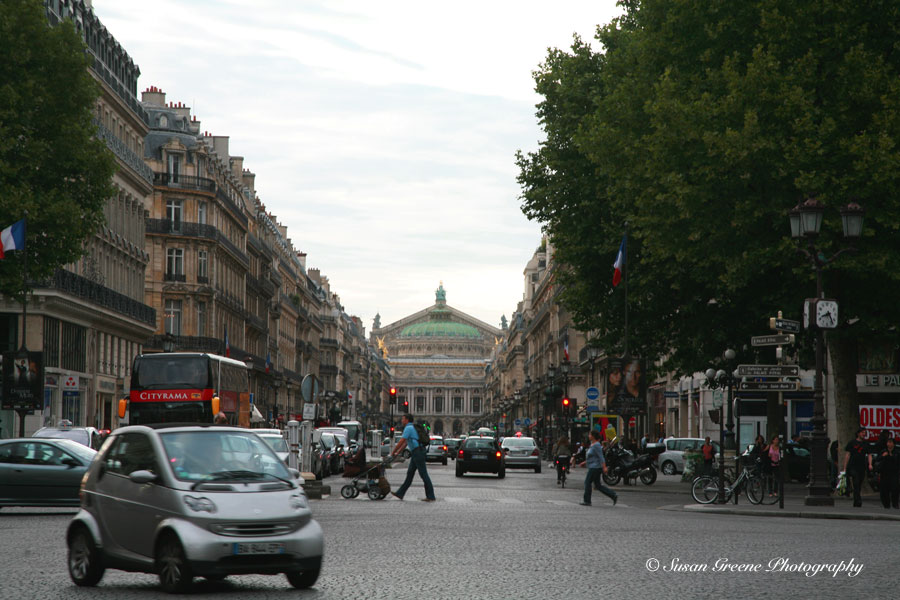
The Streets of Europe

A year ago, I was wandering Europe captivated by the streets. Yes, the streets themselves caught my eye. Their cobblestones and narrow corridors leading to hidden places or large squares and cathedrals. I imagined all the activity that has taken place on these streets in the hundreds of years they have been in existence.

Paris

From Paris to London

London

They all have their own character. Partly due to the architecture and automobiles but also because each city and country has its own unique essence. Which is evident in the streets.

Rome

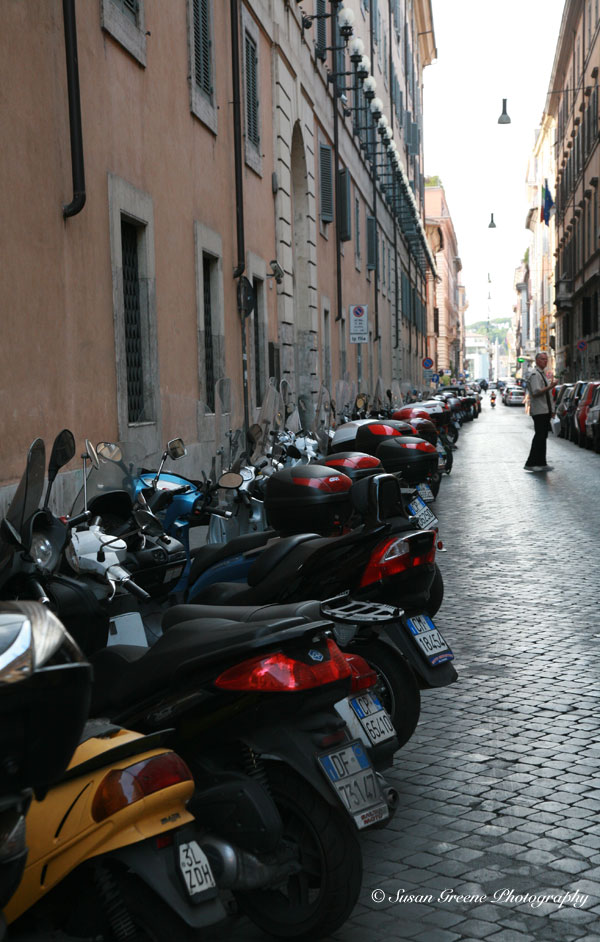
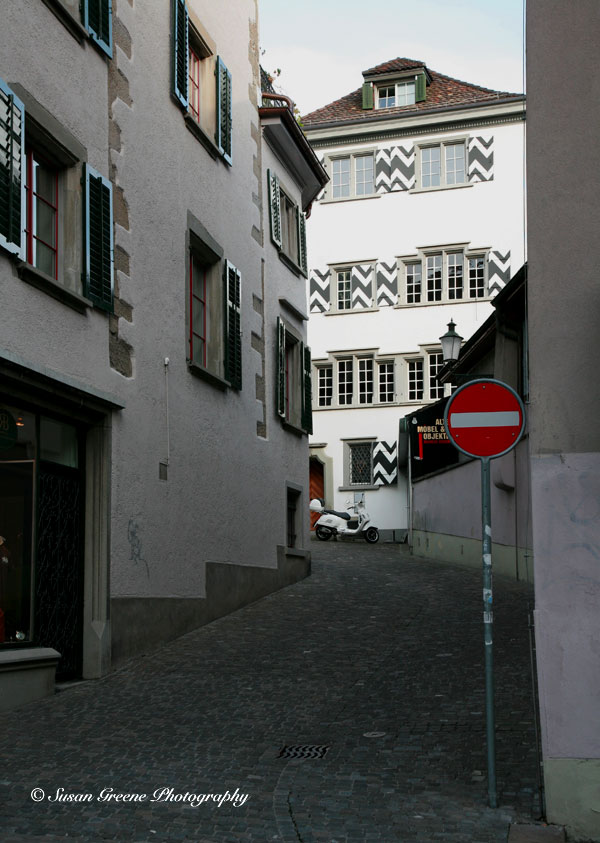
In Rome, there are countless motorcycles and scooters. The streets of Zurich are lined with buildings adorned with shutters of angled patterned wood.

Zurich

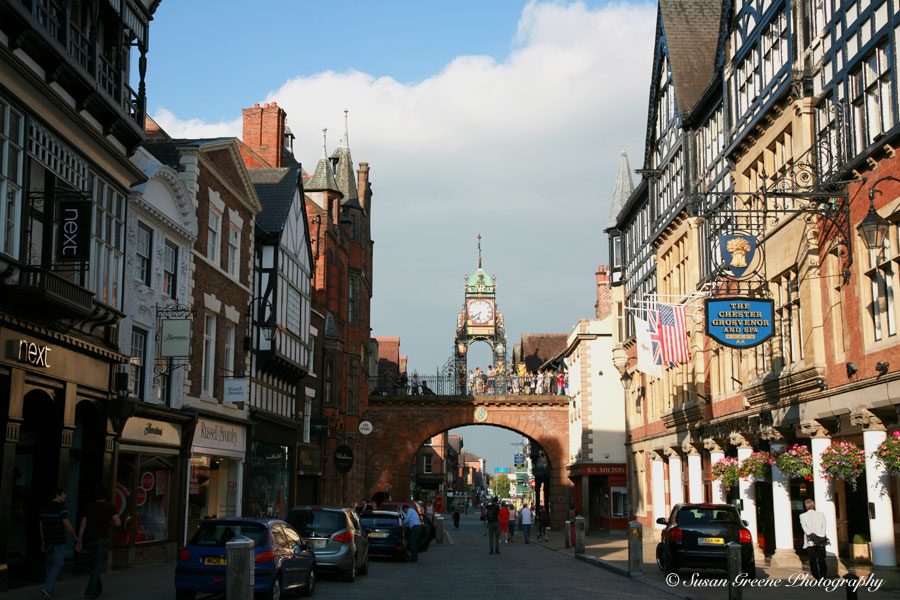
Chester, England near the border with Wales is a bustling medieval town.

Chester

Nice

The old city of Nice’s narrow streets are lined with shops and cafes.

Florence

Every city had the green cross sign advertising the location of the pharmacies in town dotted throughout.

Dijon

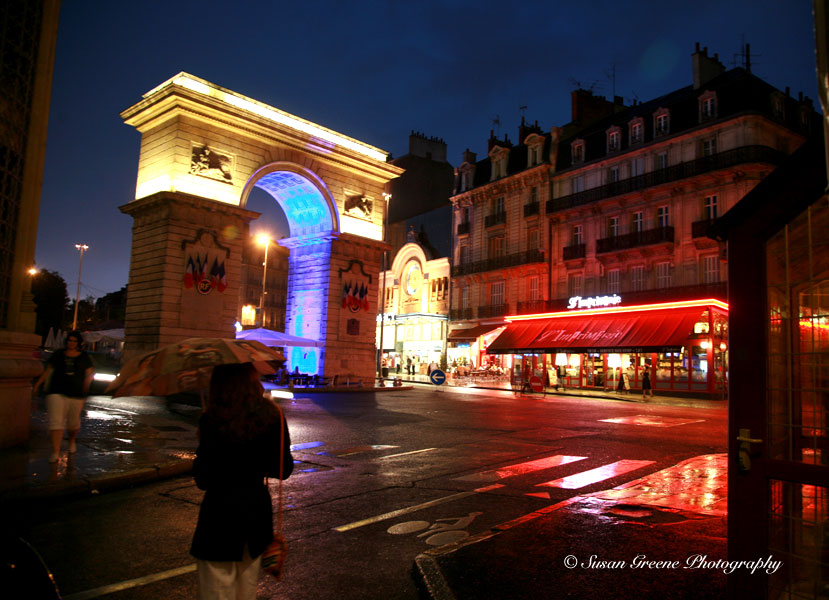
At night they are just as intriguing. Especially when the streets are damp from a recent rain; adding a beautiful reflective quality.

I am sure it was spending so much time walking on these streets exploring the different neighborhoods which piqued my interest. It seemed around every corner was another street compelling me to capture its essence for that moment!

~Sue

The Weekend Dish – Saddleback Salad

Here’s today’s hot tip.
Leave the leftover 4th of July cookies in the kitchen instead of taking them to your desk. Whoops.
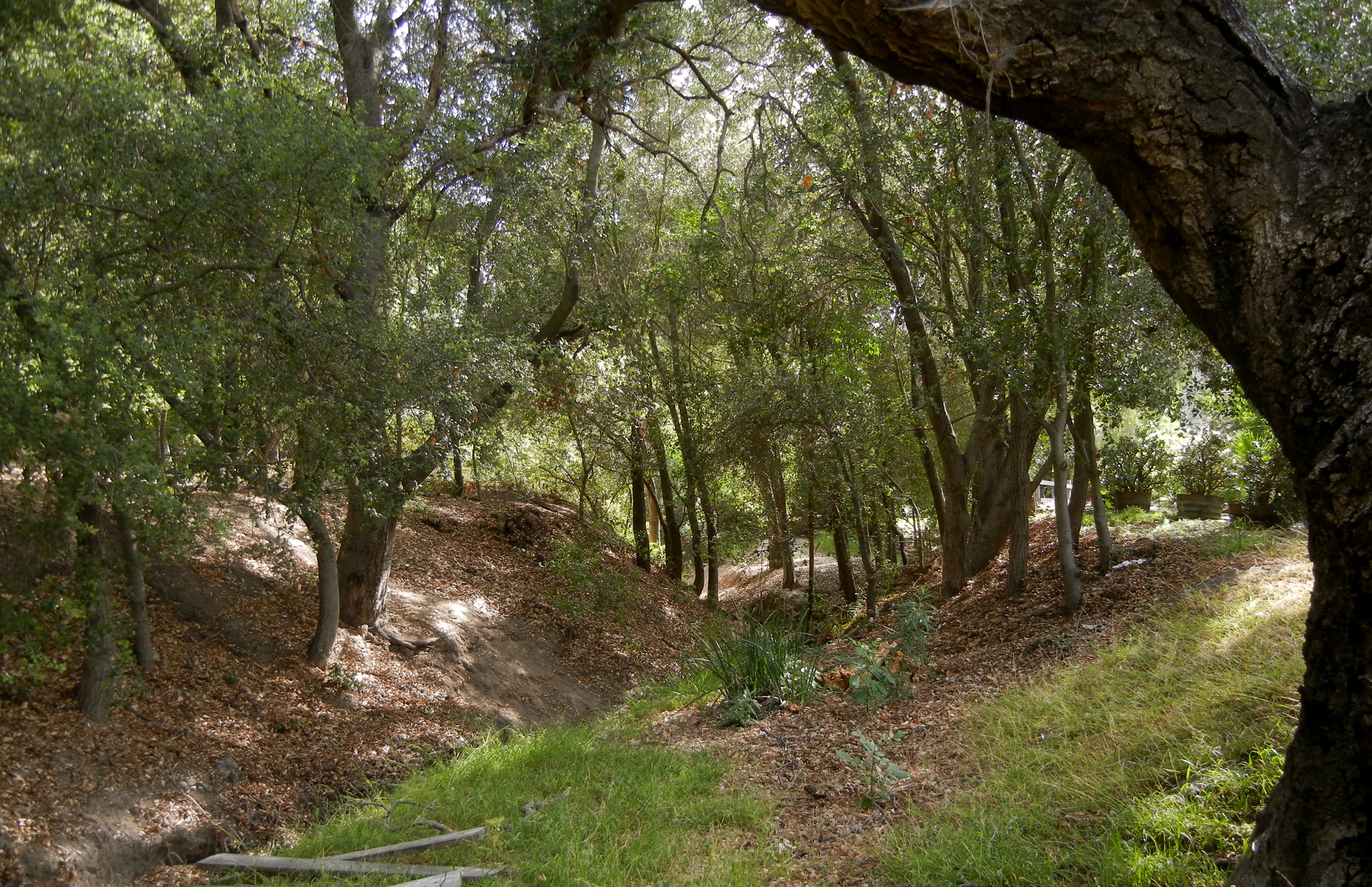
Here’s today’s cold tip.
Make a salad. Call it dinner. Pack it up and hike to your favorite swimming hole for a picnic.

I created Saddleback Salad, which takes its name from the mountain where I watch sunset shadows play outside my kitchen window, based on what I picked up at the Laguna Beach Farmer’s Market one Saturday.  The arugula tastes perfectly at home in a wild grass and meadow setting; the mango is like a little shady spot for your tongue.  Transport the lettuce, mango, pamplemousse, and almonds in separate containers.  Make the dressing at home; toss right before serving.

Saddleback Salad
4 C mixed greens
2 C arugula
2 C mango, peeled and diced
1/2 pamplemousse (This is the French word for grapefruit and I swear if you call it a pamplemousse it tastes better)
1/4 C slivered almonds

Dressing:
2 T apple juice
2 T honey
2 T lemon juice
2 T honey mustard
1/8 C olive oil
1/2 T ground ginger
3 chunks crystallized ginger, slivered

Toss greens and arugula in a large bowl.  Add mango and pamplemousse.  Pour dressing over all and garnish with almonds.

Round out your meal with a strawberry, blueberry, raspberry medley, and some fresh honey goat cheese spread on slices of full grain bread, garnished with a few dried cherries.

If you’re the type who likes to read a little poetry with your al fresco meal, Mary Oliver’s, “The Summer Day,” is as good as grace.  You can read it, or listen to Mary read it aloud here.

Hurry! There are only 78 summer nights left. Don’t waste a one.
With wild abandon,
~ C

What was she thinking?

Dear One,
You of all people will understand this darting and dipping and how it happened that I really couldn’t write today.

Morning broke with new weather, a salty breeze, skipping and blue. It would have been rude, insolent really, to refuse Nature’s gift by staying indoors.  I packed a small bag of cherries and found a spot at my favorite cove. Into the sand I buried my feet where it was cool, still damp; I upturned my palms, lifted eyes to the sky.

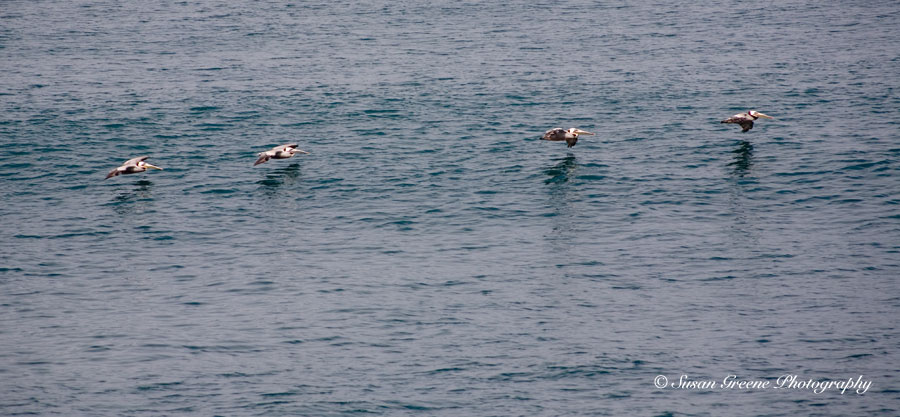
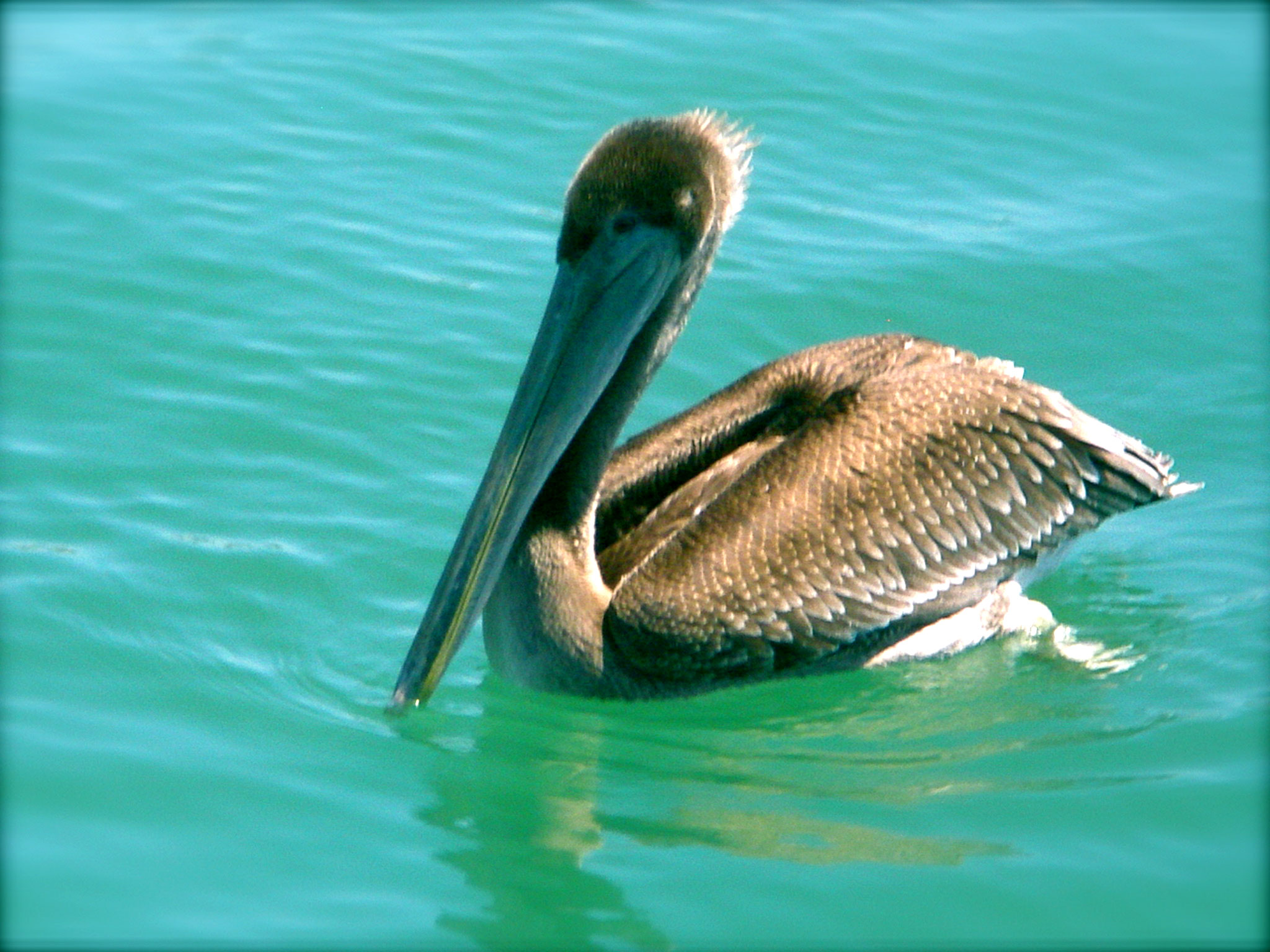
At that exact instant, one, two, three, seven California brown pelicans arrived silently gliding on invisible currents of air, perfect in frame and formation. Ancient Egyptians believed pelicans brought protection against snakes. How could I not dip my own head briefly in gratitude?

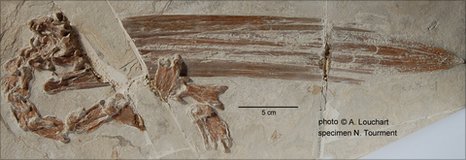
Wingspans longer than I am tall, each outstretched bird was an aerial dancer in the Pacific ballet, utterly at ease with ungainly beauty. Prehistoric.  For more than 30 million years, back to the Oligocene epoch, since before humans walked upright, the pelican’s beak has remained unchanged.  This evolutionary marvel, this “first thought, best thought,” as poet Alan Ginsberg might call it, is a rather recent revelation, unearthed by a rare fossil find in France in 2009. “Few other flying animals appear to have survived unchanged for so long.” wrote the BBC’s Matt Walker in his account of that news.

While children squeal and grownups read updates on smart phones, or jog, or surf, there in the sky for all who will look is a symphony to original design perfection.  I scribbled in my notebook: There you are, ancient relic, resplendent and brown — color of earth, myth of heaven.

Pelicans, depicted on tombs in ancient Egypt, “have the power of prophesying a safe passage for a dead person in the Underworld…The open beak …is also associated with the deceased to leave the burial chamber and go out into the rays of the sun,” reports George Hart, former curator in the British Museum’s Education Department in The Routledge Dictionary of Egyptian Gods and Goddesses.

Was a soul in transport this moment?

Death seemed dim as I watched the birds soar the surf line, then climb.  They scattered to hover then dove. Headlong, with no hesitation from great heights, the way I wish I went through life, they hurtled into water. No splash. A perfect 10, Olympic judges would say. Imagine the brown pelican, as extraordinary a thing as that and almost nevermore, just three years off the Endangered Species list.

The pelican’s survival is linked to the very history of our own country.

President Theodore Roosevelt created the first national wildlife refuge, Florida’s Pelican Island, in 1903 to protect the brown pelican from plume hunters.  Teddy and I share a love for these birds, a link I discover in his 1916 collection of essays, A Book-lovers Holidays in the Open.

“The Audubon societies, and all similar organizations, are doing a great work for the future of our country. Birds should be saved because of utilitarian reasons; and, moreover, they should be saved because of reasons unconnected with any return in dollars and cents…

to lose the chance to see…a file of pelicans winging their way homeward across the crimson after-glow of the sunset…why, the loss is like the loss of a gallery of the masterpieces of the artists…”

Brown pelican as masterwork. Yes.

Suddenly, the birds I watched stopped diving. In response to an inaudible signal – A call drowned out by the waves? A wing tipped toward the sun? A movement of prey to the north? – seven pelicans fell into line once more. They lifted, barely skimming the water, “winging their way homeward.”

I watched and wondered: Am I this elegant in my food hunt?

Out to the depths the pelicans flew; rising like wishes until I could only remember where they’d been.

Gone.

The pelicans. The day.
I promise I’ll stay in tomorrow and try to write something worthwhile.

With awe,
~ C

Stars and Stripes and Fireworks!

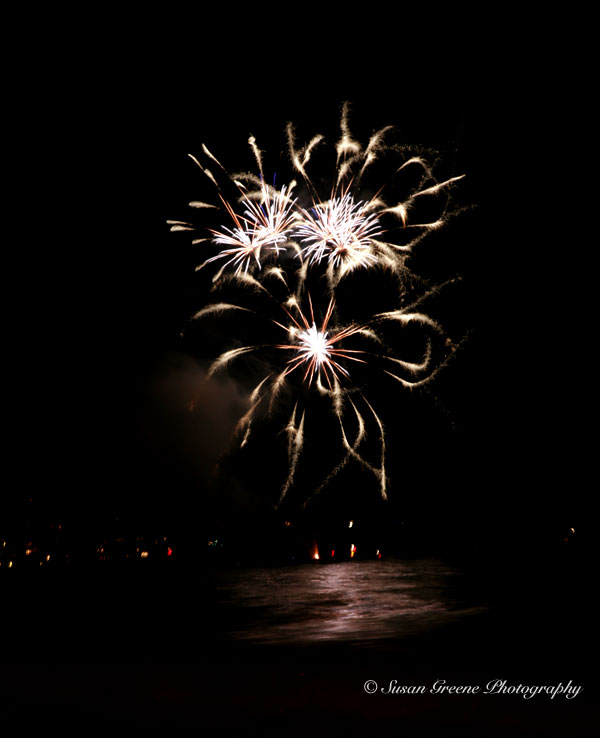
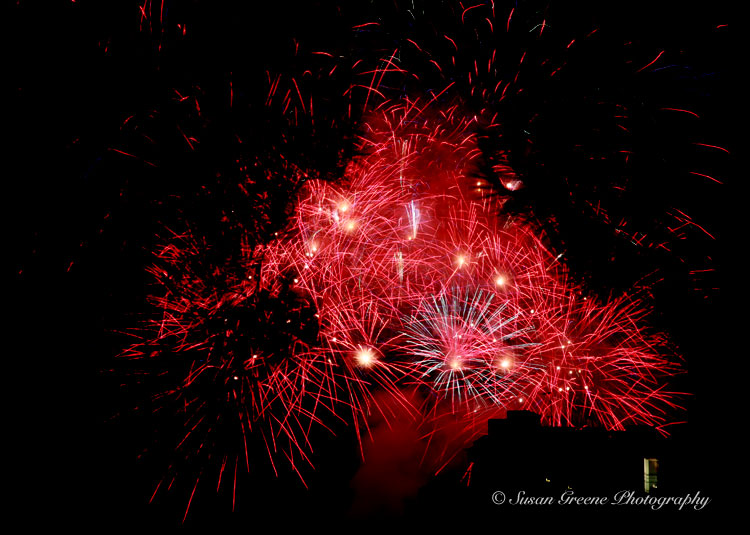
Tomorrow is the Fourth of July, or Independence Day, here in the United States. A fireworks display is one of the traditional ways we celebrate. The sight of the colorful bursts of light illuminating the night sky never ceases to raise my spirits and inspire awe. So, I have taken to capturing the shows with my camera. I have fun trying to capture the many bursts. Last year, I was lucky to be home on the Fourth of July and it wasn’t foggy! I was able to catch the fireworks show off the local beach.


If you have ever wanted to try photographing fireworks but weren’t quite sure, I will share a few of the techniques I have learned. First you need a camera which has manual mode. A tripod and a remote release are recommended also. Set your camera to a low ISO setting of 100-200. Fireworks are bright and an f-stop in the mid range of f/9-f/16 lets enough light in to allow the colors to show up well. Set your shutter to bulb, which allows you to keep the shutter open as long as you hold down the shutter.  Make sure your lens is on manual focus, and focus to infinity or wait until the fireworks begin and focus on them. A medium  telephoto zoom lens works well, I use 24-105mm. Now position yourself so you will have an unobstructed view and you are ready to shoot. Listen for the launch and release the shutter and hold open for anywhere from 2-30 seconds. The longer you hold it open the more bursts you will capture.I was also in France on Bastille Day last year and was able to catch another fireworks show in Juan-les-Pins.

On my last trip to Chicago we saw the fireworks show off Navy Pier one night. . .

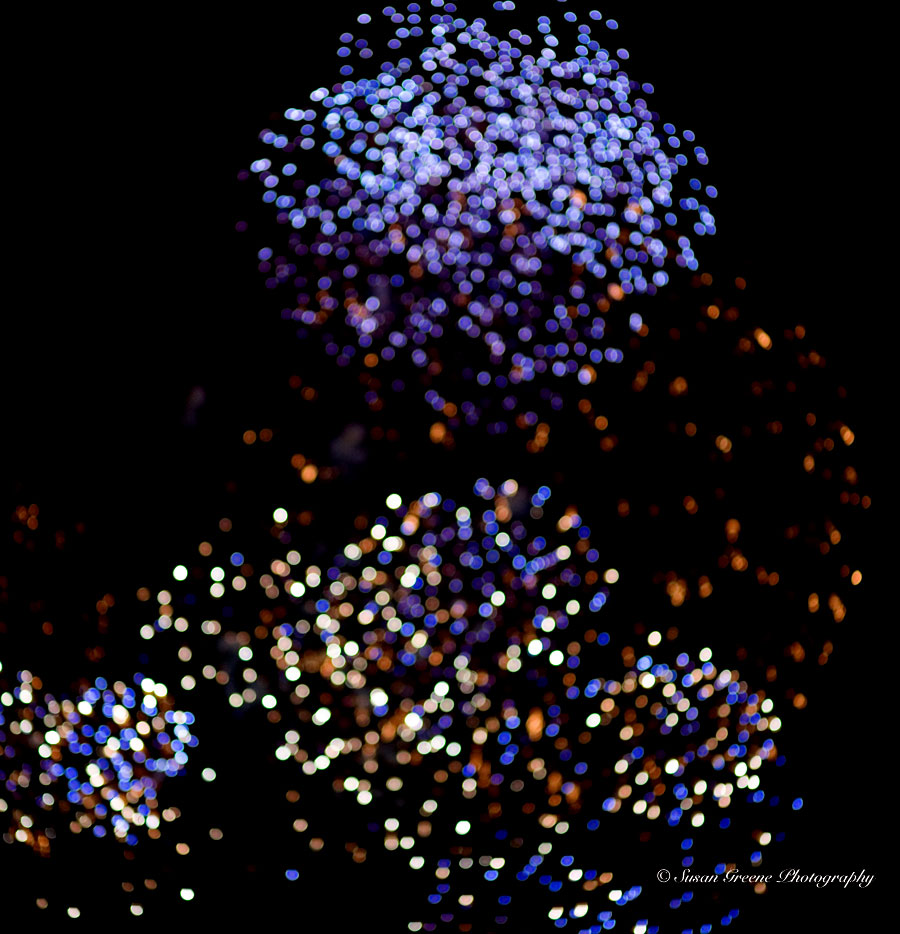
I tried another lens, an 85mm f/1.8, and I played with bokeh.

Remember you can check your camera’s LCD periodically to check your composition and exposure and make adjustments if necessary.

I hope you have a Happy Independence Day and get the opportunity to watch a fireworks show. If not tomorrow at some other event or location this year, and get out, experiment and play.

~Sue

The Weekend Dish

Pritzker Pavilion Millenium Park

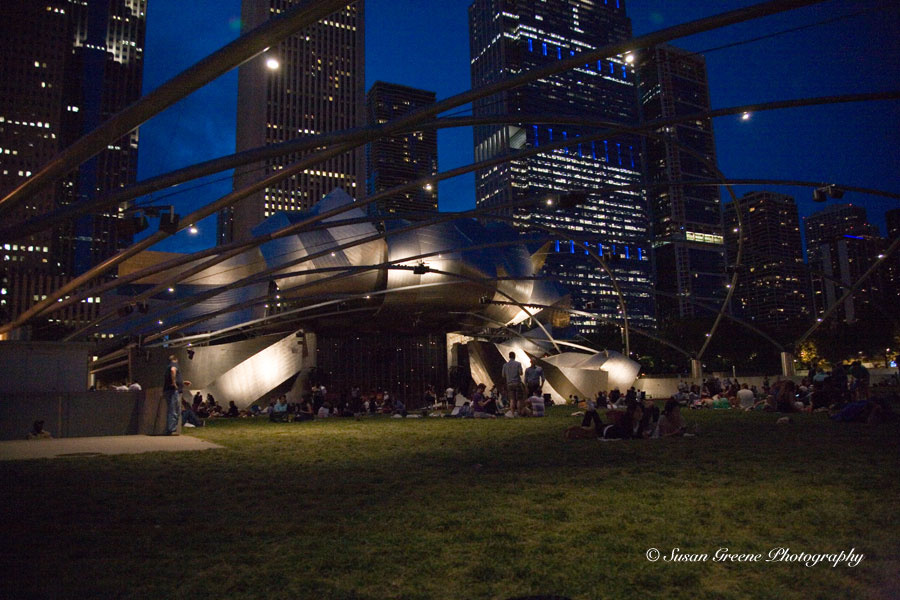
One of the many things I have learned from my visits to Chicago is that when the weather  warms up the slightest bit, people come outside. They will be out walking, riding bikes, roller skating and running. So in summer, it goes to reason, they are out in droves. This past week, I was one of them enjoying many of the outdoor activities that city has to offer. As my daughters and I sat on the lawn of Millenium Park on a Friday evening relaxing, enjoying a picnic and listening to the sweet sounds of the Grant Park Orchestra and Chorus, it struck me how nice it is to just be outside. When the concert ended, I wasn’t ready for it to be over. So we sat there being entertained by all the other lingerers, not yet ready to move on, until it was almost dark.

Pritzker Pavilion Millenium Park

Another night we went to a movie in one of the many parks. Nothing makes it feel like summer, to me, more than getting outside and watching a movie or experiencing a concert. Now that summer is officially here, the opportunities to get out and play are numerous in many, if not most, cities. Chicago has parks galore. Several of them are the sites of events during the summer such as movies in the park. There are festivals, parades and markets and the Chicago tourism website is a wonderful resource for locating an activity.

My hometown of Los Angeles offers many opportunities to enjoy outdoor activities during the summer months as well. Saturday night is movie night throughout summer in Exposition Park. Street Food Cinema, features food trucks, a band and a movie. The Getty museum hosts music on certain Saturday evenings through their Saturdays off the 405 series. Jazz at the LA County Museum of Art  can be found on Friday nights as well. Of course, one can’t forget the quintessential outdoor venue in LA, the Hollywood Bowl. Or, check out the lesser known Ford Theatre, right across the freeway from the Hollywood Bowl, for a smaller venue and eclectic mix of events featuring acts from Los Angeles County based artists. To find many al fresco activities all around LA try the Eye Spy LA website. I bet you can discover outdoor activities in your city too. Let us know maybe we will stop by for a visit.

Now go outside and play! Happy Summer!
~ Sue

…and dog will have his day

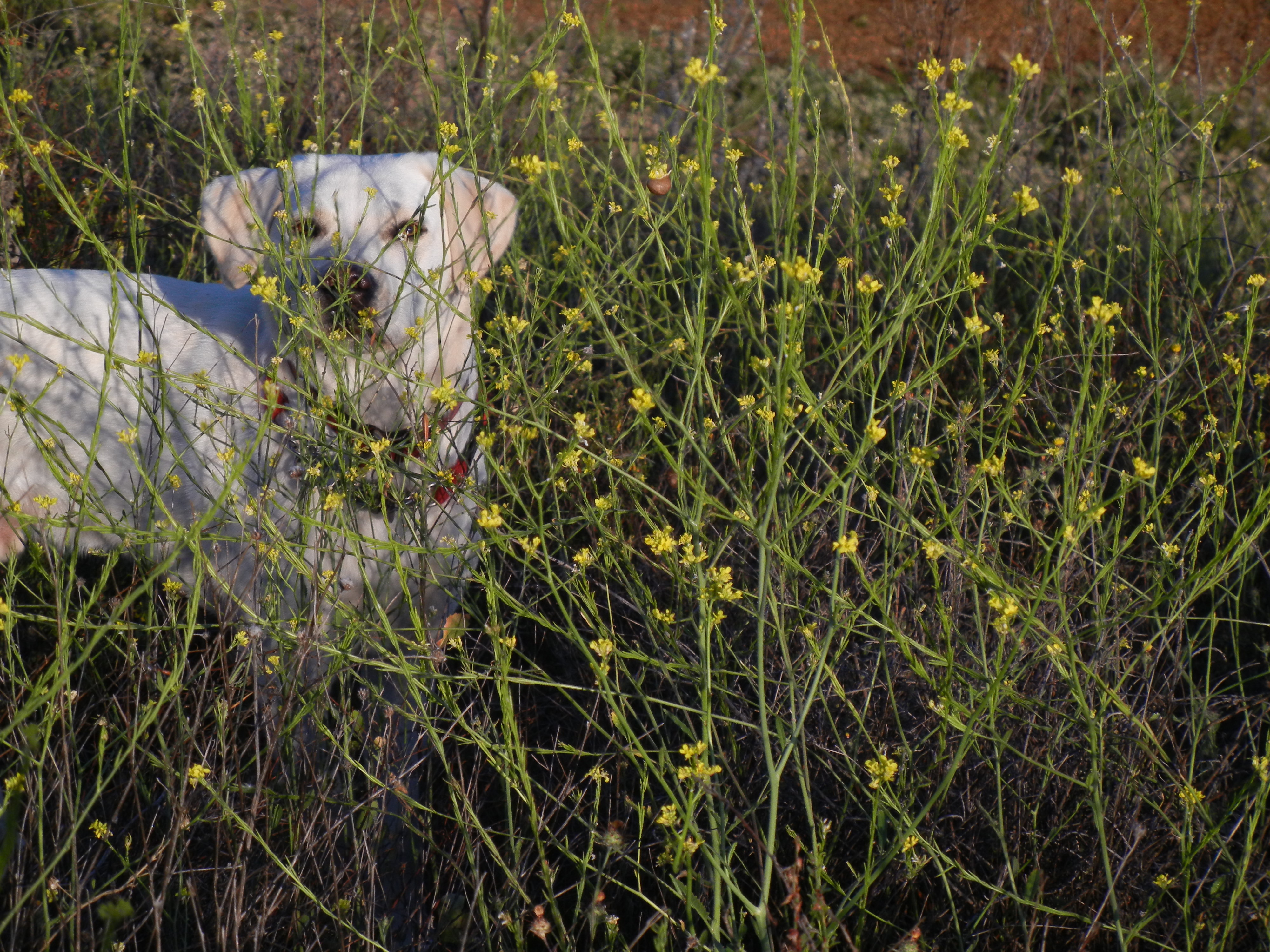
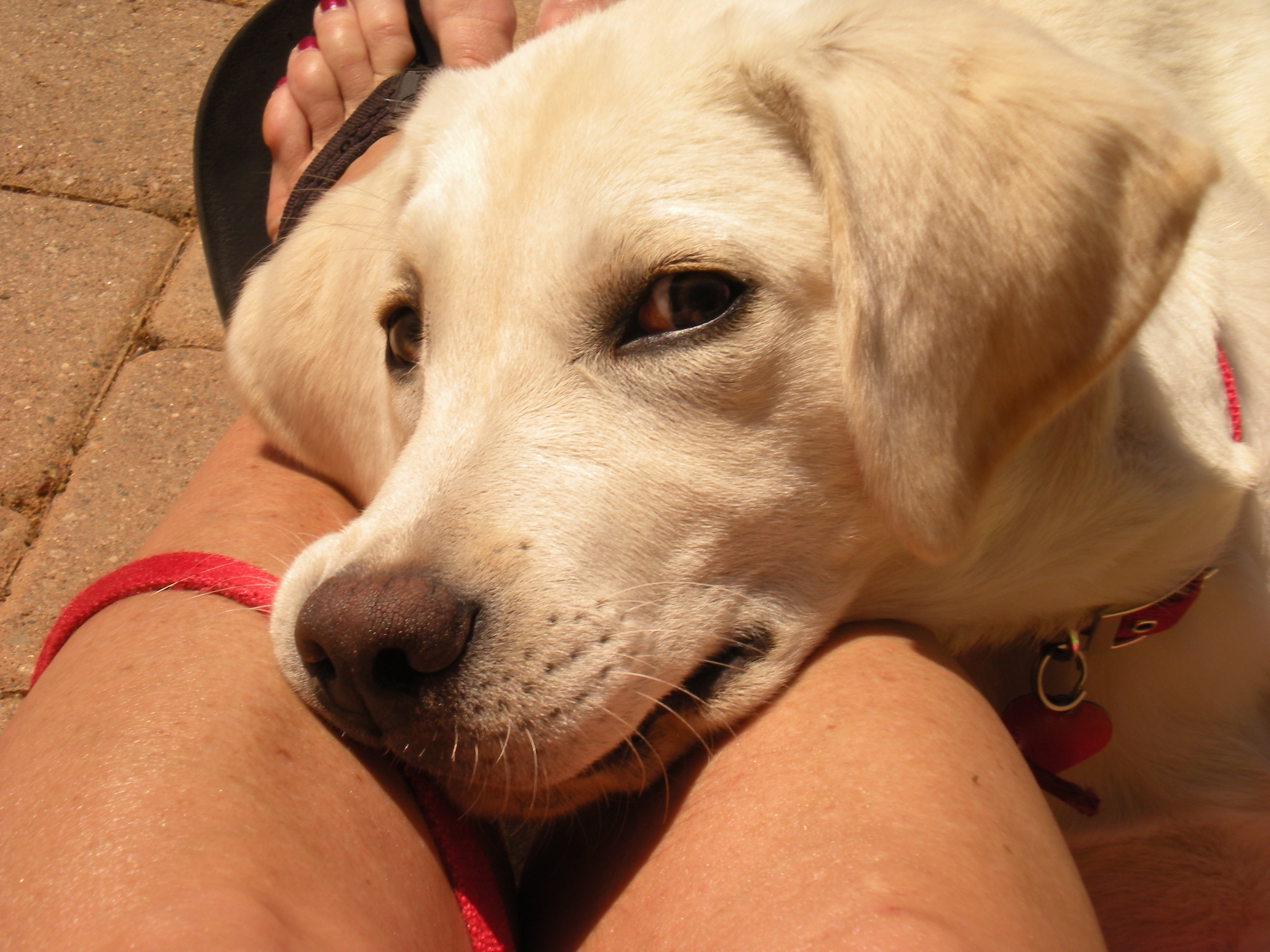
The house was shrouded in fur yesterday so I pulled out the vacuum and shooed Chester onto the balcony where he could loll in the sun. Imagine my surprise when I found an envelope stuffed beneath the sofa cushions where he likes to nap. Scrawled on the outside it said, “Just in case I ever get bitten by a rattlesnake you should read this.”  Of course I couldn’t wait for a day like that, one I hope will never come, so I tore the envelope open immediately.

Who knew Chester could write a letter?  It took me a while to recognize the italicized lines were poached from Hamlet.  It remains a mystery how that dog learned Shakespeare.

Dearest Lady,

To prove my sense of decorum is as intact as my facile ears and handsome nose, and to assure you of my faith in full recovery, I insist you read this in that lovely Laurence Olivier playing Hamlet voice you always attribute to me.

To be a dog, or not to be.
Whether ’tis nobler in the mind to suffer
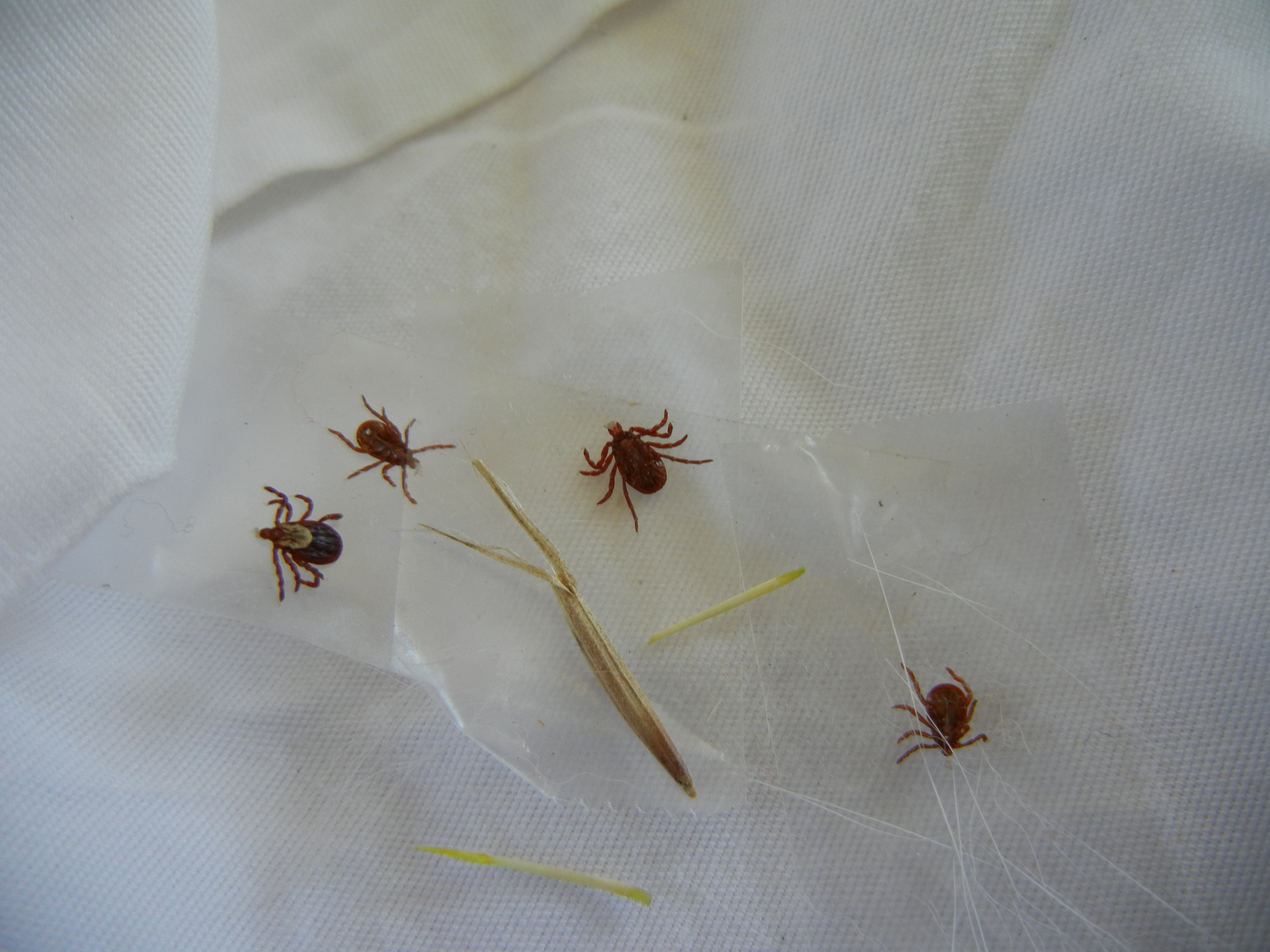
the Ticks and Fangs of outrageous Wilderness
Or to take arms against a sea of boredom
And by opposing, maybe end me

There, there, now, you mustn’t cry. Do stop.

Certainly I will recover from this dreadful rattlesnake bite with all due gratefulness for your exquisite emergency first aid procedures and your superior foresight in vaccinating me against the wicked venom even though I grumbled about that shot at the time.

You mustn’t blame yourself my dear.  It was I wasn’t it? It was my maddening insistence upon chasing those rabbits and quail and roadrunners through scrub and brush, over hill and dale and burying my nose in bush for the thrill of the flush. Oh! Even now I feel the wind in my fur and the pebbles digging into the soft spots of my paw pads and the thrill, the thrill, the thrill of the hunt! It’s utterly breathtaking sport, dear Lady. You know it was the thing I loved, not above you of course, but more than dinner.

We knew the risks.

Frailty, thy name is woman did not apply to you. Nay, you’d put on those lovely boots which heralded freedom, sunshine and adventure.  Every single day as you snapped me onto that miserable leash you stroked my head in the kindest way possible and reminded me that this, this chain was for my own good.  And then, dear lady we both knew your fine understanding of the nature of the canine spirit would triumph and though you vowed to rein me in you could not, nay you would not deprive this dog his pride and pure unbridled bliss.

Th’ oppressor’s wrong, the proud man’s contumely
The pangs of despised love, the laws delay

I don’t blame you much for that wretched Rattlesnake Aversion Training Class though it did me no good for who might see a snake coiled silent out of sight? Remember that poor family we met at class who told of Huck the Black Retriever bitten right upon the nose in his own front yard? You murmured, “if it could happen in the front yard it could happen anywhere” and I thumped my tail on the tile and said, Yes! Yes! I’ll take my chances. Yes!

To die, to sleep–
No more–and by a sleep to say we end
The heartache and the thousand natural shocks
That flesh is heir to.

I remember like yesterday the day I heard you on the phone with your mother right after spring’s first rattler surprised us on the road, the road! where you said we’d be safer.  You said, “Geez, Mom, I may as well hike. Chester loves the trail and I hate to squelch the essence of his dogginess.” My heart leapt! Lady. The pith and marrow of my essence you do most certainly comprehend.

…nature cannot choose his origin and I, my Lady, was bred and born a dog with all the instincts and needs therein.

Did I ever thank you for our post hike custom?  Do you know how much I love to lie upon my back as you croon and murmur pulling ticks and cactus quills from my belly and disentangle foxtails from my fur?  Life would have been easier for you, wouldn’t it, if I were but a sidewalk pet, a lap dog, a dullard.  Do you ever wish you’d never brought me home?

I do so hope you’ll never need to read this and for that I would be most grateful, for myself, tis true, but also for you dear Lady. Do you know I worry about you too when I see you pay no mind to where you step as you photograph the deer across our path or stoop to loosen me from branches, low and dense.

Why is there no rattlesnake vaccine for humans?

Are you feeling any better yet, dear Lady?  I know that cheering you is one of my most special attributes.  Surely I’ll be better soon.  But one thing troubles me when that time comes.

Be all my sins remembered.

Will you let me still bound free, as that is all I wish for?

If thou didst ever hold me in thy heart
With undying love,

Chesterfield Henry Huggins Keefe

I stuffed the note back into its envelope and scratched my head.  I guess you never really know what a dog is thinking behind all that silence and wiggle.

~C

Passing Through and Going On

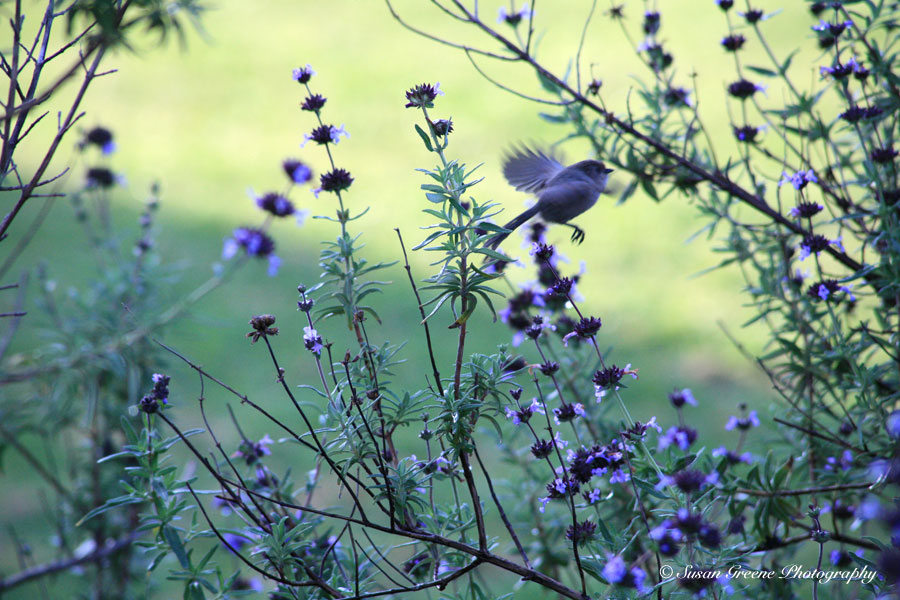
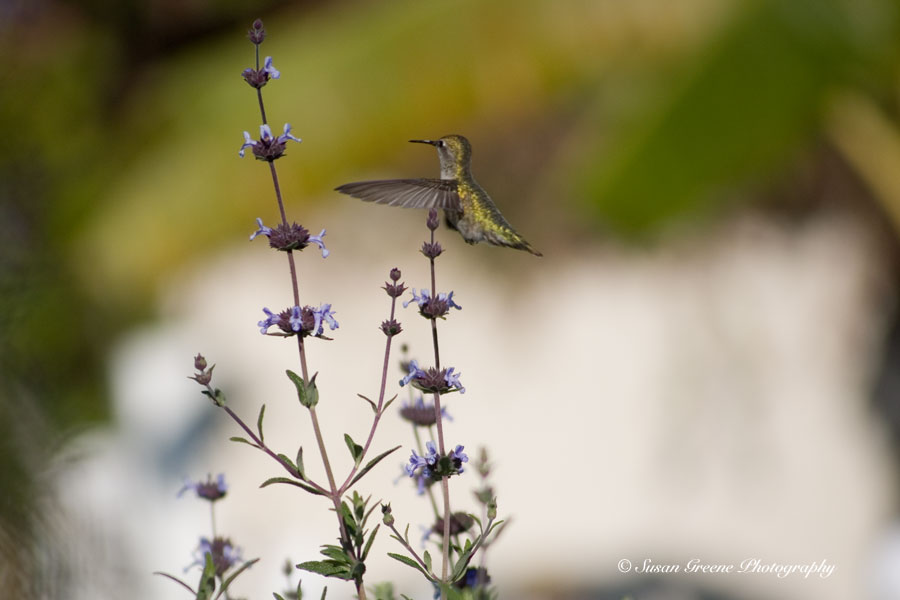
Sometimes, I like to go out in the backyard with my camera and wait to see what develops. I choose a location, set-up and wait. If I’m lucky a hummingbird or another type of bird will pass through. Other times, I see something happening and run out to capture it. This week, I have a little bit of both. . . A bushtit and hummingbird both made an appearance.

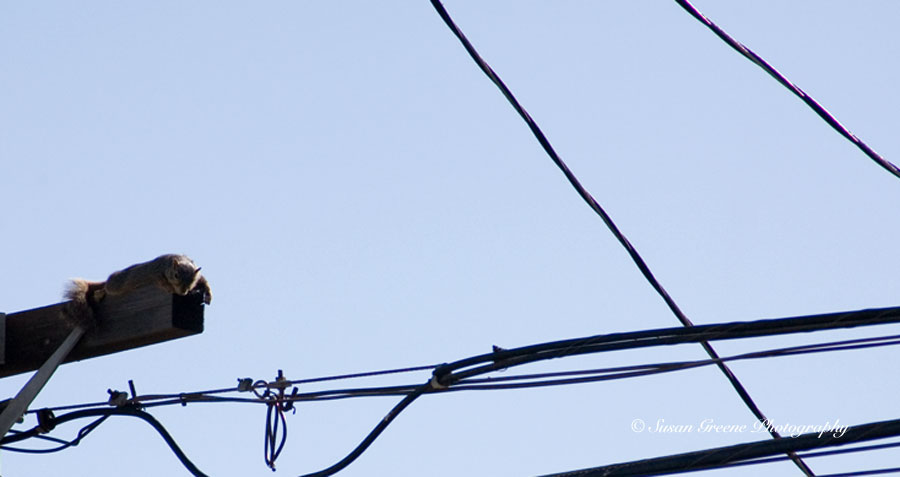
We have been trying our best to manage a squirrel and our apricot tree so that we are able to harvest at least some of the apricots. Whenever we catch the squirrel approaching, we run out to discourage foraging. However, we can’t be on guard every minute and they do get their way with the tree from time to time. Occasionally, one will take up watch on a telephone pole waiting and watching to make sure the coast is clear.

This year, they have begun leaving remnants of their marauding on display.

Lastly, I like to capture the eco warrior at work.

There is much to engage one’s lens; right in one’s own backyard.

~ Sue

I waited all winter to tell you

under the ancient oak
an empty picnic table

I wrote those lines late last December after a walk with Chester, the big white dog. I remember well the afternoon we wandered in the gloaming, he with all the bounce and romp of a puppy and I with some elegiac tang induced by another year’s looming end.

fog swirling mist
descends upon the night
chill

the stars are crying.

Why so sad? I wonder now in summer’s glare.

summer afternoon shade
untied my shoes

I wanted to tell you how the table surprised me that afternoon when I turned left on the path instead of right. There were no tables anywhere else in sight, just this one simple wooden stopping place.  I waited through January, February, the bluster of March to give it to you, not from the vantage point of the path which ran past it, but with the solidity of its worn wooden bench beneath me, with the joy of describing the summer solstice meal I ate from atop its uneven surface, with the fervent vow to eat al fresco more this summer than last.

So much depends upon a wooden picnic table in a winter afternoon.  I felt a new comprehension of William Carlos William’s 1923 poem, “The Red Wheelbarrow.”

so much depends
upon

a red wheel
barrow

glazed with rain
water

beside the white
chickens

I wanted to tell you how my table seemed embedded in the grass, as if it had roots like the oak above it, how it was the soft brown of shadow on bark with bright orange streaks where a kind of moss grew upon it as if it were a living thing.

By April I vowed to eat at a different picnic table each week this entire summer. I would dine under the sky! Describe parks and beaches and campgrounds! Find new vantage points!

Then I wondered; would that plan celebrate the novel and restless over the warm familiar? Maybe instead, I should resolve to meet this table and this table alone with my basket all summer.

so much depends
upon

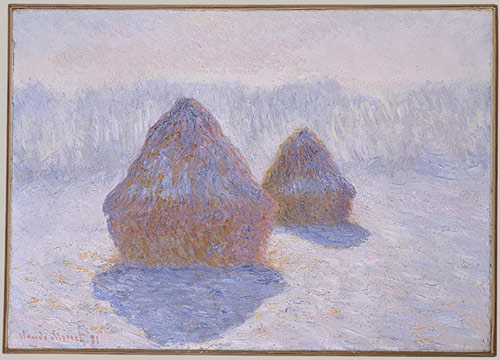
I think of Monet’s Haystacks, the artist’s study of light upon a common object.

I think of Antonio Porchia‘s slim volume, Voices, the writer’s light fixed on common man.

I have scarcely touched the clay and I am made of it.

I think of something as solid as wood in a world which feels more like a river than stone.  Anticipation is delicious.

under the ancient oak
an empty picnic table
summer afternoon shade

Summer begins yesterday.  I wait as long as I can.  Noon turns to afternoon turns to almost twilight. I’m ready with camera and Chester and a brown paper bag full of first peaches because it’s the kind of day where I don’t have time to cook.

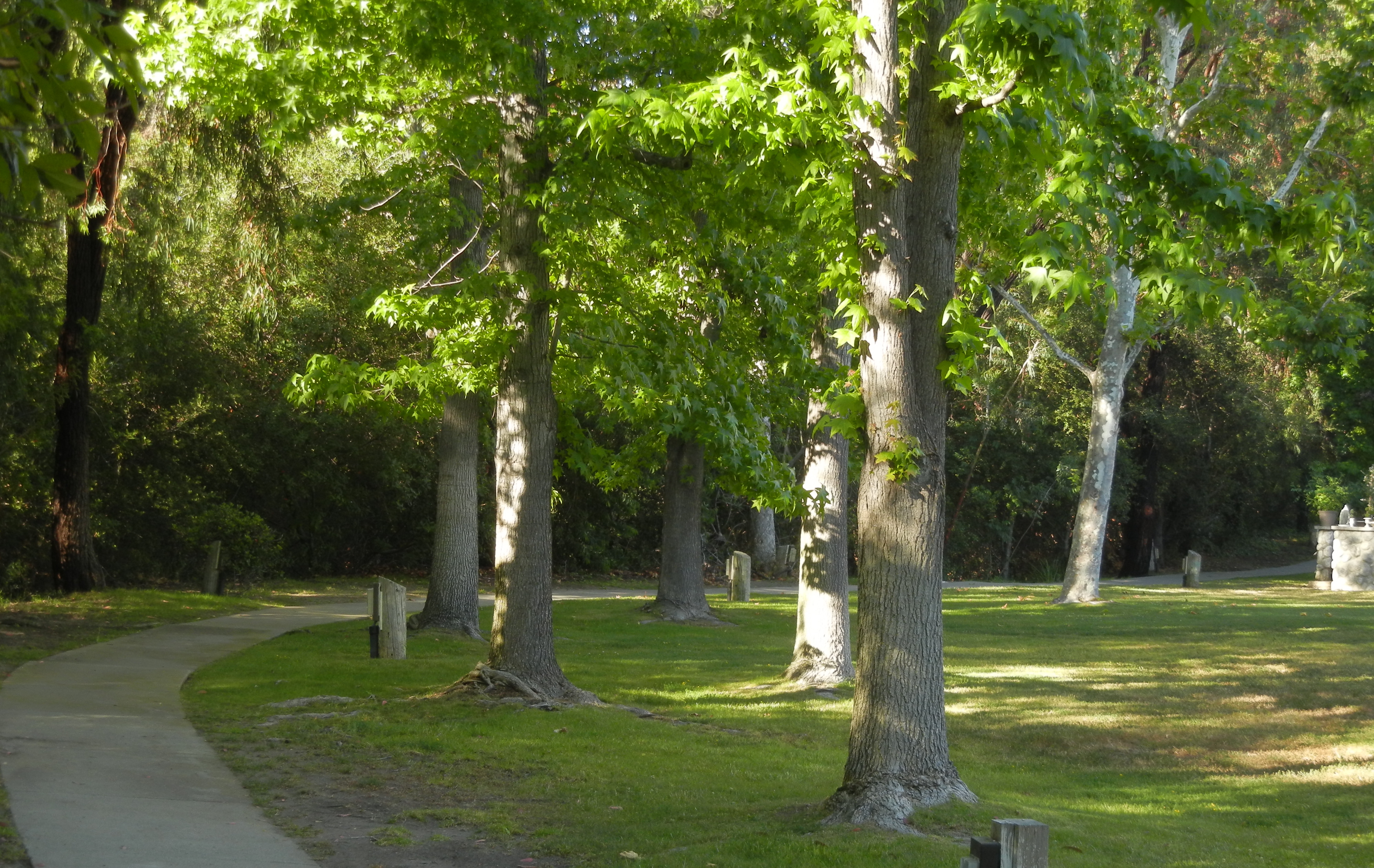
We go the long way, take the path which curves first left, then right, then around the bend of the seasonal creek, the path which places the setting sun behind my shoulders which casts my shadow long and makes me look as if I’m always arriving.

Chester pulls on the leash.
And there under the ancient oak.

It’s demolished. The table top now lies at the bottom of the creek bed.

“Certainties are arrived at only on foot,” Antonio Porchia writes in Voices.

Past tense and future crumble the present I was given and never received. As I walk home, I know. I waited too long to whisper my secret wish to picnic with you, but I will tell you now.

~ With high hopes for surprises along your own path, C

360º (or so) inspiration

I headed into the hills again. This time Will Rogers State Park in the Pacific Palisades neighborhood is the stomping ground. The trail marked Inspiration Point piqued my curiosity. So up I went. After climbing one hill, I looked back and took this shot. The polo grounds are visible in the foreground.

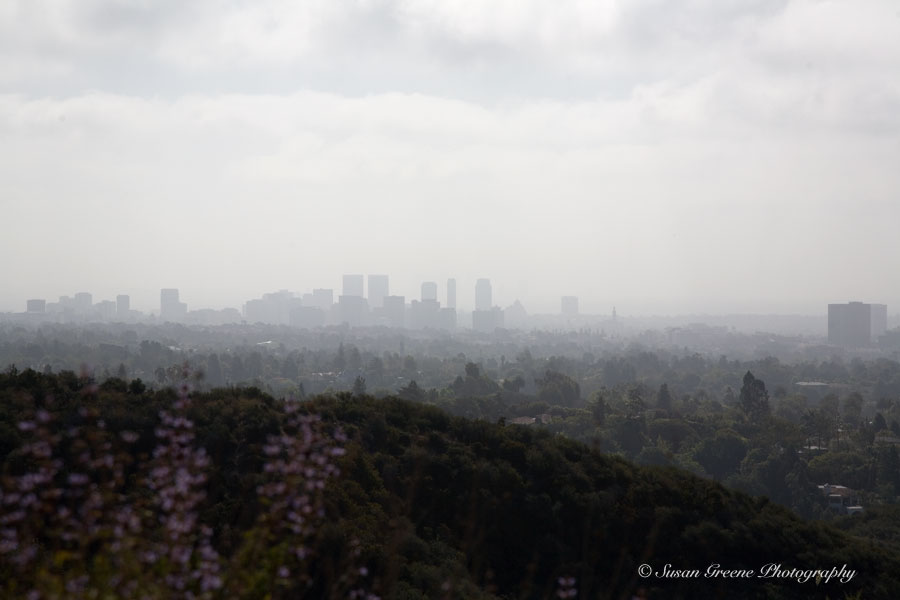
view towards Century City

It was a patchy cloud, partly sunny type of morning with some fog burning off. Onward up the hill I go. Around a bend the Santa Monica mountains come into view. I am surprised by the lack of evidence of people on this side of the hill.

view towards Santa Monica mountains

After rounding a few more bends and climbing a few more hills, I reach my destination of Inspiration Point.

view of Century City from Inspiration Point

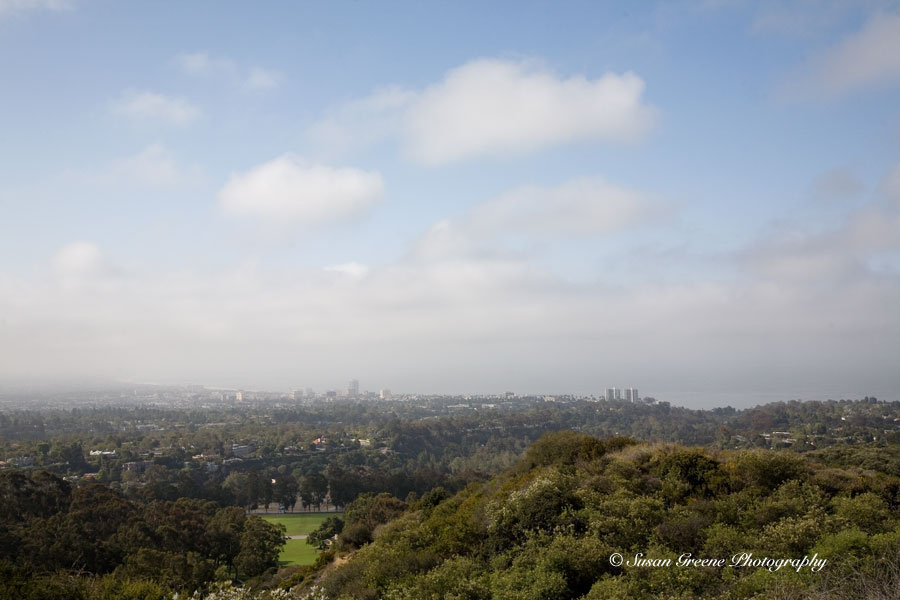
Next, I turn towards the ocean which is also visible from this vantage point.

view towards Santa Monica beach

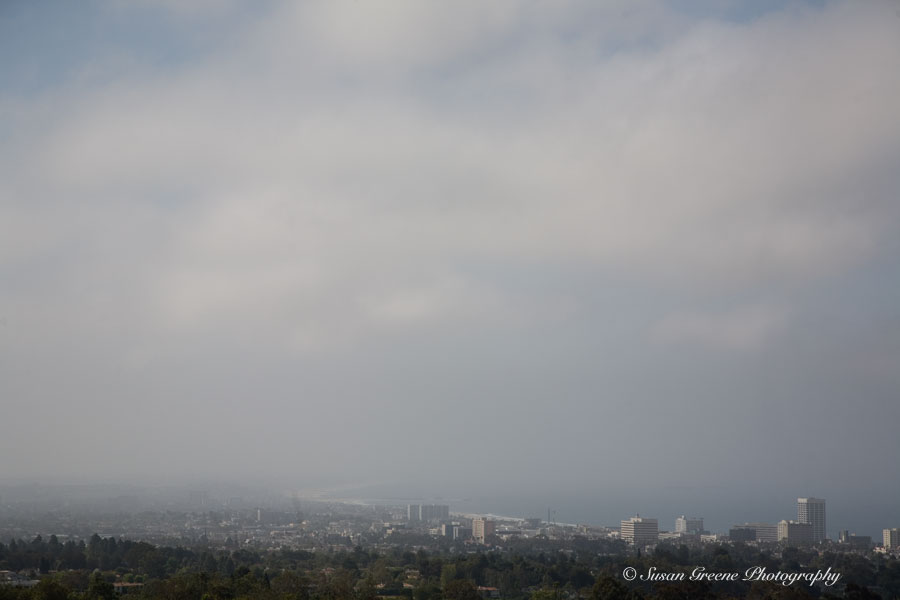
The fog is obscuring the ocean view this morning so I zoom in to see what I can capture.

shoreline Santa Monica

I can just make out the shoreline through the haze. The view of the city from Inspiration Point is impressive and the LA sprawl becomes apparent. I am inspired to return with a tripod and try to capture a true 360° view. About 270 of those degrees are urban sprawl and about 90 are wilderness. On my way down, I encountered a sign pointing the way to the Backbone Trail, a ridgeline trail in the Santa Monica Mountains running from Will Rogers State park to Point Mugu. I started down the path a few steps and a sign warning about mountain lions came into view. With the recent appearance of a mountain lion in downtown Santa Monica and the fact that I was alone on my mind, I performed a 180. I will save that for another day.

Click on the highlighted text for further information about Will Rogers State Park and the many activities available there, and the Backbone Trail.

~ Sue