Sacred Garden

Air. Earth. Water. Fire. Find the four elements of nature within life, love, work, garden, and art and you’ll create a sense of balance without boredom, surprise without chaos.

These elements have long been subjects for poets.

The Fire, Air, Earth and Water did contest
Which was the strongest, noblest and the best,

wrote Anne Bradstreet, “the first woman to be recognized as an accomplished New World poet,” in her poem, “Four Elements [Fire, Earth, Air and Water].”
DSCN3354

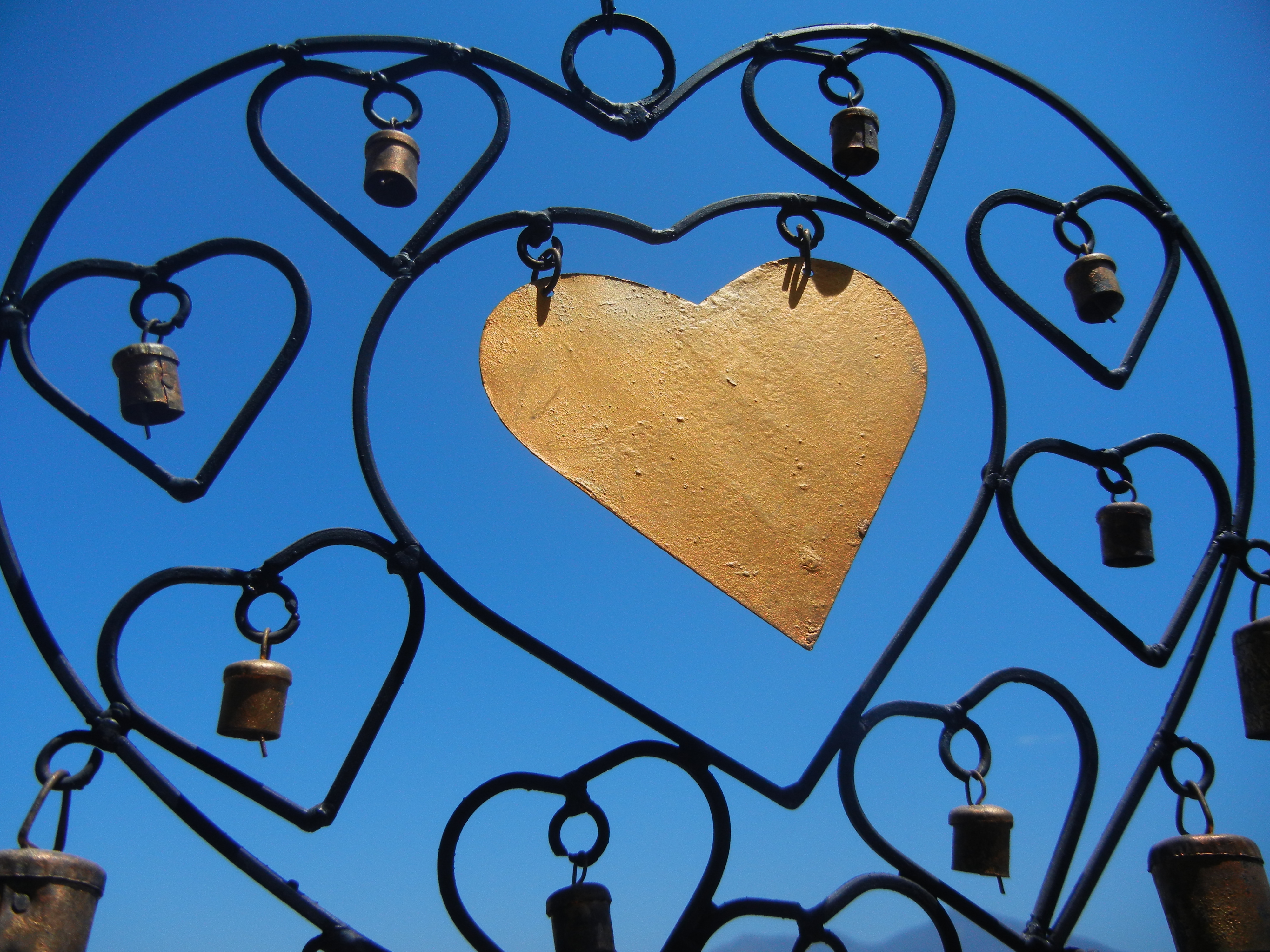
In the spirit of Sunday as a day of rest, and with an invitation to you, dear reader, to find sacred places within your own garden, patio, or apartment, I give you Day 28 poetry for the 30/30 Project.  I composed four tanka: 5 line poems with  5,7,5,7,7 syllables per line, for a complete 31 syllable poem.

Sacred Garden: Four Tanka
Air
Canyon breathes, trembles
manzanilla olive leaves.
Starlings flush. Startle
golden garden bells. Birthday
gift erupts in temple song.

Earth
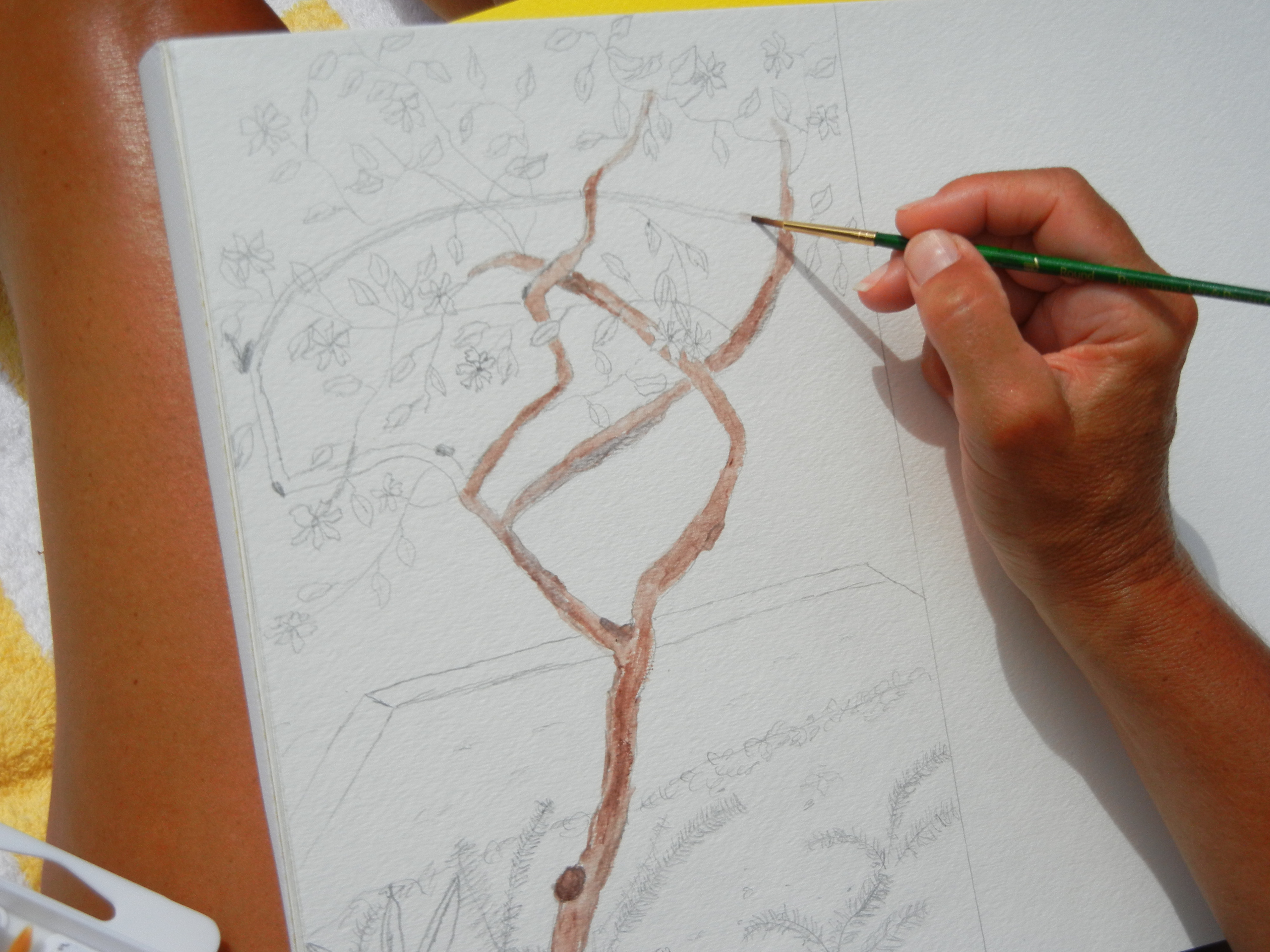
Angel’s apple tree
holds his palm imprint above
rootline his hands once
grasped, now both deeply buried —
roots and hands at rest in ground.

angels-apple-tree

Water
Patter on copper
rain chain drips a water chant.
Peace Rose bends toward war
veteran’s gate. I watch him stand
in open storm, hands clutch rain.

Fire
Votives lit on rocks
every night an evening prayer.
Dinosaur bones once
found here, two fossils. We too
press lantern path, watch light rise.

_______________________________________________________________

While I’m happy enough with these poems – written in a day – they’re not finished, in a true poetic sense yet. Complete tanka needs a turn between lines 3 and 4, “a pivotal image, which marks the transition from the examination of an image to the examination of the personal response.” Poems, like gardens, need constant pruning, rearranging, and feeding.  What inspires you?  Why don’t you try your hand at writing tanka today while your feet are resting on a ledge.  You’ll find a complete discussion of the form on the Academy of American Poets website here.

To balance,
~Catherine

p.s. In the spirit of small things, did you know that a donation of $10 to the 30/30 Project as a gesture of support and love for poetry and its publication, is as beautiful as the tiny blossoms on Angel’s apple tree?

Oh my, thank you!

Bee still my heart.

DSCN2810

Sorry, I couldn’t resist the pun, I’m so bowled over with gratitude to you dear readers who cheered and cajoled, who read and donated to the 30/30 Tupelo Press Poetry Project this month while I turned poetic cartwheels all over the form manual based on an idea hatched about trying to harness the nature of words by grappling with poetic structure. (You can reread that post, “Five Lines to Challenge Chaos ” here.)

Art happens when we’re attentive.  I photographed this heart-shaped bee swarm on vacation in June at Kalapaki Beach, Kauai and weeks later the image worked its way into my poem, “Self Preservation Techniques the Body Knows By Heart.” (You can read it on the 30/30 Project, Day 10, here.)

Creativity blends the actual with the possible, the real with the dream, all under the wings of infinite tinkering, discipline, and technique.

If you’re the type of reader / writer who likes to experiment, I’ve made it easy for you to begin your own monthlong poetry writing adventure by cataloging the forms I played with this month.  You can find all the poems on the 30/30 Project website.

Incantation (Day 1)
Persona poems (Days 10, 12, 13, 15)
Cut-up (Day 4)
List poem (Day 6)
Concrete poetry (Day 8)
No Word poetry (Day11)
Epistolary form (Days 13 and 19)
Sonnet (Day 15)
An experiment with poetic duende (Day 19)
Cento (Days 16 and 30)
Found lines (Day 20)
Cinquain (Day 21)
Reverse poem (Day 26)
Tanka (Day 28)
Litany (Day 29)
All the other poems are lyrical free verse, including today’s, “Reseeding With Grace,” below.

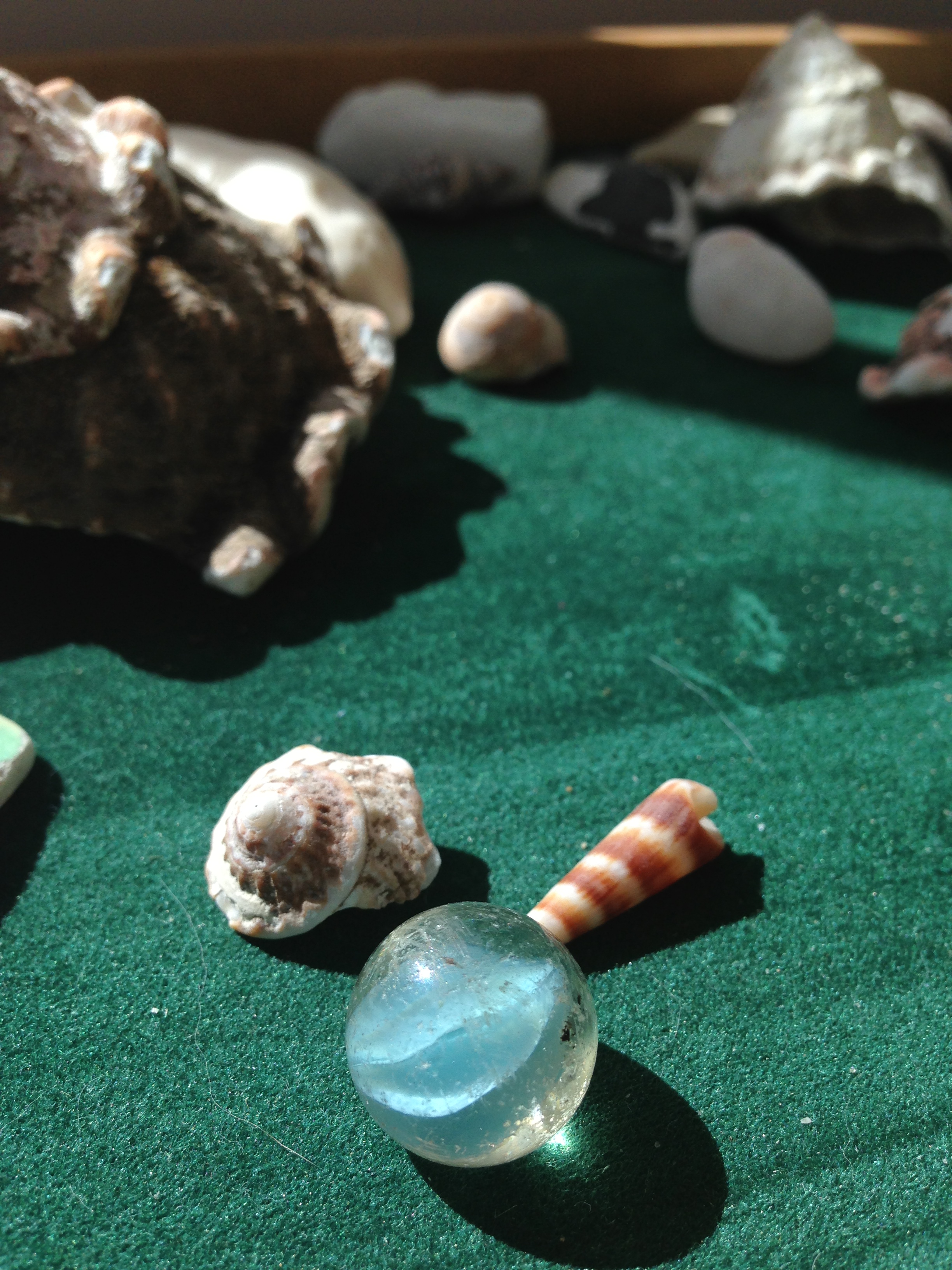
marbleReseeding With Grace

Three barefoot women alone on Glass Beach wade ankle deep into black ocean
brown paper bags bulge with marbles god it’s cold! in dead of midnight.
Grace insists on ceremony.

Glinting arcs rise by fistful
cat’s eyes, corkscrews, clearies, aggies, onyx, swirlies sail through dark;
three women in silver grace tones harmonize like McGuire Sisters
          Somethin’s gotta give, somethin’s gotta give,
A plop between waves and plip! The arthritic arm has no heat.

Full moon a cliché as silver curls from hand to sea
glassy marbles opaque as eyes turning —
returning here where marble find was proof enough of lucky day
promoted to windowsill status at homes dressed with curtains now
fading and thin as pink daisy aprons hidden behind the pantry door.

God I’m cold! Grace shivers
receding, holds up blue pearl to her eye against moon
whispers under breath
for tomorrow and tomorrow and tomorrows ‘s granddaughter
plip! last marble sinks into moon glowing foam.

Waves lap feet submerged in bone cold sand, sinking further and further.
Grace flings up hands to stars,
We lost our marbles!

Three silver women in moonlight clasp each other up against the tide
shimmy shudder silent laughter drowns out the cold,
slowly sinking treasure just now out of reach.

______________________________________________________________________

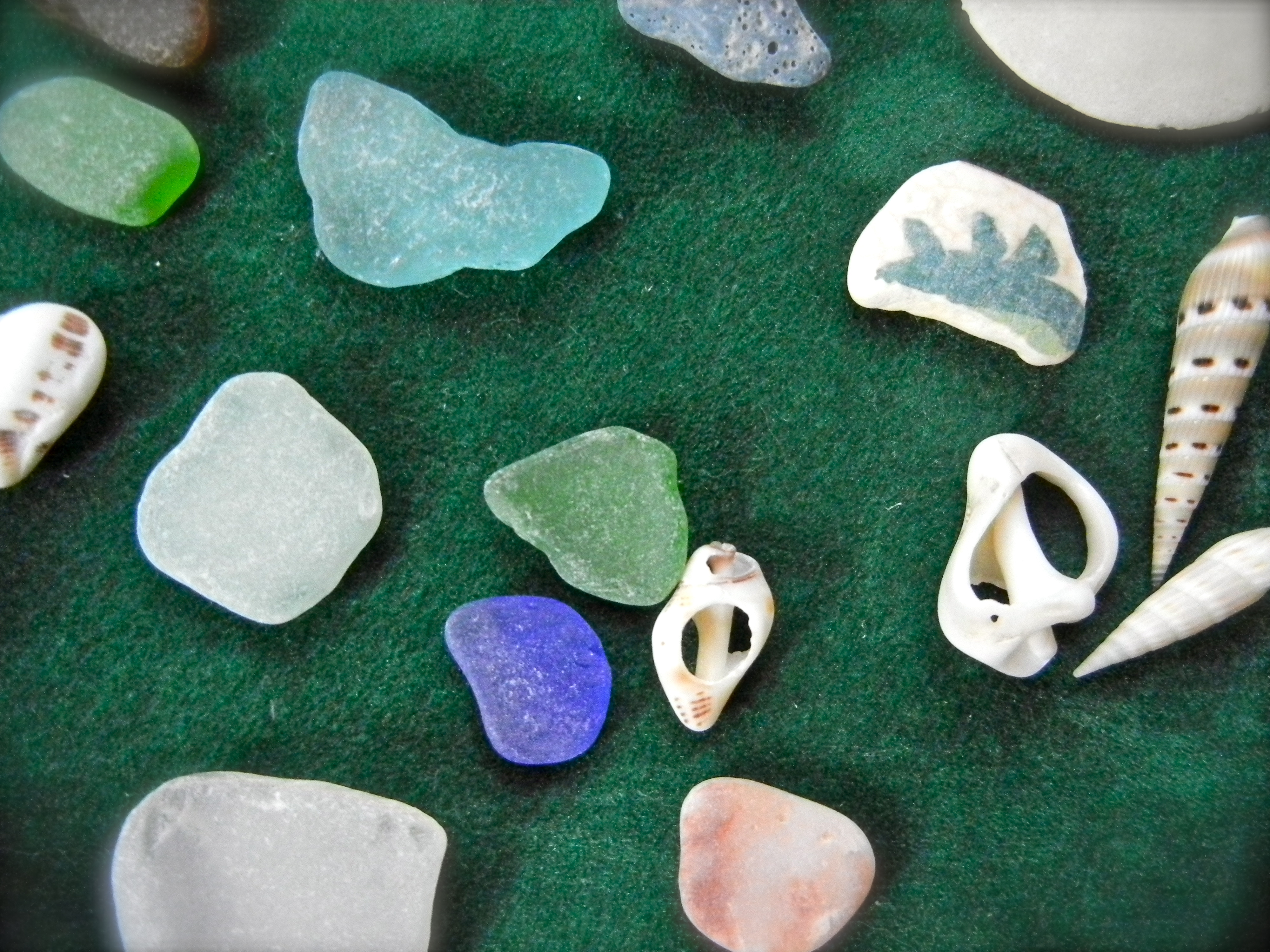
Back story?  A few years ago I spent several months near Glass Beach, WA, a treasure trove of marbles, sea glass and pottery shards. I met some women there who talked about how, at a certain age, they’d reseed the beach with their collected marbles – the most prized find – for the next generation. I often wonder if they ever did. Based on the women’s personalities, I imagine it might have gone down something like this.

If you’d like to make a small contribution on my behalf to the 30/30 Project, there are still a few more days in July.  In the meantime, I’ll keep turning cartwheels while wonderful readers like you help poetry grow and thrive, and small literary presses stay in business.

Hold onto your marbles as long as you need them,
but when it’s time to let go, here’s hoping you find all the grace you need.

With joy and gratitude,
~Catherine

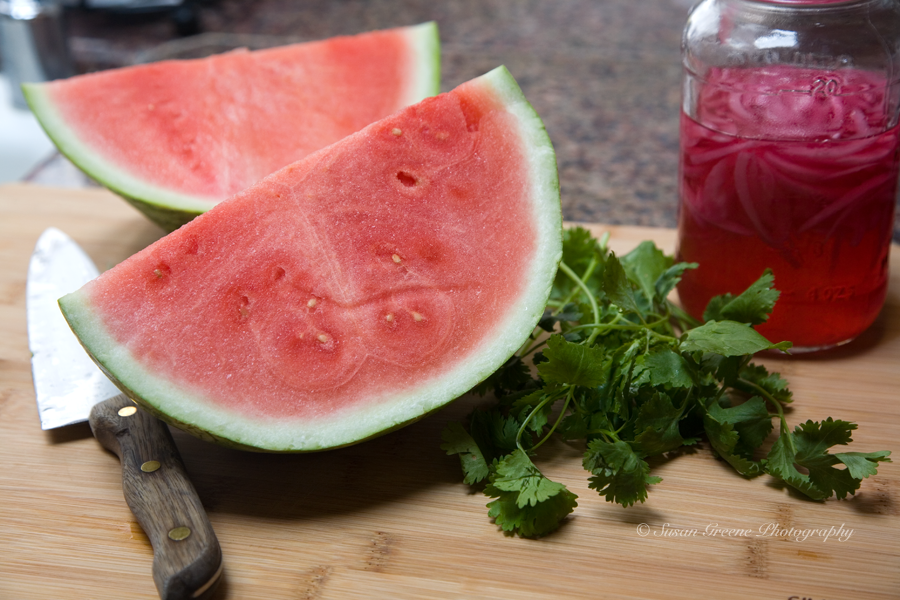
The Weekend Dish – Watermelon Gazpacho

_MG_9092 watermelon gaz

Some meals and/or certain dishes will stay in your memory long after consumption. It can be the unique flavors, the setting and dining experience or even the plain and simple pleasure of a well-made dish. Last week, I had one of those memorable meals. Some of the backyard family gathered at a local museum for dinner and entertainment. It was memorable for the occasion (the backyard mom’s birthday), the musical accompaniment (a musician playing exotic sounding Latin American instruments; one which produced a growling jaguar sound transporting me to the rain forest) and the delicious food. I chose watermelon gazpacho for my first course and enjoyed it so much I decided to try and create it myself. Working from my memory of the ingredients listed on the menu as a starting board, I came up with this version, making a few changes and adjustments for my own tastes.

Watermelon Gazpacho

  • pickled red onion (recipe follows)
  • 1/2 watermelon
  • balsamic reduction (recipe follows)
  • cilantro, sliced
  • piece of toasted bread to float on top if you choose

Cut the watermelon into chunks and place in a blender.

_MG_9101 watermelon gazWhir at a medium speed, pushing down occasionally to move the pieces down to the blades, until the watermelon is a liquid, about 30 seconds. (This is a yummy drink on its own or with an added squeeze of lime.)

_MG_9105 watermelon gazPlace a few of the pickled onions on the bottom of the bowl

_MG_9136 watermelon gazPour the liquefied watermelon over the onions. Drizzle the balsamic reduction according to your taste, I use about 1/2 tsp per bowl of this size. Sprinkle sliced cilantro on top and lay a thin slice of toasty bread on the top if you choose and serve. Depending on the size of your bowls this recipe makes 4-6 servings.

_MG_9142 watermelon gaz

Pickled Onions

  • 1 cup water
  • 1/2 cup apple cider vinegar
  • 1 Tbsp sugar
  • 1-1/2 tsp salt
  • 1 red onion, thinly sliced

Mix liquids with salt and sugar and stir until dissolved. Pour over the onions in a jar. Sit at room temperature for 1 hour. Keeps in the refrigerator 2 weeks. Also, is a nice accompaniment to meat.

Balsamic Reduction

  • 1 cup balsamic vinegar
  • 1 Tbsp honey

Bring the balsamic and honey (in a heavy-bottomed, non-reactive saucepan) to a boil over medium heat. Adjust the heat to maintain a steady simmer and keep simmering until reduced to 1/3 cup and it becomes a honey-like consistency. (This takes about a half an hour and gives your house a strong vinegar odor but is worth it.)

Just the thing for adding refreshment to a summer evening of dining al fresco, watch out for the jaguars.

Happy Birthday again Mom!

~Susan

Strange things happen at midnight

“This is thy hour O Soul, thy free flight into the wordless,
Away from books, away from art, the day erased, the lesson
done…”    from “A Clear Midnight” by Walt Whitman


My head has been in perpetual midnight this month. I walked off an airplane and into the terminal leaving my gate-checked carry-on luggage sitting on the tarmac. I accidentally left my cell phone on my car’s back bumper and drove away. I’ve taken Chester out for walks without his leash and set off the smoke alarm when the bread I forgot in the oven burned. For 25 days now my body has been on earth, but my heart and soul have been tuned into the frequency of the poetic muse on the Tupelo Press 30/30 Project.  Sometimes I look at my feet just to see if they’re on the ground, craving the “free flight into the wordless.”

IMG_0801

The experience has been weird and wonderful and I heartily recommend a one-month total immersion in whatever you love to do. Your support – by reading and forwarding the poems, by joining the Orange Whistle Secrets Divulged group, by e-mailing to discuss poems, and by donating to Tupelo Press – is deeply appreciated. You have no idea how much a kind word fuels literature.

Just for you, dear readers, I’ve reprised two favorites from the 30/30 Project website.

From Day 20
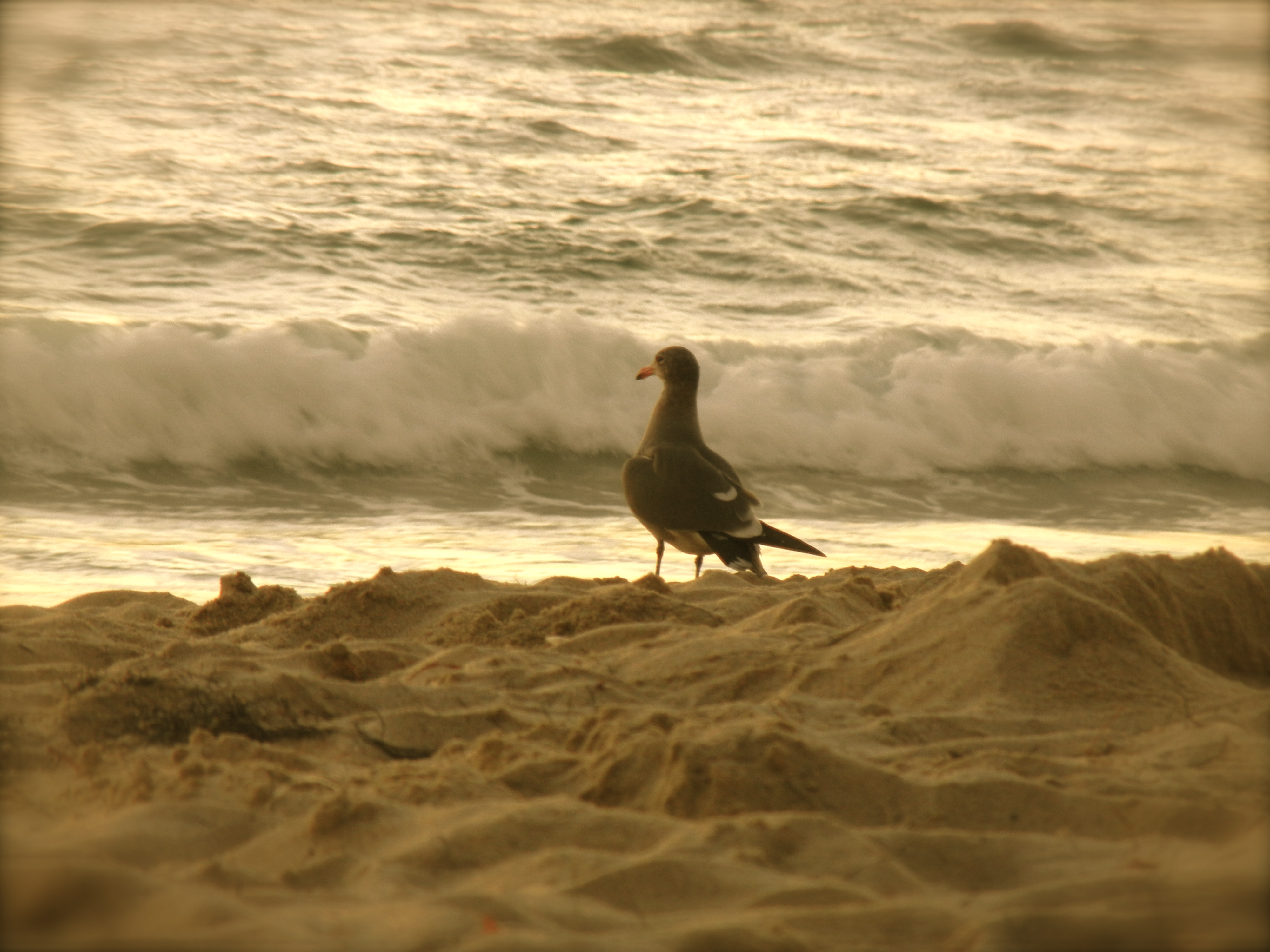
gullWhat the Gull Heard One July, Main Beach, Laguna   

If I tell you a secret, will you promise not to tell?
Never trust a woman sitting at a table alone without a glass of wine at dinner.
Of course she’s difficult, that’s her schtick. She calls herself a Mensa puzzle.
“What did you expect, hula girls?”

Careful, surf’s rough.
My wife thinks I’m at work today.
That seagull, like your eyes when you wake up before you put your glasses on.

Before I wanted to be an artist I wanted to be a saint.
What did you create this afternoon? Havoc at the very least.
I wonder if the pigs are out. No sharks today.
Only looking, no touching.

I thought the ocean would be bluer.

Mama, can we have our Daddy back?
Living gives you heart trouble.
We have so many issues we should open a newsstand.
I’m a lot like Barbara Streisand except that I don’t sing.
Would you mind if I walk alone for a bit?
This would be a great spot to get married.
Hey, hey, don’t run. You’ll knock people over.

I’m starving. I’m cold.
Hit your mute button.

Things that are worthwhile are sometimes more difficult.
There’s no need to yell.
That wave that knocked you over was God’s way of saying you shouldn’t walk out so far.
It’s nothing like the pictures.
It looks just like the photo!
3.  2.  1.
Snap.

And from today:
photo-21

Faith

We hear of rain
some years
breeching banks
creating a right flood.
Horses stampede. Fish take up in the basement. Whippoorwill trills all night.
Other times
drought.
Cicadas. Flat shimmer. Dust for breakfast.

 Water, so very much like love.

 Saying It’s the season
isn’t enough to end a parch
right where you stand
palms up, head tilted skyward, mouth an open urn.
I see you wait like you are sure
it will rain once again.


You can read all 25 poems at the 30/30 Project.  (Day 22 was written just for one of the Backyard Cousins.) If you’ve been meaning to make a small donation to the press, time’s almost up if you’d like to mark “In Honor of Catherine Keefe.” Come August 1, I’ll be back to my more grounded self and you’ll never hear me ask you for a single thing again.

Long live books and readers and poets who write at midnight. Long live those who support the arts rather than grumble about the decline of fine publishing.

Looking toward dawn,
~Catherine

What’s an F-stop?

We have explored ISO and the effect it has on exposure the last couple of weeks and next, we will consider another component of the exposure triangle in photography: aperture. The aperture is the opening in a lens, which can be adjusted to be larger, smaller or somewhere in between. The numbers representing this opening are called f-stops. The f/stop numbers have an inverse relation to the opening size: the smaller value of the number the larger the opening in the lens and more light is let in; conversely, the larger the numerical value the smaller the lens opening and less light is available.

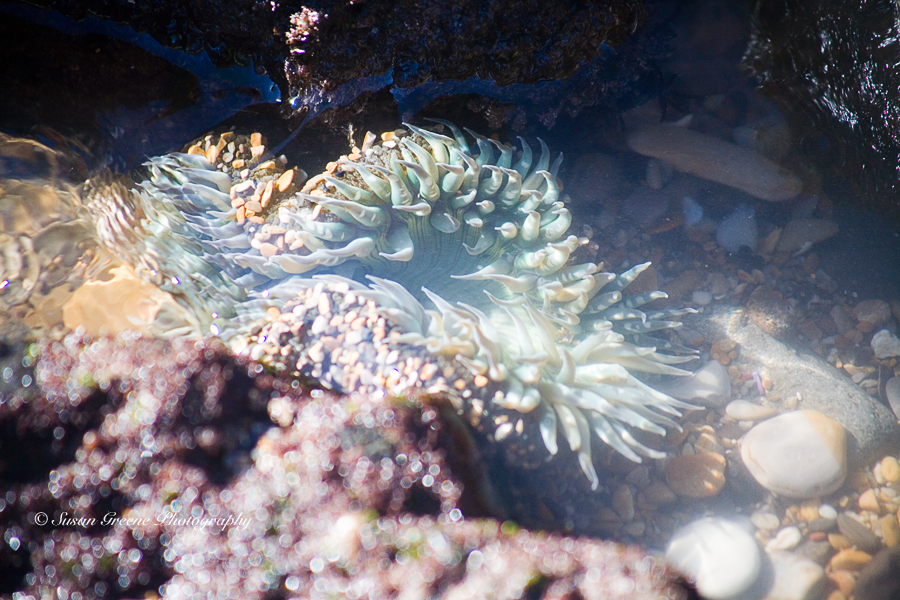
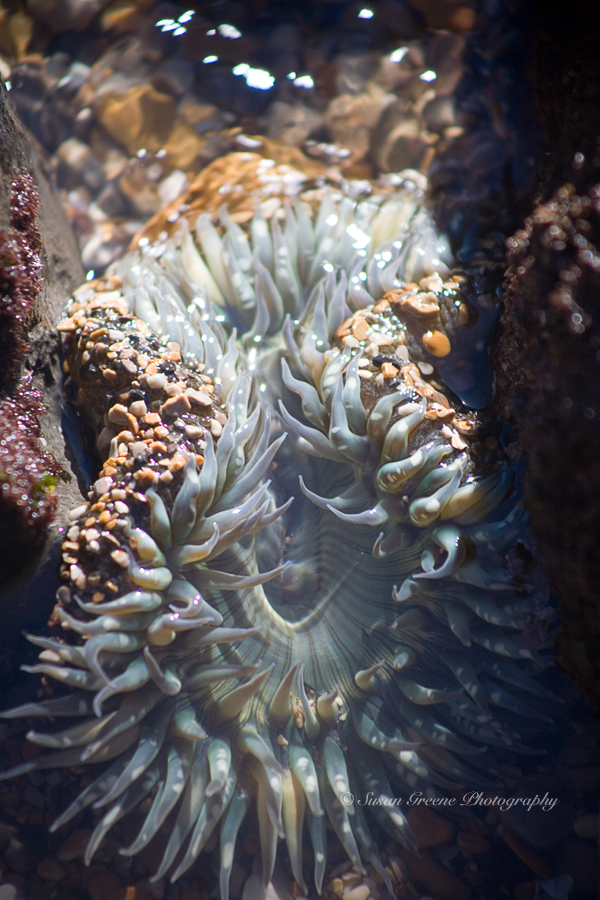
_MG_8079anemoneWhen shooting at a wider opening or, a smaller numbered f-stop, the depth of field is also affected. With the lower f-stops or smaller numbers, you have a shallower depth of field; especially helpful when you want to isolate your subject from the background.

_MG_8083anemoneHere, using an f/5.6, the anemone is in focus but the top portion of the photo is beginning to blur.

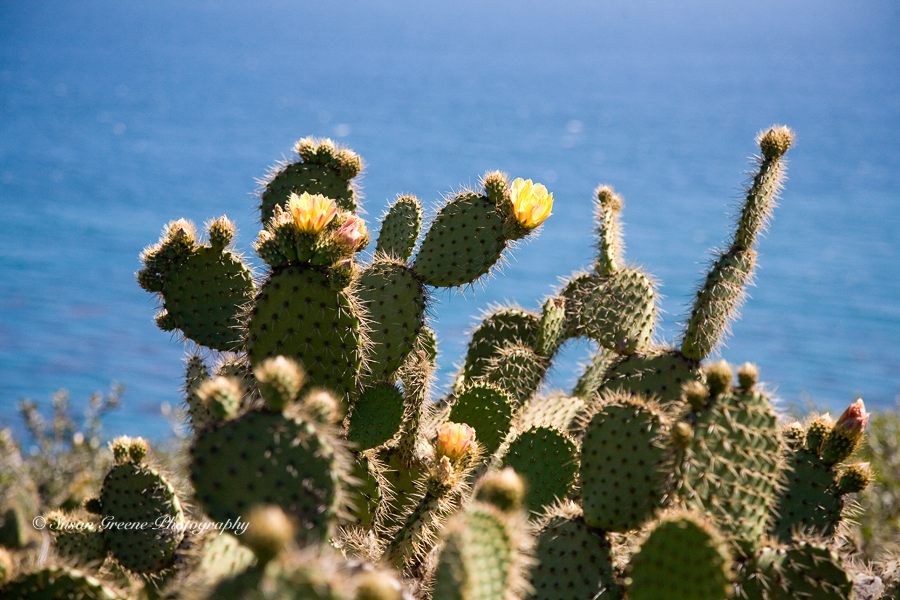
A smaller f-stop can also be used when shooting landscapes and you want to bring attention to one element or person.

_MG_5453shore cactusSince the ocean is on a very different plane than the cactus the ocean water details turn a velvety blue when using the f/5.6 setting in this photo.

For the egret in flight, a f/7.1 setting was used which results in most of the elements of the photo in focus.

_MG_8564egretWhen everything in sharp focus is the goal than an f-stop of 11 or higher should be used. For this landscape, I chose a setting of f/22.

_MG_8088rocky shoreIf you would like to re-visit another backyard sisters post on depth of field and f/stops using a different subject click here.

Also, if you would like to learn more about exposure, there is an excellent book by Bryan Peterson titled Understanding Exposure, it gives an in-depth explanation of the different aspects of the exposure triangle accompanied by creative and colorful photos.

This week you will find me out looking for depth in my field,

~ Susan

Low Light, High ISO

Traveling, for me, involves evening and night time strolls around cities and visits to museums and cathedrals. All these have one thing in common, the available light is very low. When strolling after dinner and exploring a city, I don’t usually want to carry a tripod and prefer the natural light as opposed to using a flash. So, turning the ISO up helps me get the shot. After arriving late one evening in Oklahoma City, I went straight to the Memorial and arrived as the sun was setting. As night fell and the lights turned on, I turned my ISO up to 1600 and tried to do justice to the solemnity of the location.

OK City memorial iso

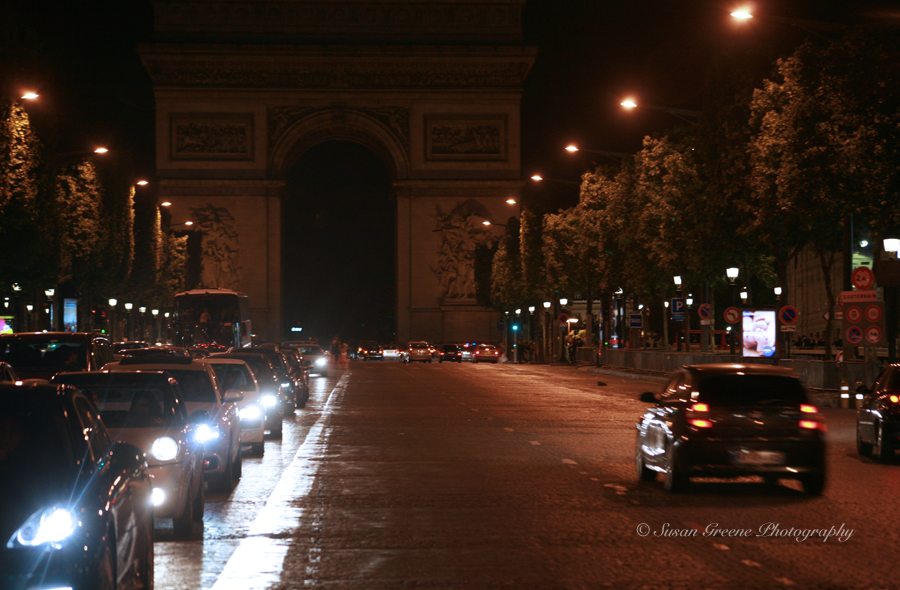
Walking around the city of Paris one night I pulled out my camera and set my ISO to 800 and snapped this image.

l'arc de triomphe iso

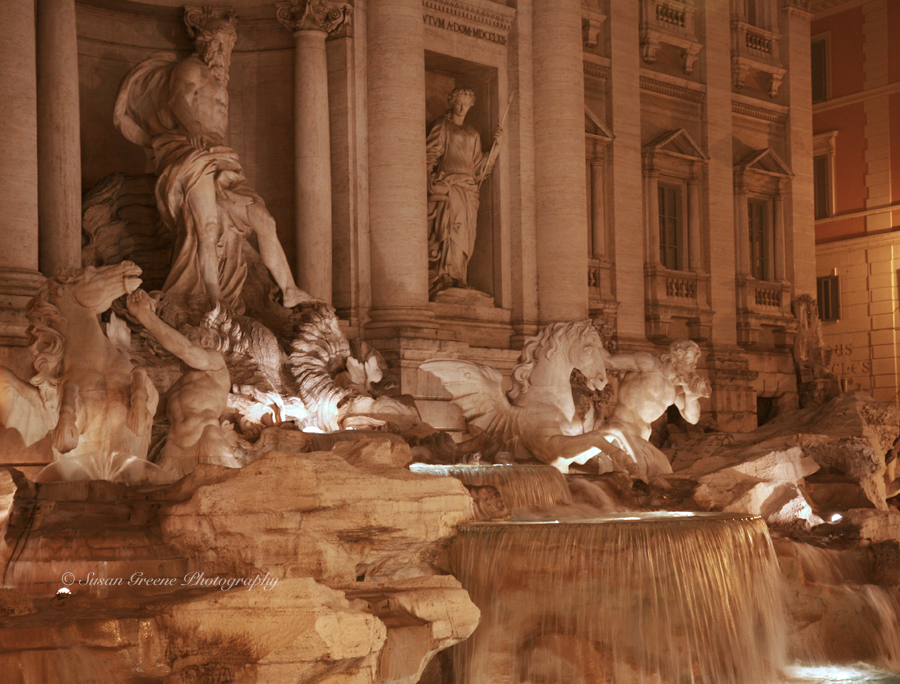
A night time stroll about Rome lead to this famous fountain and it’s night time appearance. I used an ISO 800 here so I could use a slower shutter speed and let the flowing water blur.

trevi fountain iso This fountain is no less popular at night.

trevi fountain crowd iso


Many museums and cathedrals don’t allow flash photography. At the Centre Pompidou, I turned the ISO up to 1600 which allowed for a shutter speed of 1/60 with an f4 to capture this intriguing work of art.

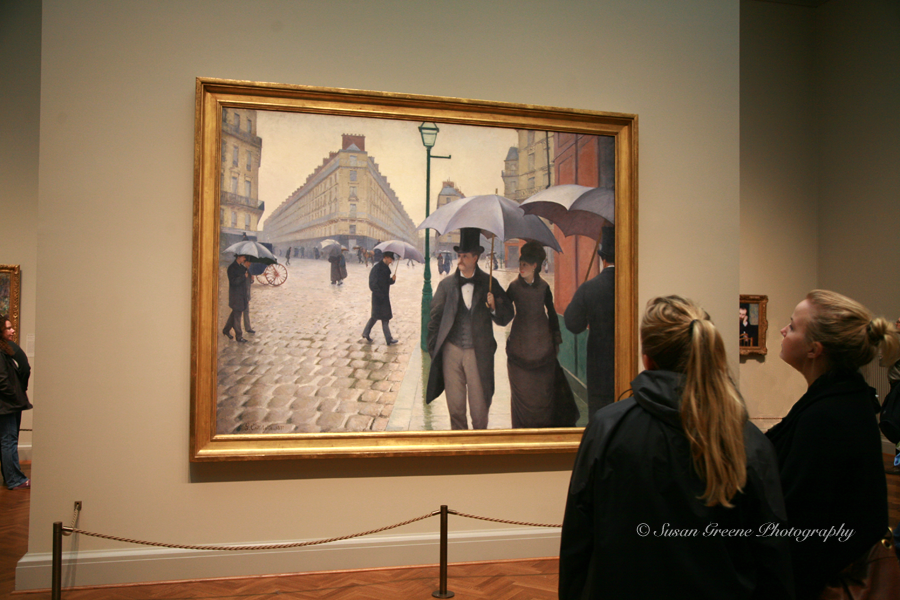
centre de pompidou isoThe Art Institute of Chicago is the home of many works of art and  I was able to view one of my favorites, Paris Street; Rainy Day by Gustave Caillebotte. Seeing this up close and personal meant I couldn’t pass up the opportunity to capture it. ISO set to 800 for this one; you may find that the lighting in a museum allows a little lower ISO setting to be used.

art institute iso The Museo dell’Opera del Duomo Is the location of the Florence Pietà and after having just seen the St Peter’s Pietà I wanted to see this version, the ISO set to 1600.

Florence Pieta iso

In Europe, the cathedrals are just as full of art work as the museums and flash photography is often frowned upon or not allowed.

The statue of the Madonna and Child, in the Basilica di Santa Maria Maggiore, captured my attention by their outstretched hands and the way they seem to be welcoming and greeting so peacefully.

madonna and child isoRemember to look up in cathedrals for the ceilings are usually very impressive also.

St Peter's ceiling isoThis ceiling from St Peter’s Basilica with the shaft of light shining down is an example of the details given to every inch of space.

Newer cameras’ ISO capabilities have grown tremendously. My Canon 5D original version high end ISO is 1600 expandable to 3200. Last holiday season, I had the chance to use a Canon Rebel T4i with a high end ISO capability of 12,800 which is expandable to 25,800. I took it out in to my neighborhood and shot some Christmas lights hand held and was very impressed with the quality of the results.

Christmas lights isoUsually, I need a tripod when shooting the Christmas lights in my neighborhood but here I used ISO 10,000 and was able to capture this scene.

Sometimes, a high ISO is necessary to get a low light shot.

Try turning off that flash and raising your ISO and see what you think.

~ Susan


The Weekend Dish – Roasted Vegetable Salad

salad 1

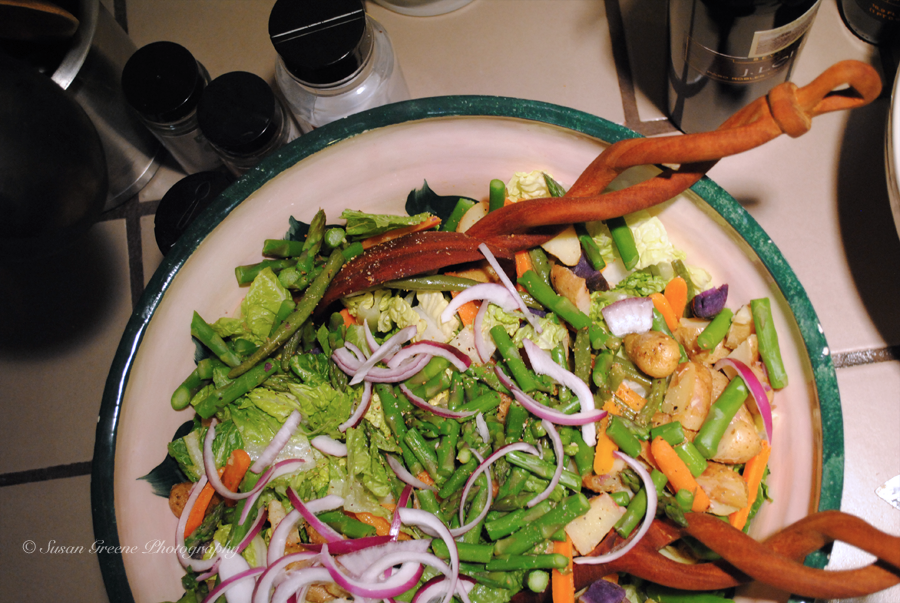
Salads are the ultimate creative dish. With lettuce as the canvas, the possibilities for additions are practically endless. Then, there are the other types of salads that don’t even use lettuce. Just look at the length of some salad bars! This backyard sister’s nightly dinners invariably include some sort of salad. The same is true when we have a gathering of the extended clan. It was just such an occasion, a gathering of the extended clan, that the youngest backyard sister served this roasted vegetable salad. She is one for creating sans recipe but she so kindly shared her salad creation technique.

Roasted Vegetable Salad

  • Asparagus, cut into inch long pieces
  • Potatoes, cut in to bite size pieces
  • Green Beans, whole or cut in half if you like
  • Baby Carrots, cut in half lengthwise

Roast these vegetables in enough olive oil to lightly coat and a bit of garlic at 350° until just fork tender, the potatoes will take longer than the others. Everything but potatoes will take about 20-30 minutes and the potatoes will take about 45 minutes.

  • Romaine lettuce torn or sliced in to bite size pieces
  • Red Onion, thinly sliced and cut in slivers
  • Parmesan Cheese, grated
  • Salt and Pepper to taste
  • Olive Oil
  • Balsamic Vinegar

For assembly, tear or slice the lettuce in to bite size pieces. Place the lettuce and the remaining ingredients through the cheese in a salad bowl large enough to have extra room for tossing the salad. Dress with equal parts olive oil and balsamic vinegar using the amount you prefer for your salads.

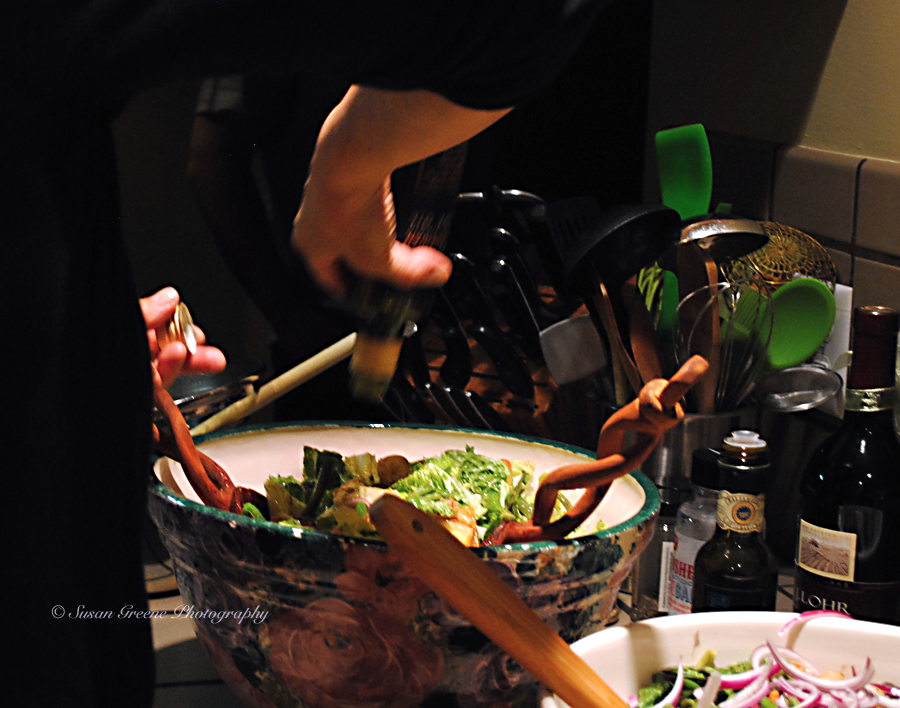
salad 2The youngest backyard sister simply adds the oil and vinegar straight to the salad. Finally, season to taste with salt and pepper.

Note: the amounts of the ingredients will depend on how many you are serving, generally one head of romaine lettuce serves 4-6. Also, feel free to substitute other vegetables for roasting: red bell pepper, eggplant, or mushrooms, if any of the others are not to your liking or in season.

There you have it – the steps to a delicious and healthy accompaniment to any meal or maybe even a meal in itself if you are so inclined.

saladMaybe you have some of these vegetables in your own garden, lucky you if you do.

~ Susan

Endless Summer? Not quite.

July is summer’s Saturday. It’s hugged on both sides with summer months so it feels long and free and endless. While there’s still plenty of time to celebrate all the joys of the season,  there’s no denying we’re almost at its halfway point. How are you doing on your  Weekend Dish – Summer Scavenger Hunt?

DSCN3201

Grab a friend, get inspired and go make a memory. Remember to take a photo each time you complete one of the 101 Days of Summer activities.  Post photos on Instagram, #backyardsisters_101days

Race you to September!
1. Perfect your go-to summer barbecue meal.
2. Learn a new grilling technique. For a great veggie grilling video, click here.
3. Invite a new neighbor for dinner. Make it potluck.

Mem Day potluck1
4. Eat outside. Every night. Unless there’s thunder and lightening.
5. Eat by candlelight. Every night. Outside. Unless.
6. Sit on the grass with your dog’s head in your lap.
7. Watch fireflies.  If you catch them in a jar, be sure to let them out before you go to bed.
8. Learn 5 new objects in the night sky.  The free app SkyViewFree uses an i-phone’s camera as viewfinder.
9. Plan ahead to find a dark viewing spot for the Perseid Meteor Shower, August 11 and 12.  You’ll catch the summer’s best display of shooting stars. More info here.
10. Make your own ice cream. You don’t even need an ice cream maker. Check it out here.
sunset11. Stay up late.
12. Get up early. Photograph your days.
13. Learn the names of 5 birds in your neighborhood.  The Cornell Lab of Ornithology has an amazing library of birdcalls. Link here.

photo-29

14. Take your morning beverage on the porch, patio, or near an open window.
15. Prop your bare feet on a ledge.
16. Plant one living thing, even in a small pot if you don’t have a yard.
17. Plant something you can eat. A few green onions. Parsley. One tomato plant.
18. Visit a farmer’s market.
19. Take home something you’ve never eaten before.
20. Eat it.

DSCN2817

Mangosteen

21. Learn to make the perfect margarita or mojito or favorite frozen treat.
22. Invite neighbors over to help you drink it.
23. Visit your mom and dad.
24. Look at photos from childhood family vacations; yours and theirs.
25. Record favorite memories either on video or audio.
26. Visit your children.
27. Look at photos from family vacations; yours and theirs.
28. Record favorite memories.
29. Create a family yearbook of photos.
30. Do one thing that scares you.

get wet

31. Swim in a natural body of water.
32. Cannonball into the deep end of a pool.
33. Play Marco Polo.
34.  Learn one new water skill: surfing, body surfing, paddle boarding, water ballet moves.
35. Teach your new skill.
36. Pick fresh blueberries.
37. Make a summer fruit cobbler. For the Backyard Sisters favorite cobbler recipe, click here.
38. Eat dinner on a blanket under a tree.
39. Walk after dinner through town or your neighborhood.
40. Listen.
Waimea
41. Hike a new trail.
42. Learn the names of 5 new native plants in your region.
43. Visit 3 new state parks. The rangers there will know the names of the plants.
44. Take a new friend with you.
45. Volunteer for a park clean-up day.
46. Tune your guitar, your piano, your cello, your drum, your voice.
47. Learn one solid song.
48. Lose your inhibition.
49. Make a campfire.
50. Sing under the stars.
51. Make s’mores.
52. Sleep under the stars.
53. Learn how to remove ticks from your dog. (Same concept applies to humans.) Great video here.
Art

54. Sketch, photograph, or journal what distinguishes your local ecosystem from others.
55. Learn 5 edible plants.
56. Learn 5 poisonous plants.
57. Learn to pack lightly.
58. Learn to clean up after yourself.
59. Learn to read a map.
60. Get lost.
61. Go to a car show.
62. Attend your state or county fair.

stevenson quote

63. Submit something: homemade beer, photography, literature.
64. Hold hands on the Ferris wheel.
65. If you win a giant stuffed panda, give it away to a neighborhood kid.
66. Visit the booths with prize-winning pies and jams and wines.
67. Congratulate the blue-ribbon winners. Ask one fine question about their process.
68. Hear an outdoor concert.
69. Watch an outdoor movie.
70. Wait for the Milky way.
71. Visit your local library.
72. Remember summer reading when you were a kid? Check out ten books.
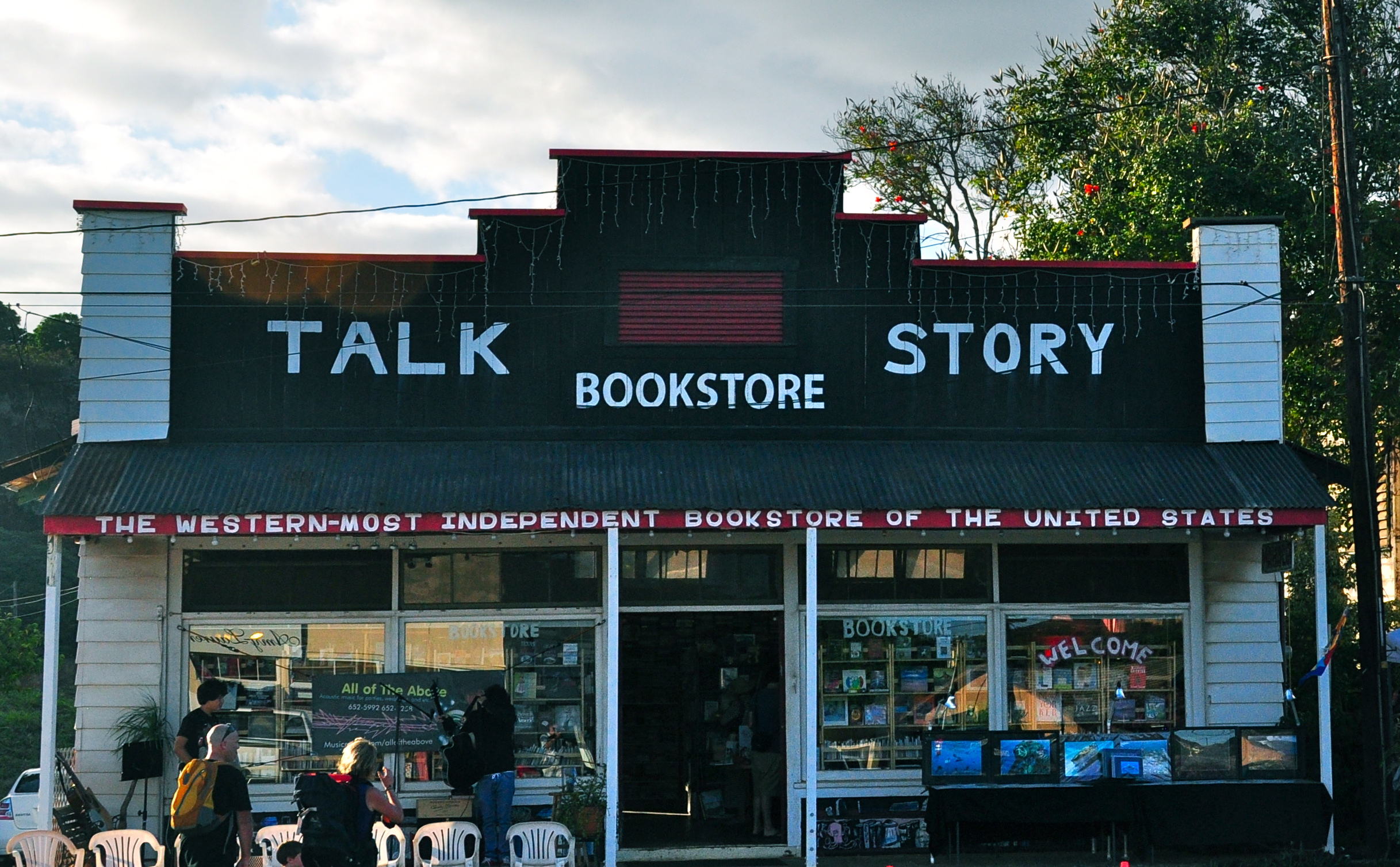
73. Visit an independent bookstore. Buy one thing.
bookstore

74. Hear a live author reading.
75. Thank the author in person.
76. Perfect one aspect of your craft: Great openings. Killer closings. Trimming the fat from word count.
77. Slow dance under the Full Flower Moon on May 25.
78. Sip strawberry wine under the Full Strawberry Moon on June 23.
79.  Dance with abandon under the Full Thunder Moon on July 22.
80. Fish under the Full Sturgeon Moon on August 20.   For full moon name meanings, click here.
81. Invite neighbors over for a pancake breakfast.
82. Visit the housebound neighbor who couldn’t come.
83. Bring flowers, or stories, or one of your photos.

DSCN3196

84. Call your grandmother or grandfather or aunt or uncle or long lost cousin.
85. Tell them about the trees and birds and stars. Ask about the view from their window.
86. Ask about their favorite summer memory.
87. Remember to return your library books.
88. Lie on your back on the grass and watch the clouds.
89. Swing.
90. Swim again. Again. Again.

balcony art
91. Travel.
92. Learn five bits of history about one place you’ll visit.
93. Read before you go.  You can find a literary companion for more than 20 destinations from Whereabouts Press where the mission “is to convey a culture through its literature.”
94. Attend an outdoor art show.
95. Bike ride. On a beach cruiser. Along the beach if you’re lucky.
96. Learn hello, goodbye, please, thank-you and I love you in five new languages.
97. Learn how to come home.
98. Harvest and eat your one small thing standing barefoot on your own patch of ground, balcony, stone or wood.
99. Cut flowers from your yard. Take some to your neighbor.
100. Send an old fashioned hand-written note, with some herbs or fragrant leaves.
101. Set 5 small items – a shell, a rock, a poem – from your summer on your desk.

DSCN2585

With water in my ear and sand on my toes,
~Catherine

Exposure and ISO

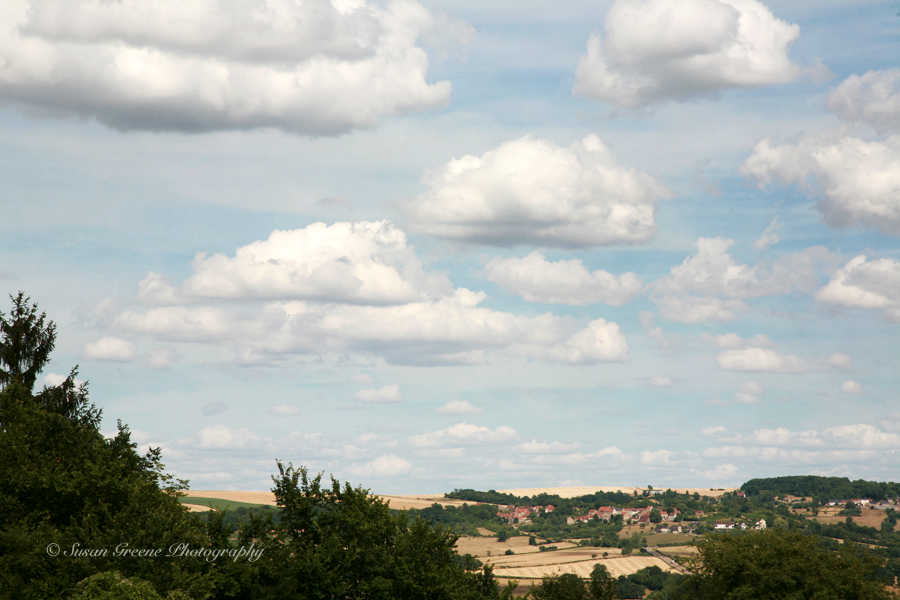
skies 0205The skies in Europe can be so interesting and gorgeously filled with cloud formations. They will be the subject while exploring exposure and the place of ISO in the triangle.

The exposure triangle is a term used to explain the elements that work together to create a well-exposed photograph. It has to do with the amount of light let in to the camera and the three components used to control it: aperture, shutter speed and ISO.  Aperture refers to the opening in the lens and how large or small it is. The numbers representing aperture are the f stop numbers and the larger numbers represent a smaller opening. Shutter speed is how long the film or sensor is exposed to the light and the ISO is the film or sensor’s sensitivity to light. All of these elements can be adjusted to give different results. Here’s where you will have to venture out of auto mode and begin to play around if you want to learn the effects of changing these settings.

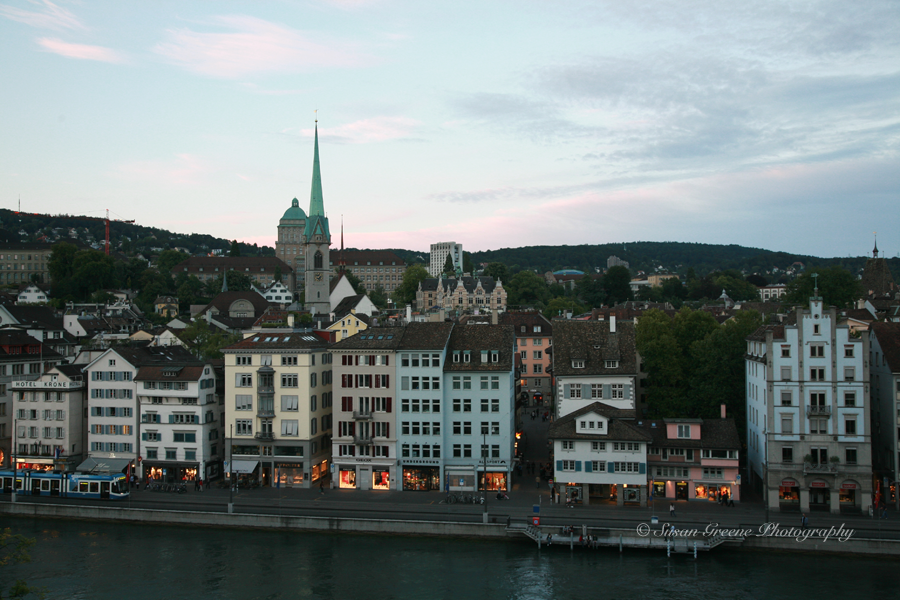
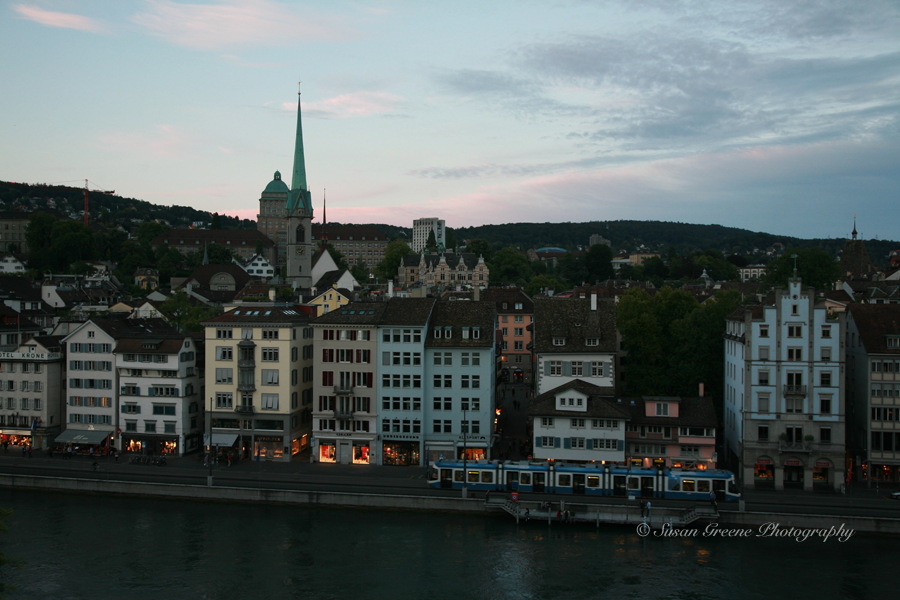
I am exploring ISO today and these shots taken at dusk in Zurich illustrate the effect simply changing the ISO can have on your result. These photos are shown how they appeared straight out of the camera. The aperture, f/7.1, and shutter, 1/50, settings are the same on all the photos. The first is with an ISO of 1000:

skies 0330Noticing that the pinks, which were appearing in the sky, weren’t coming out in the photo I lowered the ISO to 640:

skies 0331This was better but I still wanted more so I lowered it even farther to ISO 400

skies 0332The lower the ISO setting the less grain will be introduced in to your photo. In the middle of the day, when there is plenty of light, using an ISO setting of 100-200 will give clear, colorful photos.

skies 9850skies 9231The ISO can be low and the f stop high and there is no problem capturing enough light to obtain a good exposure. When looking to the sky, I like to use lower ISO numbers to obtain true colors with low grain, or noise.

Sometimes, a darker mood is the goal.

skies 0357Let your artistic eye be your guide.

Next week, I will consider the effects of a higher ISO and how it can be utilized in low light situations.

Until then,

~Susan

Weekend Dish: Secrets

dish: The scoop, only bigger
Urban Dictionary

IMG_0491

Shhhh. I held up my hand to silence the chattering ladies sitting around a fire in our mountain cabin. It was nearing midnight on a Saturday.

tweeeeeeeet

A faint whistle chirped from down the hall. Leaving the group of women, I felt my way in the dark along the wall toward a closed door.

tweeeeeeet

Yes, the sound was definitely coming from inside the bedroom where a troop of seven-year-old Girl Scouts were “camping” heel-to-toe in sleeping bags on the floor.  I slowly pushed the door open, peering in.

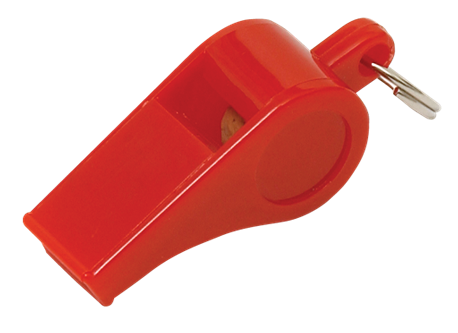
“Mrs. Keefe, Mrs. Keefe!” S sobbed. “I’m lost! I’m lost! I need to go to the bathroom but I don’t know where I am.  You said if we get lost to ‘hug a tree’ but there isn’t a tree, so I stayed where I was and blew my whistle!”  She held up a plastic orange whistle on a lanyard. We’d given all the girls a whistle at the beginning of the trip before heading out on the first hike.

Biting my lips to near bleeding to avoid laughing I helped S to the bathroom, turned on a nightlight, and returned to my fellow Girl Scout leaders around the fire to report that at least one little scout had fully learned her safety lesson for the day.

“If you get lost, hug a tree, stay where you are, and blow your whistle.”

This story flashed back brightly yesterday while having a conversation with my friend, D, the kind of friend who will read poetry because I write it and I’m working on this crazy poem-a-day in July project.  D is a brilliant retired high-tech software expert who can speak in acronyms like IT, HRMS, and ISM and know exactly what they mean.

“But I don’t get poetry,” she says. This is a difficult thing for her to admit; she’s really really smart. She’s so smart, in fact, that I’m pretty sure she does “get” poetry, but she doesn’t realize the things she intuitively picks up on are in fact some of the elemental wonders of the genre: poetry’s rhythm, its imagery and word play.

D tells me – in that way of good friends being kind so maybe they’ll lie a tiny bit – that she likes my “One Poet’s Trade” from Day 6.  (You can read it here; scroll down to Day 6.) She shakes her head as if trying to dislodge water from her ear. “But I don’t think I get it.”

“What do you get?” I ask. What I really want to know is which tree she’s hugging. I wonder if she recognizes the repetition of sounds, if she notice the two-line stanza structure, if she notices the ways each first line word and second line word are related to each other.

“Well…I hear some T sounds that are the same and some V sounds are the same. And it’s all a list. The list is in two-word order but I don’t know why.”

I nudge a little. “What if I told you that each first word is a tool of some trade? And what if I told you that each second word is a body part.”
She pauses. Thinks. “Then it goes in order from your head to your feet!”  I nod.

“But what about the end?”  Ah yes, what to make of those last lines? Who is this “you?”

I don’t answer that for her. I invite her to ponder.

And then I have a bright orange whistle of an idea.

plasticwhistle

For one week only, from July 7 – 14, if you make a $25 donation to the 30/30 Project, “In Honor of Catherine Keefe” I’ll give you all the navigation you need to get out of the woods for  Day 7-14 poems. Message me here as a comment in Backyard Sisters, or find me on Facebook.  You can pretty much ask me anything: the back story behind the poem, how it developed, the language decision-making process, and what I was hoping the poem would invoke in a reader.

In return you can tell me where the poem succeeds or fails for you, dear reader.  As Anne Stevenson once wrote,

The poet needs to reach out to people he or she has not met. That someone will read your poem and say ‘Yes, that is right; I know that, I recognise that.’ I think poetry always has that interior communicable strength.

Here’s to “communicable strength” and divulging secrets. This Backyard Sister is willing to dish.
~ Catherine

p.s. Please note that it takes up to a week for Tupelo Press to notify the poets of donations made in their honor. The minute I hear from the press, I’ll open up to you.