Sacred Garden

Air. Earth. Water. Fire. Find the four elements of nature within life, love, work, garden, and art and you’ll create a sense of balance without boredom, surprise without chaos.

These elements have long been subjects for poets.

The Fire, Air, Earth and Water did contest
Which was the strongest, noblest and the best,

wrote Anne Bradstreet, “the first woman to be recognized as an accomplished New World poet,” in her poem, “Four Elements [Fire, Earth, Air and Water].”

DSCN3354

In the spirit of Sunday as a day of rest, and with an invitation to you, dear reader, to find sacred places within your own garden, patio, or apartment, I give you Day 28 poetry for the 30/30 Project.  I composed four tanka: 5 line poems with  5,7,5,7,7 syllables per line, for a complete 31 syllable poem.

Sacred Garden: Four Tanka
Air
Canyon breathes, trembles
manzanilla olive leaves.
Starlings flush. Startle
golden garden bells. Birthday
gift erupts in temple song.

Earth
Angel’s apple tree
holds his palm imprint above
rootline his hands once
grasped, now both deeply buried —
roots and hands at rest in ground.

angels-apple-tree

Water
Patter on copper
rain chain drips a water chant.
Peace Rose bends toward war
veteran’s gate. I watch him stand
in open storm, hands clutch rain.

Fire
Votives lit on rocks
every night an evening prayer.
Dinosaur bones once
found here, two fossils. We too
press lantern path, watch light rise.

_______________________________________________________________

While I’m happy enough with these poems – written in a day – they’re not finished, in a true poetic sense yet. Complete tanka needs a turn between lines 3 and 4, “a pivotal image, which marks the transition from the examination of an image to the examination of the personal response.” Poems, like gardens, need constant pruning, rearranging, and feeding.  What inspires you?  Why don’t you try your hand at writing tanka today while your feet are resting on a ledge.  You’ll find a complete discussion of the form on the Academy of American Poets website here.

To balance,
~Catherine

p.s. In the spirit of small things, did you know that a donation of $10 to the 30/30 Project as a gesture of support and love for poetry and its publication, is as beautiful as the tiny blossoms on Angel’s apple tree?

Strange things happen at midnight

“This is thy hour O Soul, thy free flight into the wordless,
Away from books, away from art, the day erased, the lesson
done…”    from “A Clear Midnight” by Walt Whitman


My head has been in perpetual midnight this month. I walked off an airplane and into the terminal leaving my gate-checked carry-on luggage sitting on the tarmac. I accidentally left my cell phone on my car’s back bumper and drove away. I’ve taken Chester out for walks without his leash and set off the smoke alarm when the bread I forgot in the oven burned. For 25 days now my body has been on earth, but my heart and soul have been tuned into the frequency of the poetic muse on the Tupelo Press 30/30 Project.  Sometimes I look at my feet just to see if they’re on the ground, craving the “free flight into the wordless.”

IMG_0801

The experience has been weird and wonderful and I heartily recommend a one-month total immersion in whatever you love to do. Your support – by reading and forwarding the poems, by joining the Orange Whistle Secrets Divulged group, by e-mailing to discuss poems, and by donating to Tupelo Press – is deeply appreciated. You have no idea how much a kind word fuels literature.

Just for you, dear readers, I’ve reprised two favorites from the 30/30 Project website.

From Day 20
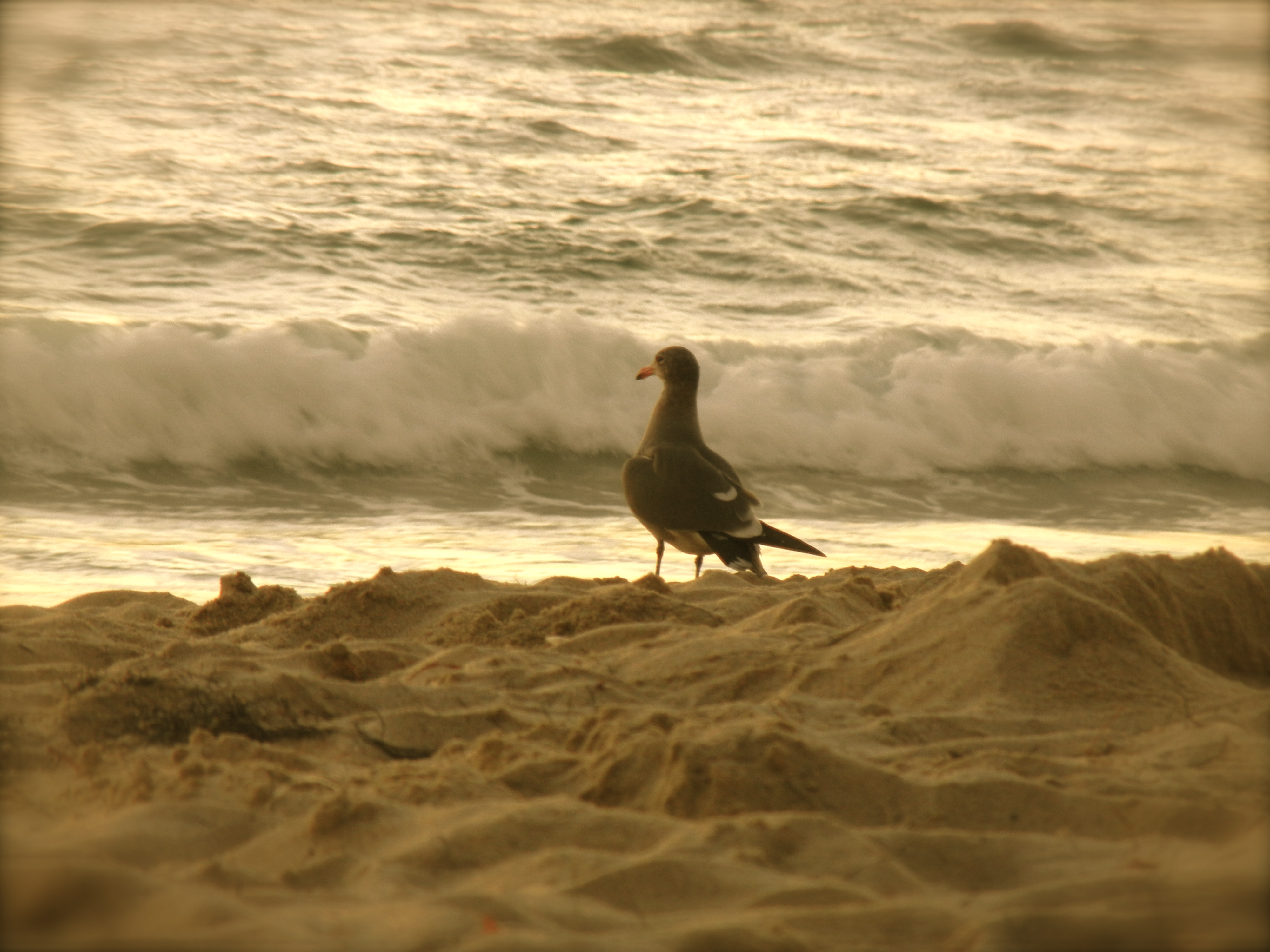
gullWhat the Gull Heard One July, Main Beach, Laguna   

If I tell you a secret, will you promise not to tell?
Never trust a woman sitting at a table alone without a glass of wine at dinner.
Of course she’s difficult, that’s her schtick. She calls herself a Mensa puzzle.
“What did you expect, hula girls?”

Careful, surf’s rough.
My wife thinks I’m at work today.
That seagull, like your eyes when you wake up before you put your glasses on.

Before I wanted to be an artist I wanted to be a saint.
What did you create this afternoon? Havoc at the very least.
I wonder if the pigs are out. No sharks today.
Only looking, no touching.

I thought the ocean would be bluer.

Mama, can we have our Daddy back?
Living gives you heart trouble.
We have so many issues we should open a newsstand.
I’m a lot like Barbara Streisand except that I don’t sing.
Would you mind if I walk alone for a bit?
This would be a great spot to get married.
Hey, hey, don’t run. You’ll knock people over.

I’m starving. I’m cold.
Hit your mute button.

Things that are worthwhile are sometimes more difficult.
There’s no need to yell.
That wave that knocked you over was God’s way of saying you shouldn’t walk out so far.
It’s nothing like the pictures.
It looks just like the photo!
3.  2.  1.
Snap.

And from today:
photo-21

Faith

We hear of rain
some years
breeching banks
creating a right flood.
Horses stampede. Fish take up in the basement. Whippoorwill trills all night.
Other times
drought.
Cicadas. Flat shimmer. Dust for breakfast.

 Water, so very much like love.

 Saying It’s the season
isn’t enough to end a parch
right where you stand
palms up, head tilted skyward, mouth an open urn.
I see you wait like you are sure
it will rain once again.


You can read all 25 poems at the 30/30 Project.  (Day 22 was written just for one of the Backyard Cousins.) If you’ve been meaning to make a small donation to the press, time’s almost up if you’d like to mark “In Honor of Catherine Keefe.” Come August 1, I’ll be back to my more grounded self and you’ll never hear me ask you for a single thing again.

Long live books and readers and poets who write at midnight. Long live those who support the arts rather than grumble about the decline of fine publishing.

Looking toward dawn,
~Catherine

Weekend Dish: Secrets

dish: The scoop, only bigger
Urban Dictionary

IMG_0491

Shhhh. I held up my hand to silence the chattering ladies sitting around a fire in our mountain cabin. It was nearing midnight on a Saturday.

tweeeeeeeet

A faint whistle chirped from down the hall. Leaving the group of women, I felt my way in the dark along the wall toward a closed door.

tweeeeeeet

Yes, the sound was definitely coming from inside the bedroom where a troop of seven-year-old Girl Scouts were “camping” heel-to-toe in sleeping bags on the floor.  I slowly pushed the door open, peering in.

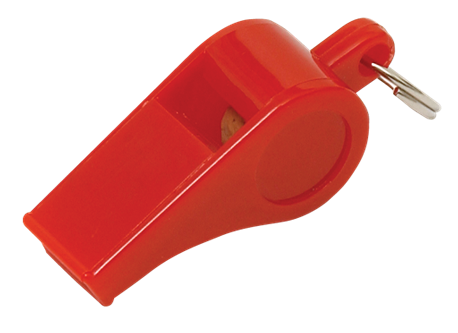
“Mrs. Keefe, Mrs. Keefe!” S sobbed. “I’m lost! I’m lost! I need to go to the bathroom but I don’t know where I am.  You said if we get lost to ‘hug a tree’ but there isn’t a tree, so I stayed where I was and blew my whistle!”  She held up a plastic orange whistle on a lanyard. We’d given all the girls a whistle at the beginning of the trip before heading out on the first hike.

Biting my lips to near bleeding to avoid laughing I helped S to the bathroom, turned on a nightlight, and returned to my fellow Girl Scout leaders around the fire to report that at least one little scout had fully learned her safety lesson for the day.

“If you get lost, hug a tree, stay where you are, and blow your whistle.”

This story flashed back brightly yesterday while having a conversation with my friend, D, the kind of friend who will read poetry because I write it and I’m working on this crazy poem-a-day in July project.  D is a brilliant retired high-tech software expert who can speak in acronyms like IT, HRMS, and ISM and know exactly what they mean.

“But I don’t get poetry,” she says. This is a difficult thing for her to admit; she’s really really smart. She’s so smart, in fact, that I’m pretty sure she does “get” poetry, but she doesn’t realize the things she intuitively picks up on are in fact some of the elemental wonders of the genre: poetry’s rhythm, its imagery and word play.

D tells me – in that way of good friends being kind so maybe they’ll lie a tiny bit – that she likes my “One Poet’s Trade” from Day 6.  (You can read it here; scroll down to Day 6.) She shakes her head as if trying to dislodge water from her ear. “But I don’t think I get it.”

“What do you get?” I ask. What I really want to know is which tree she’s hugging. I wonder if she recognizes the repetition of sounds, if she notice the two-line stanza structure, if she notices the ways each first line word and second line word are related to each other.

“Well…I hear some T sounds that are the same and some V sounds are the same. And it’s all a list. The list is in two-word order but I don’t know why.”

I nudge a little. “What if I told you that each first word is a tool of some trade? And what if I told you that each second word is a body part.”

She pauses. Thinks. “Then it goes in order from your head to your feet!”  I nod.

“But what about the end?”  Ah yes, what to make of those last lines? Who is this “you?”

I don’t answer that for her. I invite her to ponder.

And then I have a bright orange whistle of an idea.

plasticwhistle

For one week only, from July 7 – 14, if you make a $25 donation to the 30/30 Project, “In Honor of Catherine Keefe” I’ll give you all the navigation you need to get out of the woods for  Day 7-14 poems. Message me here as a comment in Backyard Sisters, or find me on Facebook.  You can pretty much ask me anything: the back story behind the poem, how it developed, the language decision-making process, and what I was hoping the poem would invoke in a reader.

In return you can tell me where the poem succeeds or fails for you, dear reader.  As Anne Stevenson once wrote,

The poet needs to reach out to people he or she has not met. That someone will read your poem and say ‘Yes, that is right; I know that, I recognise that.’ I think poetry always has that interior communicable strength.

Here’s to “communicable strength” and divulging secrets. This Backyard Sister is willing to dish.
~ Catherine

p.s. Please note that it takes up to a week for Tupelo Press to notify the poets of donations made in their honor. The minute I hear from the press, I’ll open up to you.


Why do you do what you do?

“When did you become a writer?”

The question, coming as it does from an artist at a gallery reception, surprises me. It’s like hearing, “when did you become a fish?”

“I always was one,” I reply, hoping for the simpatico understanding of a creative soul to bridge this non-specific-date-naming response, not an evasive conversational gambit, but a strange truth that still perplexes sometimes.  Decoding the world through language is as natural to me as skipping. One of my earliest childhood memories includes tracing the letters of words being spoken, turning them into stories and pictures with my right forefinger upon my left palm.
Meera's MehndiSounds and ideas danced upon my hand, to be released later onto the unlined light brown paper of a Mickey Mouse drawing pad.  I didn’t plan to be this way, I just was. Most writers I know say the same thing.

It’s this recognition of the magnetic power of some creative pull that frequently leads me to invent new ways to spark leaps in my technique.  Learning West African drum rhythms interrupts a rut of a cadence; reading books I don’t understand hopefully sparks new brain synapses and invites new subject matter into my writing.  Fifteen hundred pages of Critical Theory Since Plato anyone?  There’s a playfulness with these kinds of things, sure, but there’s also a dogged determination bordering on compulsive.  I laugh when I see myself in other writers and while reading Christian Wiman‘s Ambition and Survival: Becoming a Poet  I found a mirror self in the first few pages. Wiman writes:

When I read Samuel Johnson’s comment that any young man could compensate for his poor education by reading five hours a day for five years, that’s exactly what I tried to do, practically setting a timer every afternoon to let me know when the little egg of my brain was boiled…

I’m not quite as odd a person as I was once on the verge of becoming.

Of course my weirdness waxes and wanes.  I may be tipping the balance back toward odd as I begin a new poetry writing project for the month of July.

“Why do you do what you do?” my family wonders.

Why, when it’s summer and school’s out and nothing dictates my days but my own gentle taskmaster self, why would I commit to writing and posting a poem a day for Tupelo Press?  I believe in the need for literary presses and, being the editor of dirtcakesa small press of my own, I know  it’s impossible to sustain any sort of momentum and foster good work without readers and backers and contributors. The Tupelo Press 30/30 Project is a nifty little way for writers to forge new work and for readers to discover new writers.  It’s a community of writers that opens its hands to invite in a community of readers to share the stories written on our palms.

DSCN3284

I’ve got a few ideas of how we can work together through July. I’ll be posting them in the coming weeks. In the meantime, remember that which you love you will spend time doing. That which you spend time doing will attract your energy. That which captures your spirit will shine out from you, and ultimately reflect back upon you.  As for me and my attraction to poetry? I defer once again to Christian Wiman’s words:

…in the end we go to poetry for one reason, so that we might more fully inhabit our lives and the world in which we live them, and that if we more fully inhabit these things, we might be less apt to destroy both.

Who doesn’t want to be fully inhabit each precious moment of life?

Meerags Wedding

Stretching and spinning in anticipation of lining up a long dance with the muse,
~ Catherine

p.s. Christian Wiman is an iconic figure in the world of poetry. From 2003 – 2013 he edited Poetry magazine, “the oldest monthly devoted to verse in the English-speaking world.” The depth of his poetry knowledge and ability to articulate the aesthetic strengths of particular poets is precise and sharp, though do know his taste runs to the traditional which sometimes can miff a lover of more experimental verse. Ambition and Survival is a collection of essays to dip in and out of when you need a strong voice in your head to guide your writing practice.

What do you bring to the table?

Which way will the creek
run when time ends?
Don’t ask me until
this wine bottle is empty.

~ Jim Harrison and Ted Kooser
_________________________

“What did you notice that was beautiful today?” When J asked me this last night, just as we sat down to dinner, I cracked up.

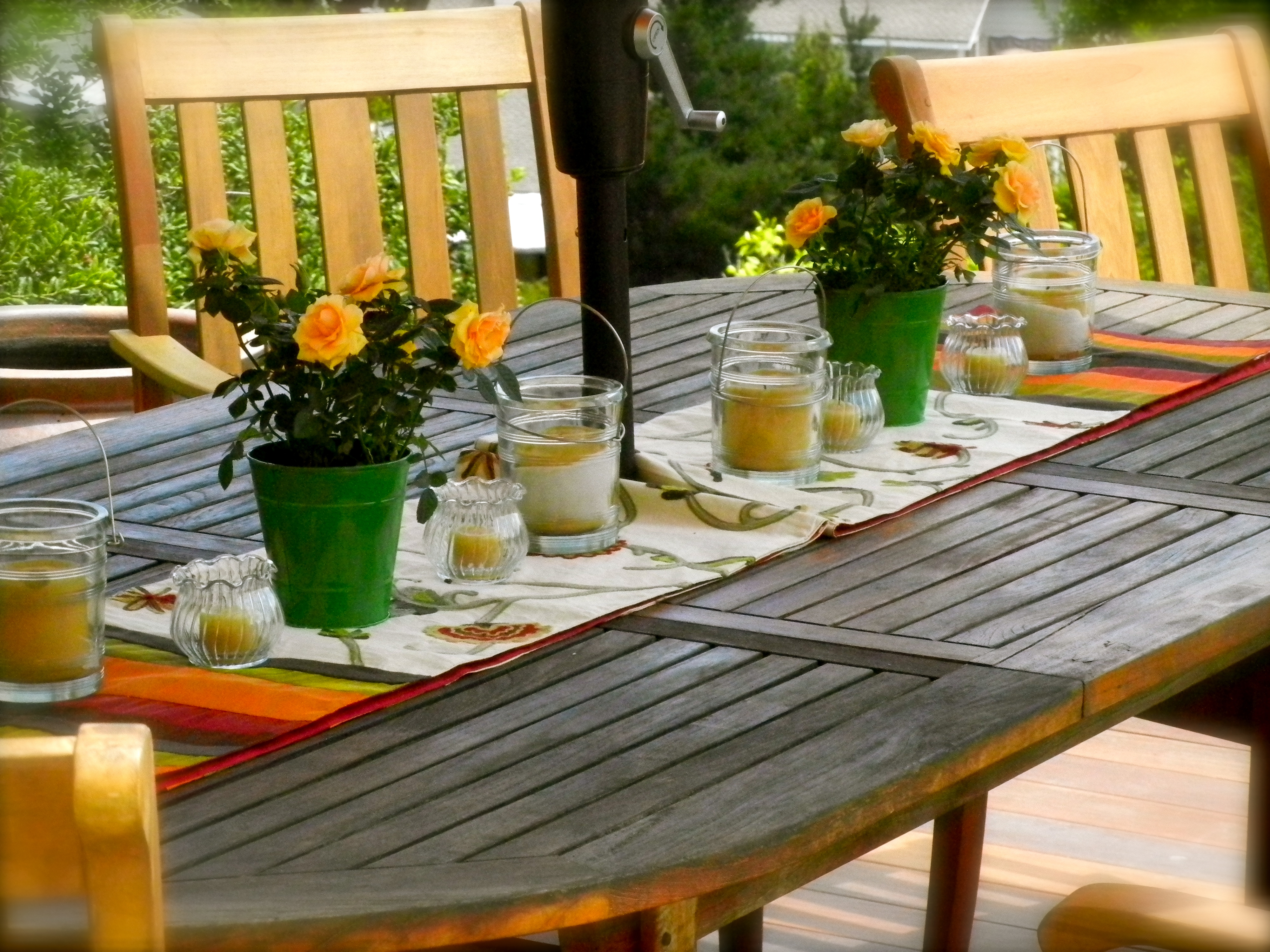
Table

It’s not a funny question, but rather an example of his dear effort to honor a request I made after breakfast.

“Please don’t ask me at dinner what I did today, or how my day went, ask where I found beauty.” I implored him in the morning as I hustled to my office.

“And what do you want me to ask you tonight?” I called over my shoulder.

“You can ask how my day went. I like to remember what I got done.”
___________________________

Life has always yelled at me,
“Get your work done.” At least
that’s what I think she says.
~ Jim Harrison and Ted Kooser
___________________________

What we focus upon comes to light. My request was part self defense – I always give myself more to do in any given day than I can ever accomplish and then feel bad when I don’t finish. And it was part new strategy; I want to pay more attention to life’s surprises of  grace and grandeur hiding in plain sight rather than concentrating only on how I try to unruffle its challenges.  I’m trying to adjust the outlook I bring to my day and our dinner table.

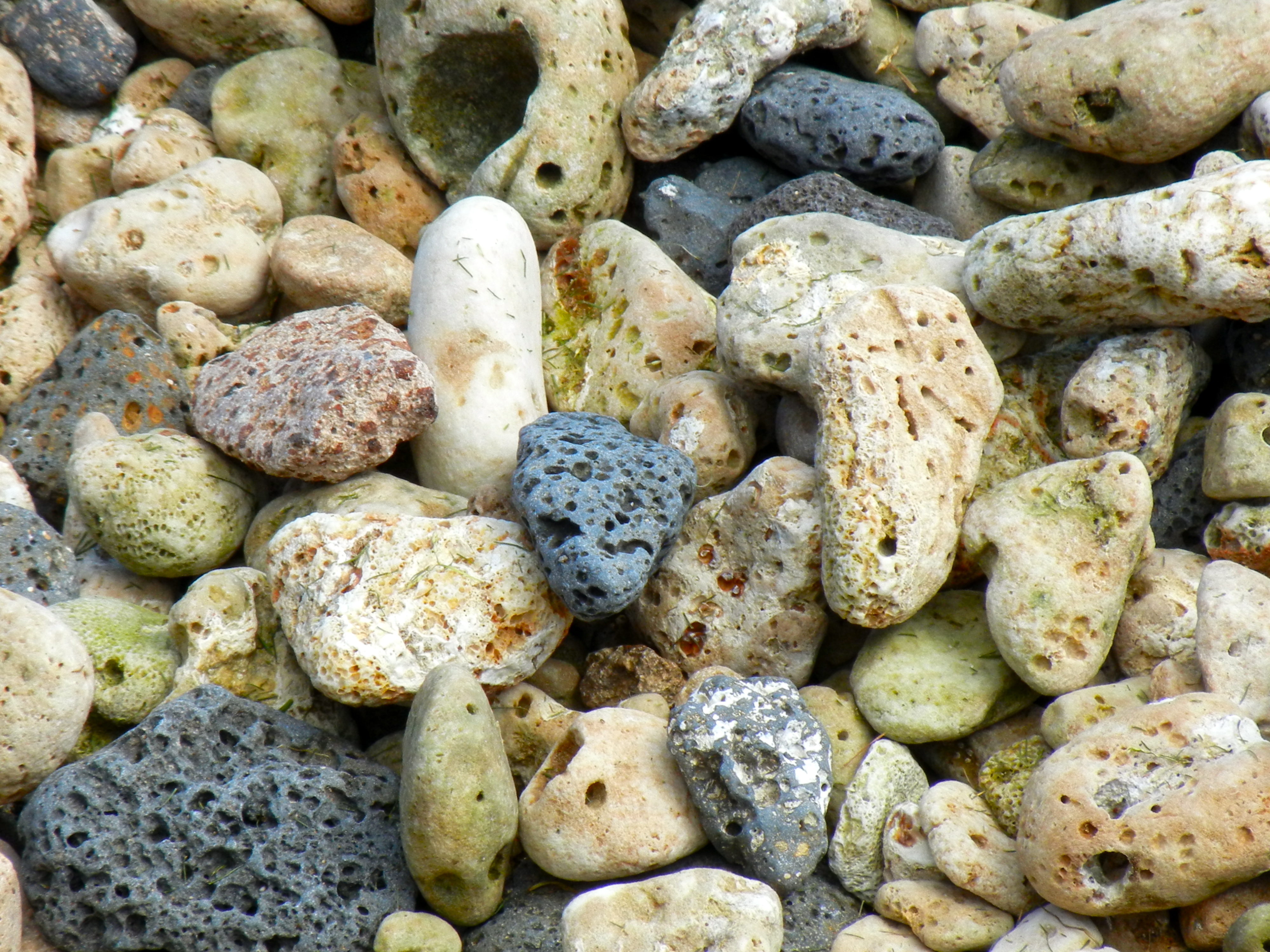
smooth coral

What do you talk about at dinner?

I’ve begun asking friends without children at home this question.

We don’t talk, we watch TV.
I don’t know, nothing, what we did that day.
What’s coming up on our calendar.
Funny stuff the dog did.

What did I expect? The better question is, what do I want, what does J want?  If gathering around the table is a nightly ritual so important that we set its time, its chef and menu (we trade cooking duty), its location and literally light its candles, then doesn’t it follow that we might also guide its conversational swoops and soars?

When our kids were home we had a standard dinner starting point that inevitably opened doors to conversation that often lasted long past dessert.

What was the best part of your day?
What was the worst?

Trials and triumphs of school and sports, of work and home life and friends trickled out over roasted chicken and broccoli.  If friends joined us, they too got pulled into the daily circle, some shy at first to say, but inevitably relaxed enough to tell about a moment that set this day apart.

I eventually bought Chat Packs, those decks of cards with dozens of conversation starters. We played Brain Quest and Would you rather?  I still sometimes put little stacks of these cards next to the napkins at dinner parties or spread them around the appetizers at family gatherings.

Am I inherently nosy? Afraid of conversational lull? Maybe yes and yes. But I like to think that even more than that, I really like the idea of getting to know the people I share time with. The worst kind of dinner is one where I don’t learn a single new thing about the ones I pause with at the end of the gift of another day.

photo-20

Last night I learned two truths. Each day delivers beauty; my husband remembers and honors my requests. Maybe those are really one big truth.

Where did you find beauty today?
~Catherine

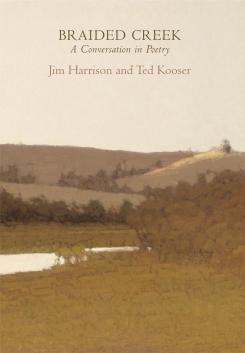
p.s. For literary grace and grandeur, you could do worse than getting your hands on a copy of Braided Creek: A Conversation in Poetry by Jim Harrison and Ted Kooser.
1317_lgTreasure what you find
already in your pocket, friend.
~ Jim Harrison and Ted Kooser
__________________________

The book is the best kind of conversation, where no one voice dominates, in fact no one poet takes individual credit for any of the short stanzas.  From the back cover:

Longtime friends, Jim Harrison and Ted Kooser always exchanged poems in their letter writing. After Kooser was diagnosed with cancer several years ago, Harrison found that his friend’s poetry became “overwhelmingly vivid,” and they began a correspondence comprised entirely of brief poems.

…When asked about attributions for the individual poems, one of them replied, “Everyone gets tired of this continuing cult of the personality…This book is an assertion in favor of poetry and against credentials.”

Maybe I’ll bring it to the dinner table tonight.

Wild thing

Coyote yips drift through the open bedroom window sometime before dawn. It’s May’s most consistent night song. Chester’s hackles rise and he growls low. I pull the sheet over my ears.

Regal ChesterChester’s been chased by a coyote three times. These aren’t the lean, mangy, skulking wild dogs of past years. This crop of fat boys trot across the trail. They sit. Cross their legs. Light a cigarette, pinky ring glinting in the morning glare before they chase.

First time it happened, J was walking Chester. He stood his ground, raised his arms and yelled “Stop!” When it was my turn at the wrong end of a coyote chase I did the same. The coyote cocked his head, tightened his silk cravat, emulated the Don Draper eyebrow lift and then slowed his pursuit to a model-like prowl.

Chester bolted, leaving me to walk backwards until I couldn’t see the whites of coyote’s eyes any more. A chilling sweep of goose bumps rose on my neck.

It’s not an option to stay indoors when this is steps from my backyard.

trail vista

But where there is prey, there are predators.

oh deer

Last night, I dream there’s a lion with full mane in my house, barreling down the hallway toward my bedroom.  I slam and lock the door, lean against the wood which cracks and creaks and splinters against my hand. I call out to J in his office. There’s a lion in the hallway! Shut your door!  He’s working on his computer and not paying attention and the lion pounces. I wrestle the lion, wrangle his scruffy neck and heave him out the office window which somehow overlooks a high stony cliff to the sea even though we’re nowhere near the ocean.

I’m sure it’s a dream inspired by recent sightings that frighten me more than coyotes. Yesterday when Chester and I walked, we heard a rustling in the oak grove at the bottom of the hill.

cool oak tree

The noise spooked us both, much louder than the familiar rabbit scurry or quail scuttle through dry leaves.  It sounded human-size, but stopped as we neared, the instinct of an animal.  Chester’s fur ruffled; he hush-growled and we turned heel, Chester wildly scanning the scrub oak lining the trail.  To one side stands a solitary oak  and within it we heard another great flurry of leaves overhead. I expected a hawk, a peregrine falcon, maybe even the screech owls that have taken up in the neighborhood but the shadow didn’t fly. It scampered down the branches, down the trunk, a shadow bigger than my dog.

It’s been about a month since J and I spotted a mountain lion off the trail about a five minute walk from this grove and a neighborhood association warning came last week.

A mountain lion has been seen in the Dove Canyon area.

The animal was picked up on cameras operated at Starr Ranch Sanctuary.

Additionally, this past week Dr. Don Earl of Lido Animal Hospital treated a greyhound that survived a serious attack from a mountain lion that climbed into the backyard of a home in Dove Canyon. The Department of Fish and Game is aware of the dog attack and has tips on its website should you encounter a mountain lion.

I read the “Keep Me Wild” tips.

  • If you encounter a mountain lion, do not run; instead, face the animal, make noise and try to look bigger by waving your arms; throw rocks or other objects. Pick up small children.
  • If attacked, fight back.

I don’t have a great track record with looking big. And I’m an awful thrower.  But I sing when I’m nervous and there’s one song that’s on rerun this spring.

http://www.youtube.com/watch?v=z9DVJE_bhVU

This morning, I hurl lyrics, loudly, and yes, maybe dance and air guitar a bit on the trail. Chester didn’t seem to mind, but I might have some explaining to do to the woman who caught me coming around a blind curve. Last I saw, she was backing away, waving her arms to the sky.

With a song on my lips,
~Catherine

Gary Snyder wrote a spot-on poem about sensing the presence of a wild thing.
One granite ridge
A tree, would be enough
Or even a rock, a small creek,
A bark shred in a pool.
Hill beyond hill, folded and twisted
Tough trees crammed
In thin stone fractures
A huge moon on it all, is too much.
The mind wanders. A million
Summers, night air still and the rocks
Warm.   Sky over endless mountains.
All the junk that goes with being human
Drops away, hard rock wavers
Even the heavy present seems to fail
This bubble of a heart.
Words and books
Like a small creek off a high ledge
Gone in the dry air.
A clear, attentive mind
Has no meaning but that
Which sees is truly seen.
No one loves rock, yet we are here.
Night chills. A flick
In the moonlight
Slips into Juniper shadow:
Back there unseen
Cold proud eyes
Of Cougar or Coyote
Watch me rise and go.

Give me a break

Sometimes I have an urge to use big words I don’t yet know the meaning of, or better yet to make up new words to describe certain perfections, like this dawn when the sun rose into a fog-shrouded sky at the exact moment the mist receded. For one instant the dark flared – gilded with stars – then gave way to morning.  The camera was no match, nor really is this description.

I’ll remember the moment, keep working to get it right. And then I’ll drub it up against something rugged to set the beauty in relief. “No threat, no poem” is a truism we poets abide and practice and teach. As Dave Smith writes in his essay “St. Cyril’s Dragon” The Threat of Poetry:

Great art intends threat…The good poem destabilizes, unbalances, stirs up, digs down, demands feeling in exact circumstances…No poem succeeds without threat, implied or explicit. Threat manifests what is important to know. Threat engineers the struggle of self to come into being.

That’s all well and good, but the constant struggle takes energy and it’s necessary for me, for you, to take time to revive.  Whenever I forget to build rest into my schedule, the universe has a gentle way of reminding me. The cast of characters hanging around La Jolla Cove this weekend taught infinitely wise lessons with their presence.

Seal with ballJPG

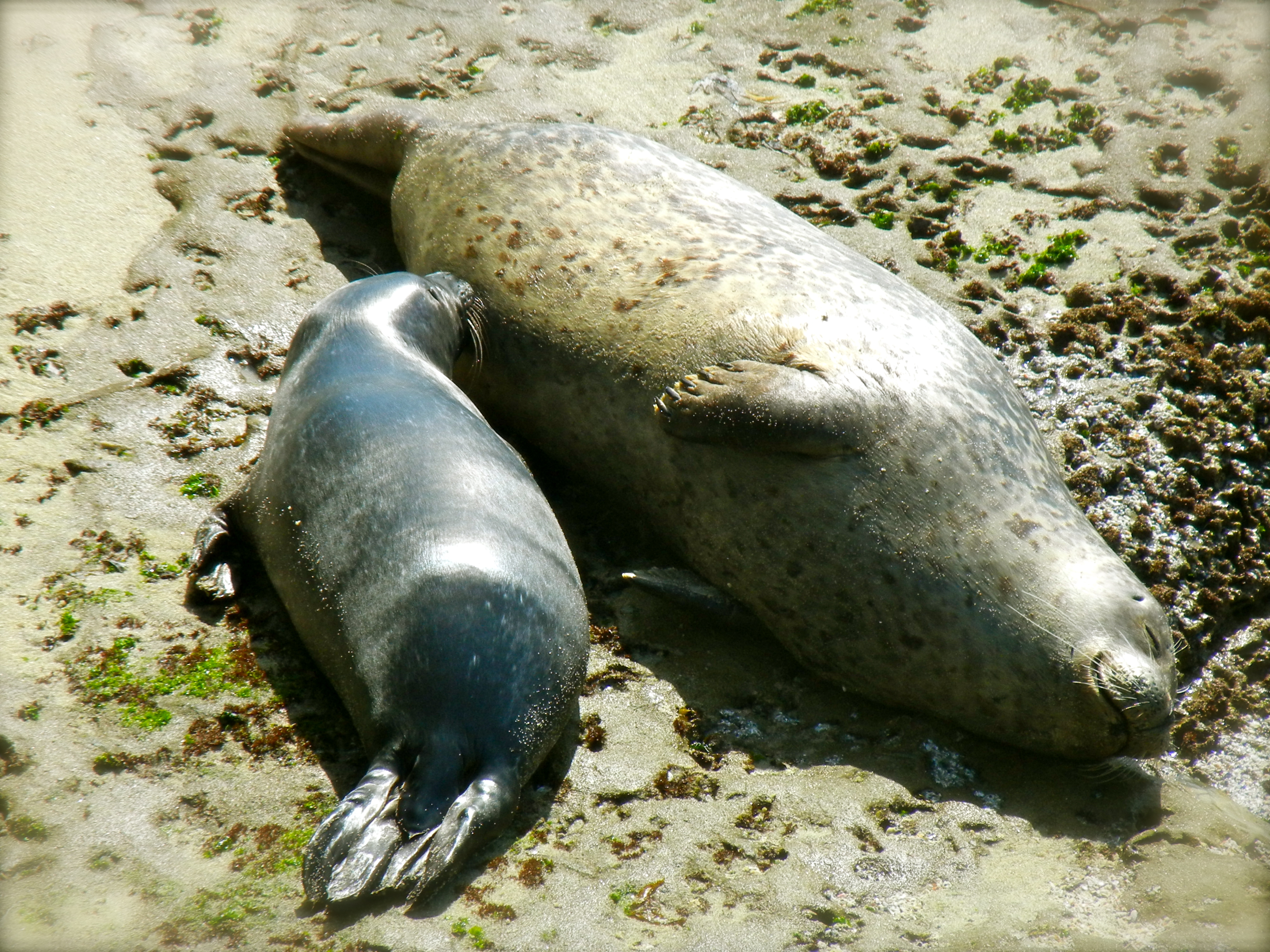
Play whenever you can.baby sealTake care of your own.

full beach

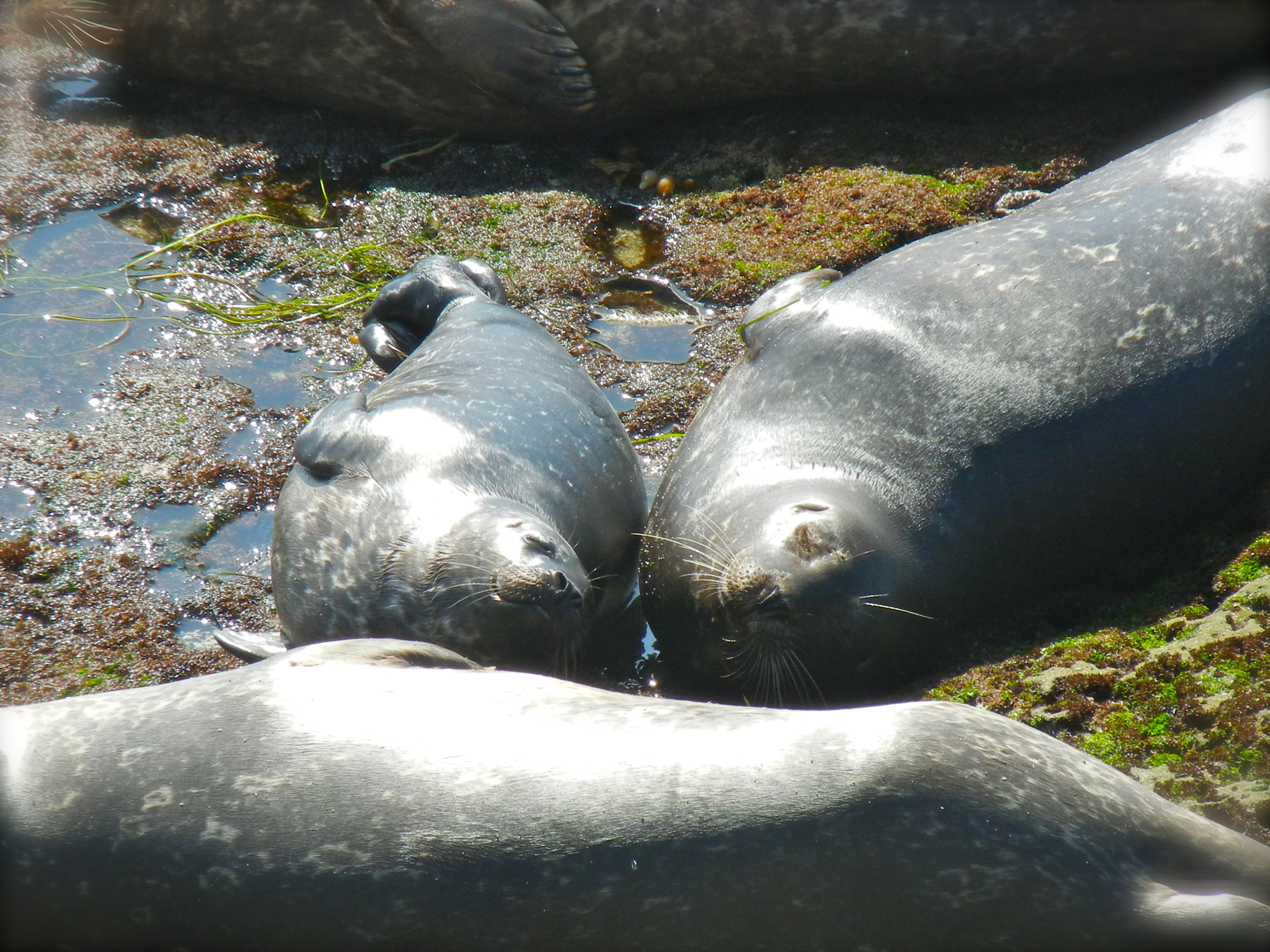
It’s great to hang out with friends.

two sleeping

But having someone special is the best gift of all.

Now before you think there’s no threat here, consider. The La Jolla Cove seals are no stranger to peril. Tourists and restaurateurs complain about the stench of too many seals too close to town.  Conservationists and environmentalists clash with businesses to protect the seals. You can read a roundup of the controversy, or crisis as some call it, at the Seal Sitters link here.

Or you cannot. Sometimes it’s alright to take a break from crisis or controversy and simply enjoy the beauty right in front of you.

And that, good readers, is the last word on the March of contrasts.

Sealed with a kiss
~Catherine

p.s. When you are revived and ready to seriously consider how addressing the threat can create a fine poem, do revisit Dave Smith’s essay, “St. Cyril’s Dragon” The Threat of Poetry.”  In fact, you might even sign up for Poetry Daily. From the “About Poetry Daily” page:

Poetry Daily is an anthology of contemporary poetry. Each day, we bring you a new poem from new books, magazines, and journals.

Poems are chosen from the work of a wide variety of poets published or translated in the English language. Our most eminent poets are represented in the selections, but also poets who are less well known. The daily poem is selected for its literary quality and to provide you with a window on a very broad range of poetry offered annually by publishers large and small.

Cacti and clouds

trail

I’ve run away from home again in the name of love. Book love.

Sometimes this writer needs to stop using her wife voice, mother voice, daughter voice, sister voice, auntie voice, professor voice, neighbor voice to recall the voice that sounds most like her inner soul. Her writing voice.

There was a red suitcase involved, a bag of books heavier than a week’s worth of groceries, my cappuccino maker, and a short to-do list.

  • Write the last poem of THE BOOK.
  • Finalize order of poems in THE BOOK. (Yes, this contradicts Item #1.)
  • Edit all poems in THE BOOK.

On Monday, the list felt an awful lot like this:

Western Prickly Pear

The weird thing is, I chose this week, right in the middle of the Association of Writers and Writing Programs annual conference, the single largest gathering of writers in North America.  More than ten thousand writers and editors traveled to Boston. I stayed in California.  I haven’t missed a conference in five years. And yet I desperately needed to be alone and write more than I needed to schmooze and buy books and be inspired by what other writers were doing.  I couldn’t afford both a writer’s retreat and to put myself up in Boston, so I chose me.  Alone.

As the week winds down, THE BOOK has been tamed back down to all lower case letters.  Needles have been plucked, rough edges smoothed.

The new perspective comes by paying attention to the Backyard Sisters theme for March: contrast.

low tide rocks

Home. Not home.
Clay. Sand.
Dust. Water.
Omnipresent trail. Tidal path.
Warm toes. Cold bed.

Narrative moves forward, I tell my students, when that which is bumps up against that which is not. The best poetry happens, says poet Amy Newlove Schroeder, when there’s “a yoking together of the concrete and the abstract,” like “blending the perfect martini.”  Last year I had the pleasure of hearing Amy give a poetry talk titled “Concrete Abstraction” at Chapman University.  She urged poets to consider how all language is representational and the most “successful” poetry is that which can translate an experience, an idea, an aloneness, “from the tangible to the real.”  It’s how we don’t die of loneliness, Schroeder suggests.

If you’d like your own university classroom experience, you can view her talk here.  And if you’re anywhere near Orange County, you can catch her at Literary Orange, Sat. April 6, 2013, at the Irvine Marriott, a hotel. Not home.

Leaving. Returning.
Watching the sky. Waiting for tomorrow.
Missing you. Knowing I will miss this.
clouds and oceanWith a skip in her step,
~Catherine


The next big thing

Poet Mary Biddinger has one of those voices that feels like a long lost friend. She’s the author of several poetry books, including Prairie Fever and editor of Barn Owl Review. According to her website, in her spare time she likes “to photograph garbage.” She also has great ideas like starting an author interview series called The Next Big Thing.  This is a chainlinking of writers who are asked to divulge details of “the next big thing” they’re working on.  Sandy Marchetti, poetry editor of Minerva Rising asked me to participate. If you want to learn more about Sandy’s Next Big Thing, you can read her post here.

So here’s the project that keeps Catherine Keefe up at night…

Japan 153

Helen of Troy was here

What’s the working title of your book?
refrain: lost notes from helen’s songbook

Where did the idea come from?
I’ve always imagined all of poetry as one long interconnected verse, printed in a colossal book floating in the ether, bound together loosely with something like strips of dried moose hide. In that lyric, Helen of Troy, is a recurring undersong. Why haven’t we let her go?

This colossal book image came from visiting my grandfather who kept a yellowed collection of sheet music open on his piano. Over the years, the book’s binding loosened. Inevitably when my grandfather played, a few pages fell and slid under the couch or blew out the open front door on a gust of wind.  As a girl I wondered who might find “Que Sera Sera” on their porch and what meaning they would derive from the discovery. Would it even be intact?

As a woman I wanted to poetically play with that lost note idea. Helen of Troy’s myth offers love, adultery and war, a far more interesting story than a girl and her grandfather singing “Give My Regards to Broadway.”

refrain’s poems are framed as if they blew out of the great lyric book by accident. They’re written in conversation with poets who have immortalized Helen, as formal poetry and also as fragment poetry collaged with art reviews, museum catalogs, grocery lists, quotes from other poets, philosophers, scientists, and titles taken from drawings by A-bomb survivors.

What genre does your book fall under?
refrain is poetry.

Which actors would you choose to play your characters in a movie rendition?
Someone unknown. Someone fierce.

What’s the one-sentence synopsis?
Helen of Troy abdicates role as poster girl for destruction in the name of beauty.

Will your book be self-published or represented by an agency?
The typical path for first book poetry publication is to win a publication prize established by small presses or literary magazines. I’ve given myself a budget to submit refrain to poetry contests.

How long did it take to write the first draft?
The first draft tumbled out in middle-of-the- night writing frenzies during the nine weeks I spent alone in a writer’s cottage in Port Townsend, WA.  I was interning at Copper Canyon Press, reading some of the world’s best poetry by day and composing by night. Distant foghorns, buoy bells, and Helen’s voice drifted in through the open window.

That was in 2008 (I was the oldest intern.) Since then I’ve picked at refrain but mostly abandoned it to other projects. Helen started invading my dreams recently, so I’m spending time in a writer’s cottage in Laguna Beach to finish and begin to send it out on a regular schedule.  Helen insisted I return to the sea to finish her story. Who am I to argue?

What other books would you compare to this within your genre?
refrain strives for the aesthetic restraint of One Robe, One Bowl: The Zen Poetry of Ryōkan, transl. by John Stevens.  It’s in the loose narrative model of something like C.D. Wright‘s One With Others or Narrow Road to the Interior by Kimiko Hahn.

Who or what inspired you to write this book?
Helen’s story, ancient as it is, represents two persistent beliefs I want to test and explore. The first is that war is justified if there’s a perception of being wronged, and that once war is declared, all means to win are allowed.

The word “refrain” is a single phonetic tick from “reframe,” an underlying motif of the book. refrain picks up the challenge Alice Notley issued in Homer’s Art

Another service would be to write a long poem, a story poem, with a female narrator/hero.  Perhaps this time she wouldn’t call herself something like Helen; perhaps instead there might be recovered some sense of what mind was like before Homer, before the world went haywire & women were denied the participation in the design & making of it.  Perhaps someone might discover that original mind inside herself now, in these times. Anyone might.

The other assumption is that love is a single thing between two people, not a universal light that shines upon us all. How do we reconcile the Zen philosophy that we are all interconnected if we are proprietary about the bodies we claim as ourselves and “the one” we love?

I write to inquire. Is there such a thing as enough?  This is one of the book’s fundamental questions; I play with all meanings of “refrain” including the imperative.  Lastly, refrain is the story of yearning to go home, to a place where heroics and tragedies can be laid to rest.  But what if the home door is bolted yet two people stand on either side of the door, hands on the lock wishing to dissolve the barrier, but not knowing how. How do you suspend blame? How do you ask for forgiveness?

What else about your book might pique the reader’s interest?
You mean beyond adultery, love and war? Well, there’s spaghetti sauce, cherry blossoms, and a Helen whose voice ranges from Yeats, to Whitman, to Euripides and CS Lewis depending on whose rendering she’s mirroring.

There’s a funny story about Helen’s voice from when I read excerpts from refrain at an Iowa Summer Writing Festival author’s reading.

I stood up and said I really wasn’t going to read something I’d written, rather I was going to read something I’d found.

Scouts Honor, I’d found bits of a journal and this journal was written by Helen of Troy. Does anyone remember who Helen was?

Hands up. Nods yes.

I then read 3 short poems from refrain.  And maybe I was dressed in a long Grecian dress and maybe I added a bit of theatre technique with hand gestures – nothing too over the top, you know, just me talking with my body.

And then the reading was over and two people approached. Both of them both of them! said they very much enjoyed my reading but wondered why I hadn’t read from my own work.  But, that was my work, I said. Helen of Troy didn’t have a journal, and if she did, (and was she even real?) it hasn’t been found. And if it was, it most certainly wouldn’t be written in English.

Both of them both of them! looked at me so oddly, I fled.

Then, I chuckled in my room all night and thought, well, I guess I’ve captured a voice which isn’t my own. Thank you Helen for letting me share your refrain.

~Catherine

Please check in next week when Denise Cecila Banker shares her “Next Big Thing.”
“Get up! Get up!”

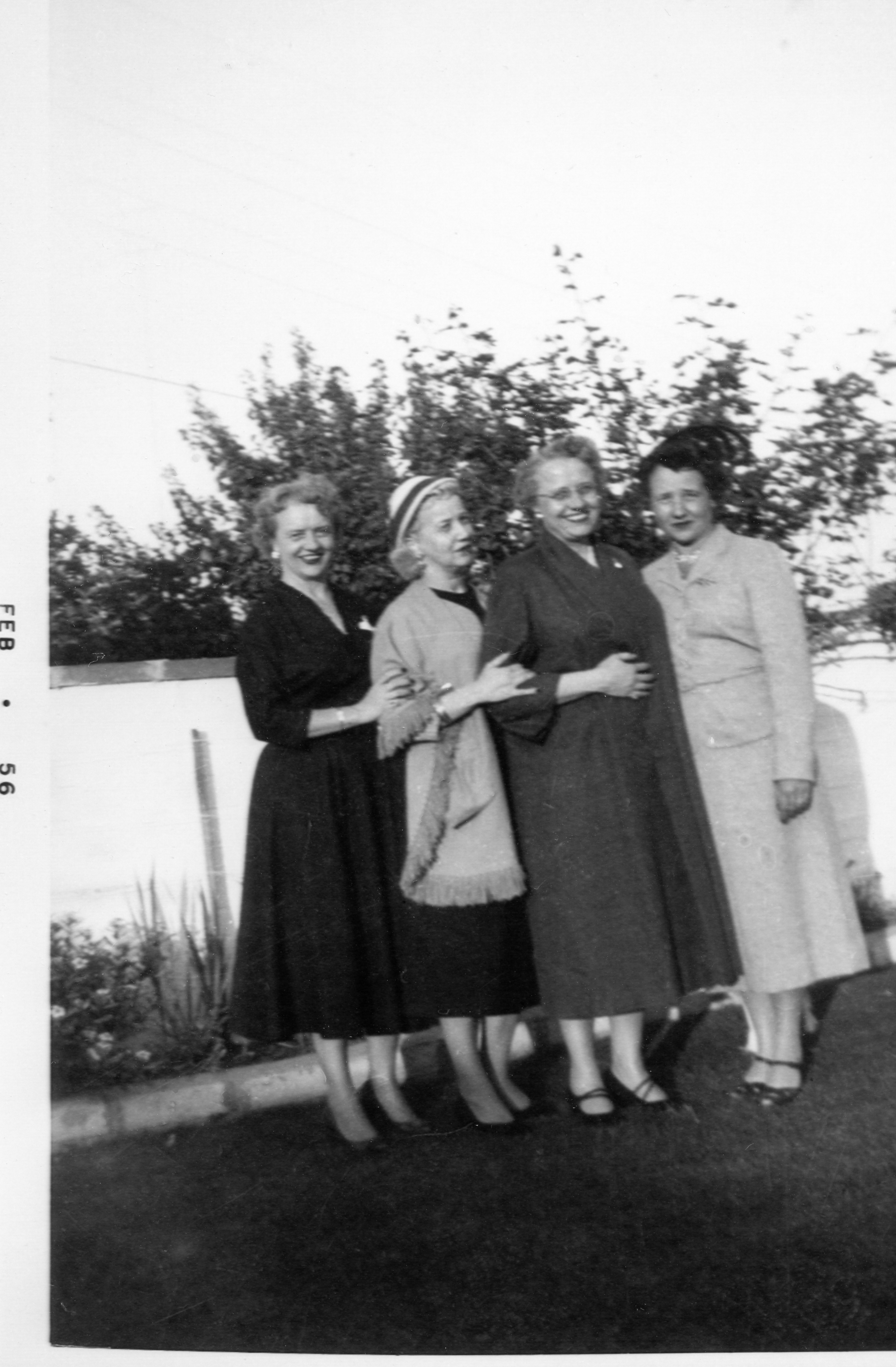
I dream last night of my grandmother, my mother’s mother, the one my sisters and I call Gammy.  She was one of the original Backyard Sisters, the youngest of four girls born in an  Illinois small town.  She always wore high heels and a silk petticoat, carried a patent leather pocket book, and never pierced her ears.

leonard girls

Gammy, far left

No one laughed like Gammy, or danced like Gammy, and lord knows no one loved or was loved quite like Gammy. Our mother, an only child, and we, her four granddaughters, were the sun around which she revolved. She was the kind of grandmother who, with each hello or goodbye, would clasp her hands around both your cheeks, pull you within inches of her own face, and with her eyes drink you in like whiskey the first night Prohibition was lifted.  Not that Gammy ever drank. She was a confirmed teetotaler.  Her giddiness bubbled purely from joy at being alive, surrounded by family.

We girls loved her back with reckless abandon.

Gammy has been dead now for almost 12 years.  But last night, when she leaned over me, right there in the moonlight, white lacy dress fluttering as she circled her hands over my head and cajoled, “Get up! Get up! Get up” I was only slightly surprised.  See, even though I use the term “dream,” to name these occasional encounters, it feels like a much more substantial spirit than my subconscious.  The other sisters will tell you their own stories about Gammy visits.  It’s like she was right there, right there in the room… The only difference between our stories is what she tells us.

“Get up! Get up!”  Oh my Gammy knows I’m struggling with rising out of the holiday stupor of too much food and too much fireside reading and too much nothing-to-do.  It’s January 4 and I haven’t yet set my intentions for the new year, haven’t decided yet what to focus on.

_MG_8208 focus

And focus I must. Why?

Because, like the holidays, my to-do list is rich with too many good things and I’ve been acting like that squirrel in the headlights, unwilling to say yes to anything because I’ll have to say no to so many others.

There is one sacred rock.  Family. There are 22 of us now, our parents, we four sisters and mates, our own children and in-laws. We gather at least once a month to celebrate birthdays, or graduations, or holidays.  We bake Gammy’s cake recipes and roast chicken like she did and never say we’re too busy to sing and dance in the kitchen.

But work projects are essential.  Our writing, teaching and photography sustain us and pay our bills.  And then what is life without trying to leave the world a little better for someone else?  Nothing! Gammy would say.

So in honor of what would have been Gammy’s centennial year, the Backyard Sisters decided to challenge ourselves.

We’ve selected 12 photographic terms, one to concentrate on each month.  These words convey a message, or capture a moment, a mood.  We’ve picked expressions that easily become inspiration and metaphor for family, for creative projects, for our place in the human collective.  They’re essential to saving life’s ordinary moments from the brink of oblivion; without these intentions meaningful art and life become difficult.

Our theme for January is focus. Works for photography.  Works for poetry.

it is out of focus

“It Is Out Of Focus” by Joel Lipman, (Poetry Foundation)

Ansel Adams once said, “When words become unclear, I shall focus with photographs. When images become inadequate, I shall be content with silence.” (LensWork, Issue 55, page 33.)

The Backyard Sisters welcome you to 2013 with words, with photographs, and yes sometimes silence, just to remember.

Each day we all travel one step closer to the inevitable endless silence of death.  The challenge then is to leave behind the words, images and memories that when recalled will reflect our best efforts.

Are you with us?  Then “Get up! Get up!”  The program begins on Tuesday. Until then, think about what deserves your attention this year.

With focus,
~Catherine and Sue