What are you doing in my dream?

Dear One,
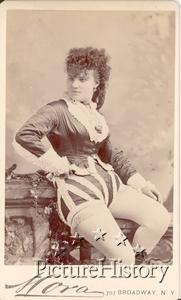
Sometimes, when the writing is precarious, I feel like Maria Spelterini, the only woman to traverse Niagara Falls on a tightrope.
Even though I sit in at my pine desk in a black pleather chair from Staples, I may as well be alone on a high wire, miles above the earth, walking a strand thin as gossamer strung between invisible moons.  From this dizzying height, the din dims. Wind whistles through silver hoops at my ears.

I. Am. Trying. So. Hard. To. Put. Into. Words. This. Thing. This. Thing!

For far too many months I’ve been polishing a poetry manuscript.  It’s good – the process and the work.  But from the great height in the clouds it’s easy to feel lost.

This week I stood firmly on solid ground in front of four university classes filled with new students, faces all turned expectantly toward me.  Some even had pens poised above empty notebooks ready to capture writing secrets.

“Why are you here?” I asked.

I want to be a good writer.
I want to be a better writer.
I’m a terrible writer; I think there’s no hope for me.

I tell them there’s no such thing as a good writer, a better writer, a bad or even a worst writer.  Rather there are people who effectively transmit their ideas and dreams and made-up universes, or even their all-too-real stories, with the kind of language that stops others long enough to read what they have to say.  Some are more effective at this language game than others and no matter the style or voice, writers who ultimately stand apart are the ones who find the truth and write it pure, pure enough that a reader discovers a breath more about this thing called humanity.

As Dinty Moore notes in his new little gem, The Mindful Writer: Noble Truths of the Writing Life:

 What we have is ourselves, and that is all we can really write about.”

Moore’s book is fill with all kinds of sage wisdom, dished out thoughtfully in 1-2 page bit, organized around a writer’s quote.  The segment about being ourselves is under a quote by Barbara Kingsolver:

Don’t try to figure out what other people want to hear from you; figure out what you have to say. It’s the one and only thing you have to offer.

After Maria Spelterini completed her first crossing in July, 1876, within a matter of weeks she repeated the feat with peach baskets strapped to her feet, then once again blindfolded, and yet again with her hands and feet bound in iron cuffs.
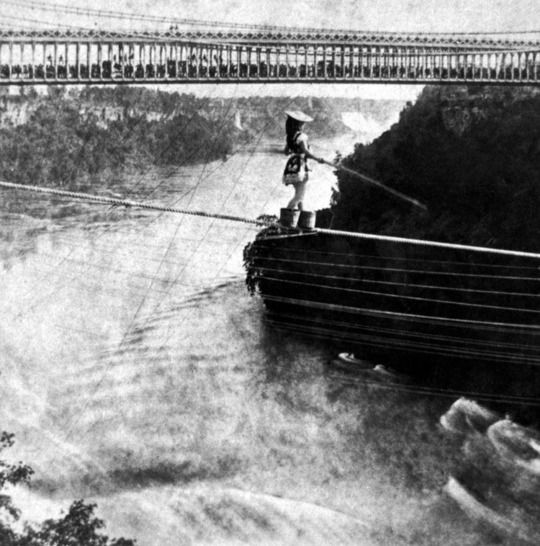
Sometimes I think I make the writing process more difficult than it needs to be, especially when I begin to circle too closely toward self-doubt, or some other truth I’d rather ignore.  I’m tempted to throw up peach baskets, a blindfold, shackles, or in the case of my poetry book, obscure references to ancient Greek myths and long forgotten gods.

It isn’t just writers who do this. We all at some time face a startling self-discovery with distractions.  We try to affirm that we’re still good enough, daring enough, special enough.  I suppose it’s easy to receive acclaim if you’ve got a high wire and an audience.  There’s far less fanfare for walking the wire of one true self.

One night, I dream I’m Maria Spelterini.  I pause midway in my crossing, the thunder of Niagara Falls all around. I leap, a scissor kick. For one brief second I hang in flight.

Oh—              the view!

With balance and daring,
~Catherine

p.s. Dinty Moore will be a presenter at League of Utah Writers Roundup, September 14-15, 2012.  Click here for more information.

Dancing as fast as I can

My life has been the poem I would have writ
But I could not both live and utter it.

Henry David Thoreau said perfectly what I would have said if it hadn’t been the kind of week it’s been.

Apparently “they” were right when “they” told me, “If you switch to full time teaching, your writing time will suffer.”

A bow to you, almighty “they.”

A vow to me to dance faster, faster.

In praise of brevity and wisdom,
~Catherine

Cherries and haiku

Did you ever get a second chance?

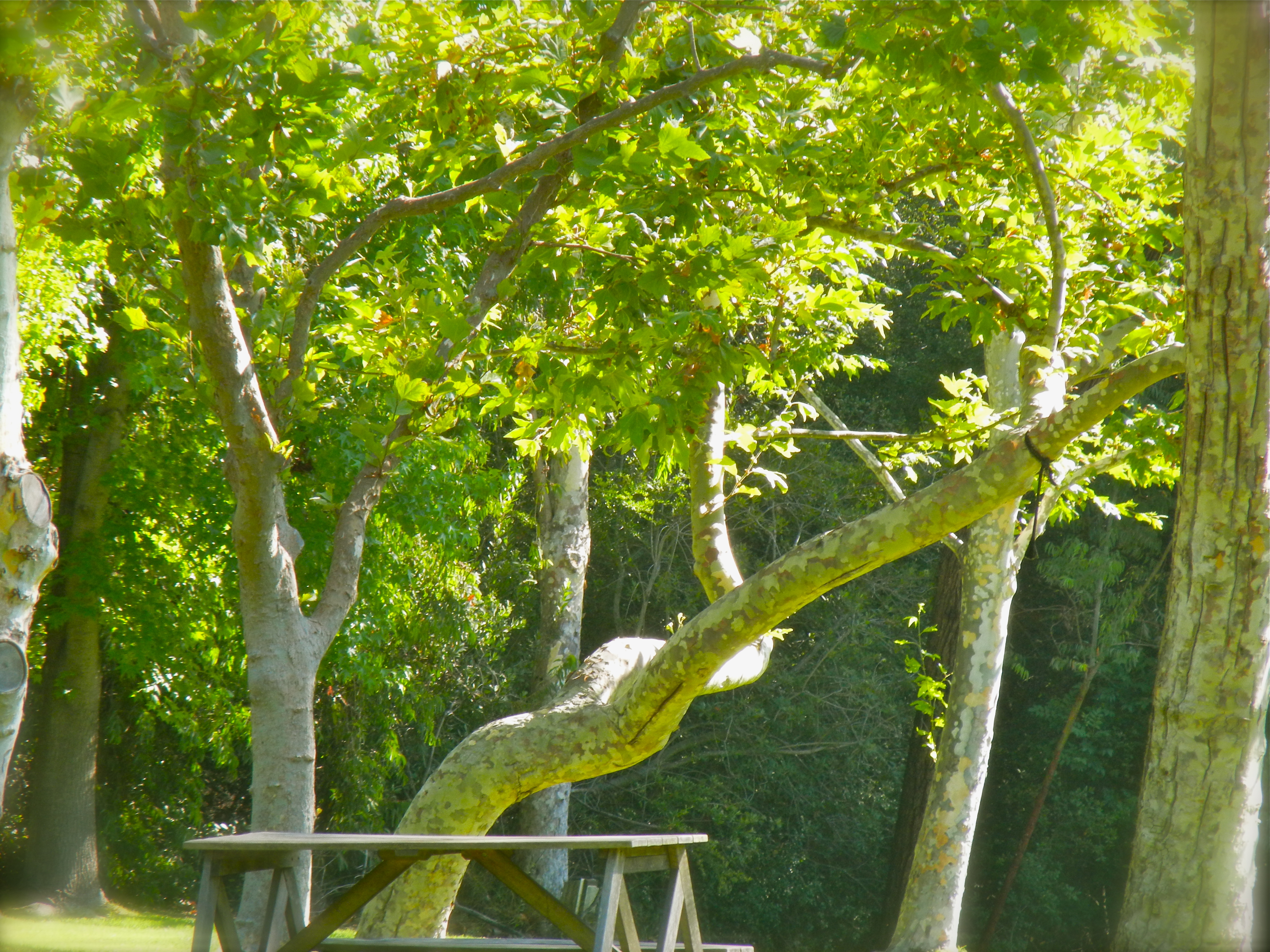
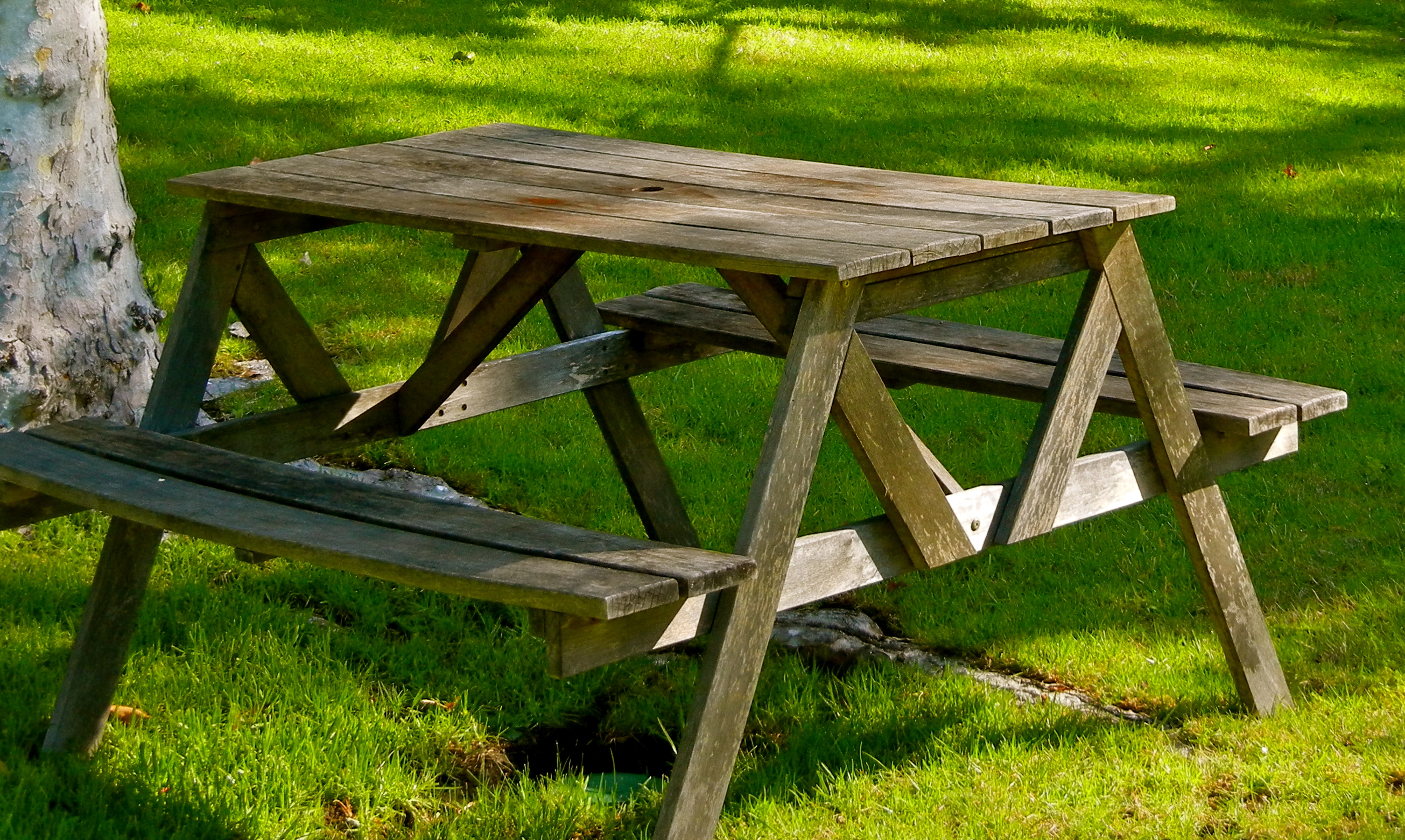
I still regret not stopping at the empty picnic table that appeared one winter day, out of the blue, along the path where I walk.  Rather than stopping to appreciate its rustic beauty, I planned all through the winter and spring to celebrate the summer solstice upon its refuge in the shade of an ancient oak.  But when I arrived in June, it had been destroyed.

Past tense and future crumble the present I was given and never received, I wrote about my disappointment.

And then today, straight out of the blue, like a mirage, I discovered another picnic table under a different nearby tree!

Does someone build these in the night and place them in perfect spots for strangers to find?  You can tell it’s not brand new by the lovely mottling and sag of the wood.


Where do these tables come from?

When given a second chance, it’s best not to stop too long to ponder the mysteries of how or why, so I reached into my heart’s pantry for joyous gratitude with a generous helping of urgency.  I coaxed Chester the white dog into a trot home where I gathered a bag of cherries, a pen, a journal, a book and an idea.

We returned and settled into the shady spot.

Lately I’ve been reading  Narrow Road to the Interior and Other Writings by Matsuo Bashō. There are many translations, but my favorite is by Sam Hamill.  The book begins with the line, “The moon and sun are eternal travelers…every day is a journey and the journey itself is home.”  That last phrase took me several readings to comprehend.

The journey itself… without continuing to walk this path I wouldn’t have stumbled upon the new table and without the disappointment of ignoring the first gift, I wouldn’t have paused to celebrate the second.   I love the philosophical soundness and evocative imagery of Basho’s haiku and one of my favorite poems of his came to mind.

Even woodpeckers

leave it alone—hermitage

in a summer grove

This could just as easily read “picnic table” as “hermitage.” Why do travelers on my path leave the picnic tables alone?  I love that Basho frequently posted poems for others to find.  I couldn’t resist this desire to leave a poem as he did “quickly written, pinned to the table.”

summer afternoon

empty wooden bench
sycamore extends her branch
kick off my shoes. home.

Did you use your gifts to celebrate a new opportunity today?

With gratitude and deep delight for your own second chances.
~Catherine

p.s. Visit the Poetry Foundation’s website here to read or listen to how other poets embrace the form. If you’re in the mood to write and enter a haiku contest, check out The Haiku Society of America’s “Harold G. Henderson Awards for Best Unpublished Haiku” here.  Deadline is Aug. 31, 201

Never enough time to say no

Are you used to the idea by now that your days aren’t long enough?

My father once asked me this during a week when I’d just moved and was still unpacking boxes.  I was also in the middle of putting out an issue of dirtcakes the literary journal I edit, finishing a poetry manuscript, writing an essay collection, and baking cookies to take for an overnight visit to that same man who’d just asked me if I was ready yet to bow to the superior strength of time’s speed pitted against my endless to-do list that stretched like one of Jack Kerouac’s legendary giant paper roll manuscripts.

From the back cover of On the Road: The Original Scroll

I almost said no, my days are never long enough.  And then I paused.

Every single day there’s time for meditation and prayer, for long dinners with my husband, conversation with our parents and children, my sisters and neighbors, friends and strangers.  I have all the time I need to hike with my dog at least for a bit and toast small discoveries like the way the afternoon sun slants golden in the living room window of the new house.

Every day is exactly as long as it needs to be when I take time to write and teach and breathe a prayer of gratitude for living with the kind of mind that dreams up all the things that fill my days.   That to-do list only feels like it stretches to eternity, but in fact it’s filled with tasks that will hardly outlive my body the way love will link my life to others in ways that will continue to give long after I’m gone.  There’s never enough time to say no to what matters.

So, yes, I said, rather surprised at myself.  Every day is exactly long enough, I told my father.  Yes, this day is the perfect length, as will be the one tomorrow when I come visit.

What, what did you do today?  My monkey mind can’t help but ask this persistently during the daily hour when I finally concede surrender to the uncrossed off items still standing under the to-do heading.  My answer today?  I wrote you and I feel great.  And now it’s time to go get busy in the kitchen.


With all the time in the world,
~ Catherine

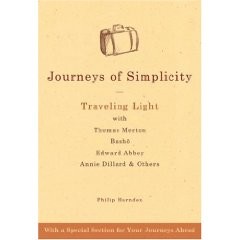
p.s.  If reading lists brings you pleasure, one of my all time favorite books is Journeys of Simplicity: Traveling Light edited by Philip Harnden.  It’s a compilation of lists from writers, poets, even an arctic tern.

An excerpt:

RAYMOND CARVER’S ERRAND LIST:

Eggs
peanut butter
hot choc

Australia?

Antarctica??

What will you pack into your day? What are you willing to let go?
~C

Hurricane? Fabulous

Hurricane Fabio, Fabio (Weather Channel/AP/File)
Photo collage compiled by Yahoo! News

When I packed to move this weekend, I found a 1995 newspaper clipping of a public letter I’d written to Fabio, the Italian model, after he stood me up for a workout date to discuss a fitness book he’d written. The headline reads, “Black leotard awaits its fabulous destiny with Fabio.”

Oddly, my weekend seemed filled with Fabio disruptions.

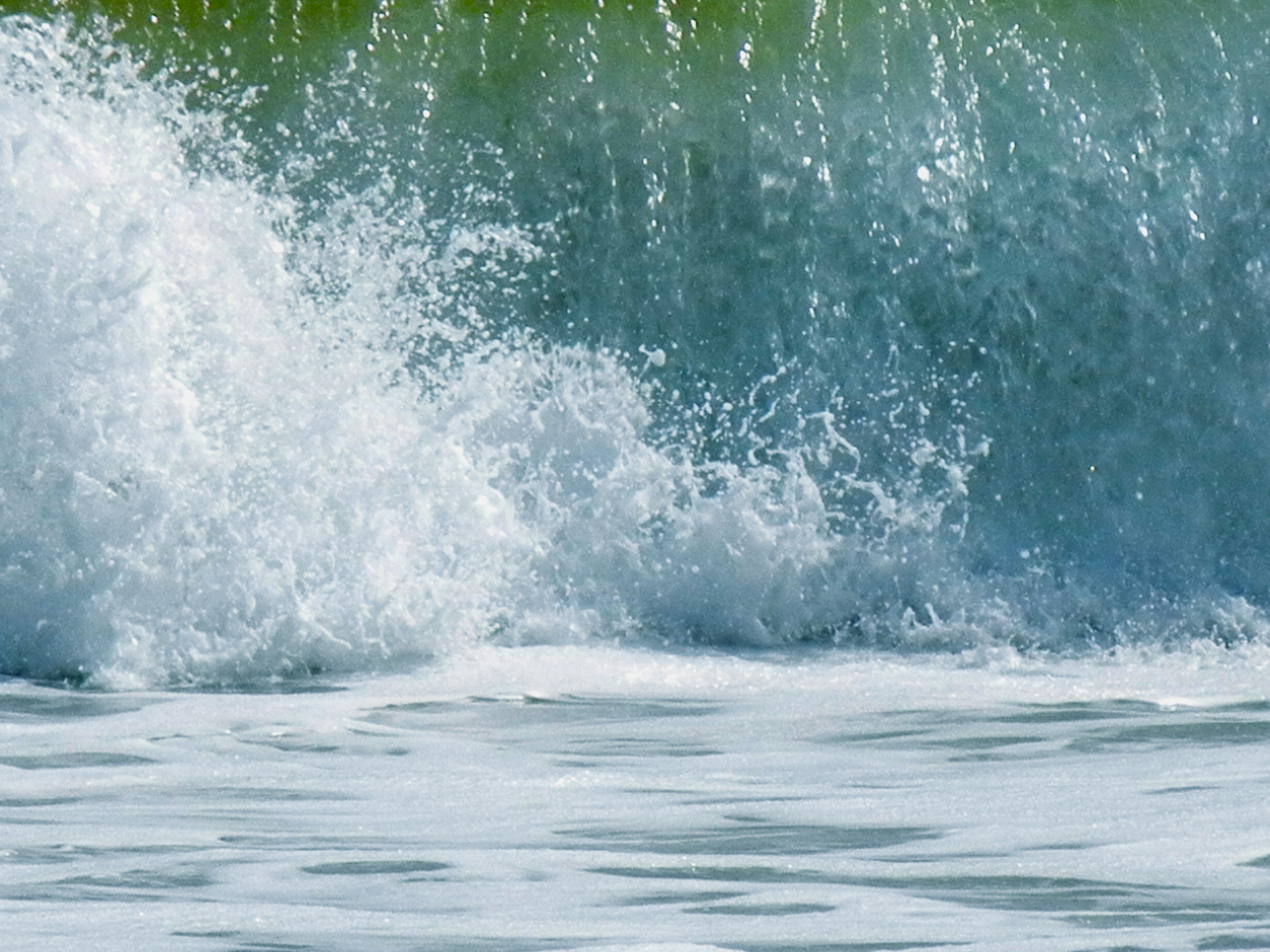
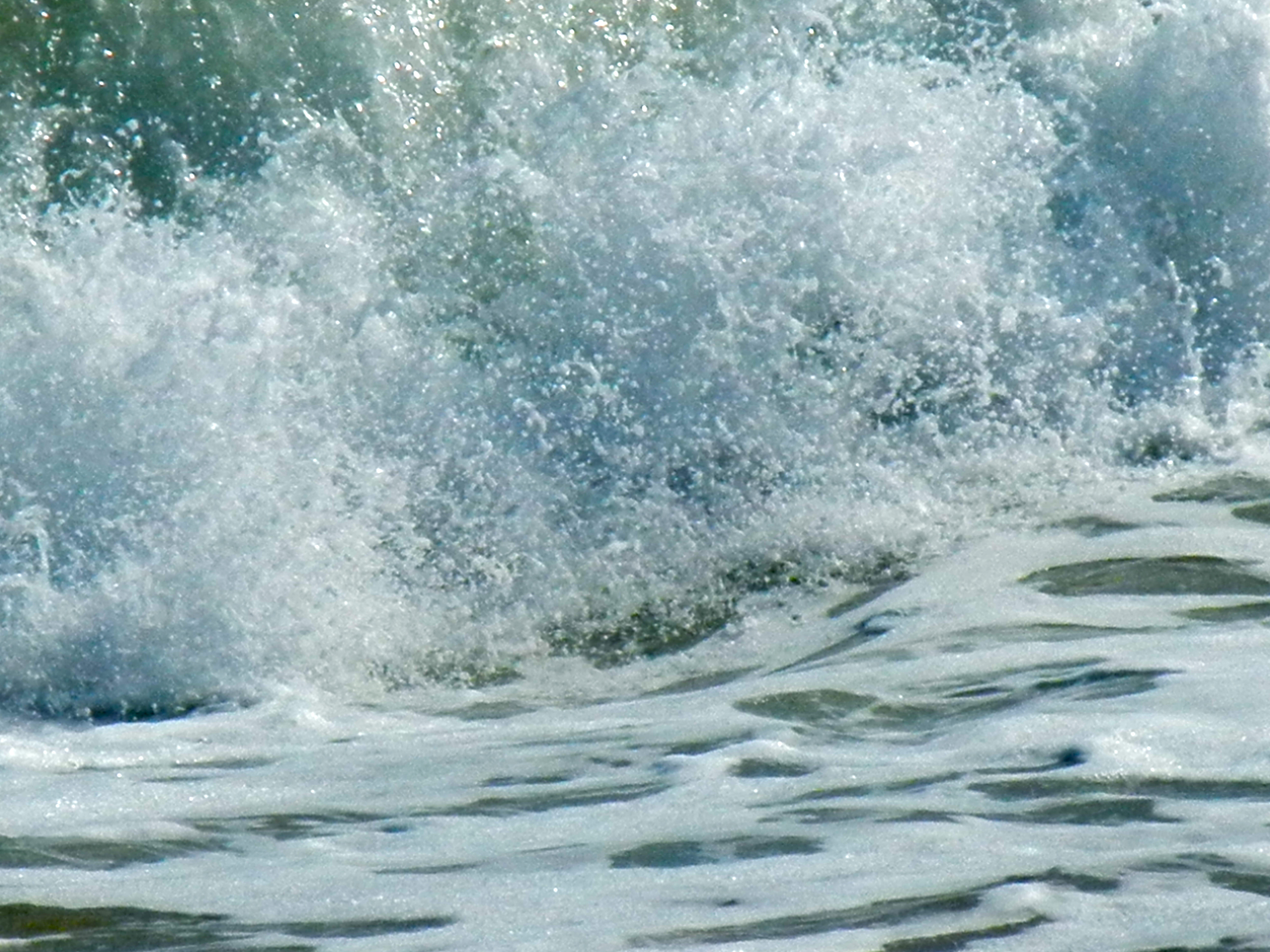
Hurricane Fabio surf. July 13, 2012. Crystal Cove, CA

“There’s a hurricane swell today,” the lifeguard told me on Friday. “You shouldn’t go in without fins.”

I don’t own fins.   Undertow yanked my ankles like a two-fisted giant; waves crashed overhead. Hurricane Fabio’s effects impressed me enough that for the first time ever I postponed an annual tradition begun when I was 15.  I always body surf on my birthday to celebrate life’s wild beauty, and in some weird way, to prove that I’m not yet old. I wondered what it’d mean to give myself a hurricane delay.

Swell and crash. July 13, Crystal Cove State Beach

When the universe nudges me twice in one weekend, I wonder if it’s trying to tell me something.  I reread snippets of the letter.

Dear Fabio,
You’ve broken my heart.

Oh sure. I’m the one who stood you up on our first date.  That afternoon we were supposed to work out together at Gold’s Gym was a nightmare. There I was, stuck in traffic, miles from you.  The clock crept fast; the Hollywood Freeway did not.  You had to leave before I got there. Remember what you said when we spoke by cell phone?

Don’t worry, Catherine. When I get back from New York we will work out.

When my friends and husband and editor found out I’d missed our date they wailed and gnashed their teeth.  Who’s late for a date with Fabio? I felt terrible, but I readied myself for your promise. We will work out.

I bought a new leotard. Black.

I reread your book, Fabio Fitness

I had so many questions.

Do you really use miniature utensils so you don’t eat too much?  Is it better to work out with a buddy as you suggest on page 188?

I was nervous thinking about standing bicep-to-bicep with the Great Maned One. My hands sweat just thinking about it.

I did a few sit-ups. Eight.
I bought new shoes. Black.

I mourned that we’d missed our first date, but was secretly relieved. I thought your workout might be too hard and I’d huff and pant and act the fitness level of someone who spends her time reading romance novels.  I was willing to sacrifice my body because I had more important things on my mind. Fabio, I wanted to give you the chance to prove that looks aren’t everything and that you really cared about the health and well-being of all the women who swoon at the sight of you.

I bought a new pair of tights. Black.

You returned from New York and invited me to your Hollywood Hills home instead of Gold’s Gym.  Your Los Angeles publicist said it was because you’d just installed a new sound and video system.  You wanted to show it off.

I told her I’d be glad to come to your house. To work out.
Your publicist invited me to your house for breakfast. I said I’d be glad to eat breakfast with you. After we worked out.

Your publicist invited me to your house for lunch. I said I’d be delighted to come, I’d even help cook recipes from your new book. After we worked out.

Your publicist said you’d changed your mind; you didn’t want to share your workout. Your workout is a religious experience for you.

I didn’t want to come to your house to talk. I wanted Fabio in action, helping women becoming more healthy and fit, like the press kit said you were devoted to doing.

I’m wearing black.

__________________________

I threw back my head and laughed.  I did used to buy new clothes when I was nervous and running late is something I’ve spent years trying to purge from my bad habit list. But seriously, I’d given up a date with Fabio to prove a point?

I know one thing for sure. I’ll be headed back to Crystal Cove in a few weeks to make good on that birthday body surfing tradition. If you happen to see Fabio, tell him he can join me. To work out.

Splash!

Wishing you all swell things,
~Catherine

p.s. This letter to Fabio first appeared in a slightly longer form in The Orange County Register, Oct. 3, 1995.

Noisy things. Then quiet.


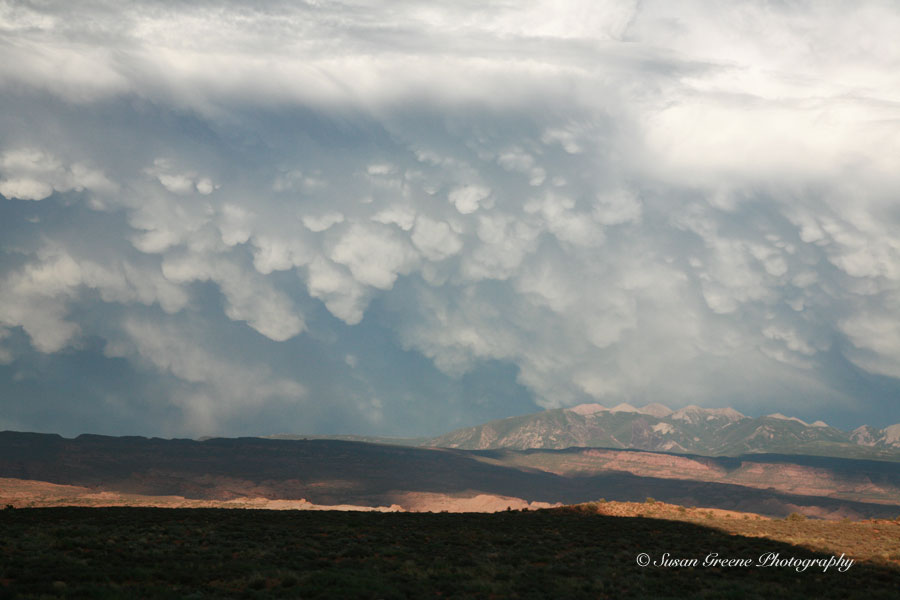
After the storm, near Arches National Park.

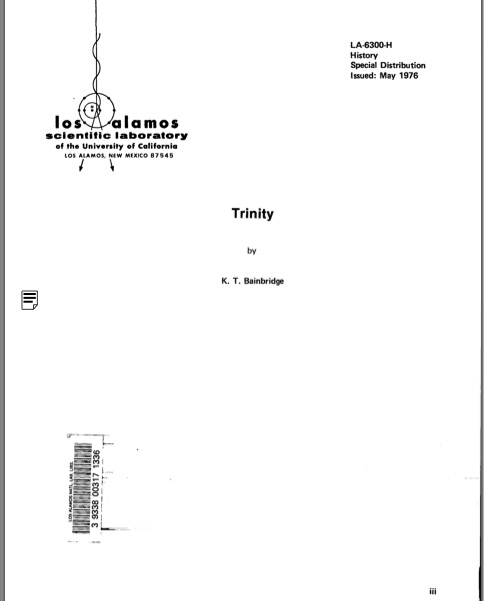
How do you mark the 67th anniversary of a day that changed the world forever?   Ready or not, the atomic age began on July 16, 1945 with the first successful atom bomb test.  There’s a report, available now from the Los Alamos National Library, so you can read all about it.

Trinity by K.T. Bainbridge sounds like it could be an exploration of the religious belief that God is creator, human, and spirit all at once. In fact, Trinity was the code name for the test explosion which occurred in the Jornada del Muerto desert, a name translated from Spanish as, “single day’s journey of the dead man.”

Even though you know exactly what’s coming in that report, the suspense could kill you.

Page iv is blinding white.  Stark.  Then you turn the page and wonder if there’s a government typesetter who has a sense for visual poetry.  The entire page is mostly bare, except centered amidst that very quiet middle, like a cloud, is this:

                                    FOREWORD

   The world’s first atomic explosion occurred July 16, 1945 at the
Trinity test site in southern New Mexico.
   This account of the organization at Trinity, the experiments, and
the results, under the direction of K.T. Bainbridge, was written
shortly after completion of the test.

Page 43 provides an itinerary for the weekend festivities.

Saturday, 14 July, 1700
Gadget complete

Sunday, 15 July, all day
Look for rabbit’s feet and four-leaved clovers. Should we have the Chaplain down there?  Period for inspection available from 0900-1000.

Monday, July 16 0400
Bang!

“Gadget” is the code word for what the world had never seen.  Bang! I think of noisy things whose names I speak.  Bombs.

What was the sound on July 16?

“…measurements were designed to give results for…an energy release from 10,000 to 50,000 tons of TNT…. In many cases the dirt was blown from the shelters by the outgoing wind.”

Wind, I’ve heard wind and other noisy things. Surf. Thunder. Once I had a friend. He’d lie stretched out on the runway at night when planes took off from LAX.  This was back in the day when a kid could hop a fence and sneak onto airport runways, before his death changed all that. Way before 9/11.  I can’t even ask him now, how loud exactly is a jet when it throttles down upon you?

That author of Trinity writes of inexplicable things.

“The following observations, among others, seem to deserve special notice…A skirt of hot lumpy matter, thus far unexplained, rose from the ground ahead of the Mach wave.”

I’ll admit I own a few lumpy skirts.  How funny would I look like rising from the ground just ahead of an approaching Mach wave?  Would it be anything like riding Hurricane Ava surf at the Wedge in Newport Beach that summer of 1973?

A laugh wafts through my open window.  There are good noises. Sure.  Unforeseen pleasures. Fireworks or timpanis.

There were unforeseen phenomenon that long ago July.

“The velocity of the shock wave unexpectedly remained nearly constant at twice sound velocity…”

I think of other unexpected, nearly constant things, like stars or love. How good it is when something works the way you hope.

RESULTS
July 16
Nuclear Explosion
Records fogged by gamma rays.
No records. Traces thrown off scale by radiation effects.

Inhale sweet summer air.
I remember saying this in Japan on a 2007 visit with my daughter, years before Fukushima.  We were thrown off scale by radiation effects.  From my journal three days after visiting Hiroshima:

still thinking of pieces of skin
the tongue with purpura spots
the broken spine
the tea dark brown
curled fingernails
preserved in pristine acrylic
at Peace Memorial Museum

Did the men in that 1945 desert pause to inhale sweet summer air once the dust had settled into silence?

There are quiet things I hate. Time passing quickly. Radiation seeping from the — Noisy things I hate: Bang! Gadgets!

Yet mostly, quiet things are sweet.  Like the sound of books. Your smile when you read my face. A silent prayer like humans folding paper cranes for peace.

Paper cranes at Peace Memorial Park, Hiroshima

Mark this anniversary as you must.

With hush and racket,
~ C

p.s.  A poetry book that might touch your heart on the topic of nuclear war: The Tongue of War: From Pearl Harbor to Nagasaki by Tony Barnstone.  From the introduction:

“I branched out and spent a decade and a half researching war letters, diaries, histories, oral histories, and interviews with American and Japanese soldiers, scientists such as Robert Oppenheimer, President Harry Truman and citizen survivors of the Rape of Nanjing, or Hiroshima, and of Nagasaki.  Drawing from these sources, these poems speak from the points of view of participants in, observers of, and victims of war.”

You can view a podcast of Tony reading during his visit to Chapman University’s Tabula Poetica series by following this link.

The Weekend Dish – Saddleback Salad

Here’s today’s hot tip.
Leave the leftover 4th of July cookies in the kitchen instead of taking them to your desk. Whoops.

Here’s today’s cold tip.
Make a salad. Call it dinner. Pack it up and hike to your favorite swimming hole for a picnic.

I created Saddleback Salad, which takes its name from the mountain where I watch sunset shadows play outside my kitchen window, based on what I picked up at the Laguna Beach Farmer’s Market one Saturday.  The arugula tastes perfectly at home in a wild grass and meadow setting; the mango is like a little shady spot for your tongue.  Transport the lettuce, mango, pamplemousse, and almonds in separate containers.  Make the dressing at home; toss right before serving.

Saddleback Salad
4 C mixed greens
2 C arugula
2 C mango, peeled and diced
1/2 pamplemousse (This is the French word for grapefruit and I swear if you call it a pamplemousse it tastes better)
1/4 C slivered almonds

Dressing:
2 T apple juice
2 T honey
2 T lemon juice
2 T honey mustard
1/8 C olive oil
1/2 T ground ginger
3 chunks crystallized ginger, slivered

Toss greens and arugula in a large bowl.  Add mango and pamplemousse.  Pour dressing over all and garnish with almonds.

Round out your meal with a strawberry, blueberry, raspberry medley, and some fresh honey goat cheese spread on slices of full grain bread, garnished with a few dried cherries.

If you’re the type who likes to read a little poetry with your al fresco meal, Mary Oliver’s, “The Summer Day,” is as good as grace.  You can read it, or listen to Mary read it aloud here.

Hurry! There are only 78 summer nights left. Don’t waste a one.
With wild abandon,
~ C

I waited all winter to tell you

under the ancient oak
an empty picnic table

I wrote those lines late last December after a walk with Chester, the big white dog. I remember well the afternoon we wandered in the gloaming, he with all the bounce and romp of a puppy and I with some elegiac tang induced by another year’s looming end.

fog swirling mist
descends upon the night
chill

the stars are crying.

Why so sad? I wonder now in summer’s glare.

summer afternoon shade
untied my shoes

I wanted to tell you how the table surprised me that afternoon when I turned left on the path instead of right. There were no tables anywhere else in sight, just this one simple wooden stopping place.  I waited through January, February, the bluster of March to give it to you, not from the vantage point of the path which ran past it, but with the solidity of its worn wooden bench beneath me, with the joy of describing the summer solstice meal I ate from atop its uneven surface, with the fervent vow to eat al fresco more this summer than last.

So much depends upon a wooden picnic table in a winter afternoon.  I felt a new comprehension of William Carlos William’s 1923 poem, “The Red Wheelbarrow.”

so much depends
upon

a red wheel
barrow

glazed with rain
water

beside the white
chickens

I wanted to tell you how my table seemed embedded in the grass, as if it had roots like the oak above it, how it was the soft brown of shadow on bark with bright orange streaks where a kind of moss grew upon it as if it were a living thing.

By April I vowed to eat at a different picnic table each week this entire summer. I would dine under the sky! Describe parks and beaches and campgrounds! Find new vantage points!

Then I wondered; would that plan celebrate the novel and restless over the warm familiar? Maybe instead, I should resolve to meet this table and this table alone with my basket all summer.

so much depends
upon

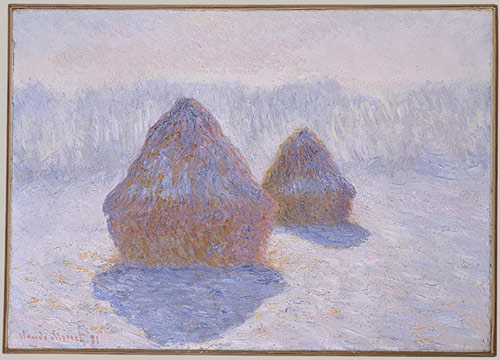
I think of Monet’s Haystacks, the artist’s study of light upon a common object.

I think of Antonio Porchia‘s slim volume, Voices, the writer’s light fixed on common man.

I have scarcely touched the clay and I am made of it.

I think of something as solid as wood in a world which feels more like a river than stone.  Anticipation is delicious.

under the ancient oak
an empty picnic table
summer afternoon shade

Summer begins yesterday.  I wait as long as I can.  Noon turns to afternoon turns to almost twilight. I’m ready with camera and Chester and a brown paper bag full of first peaches because it’s the kind of day where I don’t have time to cook.

We go the long way, take the path which curves first left, then right, then around the bend of the seasonal creek, the path which places the setting sun behind my shoulders which casts my shadow long and makes me look as if I’m always arriving.

Chester pulls on the leash.
And there under the ancient oak.

It’s demolished. The table top now lies at the bottom of the creek bed.

“Certainties are arrived at only on foot,” Antonio Porchia writes in Voices.

Past tense and future crumble the present I was given and never received. As I walk home, I know. I waited too long to whisper my secret wish to picnic with you, but I will tell you now.

~ With high hopes for surprises along your own path, C

Give the people a love story

What are you writing?
Everyone wants to know.
Wretchedly miserable love poems, I say.
The poems or the love?
You, of all people, must know.
(from beach bag journal, 2005)

|<|>|<|>|<|>|

Kauai is a study in couples.

Yesterday’s bride perches poolside, feet dangling in the water.  A fraternity-size of group of men surrounds her, holding out icy cups of beer.

“Drink!”
“Drink!”
“Drink!”

“No more!” she insists and jumps to her feet.

Newlywed

As she sashays away the rhinestone word scripted across her bikini bottom sparkles in the afternoon sun. The man wearing the white Groom hat downs his beer and doesn’t follow.

|<|>|<|>|<|>|

Fewer people will look you in the eye and say, I could be your lover than the number who will say they’re thinking about becoming a writer too.

Which one of these is the harder thing to do?
(from beach bag journal 2006)

|<|>|<|>|<|>|

The friends who join us on this trip point out The Feral Pig, a restaurant that used to be a breakfast place.  “We ate there on our honeymoon. ”

These are the kind of friends we’ve had since before we both married that hot summer of 1980, D and I trading bridesmaid duties.

Today they giggle, then tell us a honeymoon story.

One morning, we saw a couple eating breakfast there.

They just sat at a table, drinking coffee, reading the newspaper.  They never even talked to each other.

We think of that couple all the time.  We don’t to be like them.

|<|>|<|>|<|>|

Repeat after me: Give the people a love story.

Los viejitos sólo deben salir para ser amables.  Old people should only go out in public to be sweet.

This quote is attributed to Leopoldo, the uncle of Aura Estrada, Aura, the muse and amor of author Franciso Goldman, Aura, the woman who died in a freak body surfing accident and then Francisco wrote about her in the most beautiful book I’ve ever read.  In Say Her Name, Francisco says,

“Hold her tight, if you have her; hold her tight, I thought, that’s my advice to the living. Breathe her in, put your nose in her hair, breather her in deeply. Say her name…”

He can write about love like that because he doesn’t have it anymore and no one can accuse him of being sentimental.

I read Say Her Name on the beach and remember a question I once asked an entire class at the end of a semester when I was a literature grad student.

“Where, where is the happy love story, the great literature happy love story?”

Titles peppered me like small darts. Love in the Time of Cholera.  Anna Karenina. Lolita.

So I start with Lolita. I find love in a million masks: obsessiveness, possessiveness, irrationality, kindness, tenderness, anger, illness, forgiveness, relief and release, madness. Is this the only kind of love that makes great books? I really need to know the answer to this. I really need to find a happy love literary feat.

My friend who’s never been to grad school but loves to read suggests Rebecca.   I look it up, it’s a romance novel. I don’t read it.

Maybe love and literature are like the raindrops in a storm.  Who can write well about one small droplet of water without evoking thunder and floods and the loss of sun behind clouds?  One small drop of fresh water. Where’s the miracle in that?

|<|>|<|>|<|>|

“We’re on our honeymoon.”

I tell this to my husband, (isn’t that a glorious word?), I tell my husband this as we stand at Gate 45 in LAX preparing to board our flight to Kauai.

“Our honeymoon. Yes. I like the sound of that.”

In truth, we’ve been married almost 32 years.

|<|>|<|>|<|>|

Writers block only happens when you stop telling the truth.
(Scribbled in my Theory of Fiction Class Notes)

|<|>|<|>|<|>|

The Gray Divorcés

The divorce rate for people 50 and over has doubled in the past two decades. Why baby boomers are breaking up late in life like no generation before.
Wall Street Journal headline, March 2012.

One small drop of fresh water. Where’s the miracle in that?
Repeat after me:
Give the people a love story.

|<|>|<|>|<|>|

You don’t brick over the hearth if the fire burns out.  You gather kindling and tinder. You haul in logs from the woods.  Hell, you cut down the whole damn forest  if you must.

You hold a long-stemmed match to crumpled paper of your past and breathe and blow to fan the flame. You swear to tend this fire as if your life depends upon it.

You don’t want to be that couple that doesn’t hold hands on the beach, nor the one who doesn’t talk at dinner.  You want to be that one over there, the one laughing in the surf, holding hands.  I wonder if they’re on their honeymoon?

|<|>|<|>|<|>|

“Write love stories. I benefit when you write love stories. I’ll be your research.”
J says this to me one day when I say I’m only writing sad stories.
(From my journal, March, 2007)

|<|>|<|>|<|>|

Just don’t lie to me says the writer to the heart. It makes the work turn out badly.

|<|>|<|>|<|>|

I tell J I’m sorry. I can’t write a happy love story. I wonder though: can I write you a life instead?

~With love, C

Things I find on the beach

A found a cat’s eye marble once.  A salt-pitted wedding band.  A mirror.

And you, of course, in my beach journal from Kalapaki Beach, Kauai one June.

Overheard in the water, father to his daughter on Saturday

The knee-high girl with butter blonde hair is bright as a bobbin in pink rash guard and orange ruffle bathing suit.  As she jumps small waves, she practices a new word.

Here comes undertow!
Can you see undertow?
There it is—
There’s undertow!
Here it comes again!
It’s undertow!
Jump undertow!
Here it is!
Here’s undertow!
We can’t ride undertow!
He can’t hurt you!
Here it is—
He’s undertow—

A wave washes up to her chest and she screeches in the way little girls at the beach sometimes do.

“Daddy!”

The man standing with her pulls her high into the air.

I’ve got you— I’ve got you—
I’ve got you—
Don’t worry
That’s just the current
It won’t hurt you
It can’t carry you away.
Don’t worry. I’ll never let go.
I’ve got you.
I’ve got you honey, I’m here.

Overheard the same day
This from the man in the navy blue baseball cap and black sunglasses to the boy calling, “Dad!  Dad!” who is trying to cling to his neck in the waves.

Touch me one more time and I will walk straight up to the babysitter and make a reservation for you.

The boy swims to the shore and walks away alone up the beach without looking back.

Later that day:  Seen but not heard at sunset

The man and woman recline side by side on lounge chairs.  Both silent. Both reading. She sets down her book, glances at him.  He doesn’t look up.

She peels her pink tank top over her head, sheds her khaki shorts.  She tiptoes across the hot sand to water’s edge and sits, facing the sea.

He looks up from his book to the horizon.  He sets down the book, stands and picks up a camera from the small glass side table.  His gait across the sand is silent, bobbly. Quite slow.  He peers through his viewfinder as he walks.

Without a word, he places his hand hand on the woman’s shoulder.  She swivels her head, upturns her cheek, mouths a silent “Oh?”

This is the moment he presses the shutter.  Then he lowers the camera from his face and returns the smile she shines upon him.

What else do I find by the sea? A thought.

Hours ago, a huge dock was found on Agate Beach in Oregon, debris finally at rest after its untethering from Japan during last year’s tsunami.  You can read about it here.  Official reactions are mixed.  Some marvel at its long journey. Others worry about the environmental contamination it might bring.

On this day by the beach, I too can’t help but wonder:  Will I leave behind delight or detritus today?  And you, what about you?

With all due respect to oceans and tides,
~C