Time to dream

Dear One,

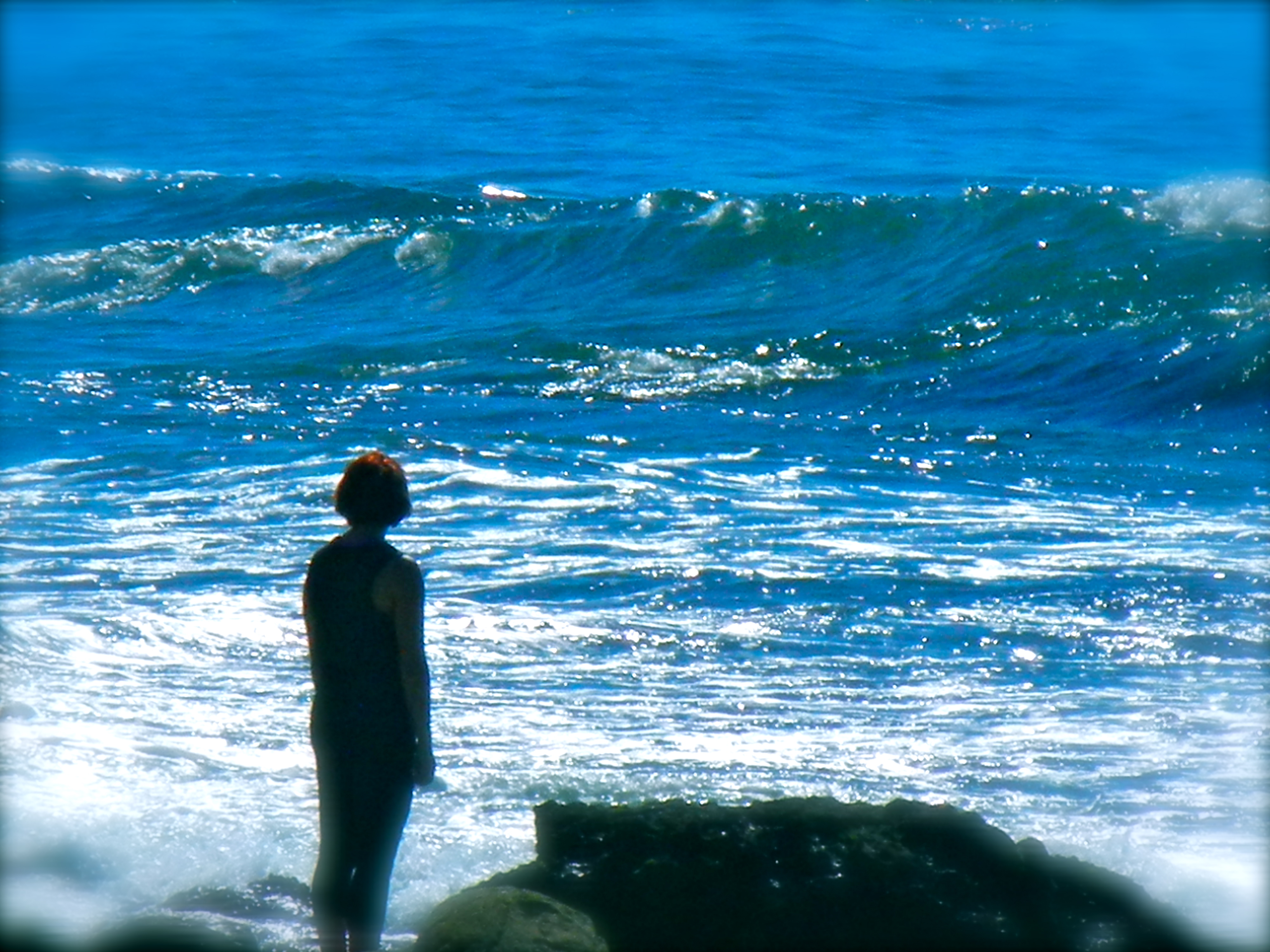
I see you standing there. I read your back and see the softened slump about your shoulders.

I hear your sigh that carries just above the shush of the Pacific, not quite a keen, but not a thing like laughter.  What is it you look for? Have you been waiting for so very long?

May I tell you something? Once I saw two boys barehanded fishing for tilapia in Kauai’s Hule’ia River. Frozen still in the shadows of the mangrove, they cupped their hands and waited.  Shhhh, they warned and I froze too, midstep on the hiking path.  All at once, like athletes on a pedestal, they raised their arms victoriously overhead and one wriggling fish flung droplets into the sky.

“Dinner!” they shrieked.

That night I dreamt I stood in the shallows of Hule’ia, hands submerged into murky water. I could not see clearly, unsure exactly what I was trying to catch.  I dreamt a cold plump softness nudging my open palms. One, two – too many sleek and slippery things to count – I grasped and missed, until at dawn I awoke empty-handed, staring blankly at the wall.

Is it like that now for you?

My friend wonders about her mounting “…sense of exhaustion and ambivalence…”

My students say, “This week is awful. It’s limp broccoli.”

It seems everyone around me is feeling…

when we would all so much rather be —

Here’s my Rx.  If you can, take a visit to your girlhood dreaming spot, or one that reminds you copiously of it. Gaze into the lantern of your inner fire. Catch the glow. Reflect the blaze.

Remember who you once were and what you said you would become.  It’s not too late. But hurry. You are waiting.  And so am I.
With vibrancy and gold,
~Catherine

p.s. If your spirits need a boost these days, stumble upon Dearest Creature by poet Amy Gerstler.  (You can read David Kirby’s New York Times review of it here.)

This is not a new book; it was published in 2009. But it’s a new discovery for me and I highly recommend any book that contains poems with titles like, “At the Back of a Closet, Two Dresses Converse” and “Chant of the Hallucinogenic Plants,” especially as an antidote if you’re in your blues period.  There’s no expiration date on golden poetry.

Five lines to challenge chaos

Is it possible to offset the apparent randomness of the universe?

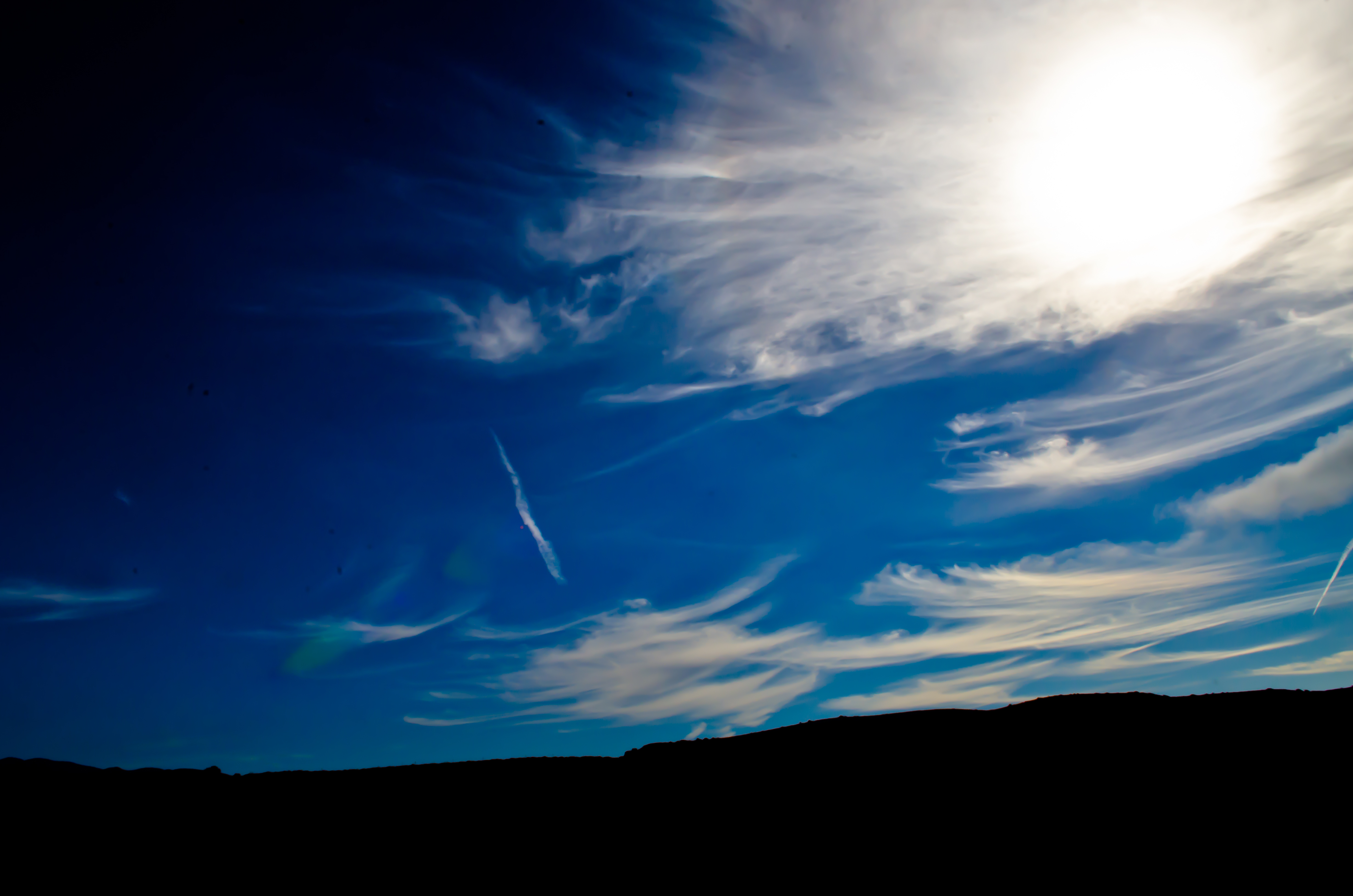
California Morning Sky.       Photo Credit: James Keefe Photography

Some ladies put up tomatoes, or peaches, or apple jam against the coming winter. I decide to create a stock of writing projects as sustenance against the lengthening darkness.  By spring, I’ll have a larder of poems that adhere to formal patterns found in nature, the sunflower, for example, or the whorl of a seashell, the number of legs on a spider for instance, or the swoop of an orb found glistening in early morning.

The idea takes root as I introduce my students to poetic form and we discuss the state of poetry as a mostly formless country these days, flowing as it does so frequently in free verse.  What is found when form is lost? I prod.  What is gained when form is followed?

I ask this, of course because it’s a good beginning for an Introduction to Creative Writing unit on poetry. But the debatable merits of structured versus unstructured poetry are making headlines these days within the literary community and I want my students to understand the fray. Before you roll your eyes and wonder who cares outside of a classroom or a Paris garret, consider that poets have long considered themselves to be what the English poet Percy Bysshe Shelley writes “In Defense of Poetry” as:

“… the mirrors of the gigantic shadows which futurity casts upon the present; the words which express what they understand not; the trumpets which sing to battle, and feel not what they inspire; the influence which is moved not, but moves. Poets are the unacknowledged legislators of the world.”

(You can read Shelley’s essay in its entirety here.)

It’s this role of poets as “mirrors of society,” that most concerns William Childress, a noted poet and National Geographic photojournalist, in a recent letter to the editor of the Virginia Quarterly Review, a journal of Literature and Discussion.

“Is free verse killing poetry…A blind person can see that American society is in turmoil…shouldn’t poets be trying to change things instead of writing chaos-poetry or “woe is me” diaries? Who will read poetry when they can’t find a common bond in a poet’s writing? Who likes ruptured grammar, twisted syntax and what my grandpa called flapdoodle? There’s at least a partial consensus that free verse these days consists of a lot of badwriting. I forget who said, “Poets should learn to write before they try to write poetry.”  Many of today’s poets don’t seem to realize that all writing is connected.”

All writing must be connected because all life is braided together in one way or another isn’t it.

As go the poets…
As go the canaries…
So go the humans?

Does nature, I ask my students, follow predictable patterns?

“No,” says the student who arrived late for the semester because Hurricane Isaac interrupted her flight plans from Florida. “It’s random and unpredictable.”

“Of course,” answers the biology major who cites genus and species classifications as one example of nature’s way of behaving according rules.

“Does art that most mirrors nature create more of an impact than art which seems more artificial?” I prod, quoting the philosopher Pseudo-Longinus‘ line about finding sublimity.

For art is perfect when it seems to be nature, and nature hits the mark when she contains art hidden within her.”

My students and I decide we’ll compose one sample of as many structured poetic forms as possible before we write any more free verse. We’ll read deeply from poets who follow form and from poets who made their break with form for reasons buried within the poem itself. We begin small, with a tanka, “a thirty-one-syllable poem, traditionally written in a single unbroken line. A form of waka, Japanese song or verse, tanka translates as “short song,” and is better known in its five-line, 5/7/5/7/7 syllable count form.”

Here’s my tanka-in-progress:

What one spider knows
spinning glass in dawn-dark fall —
even leaves let go.
Brilliance against the barren
this alone.  Can I believe?

Wishing you enough chaos to unsettle and enough structure to soothe,
~Catherine

p.s. Care to join our writing challenge? Up next is the cinquain, a five-line poem with 22 syllables broken down, according to lines as:  2, 4, 6, 8,and 2.

A sailor walks into a bar…

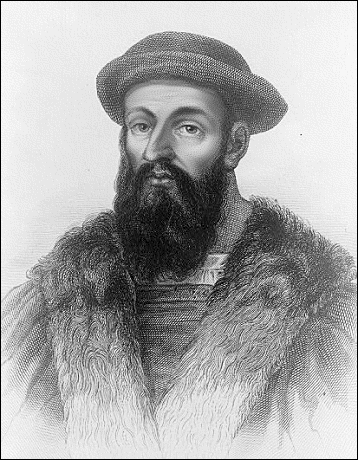
Four hundred and ninety three years ago today (ish) Ferdinand Magellan began his expedition to circumnavigate the globe in search of a western spice trade route between Europe and Asia.

Photo Credit: Public Domain Clip Art

I say “ish” because some sources, like The History Channel, name today as the anniversary but others, notably the Hakluyt Society which publishes “primary records of voyages, travels and other geographical material” offer a different story in The First Voyage Round the Worldfrom a Genoese pilot “who came in the said ship, who wrote all the voyage as it is here.”

According to this sailor’s first-hand account “HE [Magellan] sailed from Seville on the 10th day of August of the said year [1519], and remained at the bar until the 21st day of September, and as soon as he got outside, he steered to the southwest to make the island of Tenerife.”

A sailor walks out of a bar.

I can’t help but think how much writing is like heading into uncharted waters with nothing but a notion.  Sometimes I pursue the end with the diligence of a royal lackey and other times I allow the trade winds of exploration to blow me a bit off course.  When I teach writing, this fluidity between convention and discovery unsettles the students, especially as they try to find their own way, their own voice, to leave their distinct mark in a literary history book.

“Is it good?”
“Should I give up?”
“Do you see any talent in my work?”

I wish students relied less on my coronation and more on the process.

Do you love your journey?
Does your writing reflect your best effort?
Do you trust your boat?

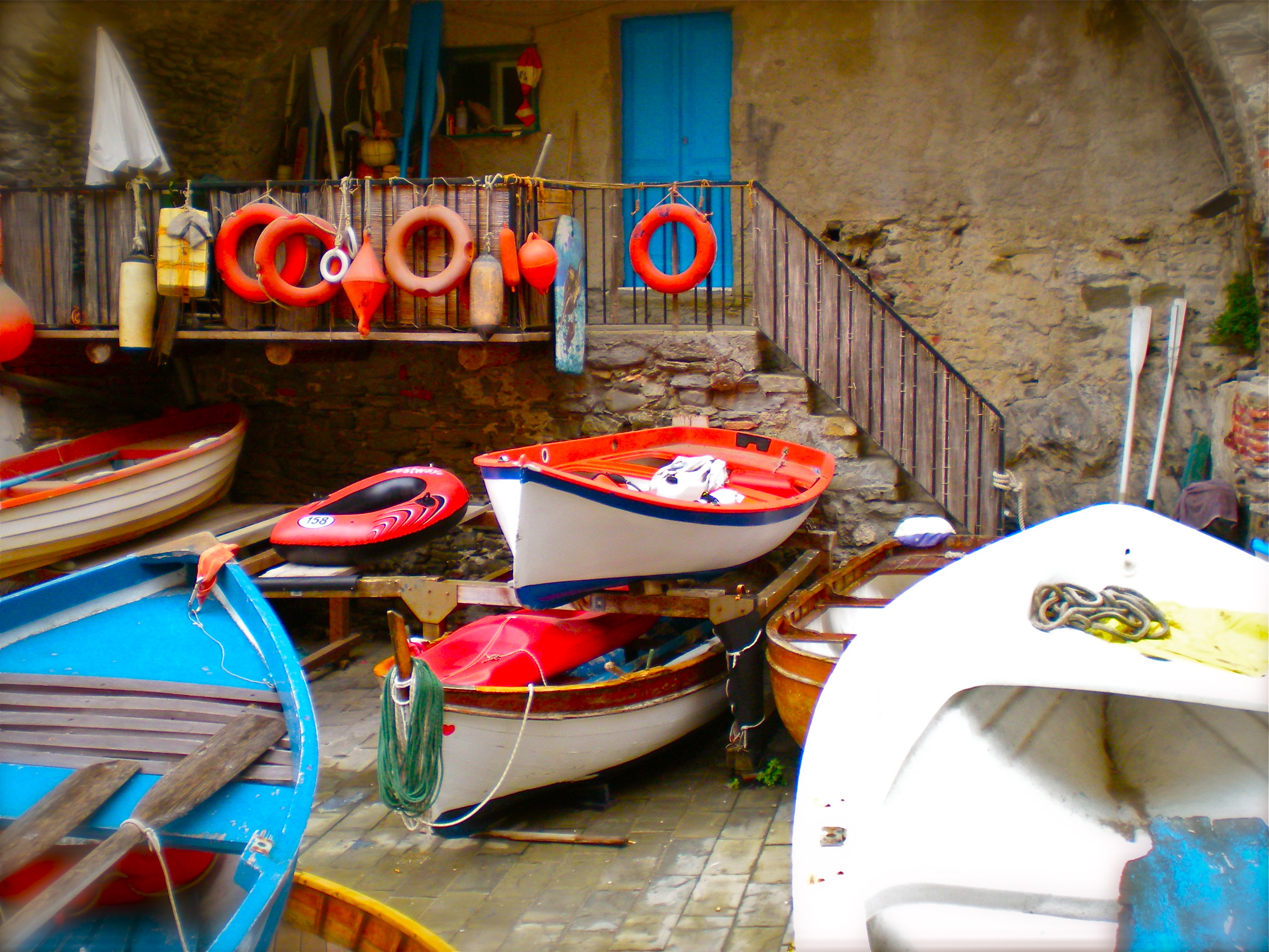
Cinque Terra, Italy. Photo Credit: Catherine Keefe

I wonder if Magellan would have stayed home if he knew he wouldn’t live long enough to receive a hero’s welcome back in Spain. Somehow I doubt it.  If you need fortitude for your literary journey here, to help realign your compass, are two reading recommendations.

If traditional short fiction is your thing, you can’t do any better than getting a subscription to One Story, $21 per year.  From the website:

One Story is a non-profit literary magazine that features one great short story mailed to subscribers every three weeks. Our mission is to save the short story by publishing in a friendly format that allows readers to experience each story as a stand-alone work of art and a simple form of entertainment. One Story is designed to fit into your purse or pocket, and into your life.

If you’re done with tradition and want to experience literature curated to jolt you out of linear, conventional thought, mosey over to Diagram, “a free electronic journal of text and art.  Sure, you can read the fiction and the book reviews there, but the real fun begins when you venture into the schematics link.

from Diagram

From the “Submission Guidelines” page:

WE VALUE the insides of things, vivisection, urgency, risk, elegance, flamboyance, work that moves us, language that does something new, or does something old–well. We like iteration and reiteration. Ruins and ghosts. Mechanical, moving parts, balloons, and frenzy. Buzz us

Here’s wishing you enough squalls to appreciate the peace, enough uncertainty to hone your own beliefs, and plenty of salt spray upon your cheeks.

With delight in discovery,
~Catherine

Friends of the Backyard Sisters

I was a new and nervous reporter, my first minute on the job at the Orange County Register, still trying to figure out office etiquette when working in a long row of cubicles so small and close together and with walls low enough that I could see the stubble on the back of the neck of the reporter in front of me.  Just as I silently sat down, that neck swiveled to reveal a smiling face.

“Hey. I’m Marty.  Welcome. It’s good to have you here.  If you have any questions or need anything, let me know. ”

Long after we left the Register, Marty and I remained writing friends and, huge caveat here, fans of each other’s work.  I invited my writer friend to stop by the backyard to tell you about his new nonfiction book, “The Wild Duck Chase.” It’s about the obscure Federal Duck Stamp Program and the strange and wonderful world of competitive duck painting.  Weird? You betcha. It’s a highly entertaining book that’s a perfect fit for our outdoorsy, michikusacentric focus here at the Backyard Sisters. Best of all, it invites a reader to tackle stereotypes.

Welcome, Marty. It’s good to have you here.

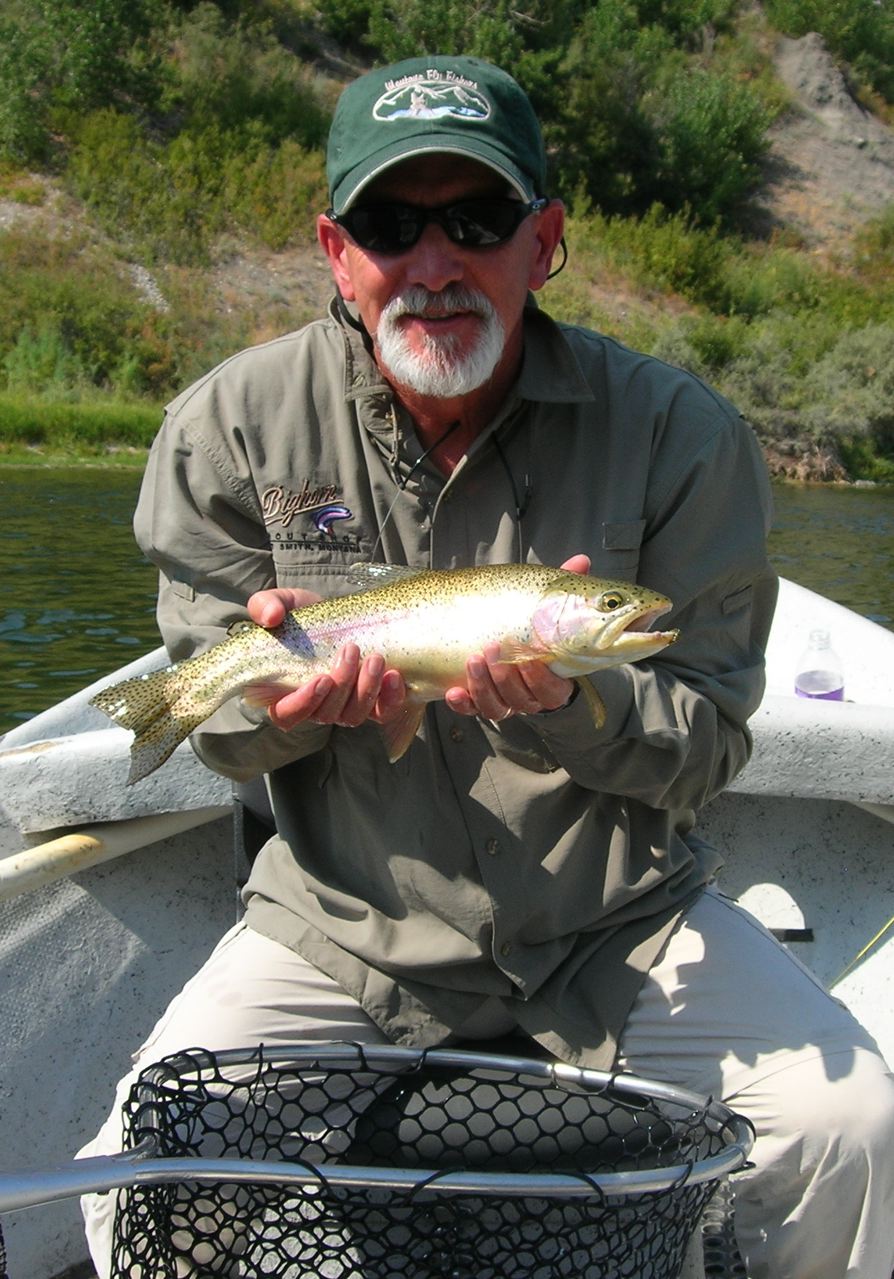
Photo Credit: Jason Wallis

Just back from a fly-fishing trip to the Bighorn River in Montana, and was struck again (as I was while writing “The Wild Duck Chase”) by the depth of knowledge that dedicated outdoorsmen and -women have about the natural world. Robert Bealle, the 2009 Federal Duck Stamp Artist, was able to tell the specific stretch of the Potomac River where the duck he’d shot had been feeding, because of the unusual type of freshwater clams he found in the duck’s craw. One of our fishing guides on the Bighorn put a tube down the throat of a brown trout I’d landed and suctioned out the contents of its stomach to see which type of flies and worms it had been feeding on that morning (so he could choose the proper fly for my next cast). Another guide noticed a nasty wound on another fish I’d landed and deduced that the little fella had a recent brush with a spike-beaked blue heron. Still another spent at least 10 minutes trying to revive a lethargic but still-living brown trout by washing water through its gills. Now, I’m not a hunter, and not much of a fisherman. But after two years of research on the book and my accumulated experiences among hunters and fishermen, I no longer have much patience with those who dismiss them as exploiters of wildlife. They are, for the most part, mindful custodians of a world the rest of us appreciate primarily in theory.

Montana’s Finest

Marty, (that’s Martin J. Smith to you) will discuss his new book and sign copies at the
Big Orange Book Book Festival in Orange, California at 1 p.m. Friday, Sept. 21. If you’re not interested in what many consider the single greatest conservation initiative in human history, or the quirky annual art contest at its center, or a cast of characters that includes a guy who keeps 15 dead birds in his Sears Kenmore freezer, then perhaps you’ll be tempted to attend by knowing that Marty will reveal the name of the artist who managed to paint an entire passage of incredibly filthy porn movie dialogue into his entry, which was then soberly displayed by oblivious federal officials who take this stuff VERY seriously.

Marty will also be reading at Barnes & Noble in Huntington Beach, 9/18 at 7 p.m.; Book Soup in West Hollywood, 9/19 at 7 p.m.; The Book Frog in Rolling Hills Estates, 9/22, time TBA.  If you happen to be in Ogden Utah on 9/28, Marty will speak and sign books in the Weber State library at 3 p.m. right after the first round of judging for this year’s Federal Duck Stamp Contest.

Still not sure?  Read a witty review of The Wild Duck Chase here.

In addition to telling you about a great book, and a kind writing friend, I leave you with one more lasting bit of Backyard Sisters wisdom.  Writers who are supportive of other writers (and editors) sure make the world a kinder gentler place.  Have you given a shout-out to a writer you admire today?

With high regard,
~Catherine

What do you call it?

“Do you know Pablo Neruda?”

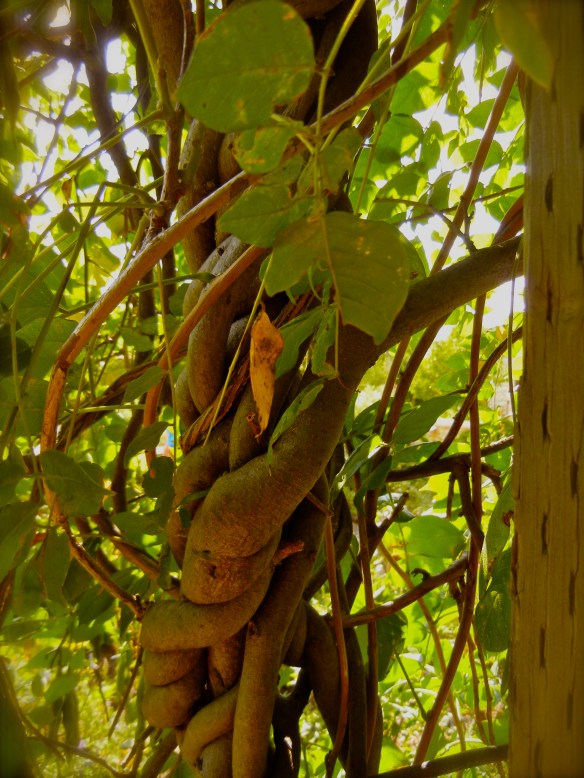
My friend asks this after dinner on a Thursday evening of no occasion except that she, her husband, J, and I  felt a hunger to dine al fresco in the middle of the week before summer withers.  We’re old vines, the four of our lives entwined by years of shared joys and sorrows.
Her question surprises me; she’s not a writer, nor a particularly avid poetry reader.

But it’s been the kind of day that has offered odd moments.

The first bit arrives this morning while I walk down a pocked country road, Chester padding quietly by my side. The sound of an engine climbs the hill behind us, initially at a roar, then it slows to almost idling.

I hear the sound veer to the side of the road we’re on which means it’s now facing  oncoming traffic, if there were any. The rumble paces us , accelerates, and a white truck appears.

“Here.”

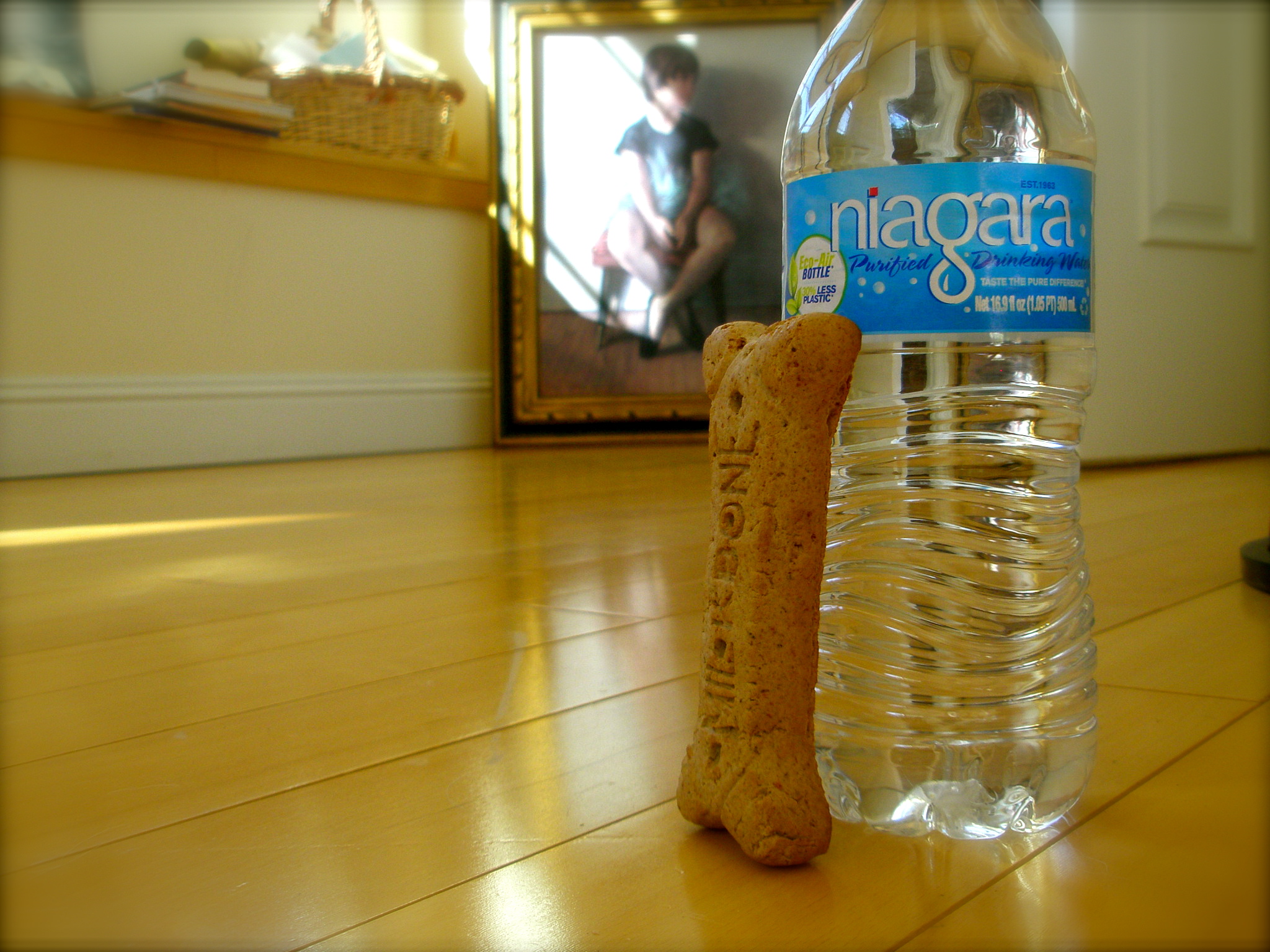
A middle aged man with a white cap pulled low presses a giant brown Milk-Bone dog biscuit into my hand. His truck is that close.

“Rod’s Pool and Spa Service.” I remember this in case I need to give a description.

The man thrusts his cell phone into my face.

“These are my dogs. I used to have big ones, but now I can only take care of the little kind.” A picture of several small brown dogs stares back at me.

“Your dog sure makes me smile. Thanks for that.”

I wonder at this biscuit, clumsily slip it into my pocket. I wonder at myself for running the mental bases:

Don’t talk to strangers
Don’t take things from strangers
Don’t eat things that strangers give you.

The man’s hand waves slowly out the driver’s window as Rod’s Pool and Spa Service wheezes off.

At home, the bone sits on my desk.  I can’t decide the bigger crime: throwing away a gift, or potentially poisoning my dog.  You see the cliff edges I walk.

That would have been enough for one day. But then it’s three in the afternoon and I’m walking alone with Chester down my own street. No other walkers are about on this bright afternoon.

I hear the sound of a diesel engine straining up the hill behind me.  I move out of the way.   The driver of a large water delivery truck pulls his vehicle into the wrong lane; he idles next me.

“Here.”

This young man with a deep tan hands me a bottle of water.

“That’s a great dog.  I used to raise Labs. I had a red one and a black one and they’re great dogs. He, yeah, that’s a he, yeah, he might get thirsty. Give him this water from me. Hi puppy. You’re a good fella. You made my day!”

The water deliveryman idles and oggles Chester until a white Honda pulls up behind and honks because the road is narrow and the truck straddles both lanes.  With a belching boom of a horn and a jaunty wave, the water delivery truck rolls on down the hill.

I set both items on the floor so I can photograph the evidence. Trust comes so hard for me.

I almost wait for a third encounter.  This has never ever happened before.  I wonder if it’s a creepy kind of day.  I’m a writer after all, and I know about things like foreshadowing and the literary Rule of Three that makes stories like “The Three Bears” a model for how to pace your plot or test your characters in a structure readers intuitively expect. Things happen in threes.

But I don’t want to be late for the dinner where I’m now retelling the story I’ve dubbed Strang(er) Thursday.

“Do you know Pablo Neruda?”

My friend asks this when I finish with the water man story and laugh all this off like it’s every day that a cast of weird strangers arrives to set me on guard.

“Yes,” I say. “I’m a huge Neruda fan. Twenty Love Poems and a Song of Despair. And then of course The Sea and The Bells and The Book of Questions. Why?”

My friend slides a piece of paper across the table.  “I found this in a magazine and it reminded me of you.”

“Take bread away from me, if you wish,
take air away, but
do not take from me your laughter.”

It’s an excerpt from “Your Laughter.” This friend has had a very difficult summer, the kind that is impossible to fix so the only thing to do is eat under the stars sometimes and tell funny stories.

“I love your laugh,” she says.

“What?”

I look up; think I haven’t heard her correctly. Clanking dishes, mostly spoons clatter against saucers and forks scrape hot fudge off plates at this hour when the candles are almost burned to the end.

“You have a great laugh. It makes me so happy. I treasure you.”

Oh, I think, and I burst out laughing, even though I’m now quite self-conscious about it,  but I  can’t help it because the Rule of Three is real in the universe, and therefore by extension literature, and this is Three Gift Thursday.  Nothing strange about it after all.

We return home and I feed Chester the biscuit. We sleep as if the universe rocks our cradle gently, gently.

With treasures and laughter,
~C
What are you doing in my dream?

Dear One,
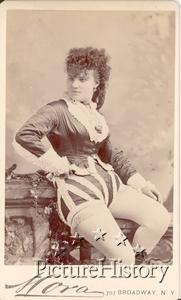
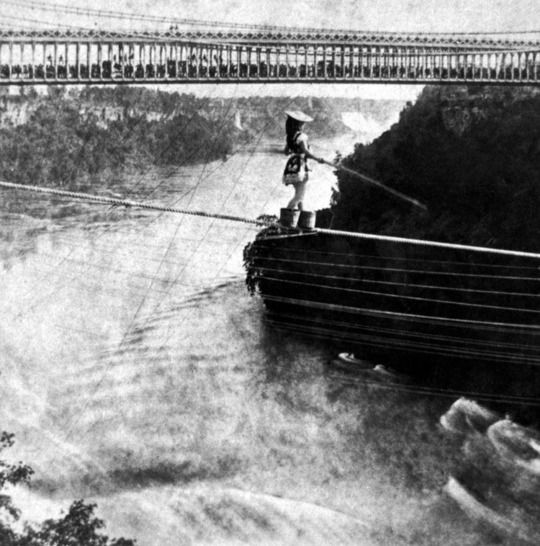
Sometimes, when the writing is precarious, I feel like Maria Spelterini, the only woman to traverse Niagara Falls on a tightrope.

Even though I sit in at my pine desk in a black pleather chair from Staples, I may as well be alone on a high wire, miles above the earth, walking a strand thin as gossamer strung between invisible moons.  From this dizzying height, the din dims. Wind whistles through silver hoops at my ears.

I. Am. Trying. So. Hard. To. Put. Into. Words. This. Thing. This. Thing!

For far too many months I’ve been polishing a poetry manuscript.  It’s good – the process and the work.  But from the great height in the clouds it’s easy to feel lost.

This week I stood firmly on solid ground in front of four university classes filled with new students, faces all turned expectantly toward me.  Some even had pens poised above empty notebooks ready to capture writing secrets.

“Why are you here?” I asked.

I want to be a good writer.
I want to be a better writer.
I’m a terrible writer; I think there’s no hope for me.

I tell them there’s no such thing as a good writer, a better writer, a bad or even a worst writer.  Rather there are people who effectively transmit their ideas and dreams and made-up universes, or even their all-too-real stories, with the kind of language that stops others long enough to read what they have to say.  Some are more effective at this language game than others and no matter the style or voice, writers who ultimately stand apart are the ones who find the truth and write it pure, pure enough that a reader discovers a breath more about this thing called humanity.

As Dinty Moore notes in his new little gem, The Mindful Writer: Noble Truths of the Writing Life:

 What we have is ourselves, and that is all we can really write about.”

Moore’s book is fill with all kinds of sage wisdom, dished out thoughtfully in 1-2 page bit, organized around a writer’s quote.  The segment about being ourselves is under a quote by Barbara Kingsolver:

Don’t try to figure out what other people want to hear from you; figure out what you have to say. It’s the one and only thing you have to offer.

After Maria Spelterini completed her first crossing in July, 1876, within a matter of weeks she repeated the feat with peach baskets strapped to her feet, then once again blindfolded, and yet again with her hands and feet bound in iron cuffs.

Sometimes I think I make the writing process more difficult than it needs to be, especially when I begin to circle too closely toward self-doubt, or some other truth I’d rather ignore.  I’m tempted to throw up peach baskets, a blindfold, shackles, or in the case of my poetry book, obscure references to ancient Greek myths and long forgotten gods.

It isn’t just writers who do this. We all at some time face a startling self-discovery with distractions.  We try to affirm that we’re still good enough, daring enough, special enough.  I suppose it’s easy to receive acclaim if you’ve got a high wire and an audience.  There’s far less fanfare for walking the wire of one true self.

One night, I dream I’m Maria Spelterini.  I pause midway in my crossing, the thunder of Niagara Falls all around. I leap, a scissor kick. For one brief second I hang in flight.

Oh—              the view!

With balance and daring,
~Catherine

p.s. Dinty Moore will be a presenter at League of Utah Writers Roundup, September 14-15, 2012.  Click here for more information.

Dancing as fast as I can

My life has been the poem I would have writ
But I could not both live and utter it.

Henry David Thoreau said perfectly what I would have said if it hadn’t been the kind of week it’s been.

Apparently “they” were right when “they” told me, “If you switch to full time teaching, your writing time will suffer.”

A bow to you, almighty “they.”

A vow to me to dance faster, faster.

In praise of brevity and wisdom,
~Catherine

Is it short in here, or is it just me?

I’m standing in the cereal aisle of my corner Albertsons when I notice a little woman stretching on her toes, clenched white teeth tensed between lips puckered in a scowl.  She asks me to grab a box of Grape Nuts just out of reach.

“Why do they put all the good cereal up so high? I’ll tell you why,” she says without waiting for my guess. “It’s a conspiracy against short people!”

She tells me this as if I plotted the whole thing to shame her into a grocery aisle conversation.  She shakes her head and those tight little lips melt down into a frown.

“Or,” I say, leaning in close, like a collaborator.  “It’s to get strangers to speak to one another.”

I hand her the box, raise my left eyebrow and give her a beaming smile.  Then I sashay away on my long, long legs and hurry home to tell you all about it.  And in the telling, I begin to laugh and laugh.  What a gift these things are that create conversation among strangers!  How, how, how very large!

I am large, or huge, monstrous or leggy. Elevated.  Tall. Whatever adjective you choose, the fact is I’m six feet tall; the average American woman stands around five feet four.  People count on a tall woman to be strong, fearless, accustomed to the staring and the Amazonian expectations based on nothing more than a 36 inch inseam.  Truth is, I’m afraid of rattlesnakes, big surf, and even though I’m not hungry, I’ll eat a giant stack of graham crackers smeared with homemade vanilla frosting before I face an empty page and wonder what the heck to tell you about on a Thursday because I fear sounding stupid, provincial, or, forgive me, small.

Is this just a lesson in how contrasts create tension to drive a narrative forward? Maybe.  Is it true?  Definitely.  Is it metaphor?

I’m in the middle of preparing my syllabi for the new semester and I read an interview in which author Nicole Walker wonders if by creating metaphor we might be mowing over small precious things. “Is the problem with comparing the large to the small that the world becomes reduced?” You can read the interview here if you like.

I think metaphor unites us in more of a knitted together sort of way rather than a shark gobbling a guppy process. Sometimes a writer, or any other human being, needs to cast a shadow when the real thing is either unavailable or inaccessible.

But we need to realize that one person’s reality or perception isn’t automatically universal, nor accurate, as I’ve learned from a lifetime of tall comments.

I’ve only met you sitting down, I had no idea you were so tall.
A colleague said this to me when our paths crossed at a restaurant.  Usually she’s sitting behind her desk when we converse.

You’re so big, you must be really, really old.
I laughed when the cutest little preschooler in a pink ruffle dress said this to me because it made so much sense and also because of the mortified look on her mother’s face.

You don’t look that tall.
I get this response a lot when strangers ask how tall I am and I tell them the truth. I wonder: What does “that tall” look like to you?  Must we constrain ourselves to an audience’s expectations?

It’s a great time to be tall.
Well I guess so.  But it’s been a pretty great time to be tall ever since the seventh grade when I wrote in my diary, “Dear God. Please let me shrink. Not too much, just a little every day. And please let my clothes and shoes shrink too.”

I don’t want to shrink anymore. One of my favorite ways to expand my mind is to read literature in translation.  If you’d like to grow too, check out “Words Without Borders”, the Online Magazine for International Literature.  It’s a conspiracy against small minds and way less fattening than graham crackers with frosting.

Here’s wishing you a million chances to grow today.
~Catherine

Road Trip!

“Summer road trip” are three words that belong together like bacon, lettuce, and tomato.  While some roads are just a long haul between here and there, others are so drenched in history and literary ghosts that a ride along them is more pilgrimage than crossing.

Route 66, known as “The Mother Road,” or “America’s Highway,” is my voyage quest thanks to a family history that involves my father migrating along the route from New York in 1944 in a 1939 Chevrolet, and of course there’s John Steinbeck’s exhilarating description of the perils of the route in The Grapes of Wrath.

66 is the mother road, the road of flight…

And 66 goes on over the terrible desert, where the distance shimmers and the black center mountains hang unbearable in the distance…

It’s the main cross-country highway that begins in Chicago and led migrants from Oklahoma to California, but it travels in two directions and I first met it heading east from  Los Angeles to Arizona in a lumbering brown Pontiac Bonneville station wagon loaded to sagging with four girls, two adults, Oreos, liverwurst, grapes, bubble gum, and a Sing Along handbook.

We arose before dawn as the prospect of overheating, laden as we were, was real.  Our tires devoured miles of hot highway below while fat bugs splattered onto the windshield.  As the stars dimmed and I witnessed my first sunrise creeping into the sky turning strawberry, I saw Mojave yucas and Joshua trees – silent, dark sentinels guarding the vast emptiness with what looked like arms upturned in salute.

We were not alone on the road.  Other children in other cars hung their heads out windows too and we waved to each other.  You didn’t dare run your air conditioner crossing the desert in 1968; you might overheat so it was four, fifty-five.  Four windows down, fifty five miles per hour.

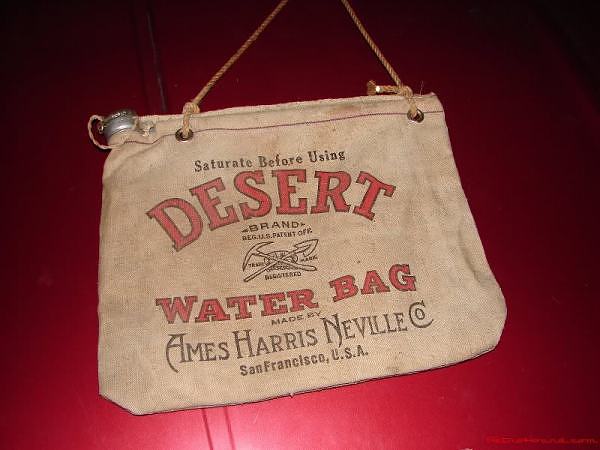
Some cars had brown flax Desert Water Bags draped over the hood ornament. Air blowing across the fabric cooled the water. Just in case the radiator blew.

The sight of cars prepared for human or auto lifesaving measures heightened my sense of the danger of crossing the desert. Desert Water Bags are a thing of the past, sold on e-bay to vintage item collectors.  Now there are cell phones and call boxes, rest stops with drinking fountains and orange-vested Caltrans workers.  The swath through the desert is more quickly traveled along Highways 15 or 40 now.  The ghosts of Dust Bowl migrants lingers only in novels and photographs.

“Summer reading” are two words that belong together like “me and you” and in Chapter 12 of The Grapes of Wrath you’ll find the best description of the precariousness of traveling the old Route 66.

In the day ancient leaky radiators sent up columns of steam, loose connecting rods hammered and pounded. And the men driving the trucks and the overloaded cars listened apprehensively. How far between towns? It is a terror between towns…

Listen to the motor. Listen to the wheels. Listen with your ears and with your hands on the steering wheel; listen with the palm of your hand on the gear-shift lever; listen with your feet on the floor boards. Listen to the pounding old jalopy with all your senses, for a change of tone.

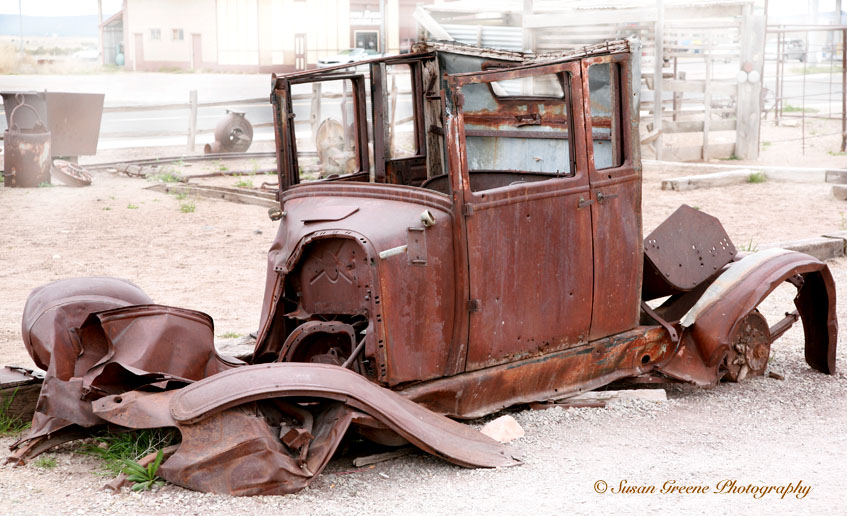
These days you have to travel into Arizona which boasts the longest continuous stretch of Route 66 still paved and usable, reaching about 155 miles between Topock and Seligman, to see evidence of the road’s old treachery.

Outside the Roadkill Cafe, Seligman, AZ.

Reading Steinbeck as a passenger during my last Mojave Desert crossing made me wish for a new kind of Desert water Bag, one to capture the spirit and thoughts of those who had gone before. I felt like I was meeting the ghosts in the open land and I wanted to drink in their spirit, ripe with bravery.  If somehow The Grapes of Wrath skipped your own reading history, it’s one of the books selected by the National Endowment of the Arts “The Big Read” program which aims to inspire “people across the country to pick up a good book…listen to radio programs, watch video profiles, and read brief essays about classic authors.”

Summer Road Trip. Summer Reading. Me. You.
Where will our journeys take us this summer?

With high adventure,
~Catherine

Cherries and haiku

Did you ever get a second chance?

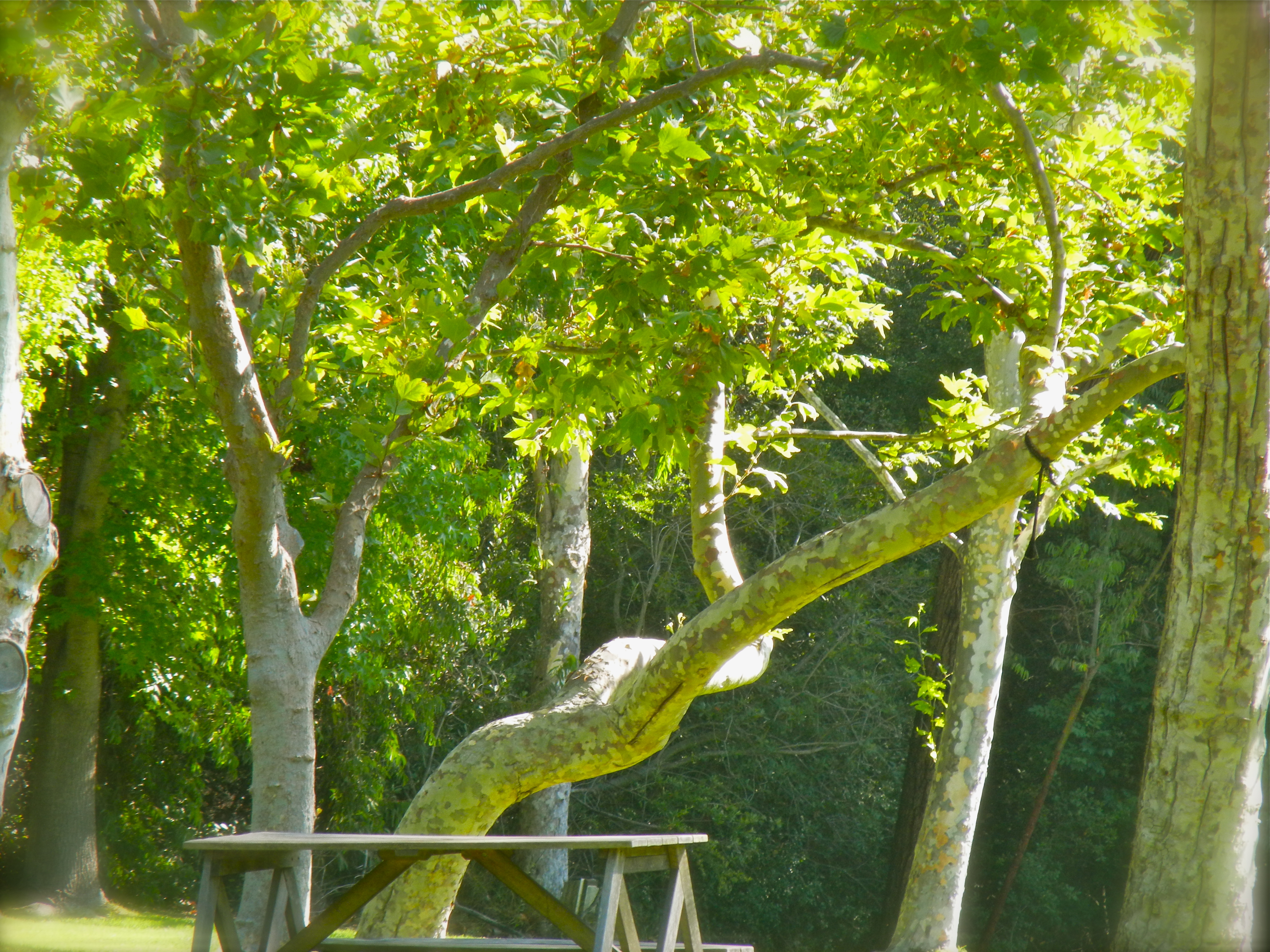
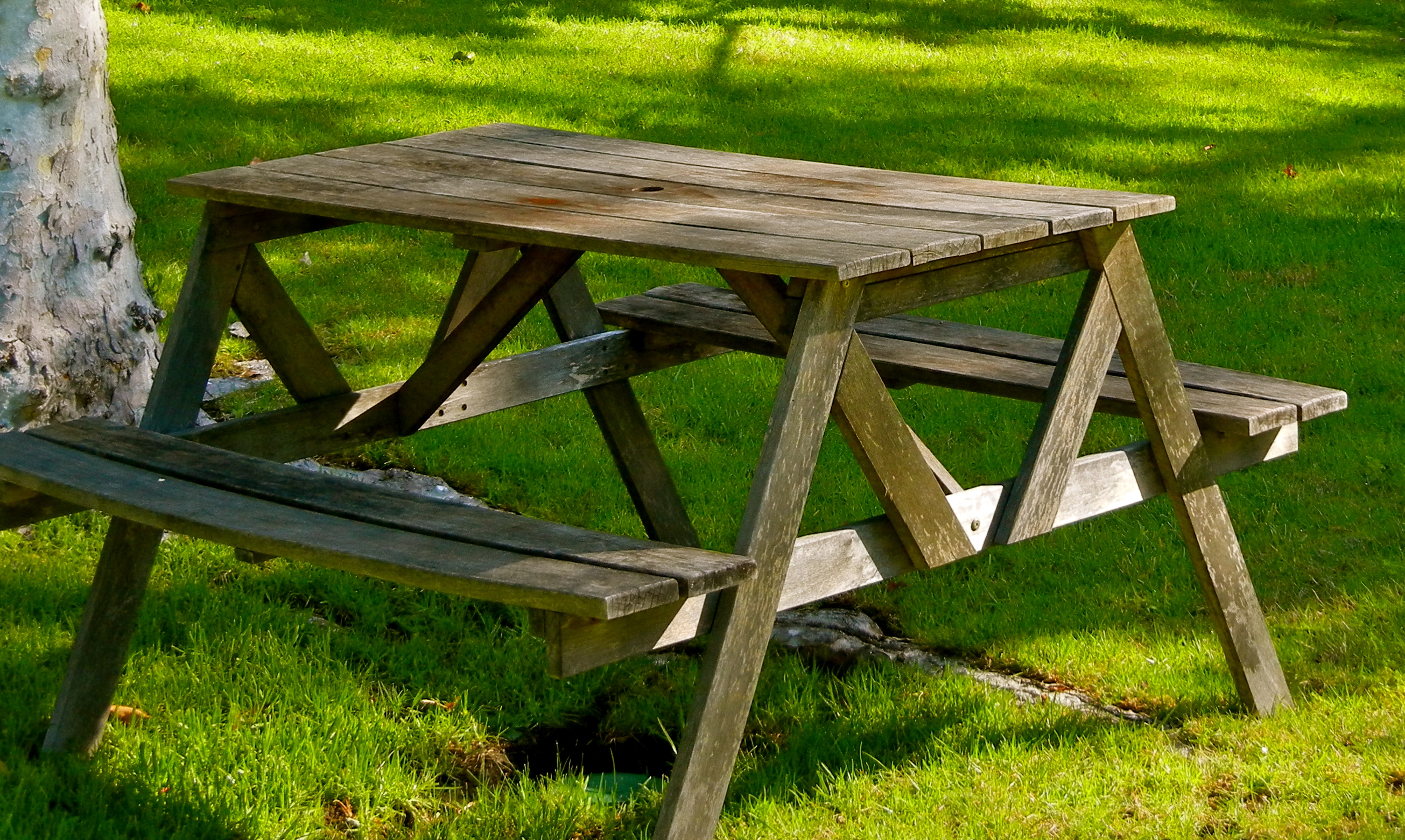
I still regret not stopping at the empty picnic table that appeared one winter day, out of the blue, along the path where I walk.  Rather than stopping to appreciate its rustic beauty, I planned all through the winter and spring to celebrate the summer solstice upon its refuge in the shade of an ancient oak.  But when I arrived in June, it had been destroyed.

Past tense and future crumble the present I was given and never received, I wrote about my disappointment.

And then today, straight out of the blue, like a mirage, I discovered another picnic table under a different nearby tree!

Does someone build these in the night and place them in perfect spots for strangers to find?  You can tell it’s not brand new by the lovely mottling and sag of the wood.


Where do these tables come from?

When given a second chance, it’s best not to stop too long to ponder the mysteries of how or why, so I reached into my heart’s pantry for joyous gratitude with a generous helping of urgency.  I coaxed Chester the white dog into a trot home where I gathered a bag of cherries, a pen, a journal, a book and an idea.

We returned and settled into the shady spot.

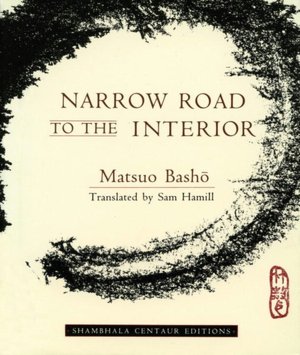
Lately I’ve been reading  Narrow Road to the Interior and Other Writings by Matsuo Bashō. There are many translations, but my favorite is by Sam Hamill.  The book begins with the line, “The moon and sun are eternal travelers…every day is a journey and the journey itself is home.”  That last phrase took me several readings to comprehend.

The journey itself… without continuing to walk this path I wouldn’t have stumbled upon the new table and without the disappointment of ignoring the first gift, I wouldn’t have paused to celebrate the second.   I love the philosophical soundness and evocative imagery of Basho’s haiku and one of my favorite poems of his came to mind.

Even woodpeckers

leave it alone—hermitage

in a summer grove

This could just as easily read “picnic table” as “hermitage.” Why do travelers on my path leave the picnic tables alone?  I love that Basho frequently posted poems for others to find.  I couldn’t resist this desire to leave a poem as he did “quickly written, pinned to the table.”

summer afternoon

empty wooden bench
sycamore extends her branch
kick off my shoes. home.

Did you use your gifts to celebrate a new opportunity today?

With gratitude and deep delight for your own second chances.
~Catherine

p.s. Visit the Poetry Foundation’s website here to read or listen to how other poets embrace the form. If you’re in the mood to write and enter a haiku contest, check out The Haiku Society of America’s “Harold G. Henderson Awards for Best Unpublished Haiku” here.  Deadline is Aug. 31, 201