Does this voice make my thoughts look big?

By Catherine Keefe
I’m waiting for the call that I’ve been accepted as a voice surrogate to create a custom synthetic vocalization for a female “target talker,” one of the 2.5 million Americans with a speech impediment so severe she must rely upon a computer voice.
041

Right now, if you want a mechanical voice, there are about 60 to choose from, the most popular being “Perfect Paul.”  You’ve heard “Perfect Paul” if you’ve listened to Stephen Hawking speak. You don’t have to be a math wizard to quickly figure that a choice of 60 voices for 2.5 million speakers constructs an incredible long shot that a person will sound distinct, which is one basic human characteristic. Each being’s voice creates an utterance so individual that voiceprints are as singularly identifiable as fingerprints.

Life takes odd twists and turns when you wonder what to write about on a Thursday and a Google search for “human voice as unique as a fingerprint” turns up a TED talk by a speech scientist named Rupal Patel who’s developed the VocaliD project to “create unique voices for the voiceless.”

I register as a donor.

If I’m needed, my voice will be recorded for about 3-4 hours, then a computer will chop it into vowel and consonant bits that can be blended with the range of sounds the target talker is able to make.  Most likely it will be for a woman roughly my age as voices develop different pitch and tonal characteristics as we age.  The “target talker” will create the prosody with utterances like “ahhhhhhhh.”  I’ll provide the sound for word pieces.  Together we’ll create a voice, that for the first time will sound like her.

Giving voice to the voiceless.

I’m thinking of this because “voice” is the Backyard Sisters theme this month and also because my students are drafting their first formal projects and the distinct sound of their writing when I first met their voices in informal exercises has taken on a more constricted, stilted tone.

“I’m worried about my grade,” the young man in the front row tells me when I present this observation to the class and wonder aloud what has caused them to change.

Another student ventures, “We don’t know how you want us to sound. ”

Like yourselves?

I introduce a game developed by one of my philosophy and rhetoric heroes, Desiderius Erasmus of Rotterdam.  As an example of the impact that language can have, Erasmus famously wrote 150 variations on the sentence, “Your letter delighted me greatly.”

Your pages suffused me with unspeakable joy.

Your lines were as sweet to me as the sweetest of all things.

May I die if anything more delightful than your letter has ever happened.

Your letter to me was pure honey.
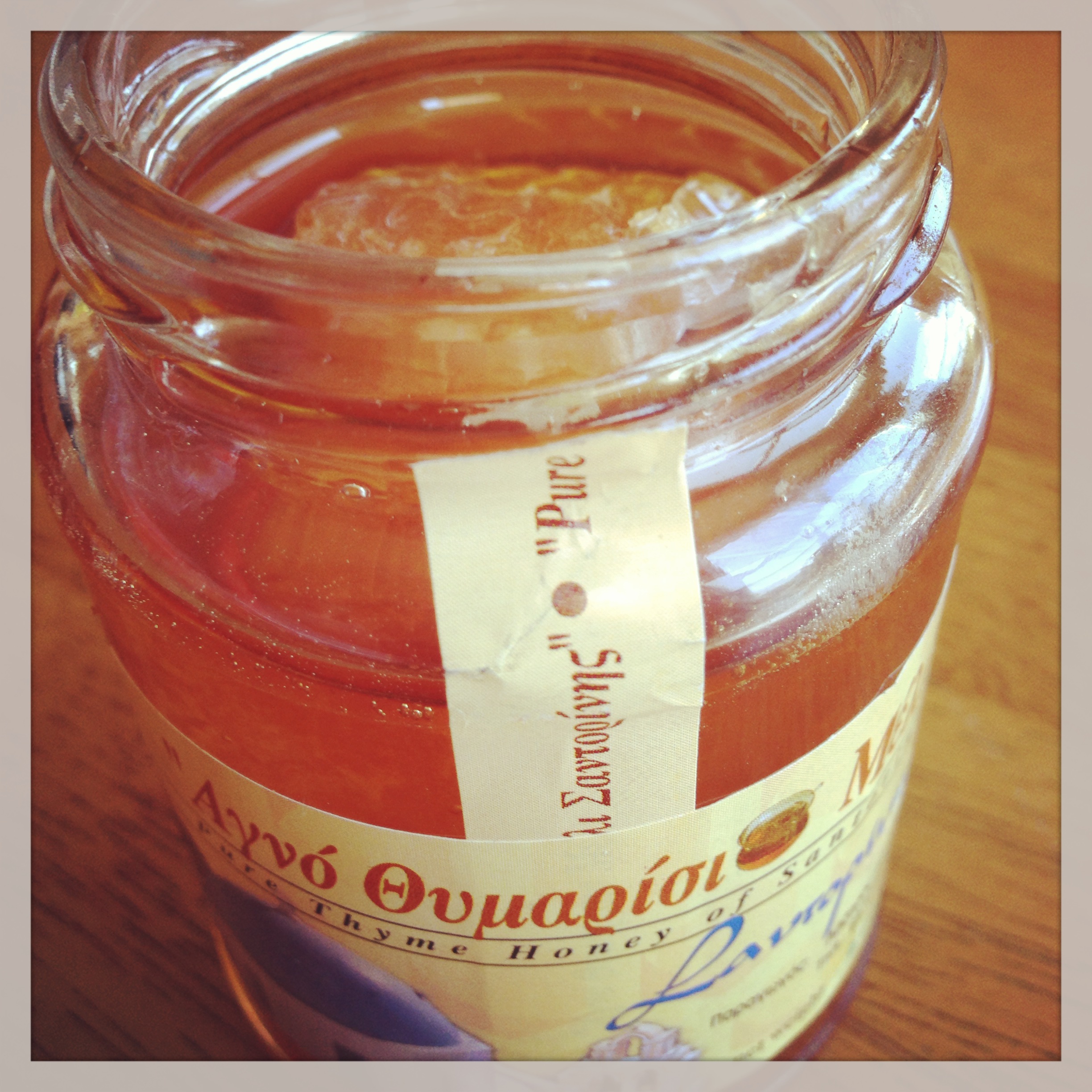
honey

My students and I laugh, then I challenge them to write, in one sentence, the primary idea they are trying to express.  It seems extreme to suggest they rephrase 150 times, so I suggest they come up with 10 ways to say the same thing.

While they infuse their ideas with new language, I perform a twist on that exercise, using quotes I find on voice which utter similar ideas.

“A powerful and fundamental aspect of who we are: our voice.” – Rupal Patel (TED talk).

 …a voice is like a fingerprint, possessing a constant and unique signature.” – Seamus Heaney (from a 1974 lecture).

“Oh how wonderful is the human voice! It is indeed the organ of the soul!” Flemming, the protagonist in Henry Wadsworth Longfellow’s novel, Hyperion: A Romance.

Now I’ve slightly misled you with that last quote as I didn’t easily find it, although a variation of it appears in Patel’s TED talk, is easily found on Brainy Quote and Goodreads and ThinkExist in a cleaned up, simplified, edited version of the above, stripped of its two exclamation marks, devoid of its sounding like a man falling in love which is exactly what’s happening to Flemming in Hyperion: A Romance, a thinly disguised Longfellow at the time.

Time has been kind and replaced Longfellow’s romantic exuberance with a more mature sound.

“The human voice is the organ of the soul.” – Longfellow

In that revision I hear a restrained baritone utterance with a genteel New England accent.  It took quite a bit of sleuthing to find the original from Hyperion: A Romance.  

It can be difficult to find your voice, I tell my students. But if you don’t, someone will speak for you, or paraphrase you, or give you “Perfect Paul” when you’re really Perfect Cath.

They nod and we begin anew the effort to sound like no one but our selves.

With fingers crossed I’ll be a surrogate,
~Catherine

You can watch Rupal Patel explain her VocaliD project in this video:
 

“All I have is a voice…”

By Catherine Keefe
Up until 1963, when home movies were silent and telephone answering phones didn’t exist, the only way to know your own voice was to hear the sound you made in your head. And then one day right before Christmas my father brought home a small silver box encased in black leather. It’s a tape recorder! He invited me to sing into a microphone.

I have a little dreidel, I made it out of clay…

I sang with my whole heart and soul.  The family sat around the living room waiting to hear how well the new gadget worked. Rewind. Play. Rustle, rustle. Oh dreidel, dreidel, dreidel… I was certain the new toy was broken because the sound was wincingly loud and distorted and much too big for the living room.  All the laughing it caused made the paneled walls vibrate. What was that?

“Stop!” I stood up and shouted. “Stop it now!” In my head I sounded like a choir girl. In reality I made a reverberation like a cross between a goat bleat and toad croaking with swollen adenoids under a mossy river in spring thaw.

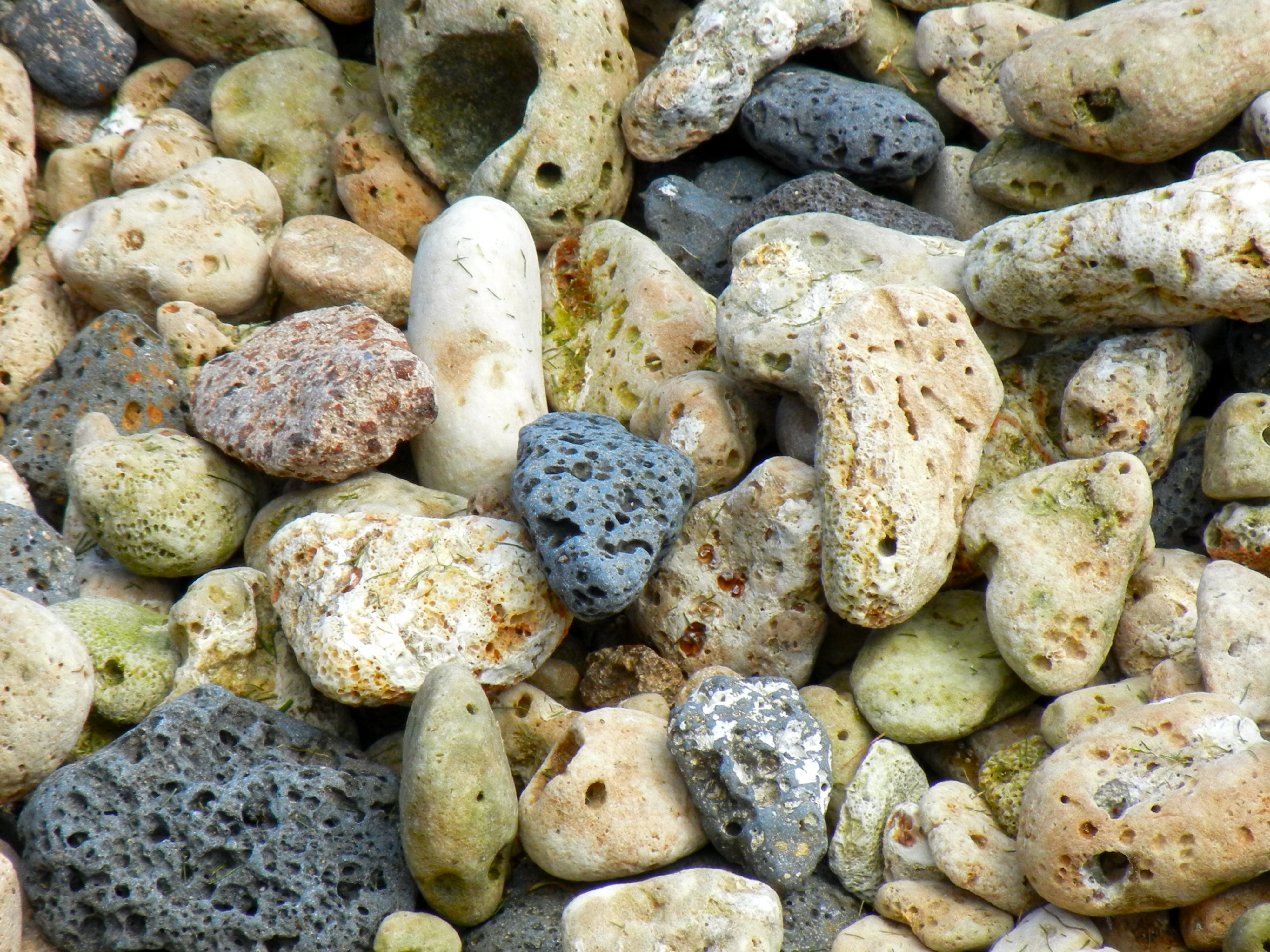
rocks

Demosthenes spoke with pebbles in his mouth. I tried that once.

The first time I saw my poetry in print, I hated it too.

i am…

i think.

i’m not really sure.

are you?

It was ten years after the tape recorder incident and my small poem, “i am” was published in the high school literary journal, not a small feat for an underclassman.  I’ve spared you the last stanza.  I’d submitted five poems to the journal and was surprised the editors picked this example of Descartes redux, even though at the time I’d not yet heard of cogito ergo sum.  I thought the poem was too simple then, and when I finally met Descartes’ work in college, I wondered how he got so famous arguing for what I’d already intuited. i am. i think. I dropped the ellipses and began calling my poetry philosophical.

Today I was invited to read my poetry aloud at the upcoming Association of Writers and Writing Programs conference in Seattle at the end of February. I’m thrilled and terrified, though I probably shouldn’t admit to either. The event is a gathering of more than 12,000 writers, editors and book lovers and though I’ve read my writing aloud before audiences of one, of dozens, and hundreds, I’m still unused to my voice in public. I relate completely when poet Sarah Kay says in her TED talk, “My self-confidence can be measured out in teaspoons.”

But there’s something worse than hearing my voice and seeing my words in print. Silence.

“All I have is a voice / to undo the folded lie” wrote W.H. Auden in his poem “September 1, 1939.” It was one poet’s response to the outbreak of World War II.

What’s the distance between silence and sound? There are 30 decibels between pure silence and a library whisper. Decibels are sound units based on what the human ear can hear. The sound of typical conversation reaches 60 decibels.

I imagine that each decibel is one step in an average 10-step staircase. I know I can climb three stories. I whisper. I know I can climb six stories and speak aloud even if it leaves me breathless.

My students, this first week of the new semester, wanted to talk about voice too.  After they asked a variety of questions about assignment word count and final exams and if it was fine to miss class for the Coachella Music Festival, it was my turn to ask a question.

“What do you want from me?”
Silence. That kind where you hear sniffles and shoe scuffs and the lawnmower outside three blocks away.

Then somewhere between a library whisper and full conversation volume, one girl spoke out.  “Can you help me find my voice?”  

Like frogs slowing waking up to sing in the night rain, voices rising upon flights of stairs, a chorus began murmuring, “Yes, that’s what I want too. I want to sound like me.”

“Me too,” I say. “We’re all in this together.”

~Catherine

from “September 1, 1939” by W.H. Auden

All I have is a voice
To undo the folded lie
The romantic lie in the brain
Of the sensual man-in-the-street
And the lie of Authority
Whose buildings grope the sky:
There is no such thing as the State
And no one exists alone;
Hunger allows no choice
To the citizen or the police;
We must love one another or die. –

You can read Auden’s complete poem here: “September 1, 1939.”

Begin again

By Catherine Keefe
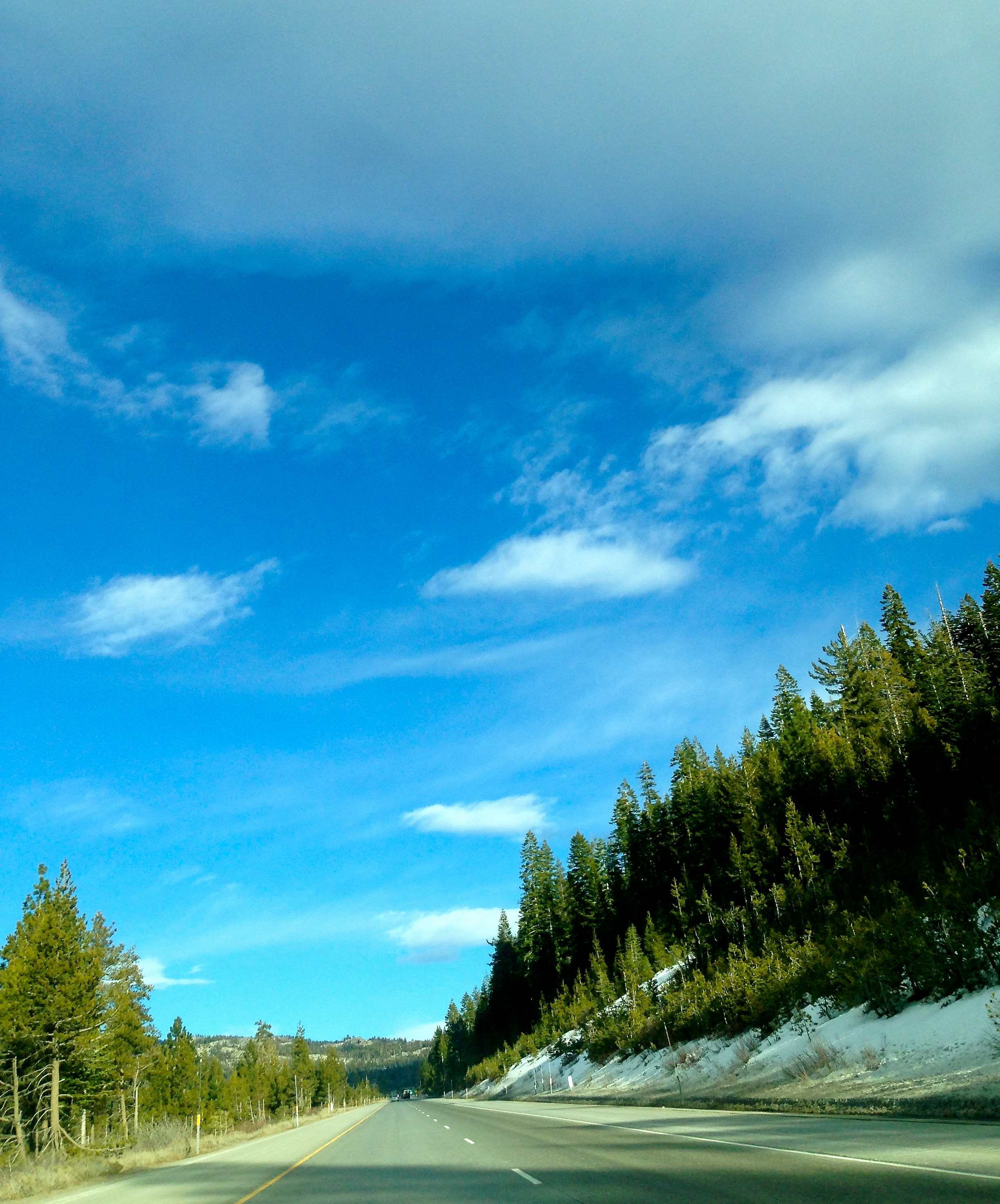
When Weather Underground Lake Tahoe, and the cabin rental agency, and the Squaw Valley ski report, and the friends who live here, and the drought watchers say, “there’s no snow,” I believe them all with the conviction of a woman who packs boots with slippery soles and thin socks for an alpine January vacation with plans of biking and hiking instead of skiing.

I expect no browning snow patches covering the bike path, no puddles melting into ice on the driveway, no leftover frozen white piles hiding the hiking trail.  I imagine dirt and dust and brown pine needle paths still edging the bluest lake in America but no, I definitely don’t imagine snow.

Let me tell you something. There’s no snow like you think there’s no love sometimes, like you want the thrill of skiing the big bowls but the coverage is so light you stay off the mountain so you don’t scratch your new skis and tell everyone there’s no snow, it’s no good. But it is there.

Look – Just now as you come around a corner and catch a glimpse of peaks and those endless pines that aren’t too proud to reach all day, there it is. Snow! Just like love.

photo-69

It might not be new and it surely isn’t making the news, but there’s pure white evidence that you simply forgot how it fell, silent one night at Christmas time which, truth be told wasn’t even a month ago.

There really is snow because it really is winter and even if it’s not showy and causing road closures or lost hikers or skidding trucks or epic skiing conditions it’s there, a little off the beaten path, a drift in the shadows. It shines under the moon and sparkles in the sun.

There’s less than usual, but when hasn’t that been true about something like your perception of the presence of hope or goodness?  So here I am, entirely unprepared clothes wise and shoe wise and activity planning but I couldn’t care less. Why?  Because it’s winter and there’s snow in the mountains and no one acknowledges it is there. Do you see it?

photo-68

Once again, I’m delighted, as a child who first discovers snow and now I’m even more apt to believe what Mark Twain wrote in Roughing It:

Three months of camp life on Lake Tahoe would restore an Egyptian mummy to his pristine vigor, and give him an appetite like an alligator. I do not mean the oldest and driest mummies, of course, but the fresher ones. The air up there in the clouds is very pure and fine, bracing and delicious. And why shouldn’t it be?—it is the same the angels breathe.

In this month of beginnings, under the influence of angels, I once again am allowed the opportunity to let go, especially of expectations.  How blissful to discover I have everything I need after all:
a fireplace.
a match
a husband of 33 years
a contemporary book of poetry written by a woman who lives here
a notebook
a pen

With cold feet,
Catherine

p.s. One of my travel pleasures is picking up a book written by a local author.  If you ever travel to Lake Tahoe, I highly recommend regional poet Judy Tretheway’s book Rubicon Ramblings.

Here’s one of my favorites:

What is Enough?

Tell me how it happens,
magnificent one,
who stretches
into the golden light above the creek. Tell me how you can stand
so full
when under you flows
a rush of water and foam,
rock and debris. The very water that feeds you
washes away
the earth from your roots.
You grab onto the big boulders
while the soil
full of your food travels on. Every other tree I can see
greets the earth with a full embrace.
Your tether is tenuous,
yet it must be enough.What is enough
in this swiftly flowing world?How much security beneath our feet
do we really need
while we reach for our place
in the sun?


That awkward phase

photo-67By Catherine Keefe
Oh, the late 1980s. Neon ruled; hair was big, and bib ski overalls were still in fashion.

While it’s easy to observe fashion’s fluctuations it’s a little more difficult to discern how the adult phases of life slowly meander bearing unexpected gifts and challenges.  One thing that surprises me at this mother-of-young-adult-children phase is how difficult it is to make new friends.

I do have a deep connection to many wonderful women. But I’m often reminded how impermanent relationships are. This friend followed her husband’s job to Davenport, Iowa. That friend is eyeing a move to Phoenix when she retires to be closer to her grandchildren.  And so I begin a plunge into the inevitable awkward phase of trying to build new friendships. As if the universe listens to me, the following e-mail arrived from a woman I barely know.

Hi Gals,
I’m starting something new this year. It’s a salon (ala Dorothy Parker’s soirees at the Algonquin Hotel in New York), and I’m calling it “The Interestings.”

Did the woman who sent this, a former Broadway actress, current screenwriter and almost novelist, know she had me with the Dorothy Parker reference? It’s forever been my dream to start or belong to a salon like the Algonquin Round Table, a daily gathering of poets, writers and critics that convened in NYC from June 1919 until 1929, a group that “strongly influenced young writers like Fitzgerald and Hemingway” and where “Harold Ross, legendary editor and friend of The Round Table, created The New Yorker” according to the hotel’s website.

I immediately imagined a group of smart women, part writing group, part literary critique and visionaries who might support my desire to turn the abstract concepts I glean from literature into concrete action to affect social change.  Would we begin a new magazine or a Writer’s House? Start a movement?

I wondered what connection there was between us and the novel the group took its name from. In The Interestingsby Meg Wolitzer one character famously blurts, “Specialness — everyone wants it. Most people aren’t talented. So what are they supposed to do — kill themselves?”

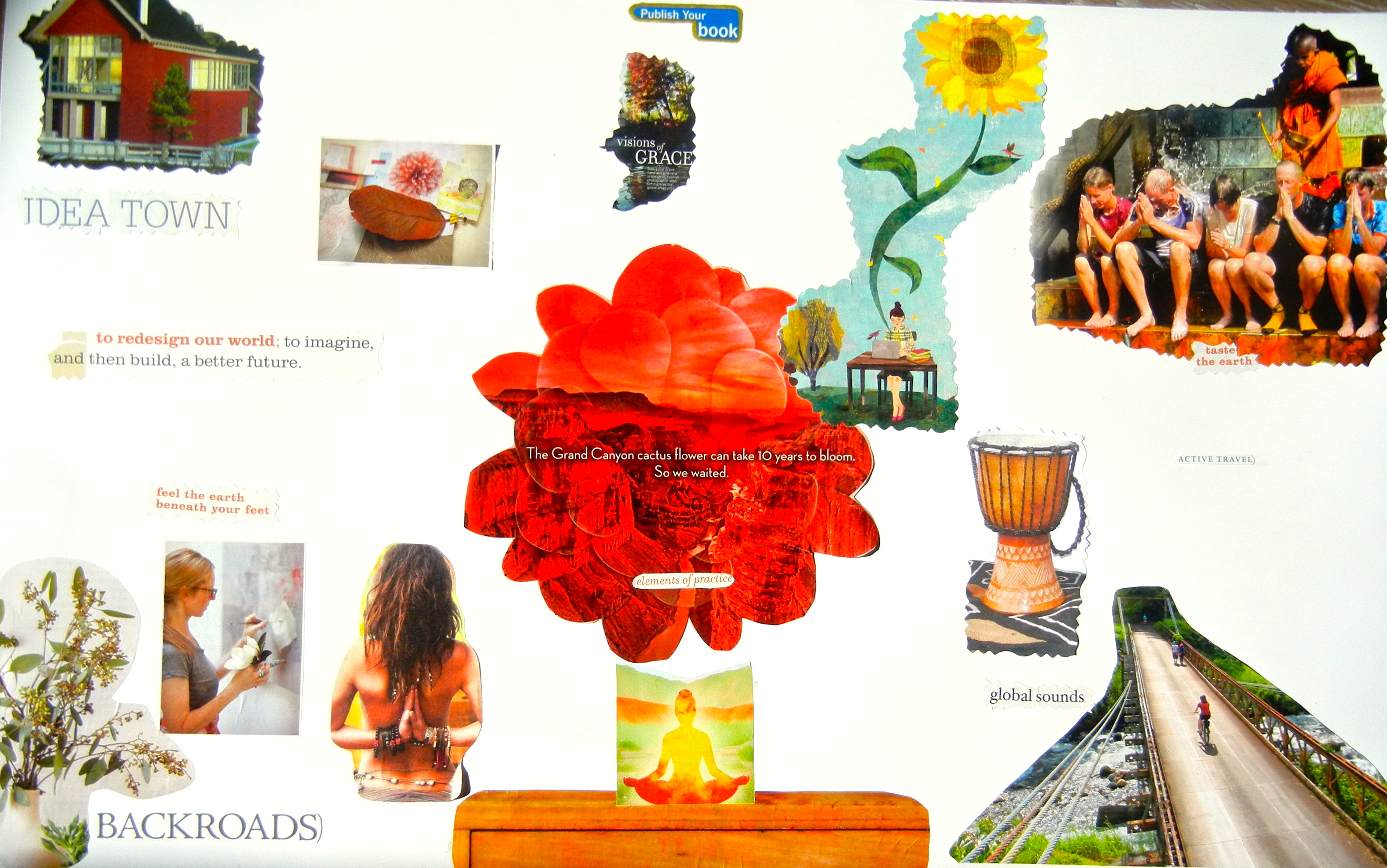
Last night’s inaugural agenda was to create vision boards, something I was a little snarky about. “I feel like Oprah will show up any moment,” I said not long after I walked in and eyed the leaning stacks of magazines, scissors and glue sticks. The circle laughed, a little uneasily and I made a mental note to be more open-minded and close-mouthed.  I wondered what Dorothy Parker would have made of our earnestness.  Quit talking about what you want to do and just do it.

But there I was and so I sat around a table with 8 other women snipping pictures and words from travel brochures, Yoga Journal, Bloomingdale’s catalogs, and a beauty salon’s stash of titles like O: The Oprah Magazine, InStyle, and bon appétit. I felt like a little Brownie Girl Scout at Craft Afternoon as we diligently put ruffled cut edges around camels in Saudi Arabia or a front porch weeping wisteria blossoms and I wondered if I was destined to wander alone through the end of my life unable to fit in with a group of nice women.

What didn’t we talk about? Our jobs. Our children. Our relationship to the hostess. We were untethered to any identity other than what made us smile for our future.

Finally, like kindergartners as Star of the Week, we held up our vision boards. “An open-mouthed shark bursting through the ocean’s surface represents a desire to attack new projects,” one woman said. The next woman pointed to a small photo of hundreds of lanterns floating on a river.  “Not that we’ll get to the Loi Kratong festival this year, but this reminds me to spend more time with my daughter who will go to college next year.”

There was a murmur of low sighs. Oh. Mhmm. A recognition of that awkward phase when who we were, who we are and who we want to be eddy in the rapids. Last night I heard enough dreams to light a million candles and enough desire to share those dreams even at the risk of seeming hopelessly earnest and decidedly unliterary and I think how no amount of talent or literature can save a person or sustain forever a circle of friends.

As we walked together into the full moon night, each of us clutching one cardboard idea of a life, the relentless Santa Ana winds battered our newly envisioned futures so we had to protect them tightly against our bodies. We agreed to meet in a month, to talk about and write poetry. Who knows what will happen? Our called-out promises were blown away under watchful stars.  

DSCN3659

With more white space than most,
~Catherine

p.s. You can read one idea on how to create a vision board version here, but I highly recommend instead, gathering a group you don’t know well. Make small talk as you release your rational brain and sift through images to see what makes you sigh or your heart quicken.  We all agreed there were more surprises than deliberate compositions and for that we were grateful.

Where to begin?

By Catherine Keefe
January is a new romance, a second date with someone you will fall in love with. It’s you on your best behavior as the very most outstanding human being possible. It’s Brahms’ Op. 22, Num. 8 before the wedding; the predawn temple ball’s call to prayer; the first line of the first page of the first book you ever wrote or read.

DSC_0444

                                                                                          Photo Credit: James Keefe

“Then there was the bad weather.”

Ernest Hemingway’s first line from A Moveable Feast cuts to the quick of great beginnings. He starts in media res, or “in the midst of things,” talking about the weather. His 1921-1926 Paris was so dreary “…the rain and the cold wind would strip the leaves from the trees in the Place Contrescarpe.”  But what makes this simple sentence such a classic book beginning is that it creates an immediate intimacy between the reader and writer with that word “then.” We can almost imagine a “before” without knowing what it was.  And even though Hemingway’s collection of “Paris Sketches” is about his experiences as a writer in the European expatriate community, it’s as much about the golden moments before the unraveling of his first marriage to Hadley.  Weather is both literal and metaphor although it isn’t until we finish the book, and reread the first line that we can make the connection.

As you begin this year and set your intentions for it, will your end – to paraphrase T.S. Eliot’s “Four Quartets –  be found in your beginning?

For writers, each new project is a January. But unlike the calendar which rolls forward ready or not, a writing project can become balky as a skittish pound puppy facing the first open gate. How do you move forward?  The answer is so simple. Where do you wish to end?

DSC_0391

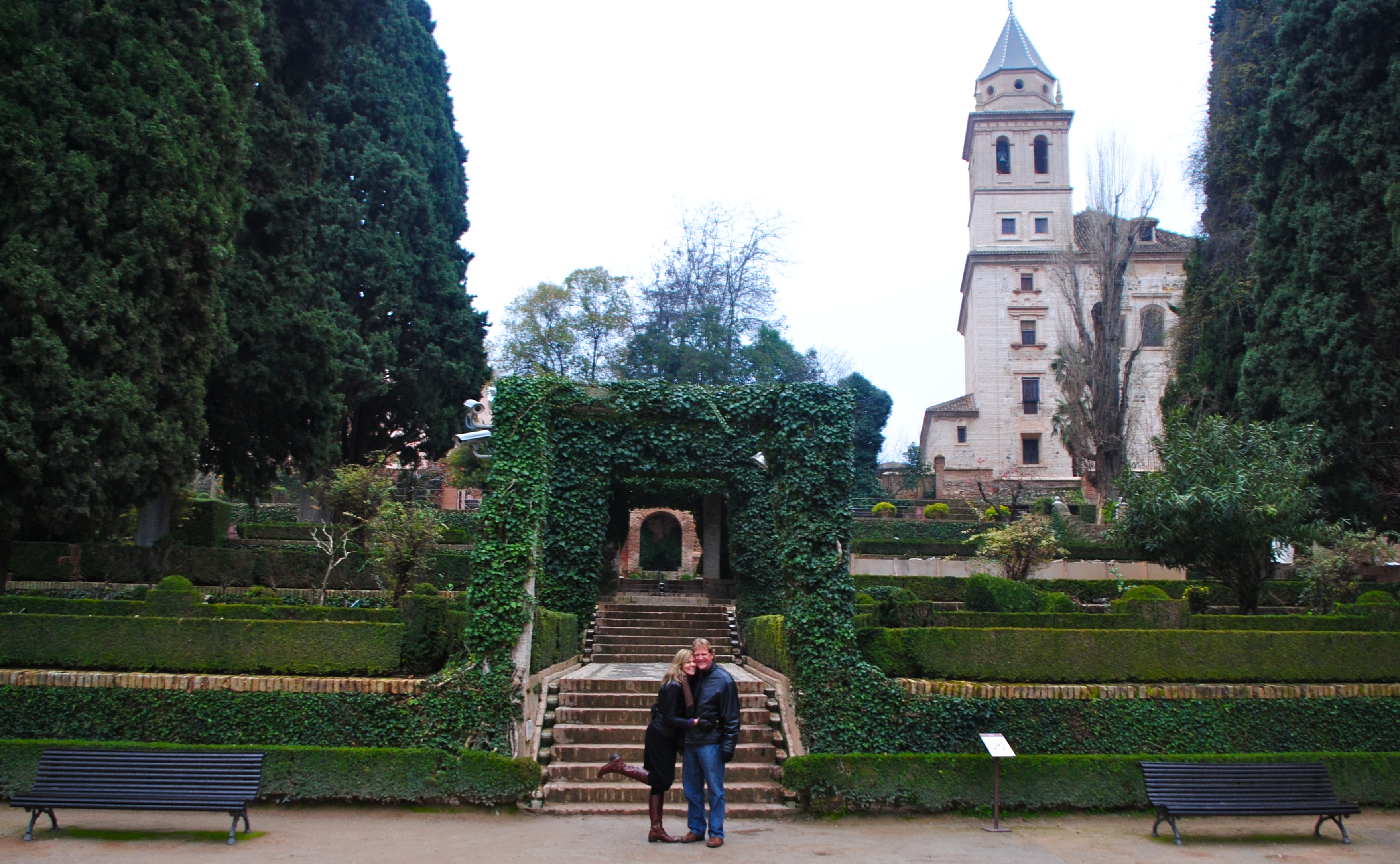
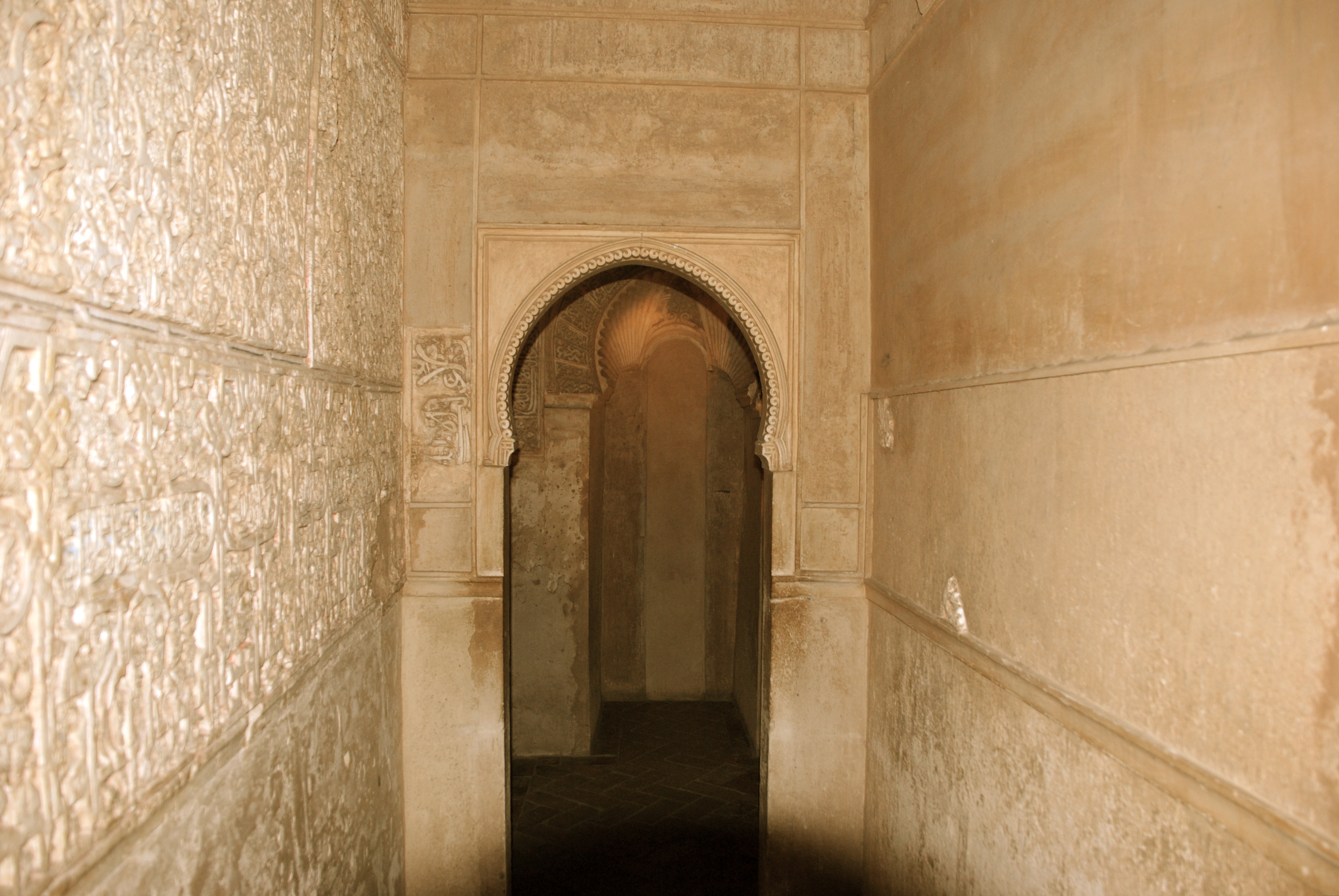
Alhambra, Granada, Spain                                                      Photo Credit: James Keefe

The superlative beginnings – of a novel, memoir, essay, short story, poem, or screenplay – portend a shadow of the end the same way the foyer of a building establishes possibility for its inside architecture or a chef’s amuse bouche introduces first flavors to a restaurant visitor. Surprises can be expected, but organic.

As Richard Goodman clarifies in, “In the Beginning: Creating Dynamic, Meaningful, and Compelling Openings”:

The beginning of your story, essay, or novel carries more weight than any other part of your work.  This is simply beause it is the beginning…Your senses are attuned. Your expectations are high. You are looking intently at what’s there. It’s analogous to seeing a person for the first time.

I often think of writing beginnings much like fishing. Can I catch a reader with one cast? Will the fish follow my bait for a few more feet?  Sometimes when I’m stuck I randomly open some favorite books to remind me what a great beginning can do. Then I write a stumbling forward of dozens or even hundreds of words that do nothing more than become cast-off scaffolding by the final edit. It’s not until I’m amidst the construction that I discover what I most want to say and I feel like the speaker in Samuel Beckett’s Company. “A voice comes to one in the dark.”

Take advantage of the energy of January and its superlative nature as a time to begin something new.

And may all your kisses this year begin a hug,
~Catherine

For more ideas on how to begin your new year check out “Through the open window.”


Putting Pen to Paper

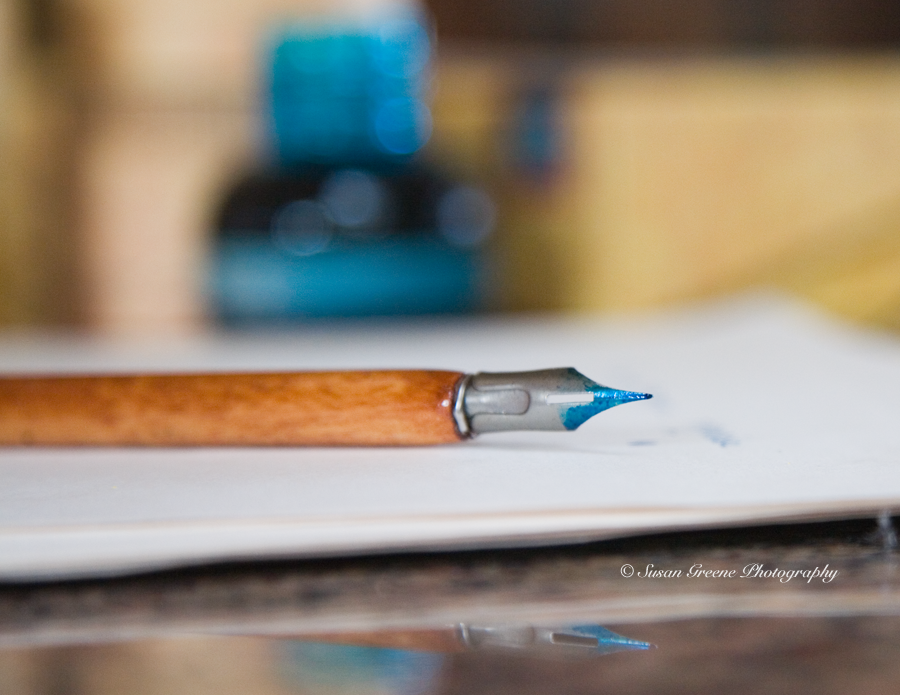
wooden dip pen with ink on tip

By Susan Greene
Wrapping and packing up the holiday accoutrements, produces, in me, a conflicting sense of sadness and excitement. Sadness for the end of the holidays and the joy of spending extra time with family and friends yet, excitement in the start of a new year. The house appears barren when the holiday decorations are gone but an opportunity to take a fresh approach to the everyday decor presents itself. With the new year, comes a chance to re-evaluate and set new goals for the next twelve months, a blank piece of paper to fill as you wish.

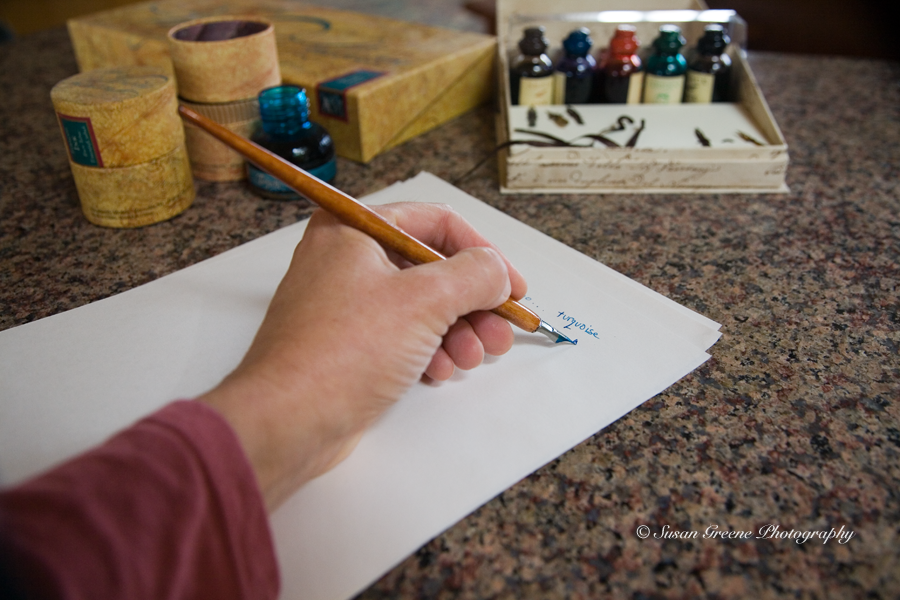
hand writing on blank paperThis year, the backyard sisters are using literary terms as springboards for stories, photos and teaching; maybe even some food.

writing with dip pen

Sharing thoughts, experiences and emotions with others, through writing, is an art. The writer of the sisters will provide the terms and offer her insights while I will supply a photographic interpretation. I am excited to see what the “writer sister” of the backyard sisters has up her sleeve for challenging and sharing with us.

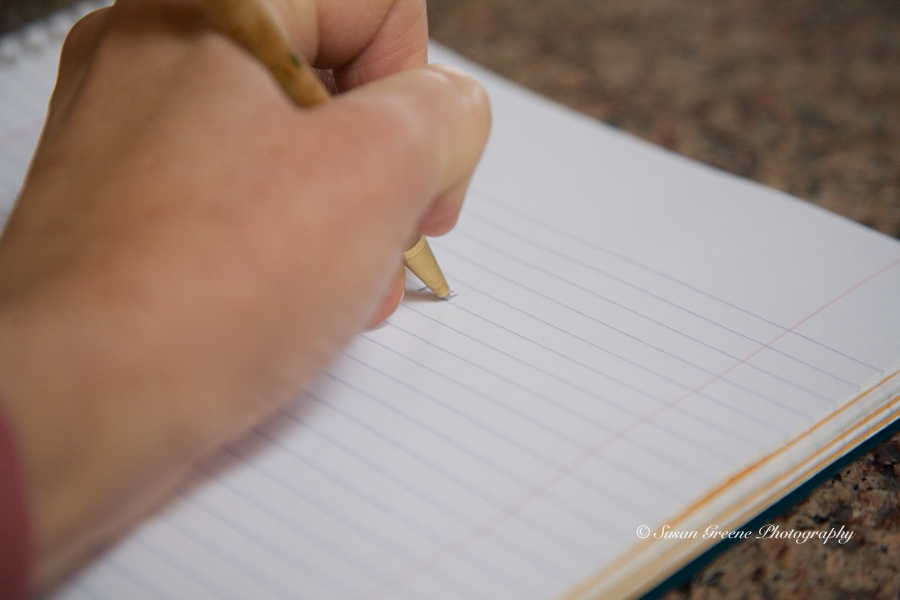
wooden ball point pen on paperMy tools are ready for the inspiration. Writing is an important part of how we communicate and to write well is a gift. Our backyard father has been sharing his memories of growing up through an ongoing book titled “Jaunts with the Memory Elves”. Each year at Christmas, for the past ten years, he gifts us with the addition of a new chapter. These are priceless gifts and I am grateful for the ability to experience, through his narration, not only our grandparents as parents but also living in New York and driving and moving cross country.

keyboard typing handsMy fingers are ready for typing and my pen to be put to paper.

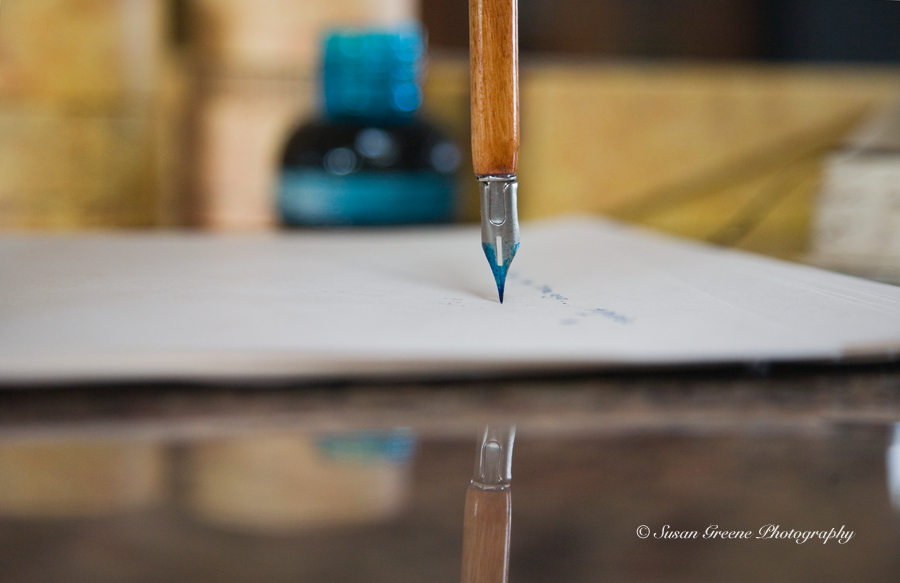
dip pen tip on paperI am anxiously awaiting the first term, sister . . .

~ Susan

Gifts

Chester and I set out on the trail this morning, a day that is cold enough for a sweatshirt, but not scarf or gloves. The December California sun is bright, yet low in the sky. It’s a beacon, a headlamp I walk toward with sure strides even though its light blinds.

DSCN3478

Go toward the light, I say aloud and giggle because I’m so serious and so kidding at the same time.  I’ve been praying hard – for my students, so many of whom write so eloquently about being sad or lost; for my friends who’ve lost loved ones and face a new kind of emptiness this season; and for those strangers I might touch with my writing or teaching in ways I won’t ever know.

Maybe it’s the light, or the drawing near end of the year, but I feel a taunting melancholy and longing for something I can’t quite put my finger on.  I wonder how to hold the fullness of this day and season, how to share this expansive blue, the thrilling sound of twittering bushtits hidden in the scrub oaks that raise a grand chorus as we pass. What am I supposed to do with all this beauty I ask the sky.

Chester thinks I’m speaking to him, turns his head, cocks his ears, then crashes through the sage to chase a roadrunner. Right, I think. You’re simply one anonymous creature among the myriad in the canyon today.There’s nothing to do but be here.

The trail winds past a row of California pepper trees with weeping branches laden with reddish pink Christmas berries.  As I walk past the grove, a little too close, one slender green wispy branch slides its gentle finger from my cheek to my neck and I feel I’ve been caressed as if by a mother, touched by nature as if to say what am I supposed to do with all this beauty here? Goosebumps rise on my arms.

I laugh again, accept the touch, accept the sky, the birdsong, the quiet crunch of loose dried mud under my shoes and Chester’s soft nudge against my thigh when I call him toward the homeward path.

Isn’t this what the season is about: not only giving gifts, but openly receiving? I think, if we are attentive, we can fill the quiet spaces with appreciation and acknowledgement of all the gifts we’ve experienced this year. The unexpected visit. Daisies left on the front porch. Goulash dinner and homemade bread for no reason other than longtime friendship. Tilt your head skyward and be attentive. You might feel the caress of gratitude from others upon our cheek at the most unexpected moment.

~Catherine

Pomegranates, Poetry, and Play

I was invited on a field trip.  My Backyard Sisters post, “Pomegranates, Poetry, and Play” shows up today over on the Minerva Rising Literary Journal blog. Minerva Rising’s mission is, “to celebrate the creativity and wisdom in every woman.” I’m honored to be included among the fine group of writers and artists represented there.DSCN3482
I was asked to guest blog because one of my poems, “Early Warning,” appeared in the Minerva Rising’s June 2013 edition titled “Rebellion.” When I submitted the poem – a dark piece dedicated to women in history who suffered years of domestic abuse until they finally murdered their husbands- I wrote:

When I think of rebellion from a Minerva Rising perspective, I think of June Jordan‘s poem, “In My Own Quietly Explosive Here.” Women silenced sometimes feel as if we are “dying underground,” yet we discover strength when “circles hold us together.” We find wings when we tell our stories and listen to one another.

My poem was a challenge to us all not to judge, nor to ignore, unsettling behavior. Today’s post is much lighter in tone than the poem, yet it also is related to a type of rebellion. It tells the story of a front porch encounter with a group of neighbor girls playing Bigger and Better. Here’s an excerpt:

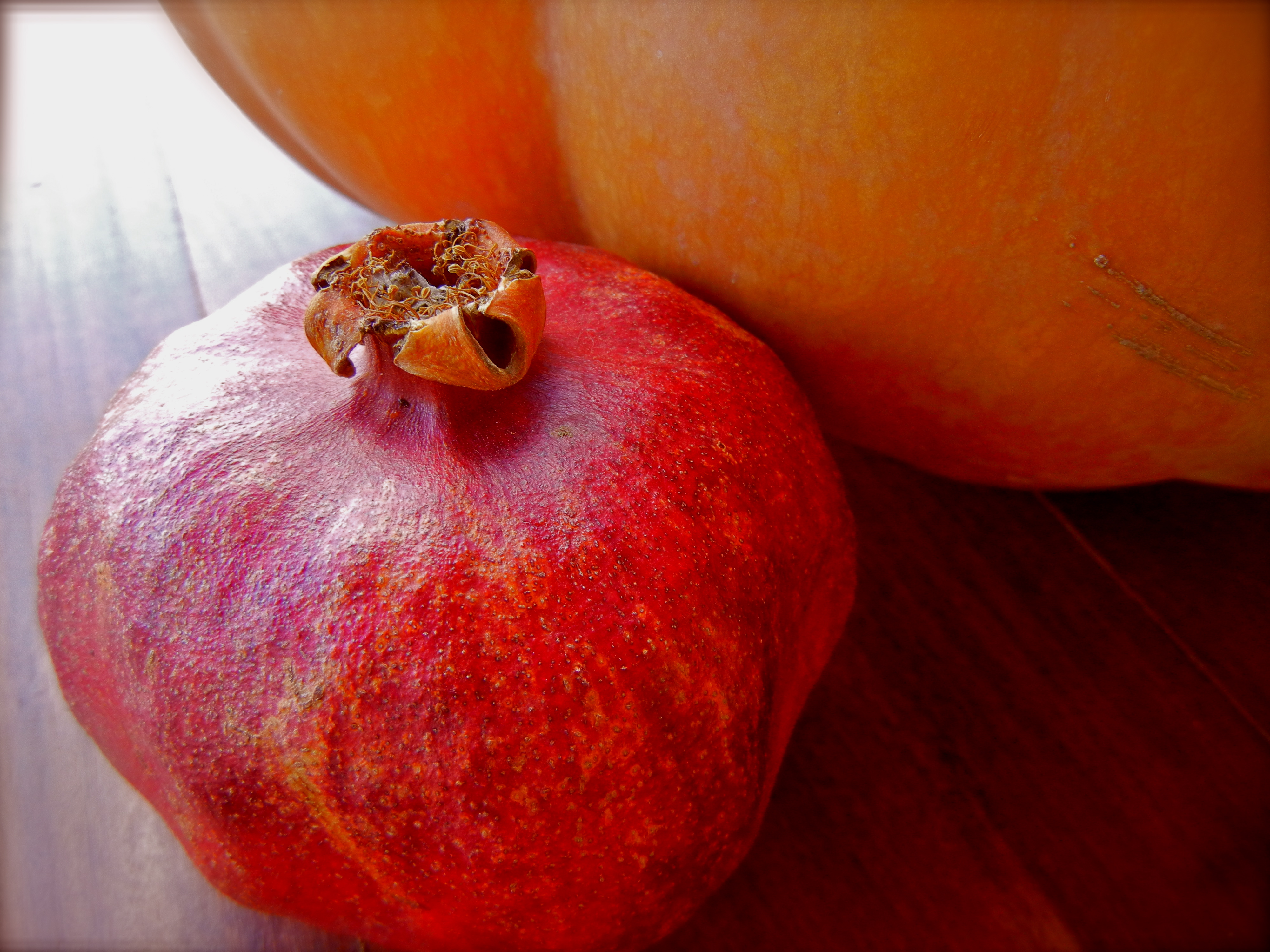
Maybe it’s the poet in me, or maybe I spy the pomegranate perched on my porch next to the pumpkin and find the perfect metaphor for why bigger isn’t always better. Pumpkins and pomegranates both ripen at this time of year with their fiery oranges and red in defiance of the coming brown and deadness. But they couldn’t be more different.

You can read the entire post on the Minerva Rising Literary Journal blog here. I’d be remiss not to mention the influence of Joan Houlihan‘s The Us upon my musing.  I was in the middle of that unique and haunting poetry book when interrupted by the neighbor girls. I doubt it’s an accident that my mind went to questioning the value of bigger over better while hypnotized by what is described on the back cover as:

The Us, Joan Houlihan’s mesmerizing new book, is a sequence of poems spoken in the collective voice of nomadic hunter-gatherers. Incompatible with a stronger, more developed culture (“thems”), the us must live outside civilization in order to be free and fully alive.

the_us225

The Us is stunning.

If you’re inspired to “be free and fully alive,” through prose,  you might appreciate these recent posts of mine.

“Anything Can Happen”
“Be small. Feel big.”
“What do you bring to the table?”

May the goblins you meet tonight scare you just enough to keep the porch light on, but not enough to ruin your evening with nightmares.

~Boo!
Catherine

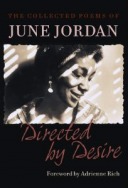
p.s. You can read Darrel Lorenzo Wellingtons’ fine review of “Directed by Desire: The Collected Poems of June Jordan,” here. Jordan, whose spirit inspired my poem “Early Warning,” was the author of  “political verse, protest poetry, folk poetry, love poetry, scenic poetry, surrealist and associative poetry, light and humorous verse, spoken word poetry and even a few sonnets.” The collection, published by Copper Canyon Press in 2007, is big:  649 pages. Rebellion indeed.
7074322


“Anything can happen.”

I kiss J and a shock of static electricity sparks between our chapped lips.

blue

It is soundless where we sit outside on the patio in the late afternoon, quiet as Ash Wednesday. A blisteringly blue glints overhead.  Faintly at first, the fall decoration cornstalks begin to rustle. Sh-sh-sha-shhh-shhhhhh.

In the distance, I hear an approaching whisper as if ten thousand petticoat ladies in satin dresses swish toward us. One lone leaf at the penthouse level of the backyard sycamore begins to shimmy. Then another and another and another.  In a single elongated moment, the world changes from crackling stillness to a-roaring and a-bending. The Santa Ana winds bellow upon us. The only scent is fear of fire.

I’ve lived in California my whole life, but it wasn’t until I built a hilltop house in Trabuco Canyon, at the mouth of Santiago Peak, that the Santa Ana’s full fury bent me in awe. In one single night, a teak dining table and a ping-pong table slammed against the house walls, narrowly missing sliding glass doors. Reckless gusts flipped chairs off rockers, clattering seats like bones in darkness against rumbling tempered glass. A metal gazing ball tumbled from its garden perch and rolled down the hill, lost forever, a bowling ball flung down the canyon alley.

I stood outside in the midnight din, away from the house and trees, beneath stars so plentiful and clear they seemed an arms reach away. Parched lips stuck on teeth, I smiled and watched eucalyptus bow and dance as if directed by a drunken puppeteer.  Leaves eddied in dervishes about my shins, swirled above my shoulders and neck.  I shrieked until my voice dissolved into the howl.  I stayed outside until dawn, eyes closed against the blow, arms held to the sky just to feel nature’s unbridled power.

Wind is so very much like love. You can feel it, watch its path and effect. But you can’t draw a picture of it, nor capture it with a photograph. It exists only in the rapture of what stands in its way. When it calms once again, ordinary gifts lie scattered in its wake.

3

How better to spend one night than to stand in wind’s way?
How better to spend one life than to stand in love’s way?

~Catherine

p.s. One of the most legendary literary descriptions of the Santa Ana winds is found in Raymond Chandler‘s short story, “Red Wind.” This post’s title comes from a line in that story:

There was a desert wind blowing that night. It was one of those hot dry Santa Anas that come down through the mountain passes and curl your hair and make your nerves jump and your skin itch. On nights like that, every booze party ends in a fight. Meek little wives feel the edge of the carving knife and study their husband’s necks. Anything can happen.

For a cool scientific explanation of the winds with illustrations, check out “What causes Santa Ana winds” by Paul Duginski.

A shorter version of this post first appeared in The Bucket List issue of Orange Coast magazine. If you live anywhere near Orange County, California and want to include a wild night in the wind on your own bucket list, here are a few prime spots to experience Late Night Theatre of the Wind.

Most raw: Drive to the mouth of Holy Jim Trail just off Trabuco Canyon, a major wind thoroughfare. Unless there’s severe fire danger, travel the 4.5 miles into the canyon on a rutted and rocky dirt road. Face the canyon and roar back. For information, click here.

Tamer: Hunker down – for a day or night – along Trabuco Creek in O’Neill Regional Park. Arroyo Campground sites 31-78 offer the best views of the pristine night sky and the wind wails down the creek bed.

Downright Civilized: Share a margarita, and swap wind and fire stories with long time canyon residents from inside while staring out through the wall of windows at Rose Canyon Cantina & Grill.

Be small. Feel big.

Go outside.
Tonight. After dark.
Lay on your back in the grass.
Open your eyes.
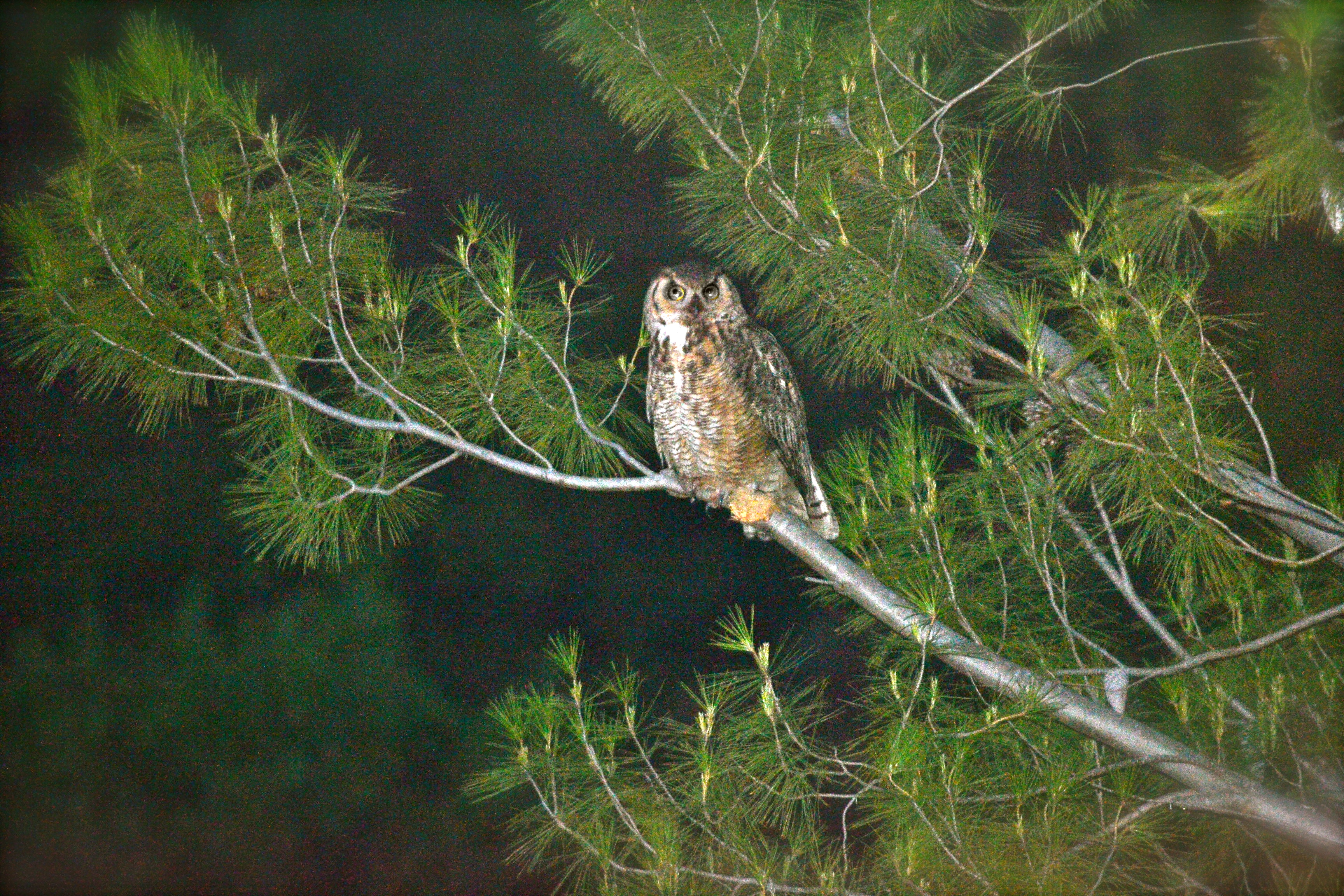
Crickets will sing and maybe, if you’re lucky, an owl will slice your heart open with its call.

The moon will rise.DSC_0556

Look the moon straight in the eye and make a promise. Promise to learn one new thing about this wild world you inhabit.

Discover the name of the first star you see next to the moon. Recognize its distance. Marvel. In all the dark there exists multiple tiny points of light.  Every night. Imagine all the light we miss when we’re not paying attention.

Can you discover the species of owl that lives in the pine. What does it eat? Where does it winter? How will it find water if there’s no rain tomorrow? How do you describe its song?

DSC_0544

Write this down. Date it. Do this again tomorrow. And again.

We will want a record of this. For our children. Our grandchildren and their children.

We will want them to know what lived with us one night when we paused to notice a miracle of balance and diversity, of red tailed hawks, of free-tailed bats, of carpenter worm moths at twilight.

Summer will fall to autumn.

This season too will rattle its saber with unprecedented flood and fire. It will tell us that our earth is changing.

If your house flooded or burned, what would you grab as you fled?
If your earth slowly crumbled and flooded and burned away, what would you try to save?

Watch how slowly the moon moves.
See how rocks or silver-toned leaves shimmer in its light.
Open your palms and see how you too shimmer in moonlight.

Remember the scene from Apollo 13, the scene where Tom Hanks, playing astronaut Jim Lovell, sits in his backyard. He holds up his right thumb against the night sky. His thumb completely blots out the moon.

We humans get in our own way of wonder.  Yet this very wonder, at the human scale, is that which can touch us most frequently, most deeply.

When you’re ready, return inside. Spread the moon’s gentle touch to those your hand touch. Tonight. Tomorrow. Learn the wild ways of those you love.

With grass in her hair,
~Catherine

p.s.  I came across an interesting call for submissions today.  The Interdisciplinary Studies in Literature and Environment is looking for “new or renewed forms our writing can take.”  If your work reads like “the broken-hearted hallelujah, the witness, the narrative of the moral imagination, the radical imaginary, the indictment or the apologia” you might consider joining your voice with others in essay, fiction, poetry, nonfiction, or academic article. Deadline is Sept. 30. For more information, read the entire To Write as if the Planet Were Dying: A Call To Writers.