A sailor walks into a bar…

Four hundred and ninety three years ago today (ish) Ferdinand Magellan began his expedition to circumnavigate the globe in search of a western spice trade route between Europe and Asia.
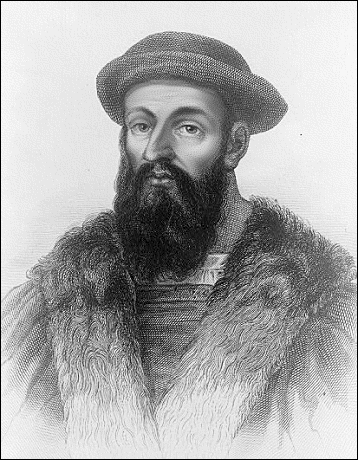
Photo Credit: Public Domain Clip Art

I say “ish” because some sources, like The History Channel, name today as the anniversary but others, notably the Hakluyt Society which publishes “primary records of voyages, travels and other geographical material” offer a different story in The First Voyage Round the Worldfrom a Genoese pilot “who came in the said ship, who wrote all the voyage as it is here.”

According to this sailor’s first-hand account “HE [Magellan] sailed from Seville on the 10th day of August of the said year [1519], and remained at the bar until the 21st day of September, and as soon as he got outside, he steered to the southwest to make the island of Tenerife.”

A sailor walks out of a bar.

I can’t help but think how much writing is like heading into uncharted waters with nothing but a notion.  Sometimes I pursue the end with the diligence of a royal lackey and other times I allow the trade winds of exploration to blow me a bit off course.  When I teach writing, this fluidity between convention and discovery unsettles the students, especially as they try to find their own way, their own voice, to leave their distinct mark in a literary history book.

“Is it good?”
“Should I give up?”
“Do you see any talent in my work?”

I wish students relied less on my coronation and more on the process.

Do you love your journey?
Does your writing reflect your best effort?
Do you trust your boat?
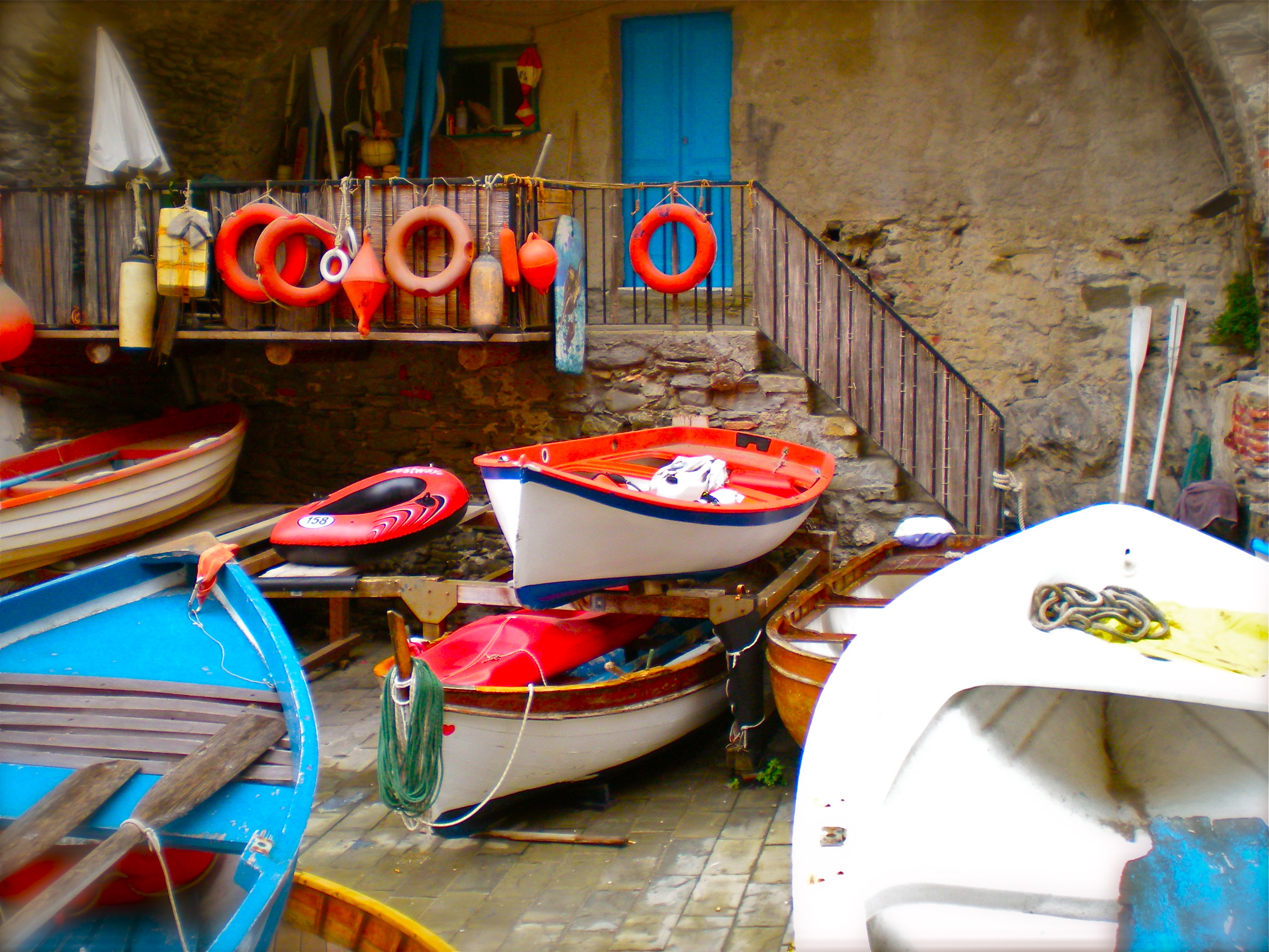
Cinque Terra, Italy. Photo Credit: Catherine Keefe

I wonder if Magellan would have stayed home if he knew he wouldn’t live long enough to receive a hero’s welcome back in Spain. Somehow I doubt it.  If you need fortitude for your literary journey here, to help realign your compass, are two reading recommendations.

If traditional short fiction is your thing, you can’t do any better than getting a subscription to One Story, $21 per year.  From the website:

One Story is a non-profit literary magazine that features one great short story mailed to subscribers every three weeks. Our mission is to save the short story by publishing in a friendly format that allows readers to experience each story as a stand-alone work of art and a simple form of entertainment. One Story is designed to fit into your purse or pocket, and into your life.

If you’re done with tradition and want to experience literature curated to jolt you out of linear, conventional thought, mosey over to Diagram, “a free electronic journal of text and art.  Sure, you can read the fiction and the book reviews there, but the real fun begins when you venture into the schematics link.

from Diagram

From the “Submission Guidelines” page:

WE VALUE the insides of things, vivisection, urgency, risk, elegance, flamboyance, work that moves us, language that does something new, or does something old–well. We like iteration and reiteration. Ruins and ghosts. Mechanical, moving parts, balloons, and frenzy. Buzz us

Here’s wishing you enough squalls to appreciate the peace, enough uncertainty to hone your own beliefs, and plenty of salt spray upon your cheeks.

With delight in discovery,
~Catherine

Friends of the Backyard Sisters

I was a new and nervous reporter, my first minute on the job at the Orange County Register, still trying to figure out office etiquette when working in a long row of cubicles so small and close together and with walls low enough that I could see the stubble on the back of the neck of the reporter in front of me.  Just as I silently sat down, that neck swiveled to reveal a smiling face.

“Hey. I’m Marty.  Welcome. It’s good to have you here.  If you have any questions or need anything, let me know. ”

Long after we left the Register, Marty and I remained writing friends and, huge caveat here, fans of each other’s work.  I invited my writer friend to stop by the backyard to tell you about his new nonfiction book, “The Wild Duck Chase.” It’s about the obscure Federal Duck Stamp Program and the strange and wonderful world of competitive duck painting.  Weird? You betcha. It’s a highly entertaining book that’s a perfect fit for our outdoorsy, michikusacentric focus here at the Backyard Sisters. Best of all, it invites a reader to tackle stereotypes.

Welcome, Marty. It’s good to have you here.

Photo Credit: Jason Wallis

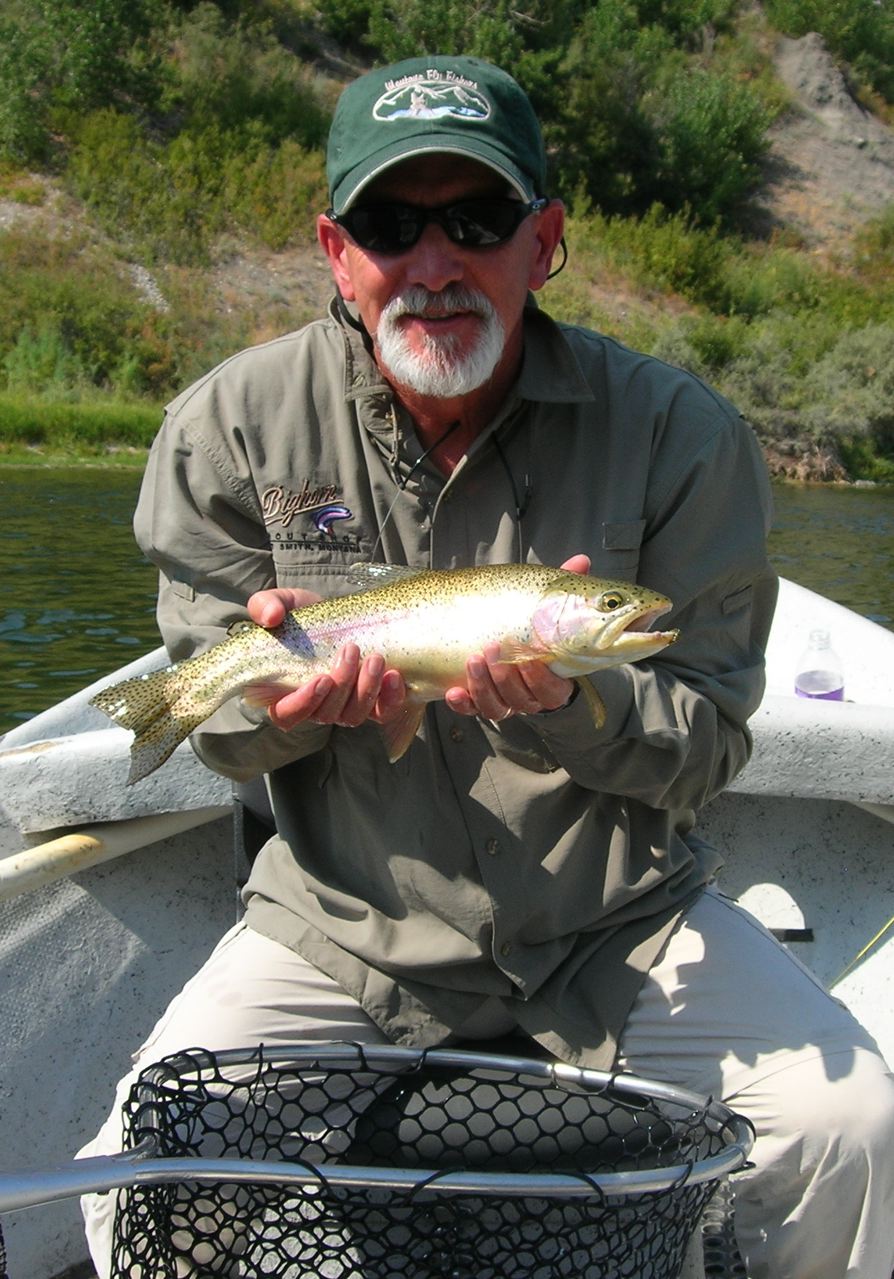
Just back from a fly-fishing trip to the Bighorn River in Montana, and was struck again (as I was while writing “The Wild Duck Chase”) by the depth of knowledge that dedicated outdoorsmen and -women have about the natural world. Robert Bealle, the 2009 Federal Duck Stamp Artist, was able to tell the specific stretch of the Potomac River where the duck he’d shot had been feeding, because of the unusual type of freshwater clams he found in the duck’s craw. One of our fishing guides on the Bighorn put a tube down the throat of a brown trout I’d landed and suctioned out the contents of its stomach to see which type of flies and worms it had been feeding on that morning (so he could choose the proper fly for my next cast). Another guide noticed a nasty wound on another fish I’d landed and deduced that the little fella had a recent brush with a spike-beaked blue heron. Still another spent at least 10 minutes trying to revive a lethargic but still-living brown trout by washing water through its gills. Now, I’m not a hunter, and not much of a fisherman. But after two years of research on the book and my accumulated experiences among hunters and fishermen, I no longer have much patience with those who dismiss them as exploiters of wildlife. They are, for the most part, mindful custodians of a world the rest of us appreciate primarily in theory.

Montana’s Finest

Marty, (that’s Martin J. Smith to you) will discuss his new book and sign copies at the
Big Orange Book Book Festival in Orange, California at 1 p.m. Friday, Sept. 21. If you’re not interested in what many consider the single greatest conservation initiative in human history, or the quirky annual art contest at its center, or a cast of characters that includes a guy who keeps 15 dead birds in his Sears Kenmore freezer, then perhaps you’ll be tempted to attend by knowing that Marty will reveal the name of the artist who managed to paint an entire passage of incredibly filthy porn movie dialogue into his entry, which was then soberly displayed by oblivious federal officials who take this stuff VERY seriously.

Marty will also be reading at Barnes & Noble in Huntington Beach, 9/18 at 7 p.m.; Book Soup in West Hollywood, 9/19 at 7 p.m.; The Book Frog in Rolling Hills Estates, 9/22, time TBA.  If you happen to be in Ogden Utah on 9/28, Marty will speak and sign books in the Weber State library at 3 p.m. right after the first round of judging for this year’s Federal Duck Stamp Contest.

Still not sure?  Read a witty review of The Wild Duck Chase here.

In addition to telling you about a great book, and a kind writing friend, I leave you with one more lasting bit of Backyard Sisters wisdom.  Writers who are supportive of other writers (and editors) sure make the world a kinder gentler place.  Have you given a shout-out to a writer you admire today?

With high regard,
~Catherine

What do you call it?

“Do you know Pablo Neruda?”

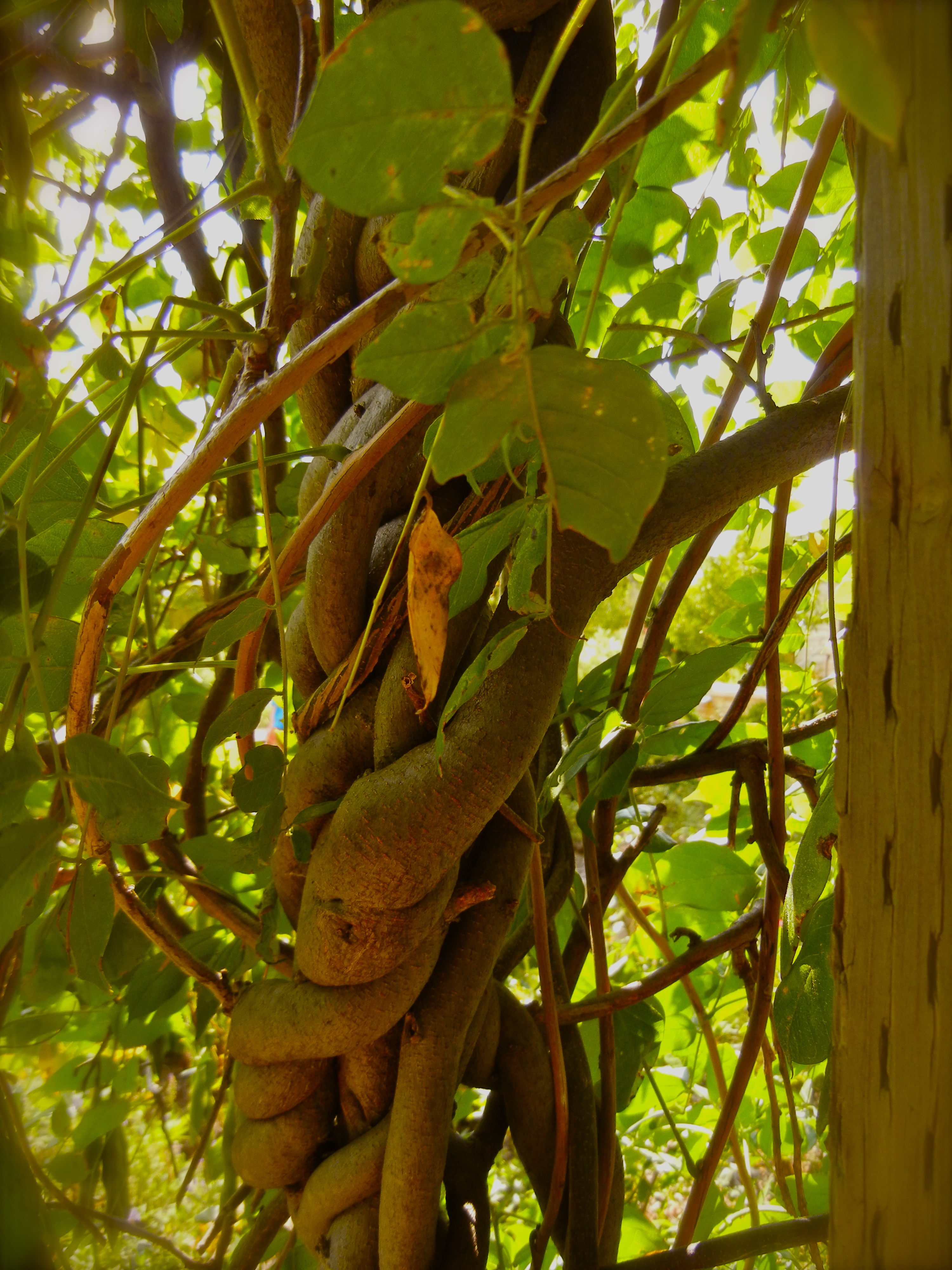
My friend asks this after dinner on a Thursday evening of no occasion except that she, her husband, J, and I  felt a hunger to dine al fresco in the middle of the week before summer withers.  We’re old vines, the four of our lives entwined by years of shared joys and sorrows.

Her question surprises me; she’s not a writer, nor a particularly avid poetry reader.

But it’s been the kind of day that has offered odd moments.

The first bit arrives this morning while I walk down a pocked country road, Chester padding quietly by my side. The sound of an engine climbs the hill behind us, initially at a roar, then it slows to almost idling.

I hear the sound veer to the side of the road we’re on which means it’s now facing  oncoming traffic, if there were any. The rumble paces us , accelerates, and a white truck appears.

“Here.”

A middle aged man with a white cap pulled low presses a giant brown Milk-Bone dog biscuit into my hand. His truck is that close.

“Rod’s Pool and Spa Service.” I remember this in case I need to give a description.

The man thrusts his cell phone into my face.

“These are my dogs. I used to have big ones, but now I can only take care of the little kind.” A picture of several small brown dogs stares back at me.

“Your dog sure makes me smile. Thanks for that.”

I wonder at this biscuit, clumsily slip it into my pocket. I wonder at myself for running the mental bases:

Don’t talk to strangers
Don’t take things from strangers
Don’t eat things that strangers give you.

The man’s hand waves slowly out the driver’s window as Rod’s Pool and Spa Service wheezes off.

At home, the bone sits on my desk.  I can’t decide the bigger crime: throwing away a gift, or potentially poisoning my dog.  You see the cliff edges I walk.

That would have been enough for one day. But then it’s three in the afternoon and I’m walking alone with Chester down my own street. No other walkers are about on this bright afternoon.

I hear the sound of a diesel engine straining up the hill behind me.  I move out of the way.   The driver of a large water delivery truck pulls his vehicle into the wrong lane; he idles next me.

“Here.”

This young man with a deep tan hands me a bottle of water.

“That’s a great dog.  I used to raise Labs. I had a red one and a black one and they’re great dogs. He, yeah, that’s a he, yeah, he might get thirsty. Give him this water from me. Hi puppy. You’re a good fella. You made my day!”

The water deliveryman idles and oggles Chester until a white Honda pulls up behind and honks because the road is narrow and the truck straddles both lanes.  With a belching boom of a horn and a jaunty wave, the water delivery truck rolls on down the hill.

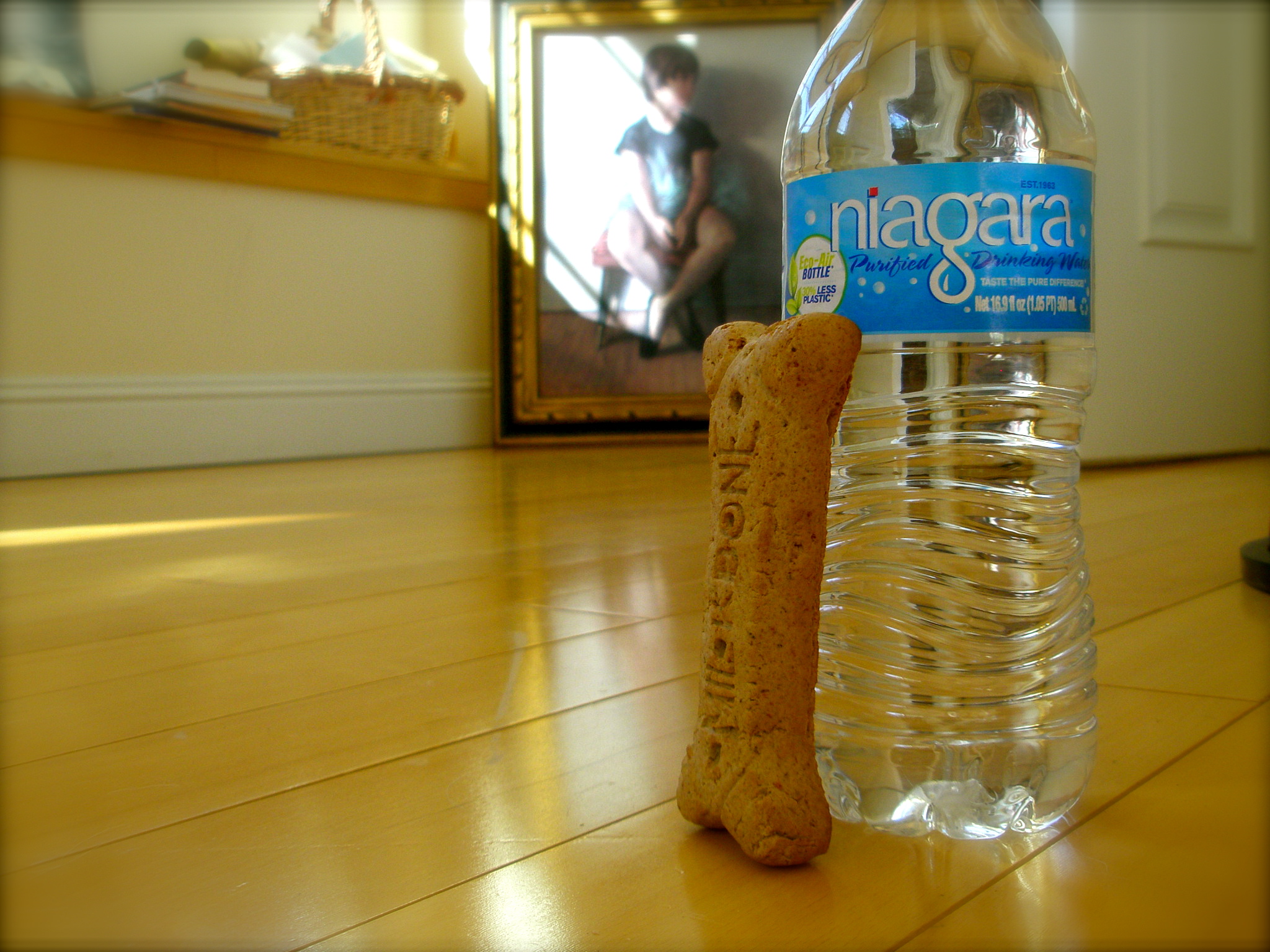
I set both items on the floor so I can photograph the evidence. Trust comes so hard for me.

I almost wait for a third encounter.  This has never ever happened before.  I wonder if it’s a creepy kind of day.  I’m a writer after all, and I know about things like foreshadowing and the literary Rule of Three that makes stories like “The Three Bears” a model for how to pace your plot or test your characters in a structure readers intuitively expect. Things happen in threes.

But I don’t want to be late for the dinner where I’m now retelling the story I’ve dubbed Strang(er) Thursday.

“Do you know Pablo Neruda?”

My friend asks this when I finish with the water man story and laugh all this off like it’s every day that a cast of weird strangers arrives to set me on guard.

“Yes,” I say. “I’m a huge Neruda fan. Twenty Love Poems and a Song of Despair. And then of course The Sea and The Bells and The Book of Questions. Why?”

My friend slides a piece of paper across the table.  “I found this in a magazine and it reminded me of you.”

“Take bread away from me, if you wish,
take air away, but
do not take from me your laughter.”

It’s an excerpt from “Your Laughter.” This friend has had a very difficult summer, the kind that is impossible to fix so the only thing to do is eat under the stars sometimes and tell funny stories.

“I love your laugh,” she says.

“What?”

I look up; think I haven’t heard her correctly. Clanking dishes, mostly spoons clatter against saucers and forks scrape hot fudge off plates at this hour when the candles are almost burned to the end.

“You have a great laugh. It makes me so happy. I treasure you.”

Oh, I think, and I burst out laughing, even though I’m now quite self-conscious about it,  but I  can’t help it because the Rule of Three is real in the universe, and therefore by extension literature, and this is Three Gift Thursday.  Nothing strange about it after all.

We return home and I feed Chester the biscuit. We sleep as if the universe rocks our cradle gently, gently.

With treasures and laughter,
~C

Light Play on the Pacific

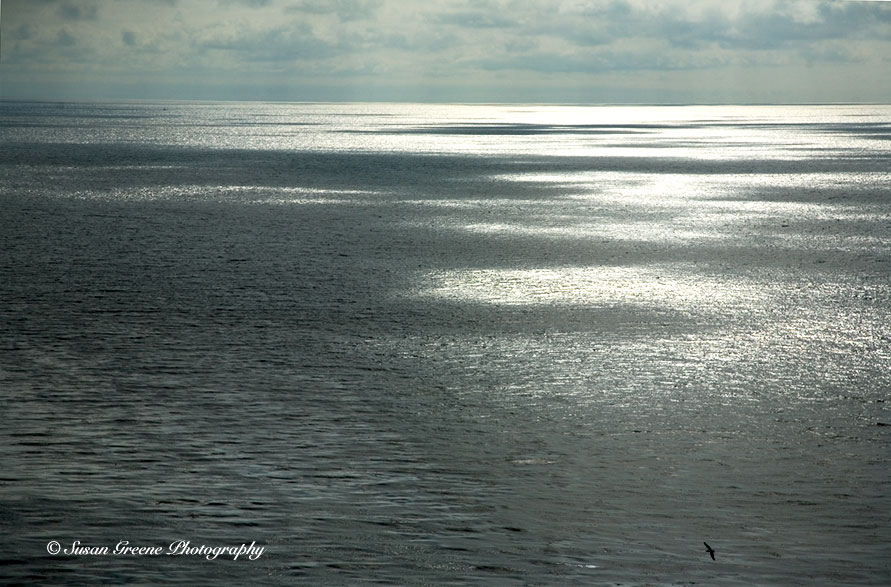
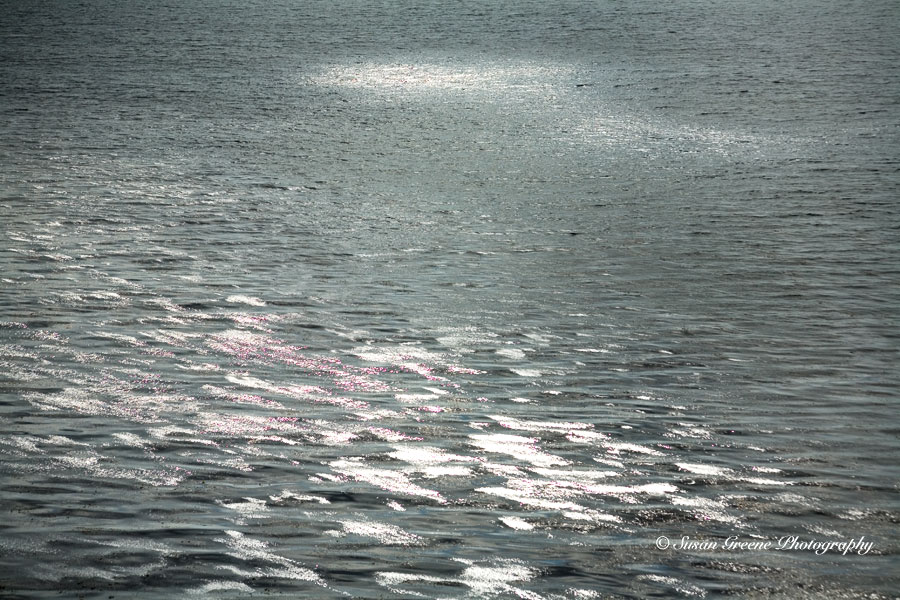
While driving along the coast in the late afternoon I noticed the sun, clouds and water interacting together and making patterns of radiance on the waters of the Pacific Ocean.

Pulling over, I grabbed my camera with my 24-105mm zoom lens to capture the glory.

Usually there are only a few times I will shoot towards the sun, for sunsets or rises, but I have started changing that lately and this is one of those instances. The reflections were mesmerizing.

After taking a few photos I switched to my 100-300mm zoom lens and decided to bring the brilliance closer.

And then, even closer, to see the light dancing on the water.

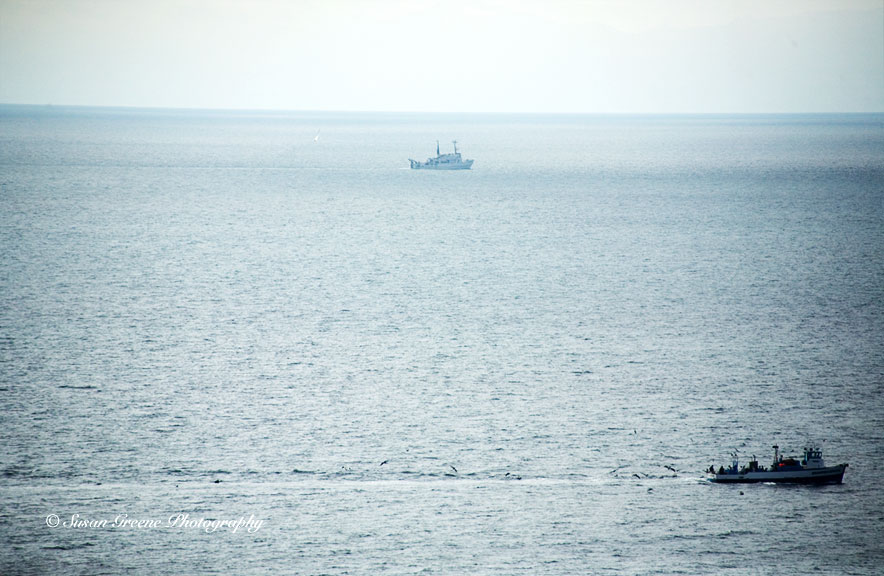
I couldn’t resist these two fishing boats heading back to the harbor.

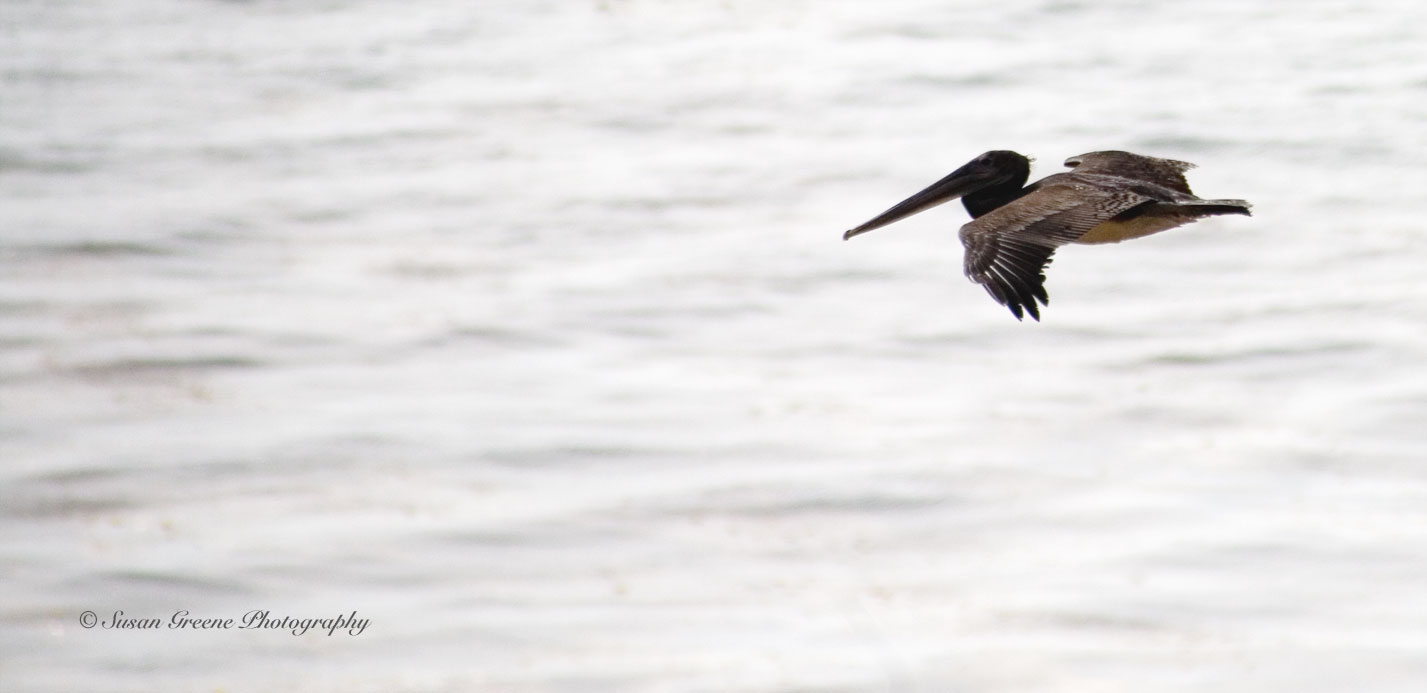
Finally, a pelican flew right across my sights and I have a soft spot for pelicans, so yet another pelican photo. . .

Photography is about using and capturing light and there are many ways to accomplish it. I am not so reluctant to shoot towards the sun any more. Capturing the sun’s rays is yet another way of photographing scenes, even if it can be a bit challenging.  The dance of the sun and water with a few clouds for shadows was something to celebrate.

~ Sue

I waited all winter to tell you

under the ancient oak
an empty picnic table

I wrote those lines late last December after a walk with Chester, the big white dog. I remember well the afternoon we wandered in the gloaming, he with all the bounce and romp of a puppy and I with some elegiac tang induced by another year’s looming end.

fog swirling mist
descends upon the night
chill

the stars are crying.

Why so sad? I wonder now in summer’s glare.

summer afternoon shade
untied my shoes

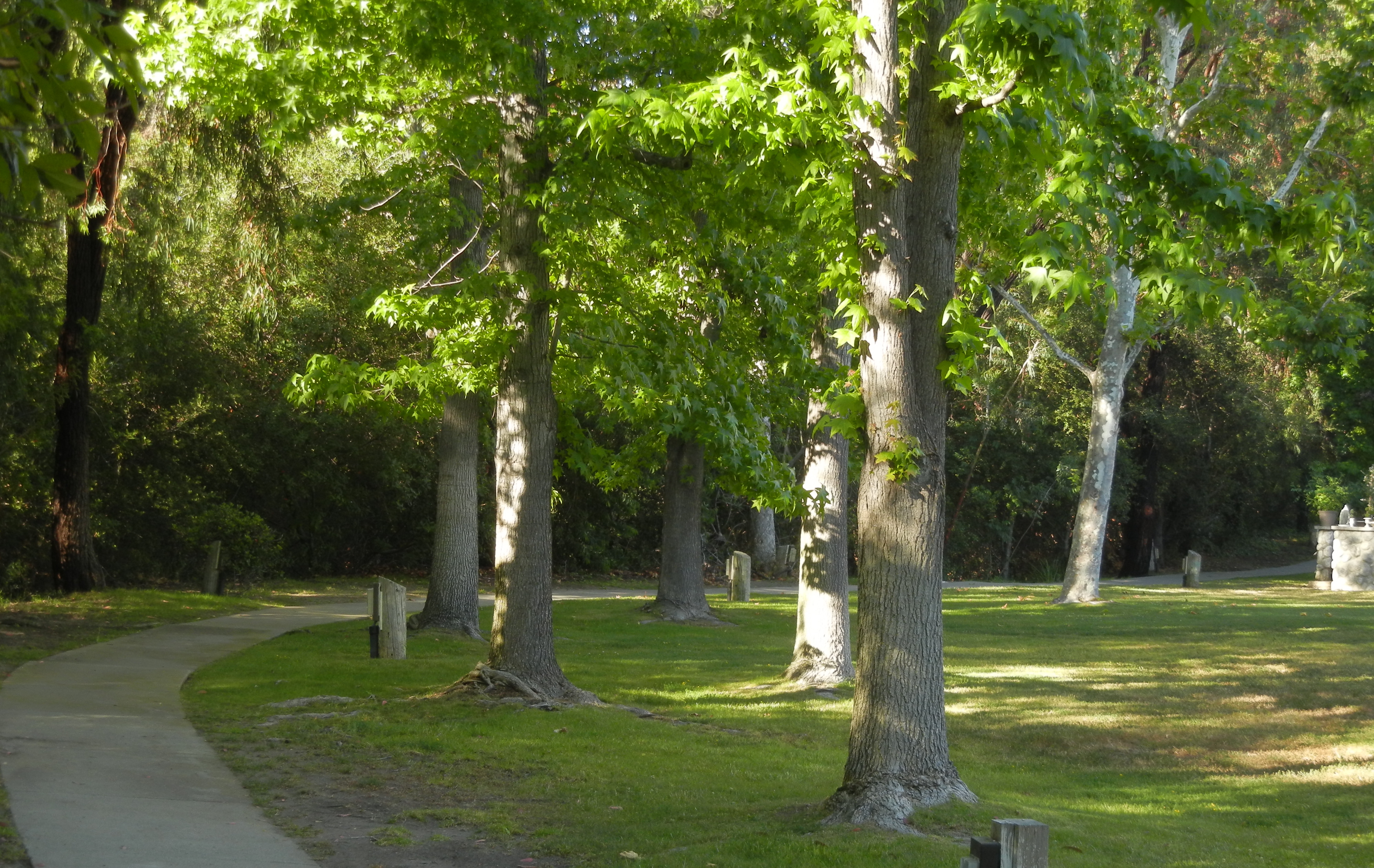
I wanted to tell you how the table surprised me that afternoon when I turned left on the path instead of right. There were no tables anywhere else in sight, just this one simple wooden stopping place.  I waited through January, February, the bluster of March to give it to you, not from the vantage point of the path which ran past it, but with the solidity of its worn wooden bench beneath me, with the joy of describing the summer solstice meal I ate from atop its uneven surface, with the fervent vow to eat al fresco more this summer than last.

So much depends upon a wooden picnic table in a winter afternoon.  I felt a new comprehension of William Carlos William’s 1923 poem, “The Red Wheelbarrow.”

so much depends
upon

a red wheel
barrow

glazed with rain
water

beside the white
chickens

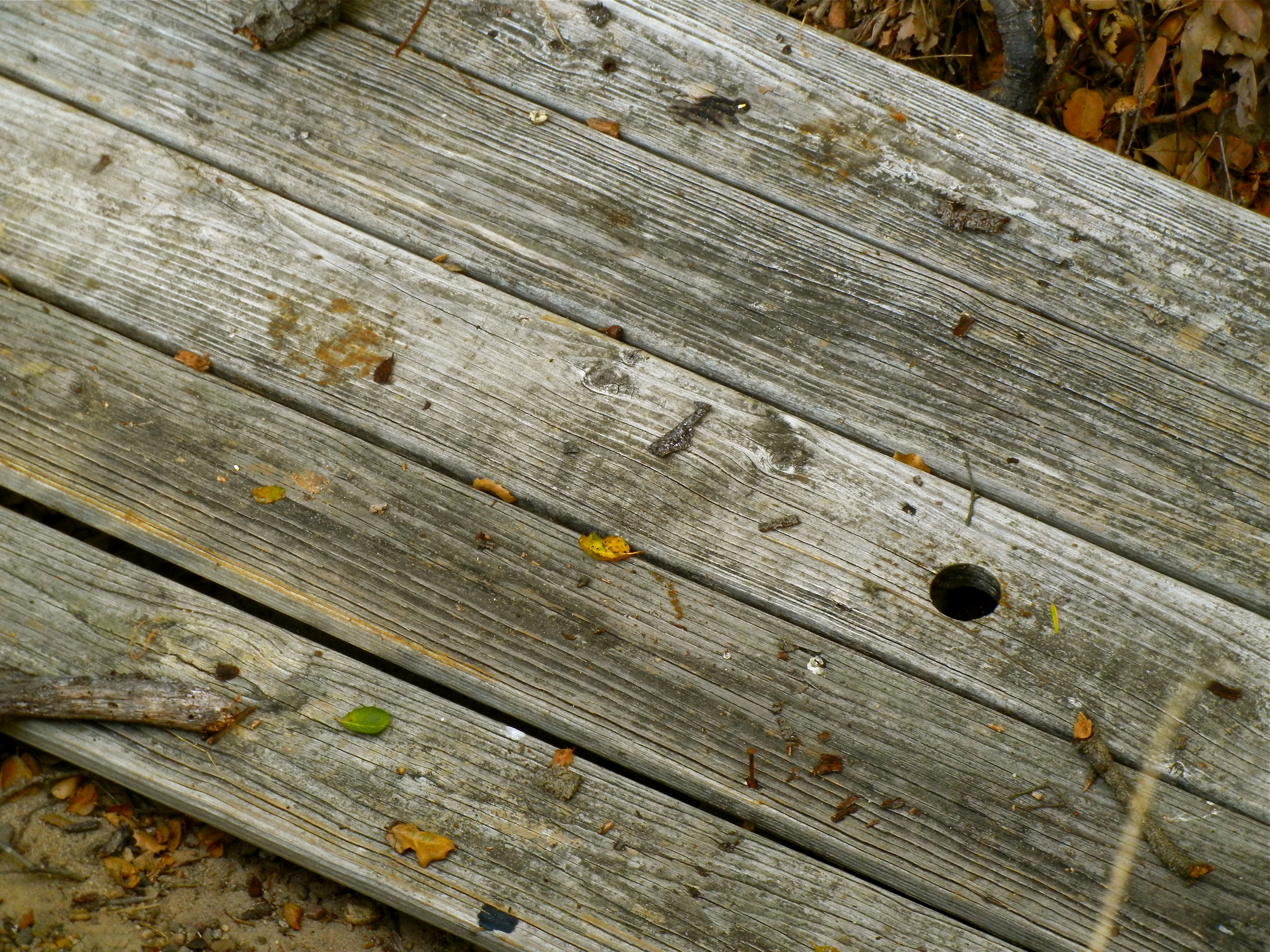
I wanted to tell you how my table seemed embedded in the grass, as if it had roots like the oak above it, how it was the soft brown of shadow on bark with bright orange streaks where a kind of moss grew upon it as if it were a living thing.

By April I vowed to eat at a different picnic table each week this entire summer. I would dine under the sky! Describe parks and beaches and campgrounds! Find new vantage points!

Then I wondered; would that plan celebrate the novel and restless over the warm familiar? Maybe instead, I should resolve to meet this table and this table alone with my basket all summer.

so much depends
upon

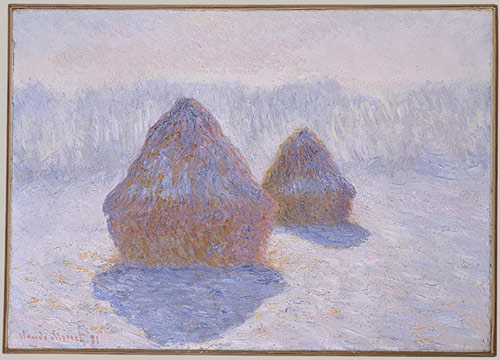
I think of Monet’s Haystacks, the artist’s study of light upon a common object.

I think of Antonio Porchia‘s slim volume, Voices, the writer’s light fixed on common man.

I have scarcely touched the clay and I am made of it.

I think of something as solid as wood in a world which feels more like a river than stone.  Anticipation is delicious.

under the ancient oak
an empty picnic table
summer afternoon shade

Summer begins yesterday.  I wait as long as I can.  Noon turns to afternoon turns to almost twilight. I’m ready with camera and Chester and a brown paper bag full of first peaches because it’s the kind of day where I don’t have time to cook.

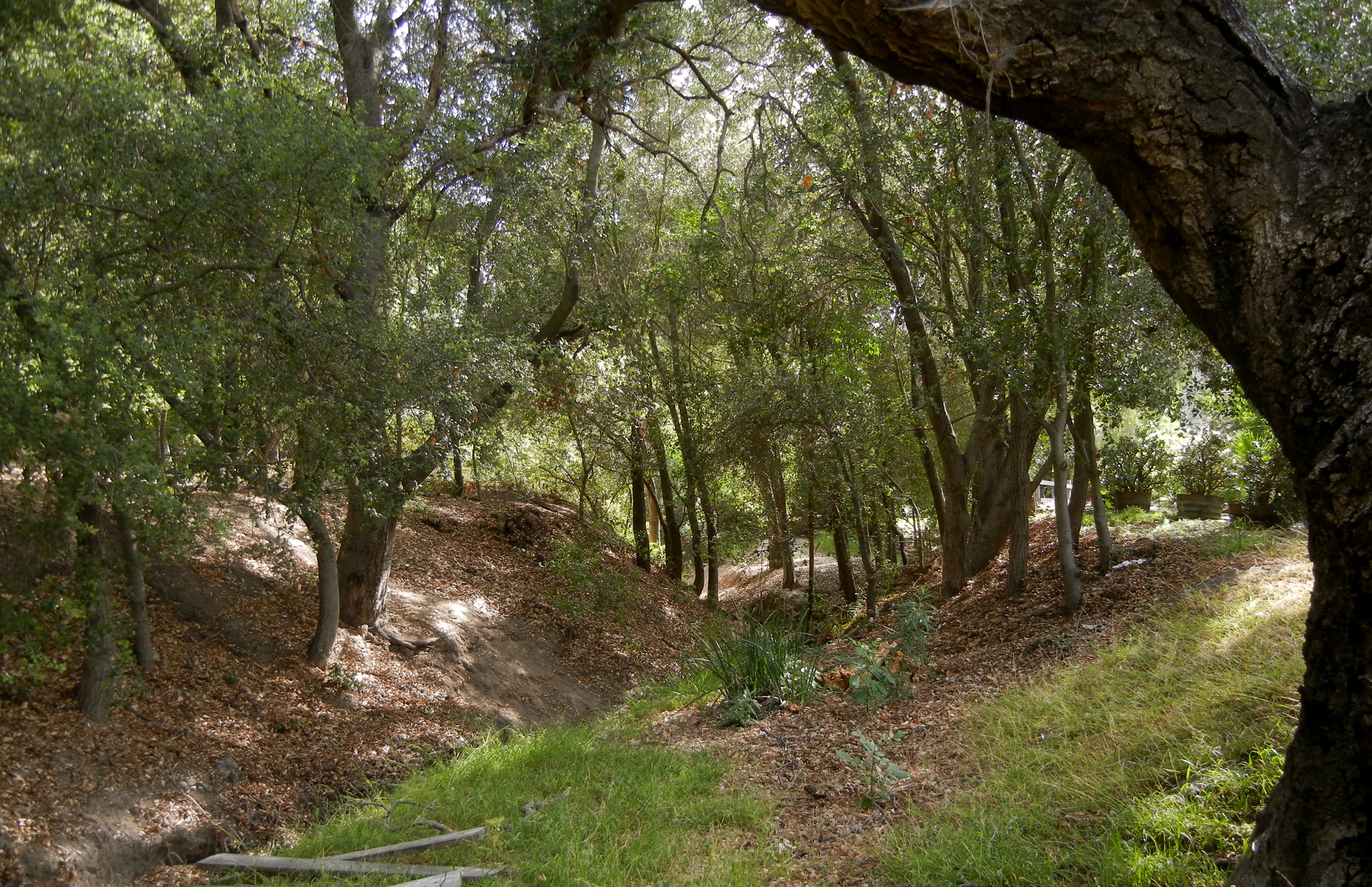
We go the long way, take the path which curves first left, then right, then around the bend of the seasonal creek, the path which places the setting sun behind my shoulders which casts my shadow long and makes me look as if I’m always arriving.

Chester pulls on the leash.
And there under the ancient oak.

It’s demolished. The table top now lies at the bottom of the creek bed.

“Certainties are arrived at only on foot,” Antonio Porchia writes in Voices.

Past tense and future crumble the present I was given and never received. As I walk home, I know. I waited too long to whisper my secret wish to picnic with you, but I will tell you now.

~ With high hopes for surprises along your own path, C

The Tide Is Low and the Spirits Are High

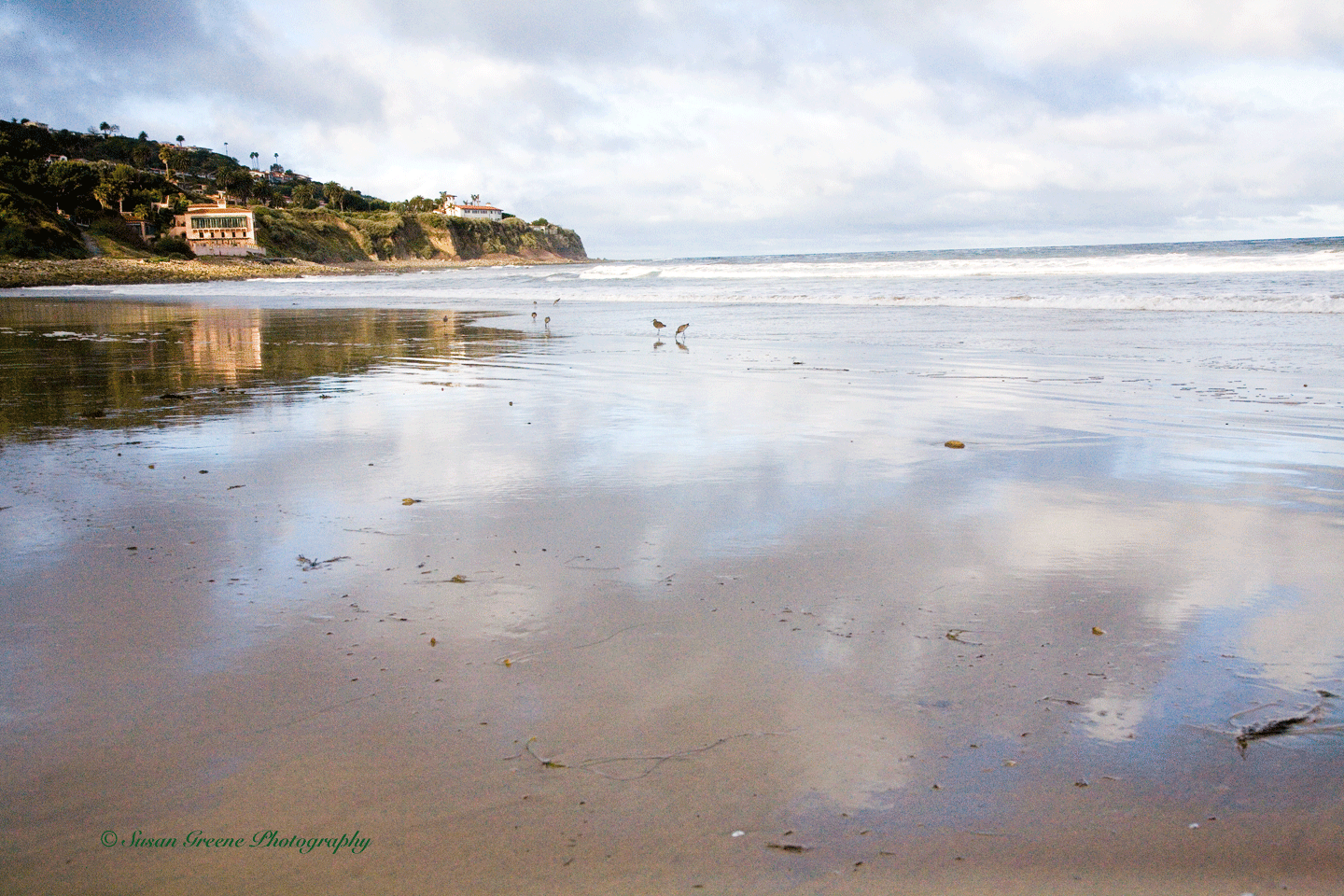
A few days ago I did something I don’t do enough . . . went on an early morning walk at the beach with my camera. To my delight it was a low tide which created beautiful reflections at the water’s edge and brought many shorebirds feeding as well.

I was even treated to an appearance by a snowy egret!

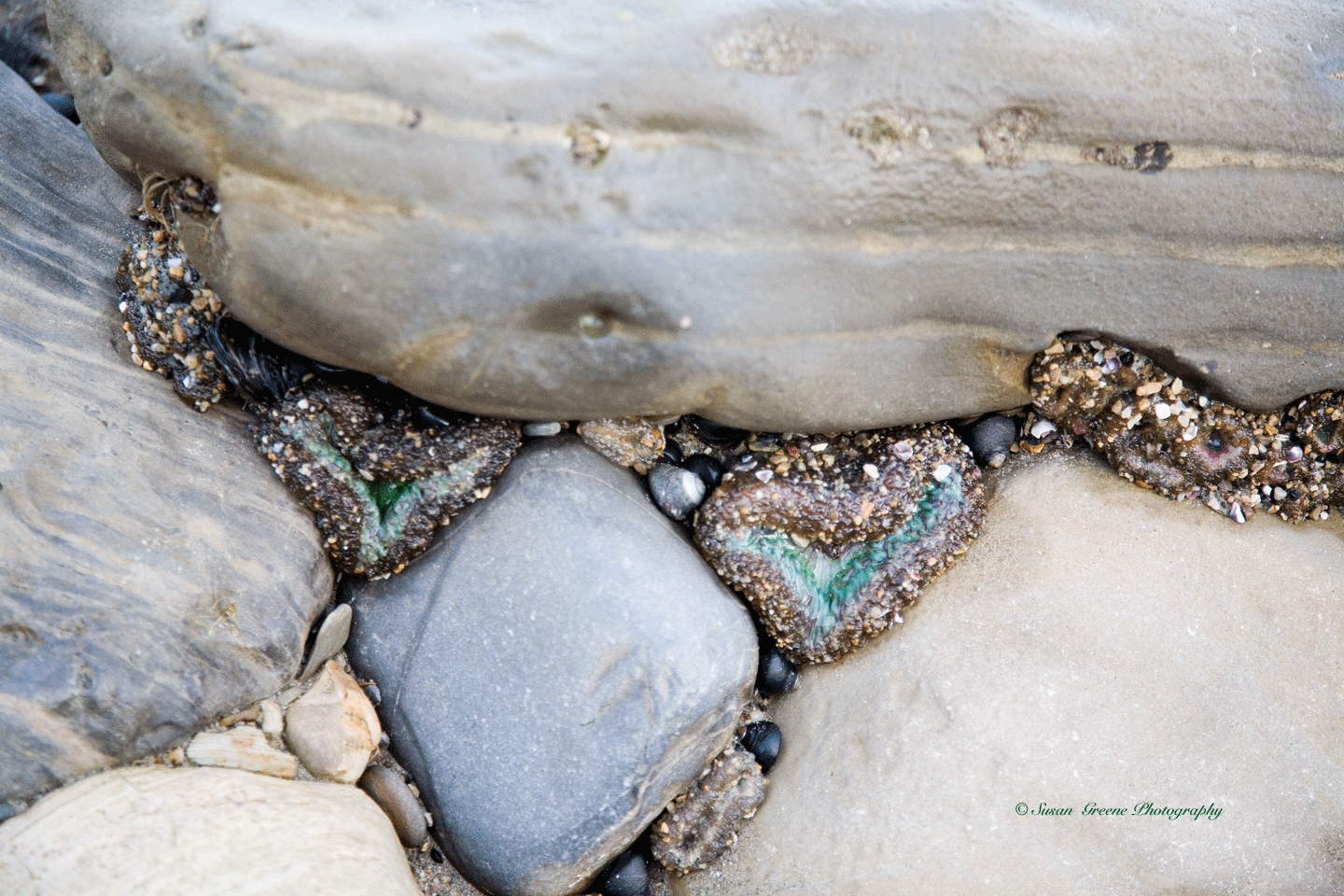
Since it was low tide, some areas in the tide pools were a bit dry and the anemones had closed. These two struck me by the possibilities of images they create!

It was an inspirational and exhilarating way to start the day and I am going to do that more often!  One thing I’ve learned from frequent trips to the beach; it’s different every time.