The Weekend Dish

The slow paddle toward change has already begun.

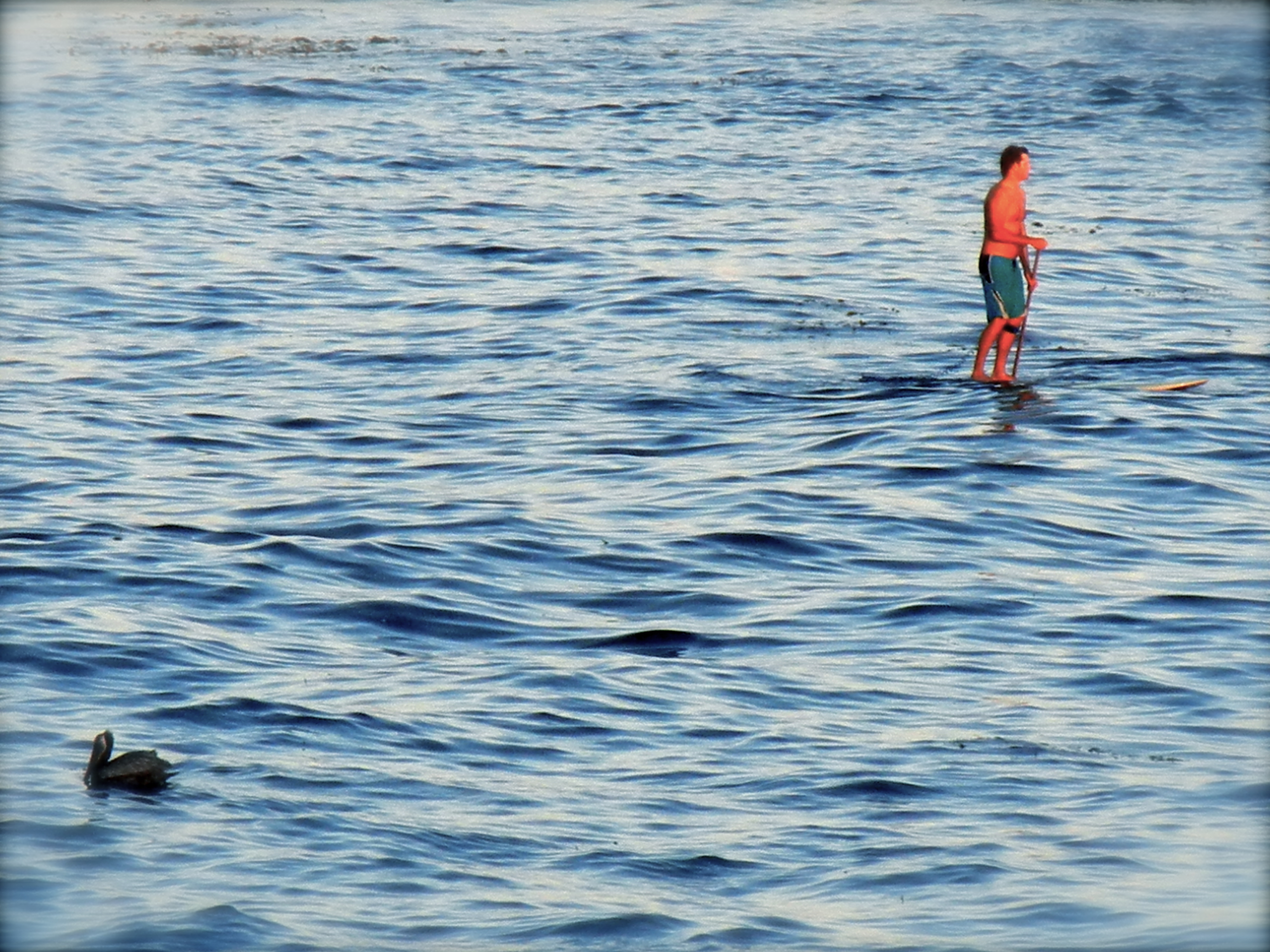
Diver’s Cove, Laguna Beach, CA

August traditionally means the warmest ocean waters of the year here in California, along with ripening figs on my backyard tree and plenty of afternoon sunlight for long bike rides.  But it also means a new slant in the shadows that whisper a shift toward that inevitable, all too soon, glide toward the golden fall.

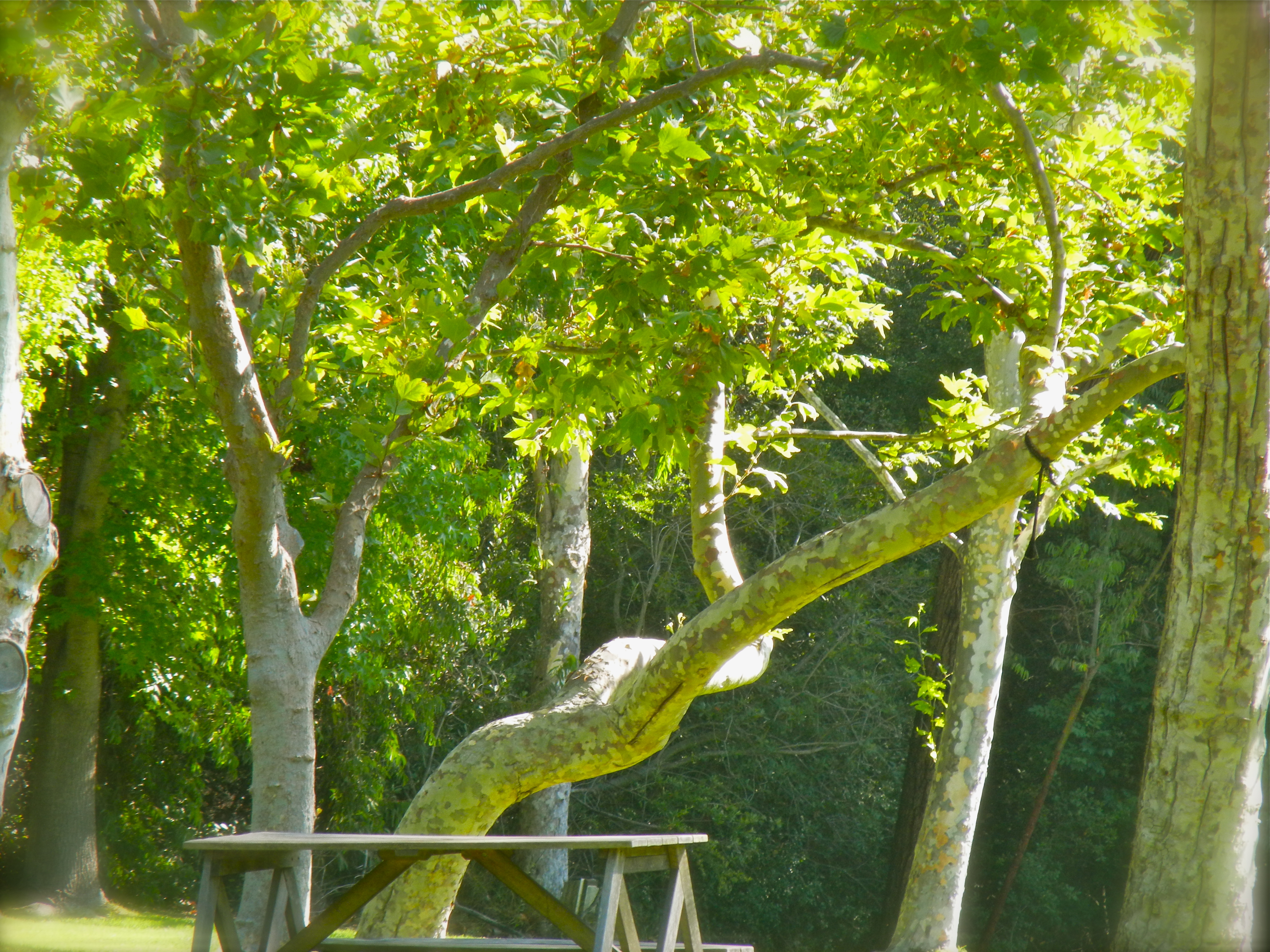
Chautauqua Park, Boulder, CO

When I look at my calendar, I see 24 more days left of summer vacation, but I this month also holds the day that school begins and I must return to the classroom to face dozens of new writing students.

If this time of year incites a yearning in you to return to school to hone your writing craft, but you’ve got no intention of beginning any sort of long term program, have you ever thought about embarking on a long learning weekend?   If poetry is your thing, I’ve got just the right event for you to consider in New York City.

Attend The American Academy of Poets 2012 Poets Forum from Thursday-Saturday, October 18-20.  There are no entrance exams to worry about and no minimum GPA requirements to sweat over, just some good old fashioned immersion into poetry and a little bit of planning on your part if you don’t live in the city.

Check out hotels.  Look for flight deals.  Act soon. If you register before Sept. 1, you get an all-events pass to the full three days of events for $95.  This includes readings by poets like Toi Derricotte, Naomi Shihab Nye, and Arthur Sze, and panel conversations like “Poetry in the Age of Social Media,” and “The Anxiety of Audience: Who We Write For, Real & Imagined.” There will even be poet-guided walking tours where you can “walk the same streets traversed by Walt Whitman, Marianne Moore, E. E. Cummings, Langston Hughes, and countless other poets. These poet-guided walking tours will explore the literary history of Harlem, the West Village, the Museum of Modern Art, and SoHo.”

For a full schedule of events, clips of past Poets Forums, and a link to purchase tickets, click here.

Embrace the summer, but remember what follows the long days of sun.  If your inner student begins to hunger, find ways to nourish the craving for wisdom.

With more sun than shadows,
~Catherine

Cherries and haiku

Did you ever get a second chance?

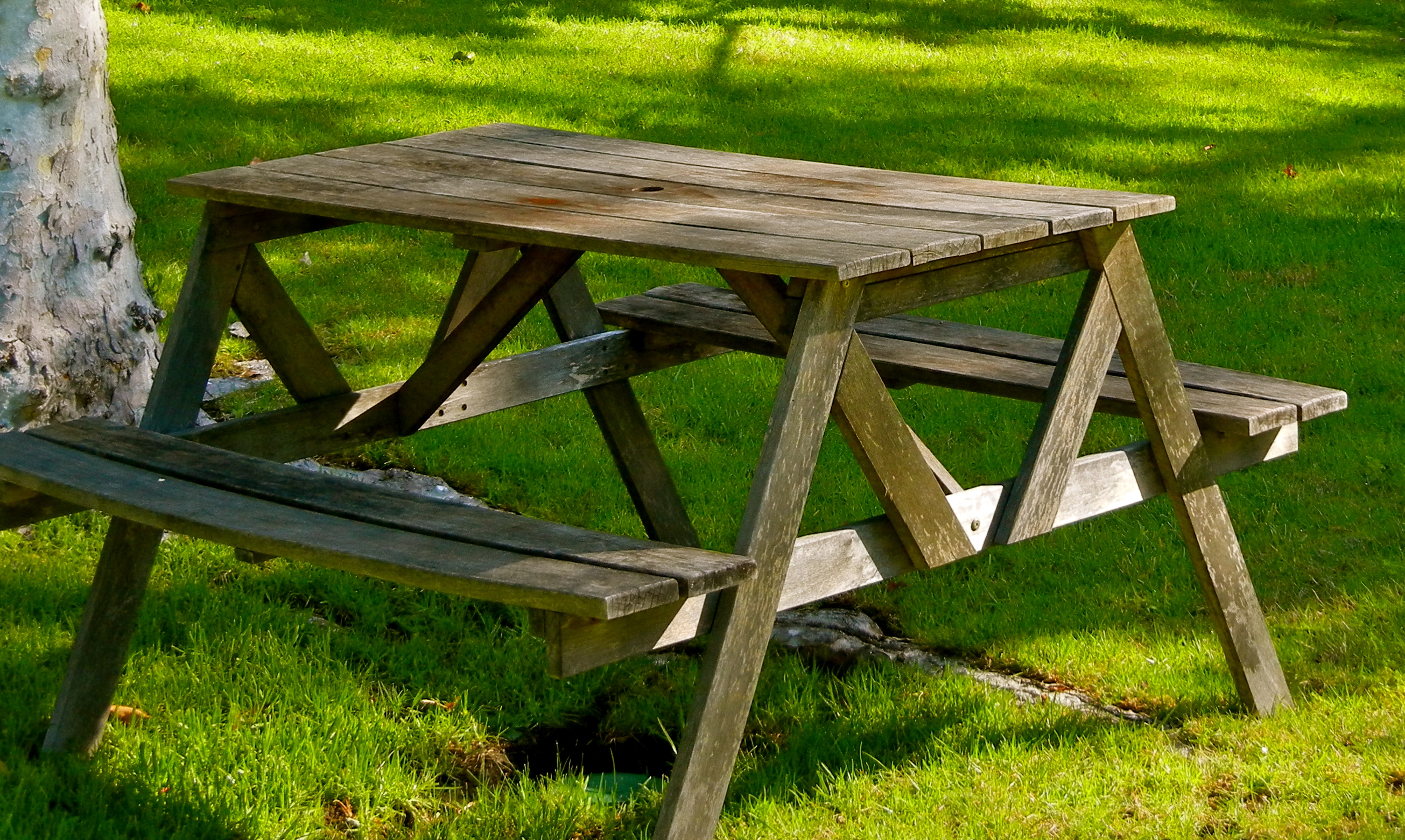
I still regret not stopping at the empty picnic table that appeared one winter day, out of the blue, along the path where I walk.  Rather than stopping to appreciate its rustic beauty, I planned all through the winter and spring to celebrate the summer solstice upon its refuge in the shade of an ancient oak.  But when I arrived in June, it had been destroyed.

Past tense and future crumble the present I was given and never received, I wrote about my disappointment.

And then today, straight out of the blue, like a mirage, I discovered another picnic table under a different nearby tree!

Does someone build these in the night and place them in perfect spots for strangers to find?  You can tell it’s not brand new by the lovely mottling and sag of the wood.


Where do these tables come from?

When given a second chance, it’s best not to stop too long to ponder the mysteries of how or why, so I reached into my heart’s pantry for joyous gratitude with a generous helping of urgency.  I coaxed Chester the white dog into a trot home where I gathered a bag of cherries, a pen, a journal, a book and an idea.

We returned and settled into the shady spot.

Lately I’ve been reading  Narrow Road to the Interior and Other Writings by Matsuo Bashō. There are many translations, but my favorite is by Sam Hamill.  The book begins with the line, “The moon and sun are eternal travelers…every day is a journey and the journey itself is home.”  That last phrase took me several readings to comprehend.

The journey itself… without continuing to walk this path I wouldn’t have stumbled upon the new table and without the disappointment of ignoring the first gift, I wouldn’t have paused to celebrate the second.   I love the philosophical soundness and evocative imagery of Basho’s haiku and one of my favorite poems of his came to mind.

Even woodpeckers

leave it alone—hermitage

in a summer grove

This could just as easily read “picnic table” as “hermitage.” Why do travelers on my path leave the picnic tables alone?  I love that Basho frequently posted poems for others to find.  I couldn’t resist this desire to leave a poem as he did “quickly written, pinned to the table.”

summer afternoon

empty wooden bench
sycamore extends her branch
kick off my shoes. home.

Did you use your gifts to celebrate a new opportunity today?

With gratitude and deep delight for your own second chances.
~Catherine

p.s. Visit the Poetry Foundation’s website here to read or listen to how other poets embrace the form. If you’re in the mood to write and enter a haiku contest, check out The Haiku Society of America’s “Harold G. Henderson Awards for Best Unpublished Haiku” here.  Deadline is Aug. 31, 201

Things I will miss someday

You, of course, Dear One,

And books made of paper.

I know this for certain as I pack my bookcases, preparing to move.  When I open my dog-eared copy of Barbara Kingsolver’s, Animal, Vegetable, Miracle, I discover a pencil-scrawled note in my own hand.

…overheard in Target at the checkout line by a little girl wearing a bee yellow soccer t-shirt.

“Can I start reading my new book in the car, Mom?”
“
No, Chelsea. No. Don’t ask me again.”

I write all kinds of things in books. Notes to myself. Things to track down.  Finding this jot immediately takes me back to that night in Target and how I almost touched Chelsea’s shoulder and told her she could drive home with me.  Realizing that would be an infintely eerie and highly misunderstood act, I inscribed her name instead and recorded these words in a book I hadn’t even paid for yet to remind me to speak wisely to my own daughter.

I wonder someday, when all the books are digital, where I’ll keep these memorandums.

It’s frontismatter – will that word become extinct? – and marginalia words recorded in another’s hand that I’ll miss even more when paper books have dwindled to near extinction.

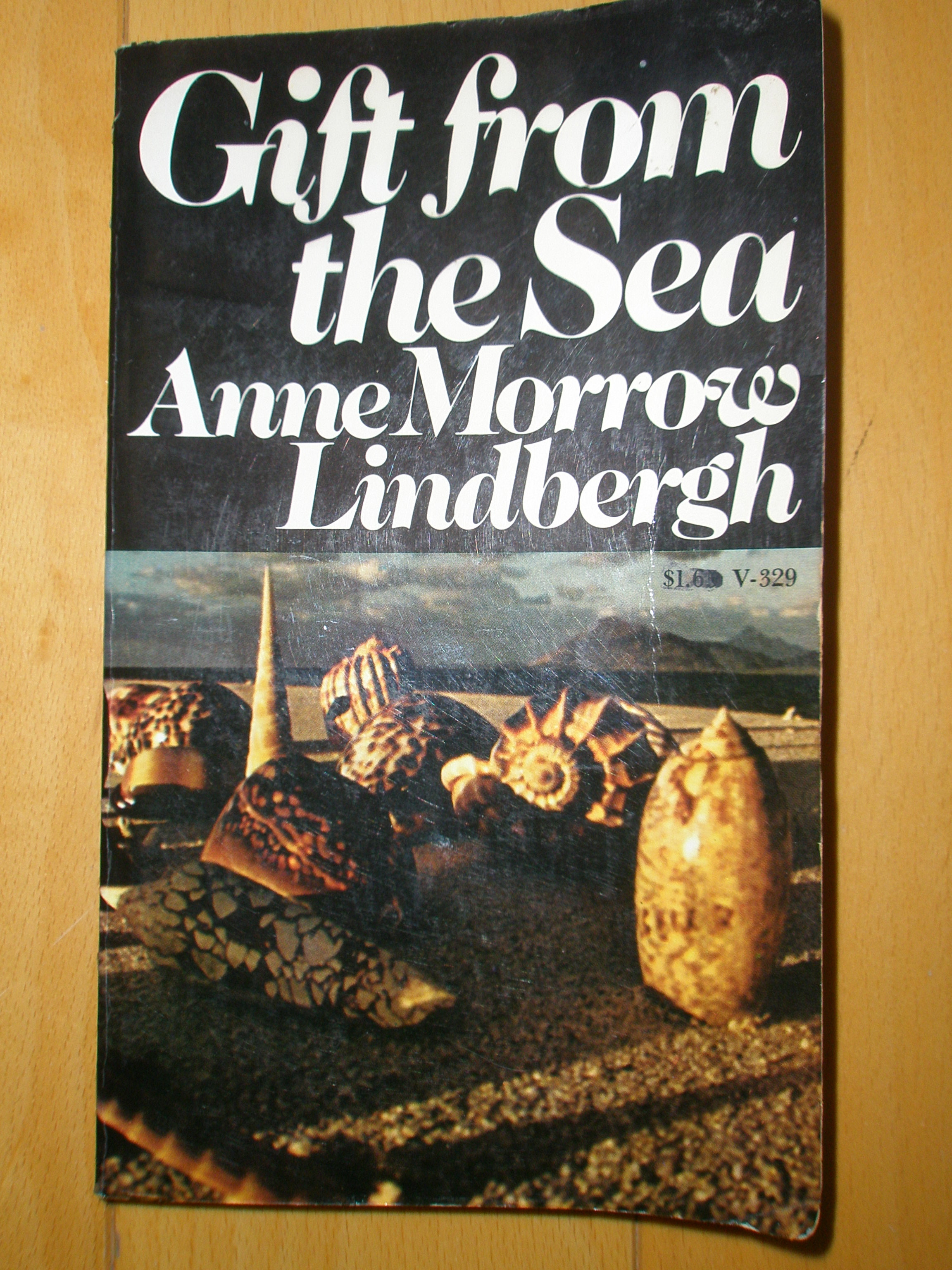
As I pack another shelf, I discover my mother’s signature, swirled in black fountain pen, on the browned and brittle first page of a 1965 Vintage edition of Anne Morrow Lindbergh’s Gift From the Sea. So many years after the lend I feel guilty that I’ve not returned it, but in exact opposition to the slow way I lost track of having her book, I immediately remember her words the day she pressed it into my hands.

“This is a lovely book for a woman in the middle of family life. I think you might enjoy it. I know I did.”

I read the book as grown-up daughter, not the seven-year-old I was when my mother read it first, and I wonder if this passage also began a slow shift in the river of her life the way it opened in me the possibility of finding rhythm, peace, and solitude in nature.

“…Woman’s life today is tending more and more toward the state of William James describes so well in the German word, “‘Zerrissenheit—torn-to-pieces-hood.’ She cannot live perpetually in ‘Zerrissenheit. She will be shattered into a thousand pieces.”

The wonderful thing about my mother is the graceful way she can guide without seeming to do so. So subtle was her influence that even though I own several editions of Gift From the Sea, and I’ve given it frequently as a present, it wasn’t until I found my mother’s copy, with her tidy penmanship on the blank first page, that I remembered who first introduced me to its beauty and its wisdom.  I also realize if I alone have kept it all these years, my sisters haven’t had a chance to read their mother’s treasure. Mea culpa, mea culpa.

Packing and moving can make a person feel nostalgic, but this longing for the permanence of pen and ink goes deeper than my desire to touch the same page as one I love.

Where will I find the croissant crumbs from that little boulangerie in Paris when I reread Baudelaire?

Where will I tuck the card or letter from my book’s giver and how will he inscribe upon the front, “Love, Dad.”

When I really really miss you, where will I find your chocolate fingerprints, or the sand leftover from your own sojourn one summer by the sea?

I suppose these things will remain alone in my memory’s cache or I’ll forget and never miss what I don’t recall.

Oh I suppose I could always write about them, but how would I find the time and words?

Imagine this in pen and ink,
C.


What’s the sound of mothers dreaming?

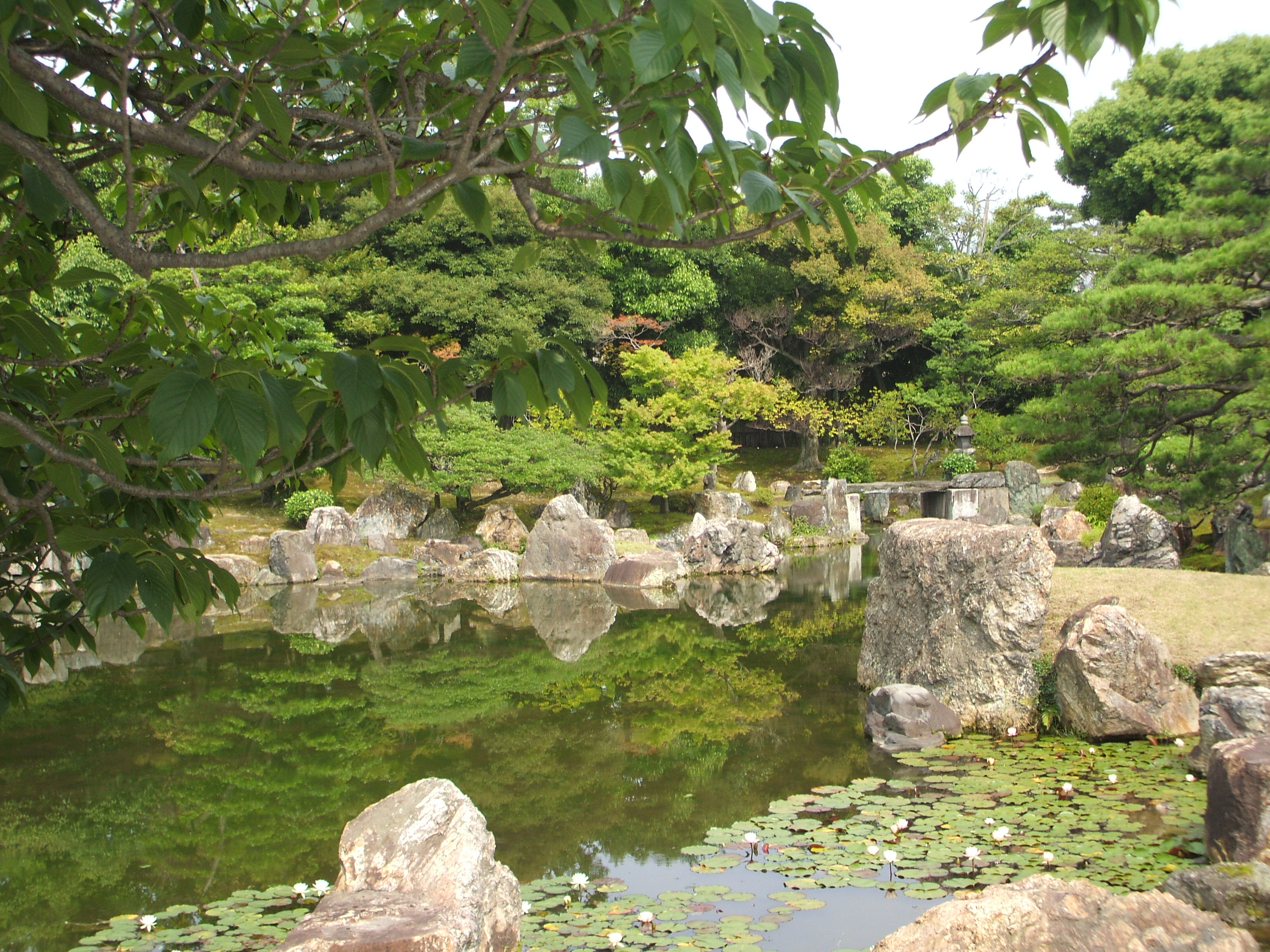
Nanzenji Temple Trees, Kyoto

The sound of my voice in silence makes only one mistake. So I’ll tell you about a small two-story grey house. Can you see weeds flutter among patches of dry Bermuda grass and a chain link fence encircling the front yard which is protected by a padlocked gate?

Imagine shadows, long and chilly. I’ve been here only at dusk for the hour when I used to teach meditation to young women who live at this safe house. They’ve fled abusive relationships. They’re pregnant, or have recently given birth. I’d like to say I exuded an aura of peace when I arrived, but the truth is my silver meditation chimes clattered against each other as I hurriedly picked my way between strollers, a red plastic tricycle, and the rocking horse that cluttered the front porch.

I was, am still, practicing the art of moving gracefully through the day. This class was my idea. I was new to meditation and felt its effects to be profound.  Like the first time I ate a lychee while traveling in Japan and discovered its seed buried unexpectedly beneath the rough bark peel and slippery ivory flesh, when I began to meditate, I found a deep kernel of peace enfolded in my heart and was surprised it lived there. Also, I discovered that when I was very very quiet I could hear my voice, the one that  sounds like the true me without any doubt or hesitation.

It seemed odd: me teaching women with one, two, or three infants or toddlers who barely have time to use the bathroom alone, never mind the possibility of finding solitude to meditate.  I told them that going deep within, to a quiet and holy place, might ground them and bring them peace. Sometimes I felt like I was offering peanut brittle to the toothless, but it was really all I had. Of course when my two children were babies, I’d found no time to center myself. Yet now, when I need it maybe less than I did then, I begin my day before dawn with an hour of reading, meditation and contemplative prayer. This stillness carries me through the day like a time-release sedative.  I reflect on many things, but my thoughts frequently turn to the concept of voice. Do I use mine enough?

One night, after class, I have this dream:

I doze in the sun on a plastic-strapped lounge chair next to a small apartment building pool with leaves and twigs floating atop the water.

Splash!  I open my eyes to see one boy, young enough to still have his milk teeth, smiling as he dog paddles in the shallow end.   “Dad!”  yells a high-pitched voice.  “Dad!  I’m over here.” A man waves absently at the boy and slowly picks his way around the pool deck littered with old chairs. 

The boy cannonballs off the side of the pool.  The father gazes at me, working a cigarette with his lips. He descends the pool steps and wades into the shallow end. 

I peer over the edge and see a dark shape at the bottom, like a balled-up baby doll of a lump.

I glance at the shallow end where the boy sits astride his father’s shoulders thrusting his fists into the air. But I can’t hear him any more. I look again and that thing on the bottom of the pool is still there. 

It looks like a baby doll. Oh please, let it be a baby doll. Precious oxygen time is wasting and still, I don’t dive in. I don’t want to be involved in death this afternoon, especially not the death of strangers. I will not jump in. Even as I say this in my head, I open my mouth.

“Help!”  I yell. There is no sound I scrunch my face and try again.

“HELP!” The boy jumps off his father’s shoulders and the father ducks below the water.

I look again at the shadow on the bottom of the pool. Deliberately I open my mouth wide. “Help! “There’s a baby on the bottom of the pool!” I’m yelling in silence.

Alone, I plunge into the cold water,  try to retrieve what I can hardly bear to touch. A body, rubbery.  And cold.  So cold.  She is cold.  She’s blue.  Dead. Then I shriek.  The man and the boy rush to my end of the pool.  I huddle over the body, shielding the sight from the young boy. 

I’m awake.  Straight up in bed. I’m screaming.  No sound comes out.

For many mornings, I sit in meditation with this dream. Of course I don’t tell the women at the safe house to sit with nightmares looking for answers.  In fact, I really don’t tell them much. I repeat the words of Buddhist monk, Thich Nhat Hanh.

Breathing in, I calm. Breathing out, I smile. Breathing in, I dwell in the present moment. Breathing out, it is the most wonderful moment. For one simple hour we concentrate on the gentle rhythm of breath. We drink in the blessed silence that happens when babies fall asleep in their mothers’ laps, safe, warm and full, sometimes working their lips as they suck in their dreams. I whisper the thought that this kind of peace can be recalled at other, less tranquil times, as a balm against anger or frustration or fear. Breath is always with us. Sometimes a hardness about the women’s eyes begins to soften. I tiptoe out when my hour is up, not wishing to disturb the mothers who’ve fallen into deep meditation, or sleep, themselves.

Shortly after my dream, meditation classes are cancelled. It has something to do with house counselors wanting more time for job skill training and Bible classes. Yet, I think often about the young women who live in that grey house, wonder if they remember anything at all about what I tried to teach them.  They never considered anything they were doing as remarkable. Not the courage it took to leave their abusive situations. Not the energy they poured into keeping their babies safe and working on a new sort of future.

“We’re just trying to breathe,” they’d say. Then they’d laugh like children.

If you want to begin meditation or deepen your spiritual practice here are some of my favorite book resources: The Energy of Prayer by Thich Nhat Hanh “When love and compassion are present in us, and we send them outward, then that is truly prayer.” Open Mind, Open Heart by Thomas Keating “The will is designed for infinite love and the mind for infinite truth, if there is nothing to stop them, they tend to move in that direction.” Or, if you prefer a quick how-to article, you can check out Sam Harris’ “How To Meditate.” Peace, C.
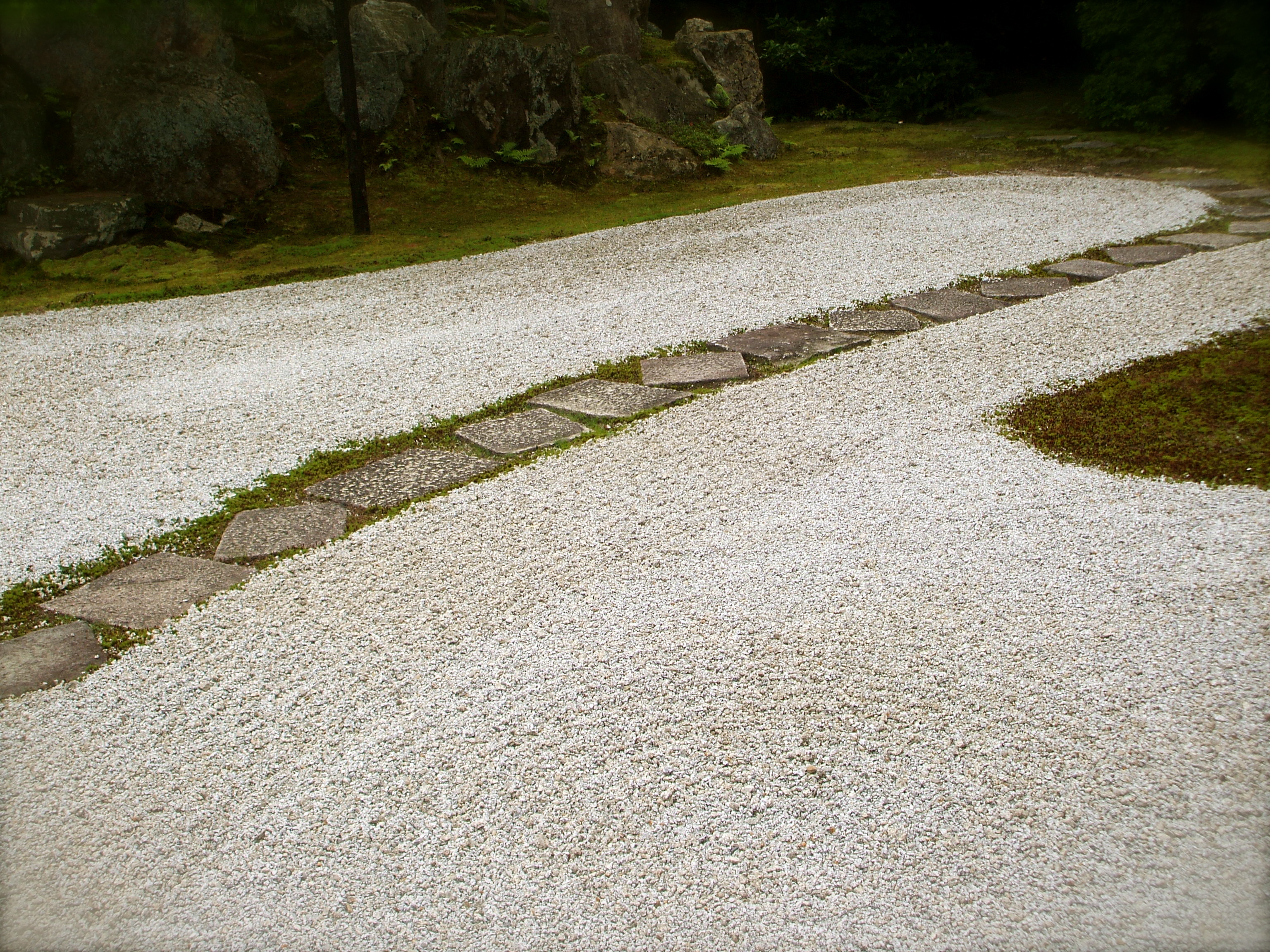
Zen Rock Garden at Nanzenji Temple, Kyoto
Dear one who sent me this note:

It’s hard to be confident in my writing when I read the works of geniuses like Andreï Makine or Irene Némirovsky. I read and I wonder if anything I write will ever be as good. But I’m trying to not be discouraged and to keep writing. Thank you again for all of your advice…
L.


To this, I reply:
Oh cher étudiant,

Do these words come from the same woman I once described in a recommendation letter as having an “abundance of intellectual curiosity” with “the ability for sound discernment?”  It’s so simple to recognize talent and bursts of greatness in another; nearly impossible to see ourselves reflected with pleasure.

You do know that “I’ll never be as good” is a refrain from your own Songbook of Fear and Despair.

If you write to surpass your literary ancestors you may succeed. Or, you may not.  But you’ll certainly grow a weed of discontentment because, wild word child, how will you measure that kind of benchmark? Will the yardstick be labeled “sales” or “critical acclaim” or “awards won?”

Is this desire coming from the same woman who once argued in a paper, “They Can Save Their Self-Righteousness for a Better Cause,” that critics might censure literature while not realizing it could be their own unfamiliarity with perspectives from societal margins which creates literary discord, rather than some artistic failing by the writer?

You will write from the heart, with developed technique, because you can’t sleep at night until you have your say. You will write and rewrite and rewrite again because you’re building your personal House of Words and “as good as” be damned because your work is yours alone crafted with all the voice and character that sings from your own sacred self-space.

When you feel faulty, write ten pages, twenty pages, and put them away for one month. When you think you’ve got nothing to say, look at what you once wrote and highlight the passages that still make you smile.  When you feel sorry for yourself, remember the great failures of your literary heroes: Némirovsky was accused of anti-Semitism in her work, and Makine “was growing desperate” to be published before his first work was accepted.

We’ll keep this correspondence just between us because someday, when you know in your heart that you are a writer, you’ll be startled by your insecurity.  I look forward to reading more of your work, even that which you can’t quite stand yet.

Speaking of reading, Makine’s new novel, The Life of an Unknown Man arrives in June.  Do you want to read it together?

Kindly,
A Woman of Letters

Butterfly Days

Butterfly by Susan Greene

I’m rereading The Diving Bell and the Butterfly by Jean-Dominique Bauby because I’ve just introduced it to my students.  You’ve never read it? You must. And no, the film is no substitute because watching a man with Locked-In Syndrome go throw the motions of surviving isn’t the same at all as holding in your hand the book that he transmitted, letter by letter, to his physical therapist by blinking his left eyelid.

“In my head I churn over every sentence ten times, delete a word, add an adjective, and learn my text by heart, paragraph by paragraph.”

Sparse.

Urgent.

Elegant.

It’s everything that good writing is and it never fails to inspire me to write a little more diligently.  Plus its wickedly funny at times.

Prescriptive, favorite chapters, in no particular order:

When I wonder if its worth the time to write a note to a friend, to carefully choose my words, to share the thoughts which well within and rattle my heart, rather than let them lay in the stall of my core, I turn to “The Vegetable.”

When I feel trapped, when I want to write what I dream and when I wonder if life is a dream and does that make dreaming as real as bone and none of this is metaphor, I read and reread “The Dream.”

When I want to be snide and sarcastic, even though I detest those traits but sometimes it seems as essential as breathing to point out stupidity, I remind myself to be more graceful and revisit “The Wax Museum.”

And speaking of museums, The Natural History Museum of Los Angeles, in our own backyard, opened its Butterfly Pavilion this week.  I haven’t gone yet. But maybe if you get a chance to visit you’ll let me know how it is.

Thanks for reading.  It’s alright to keep the back gate open and tell your neighbors to drop on by.
Ciao, Catherine