The Young Fathers and the Sea

“I believe that what we become depends on what our fathers teach us at odd moments, when they aren’t trying to teach us.”
~Umberto Eco

Fathers play harder than mothers. Mothers stand at the edge of the sea, snapping photos of fathers teaching the children that fun might include being roughed up by the ocean.

babyonsurfboard


I suspect mothers are secretly glad the fathers take this job. Children don’t whine when the broad-shouldered fathers take them out in water well over their head. Come on. You can do it. I’m right here.

happyswimmers

The children show off a little. Splash their dad. Swim away from him, then back. Cling to his neck.  I want to tell the children how this memory will imprint on their bodies. When they are decades older, swimming in the even deeper waters of life, they will recall a surge of power, an inner rush that feels like being a super hero, a whisper from one strong enough to hold you up. You can do this. Yes you can. Come on, I’m right here.

My father taught me, among many things, to body surf and ride waves with a bouncy rubber surf mat in the olden days before Boogie Boards. We roamed Hermosa Beach, Manhattan Beach, Newport Beach, La Jolla.  Family outings and vacations were frequently at the beach, always in the water riding waves on rubber mats.
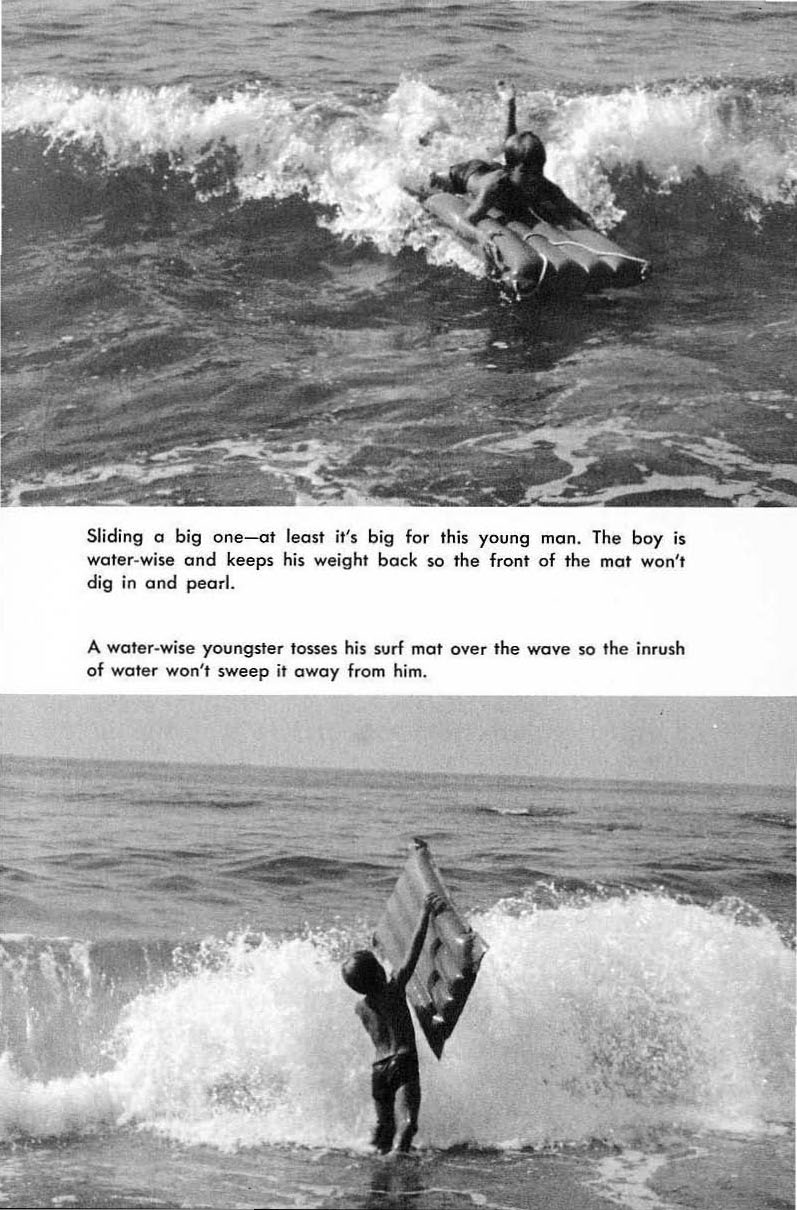
Ch11p137

How did my dad, a boy from upstate New York, learn enough wave riding skills to guide his four daughters through all the surf the Pacific could muster, including the most memorable session of all, riding the June, 1973 epic Newport Beach surf churned up by Hurricane Ava? When I ask my father a question, he responds.

In 1945  Richard J. (Dick) Beachman, Captain, USMC, took me, his ten year old second cousin, into the surf at  Pacific Beach, CA. He held class. “I’m going to show you  how to to swim out into the surf. How to use this piece of ‘gear’ to catch a wave and ride the wave onto the shore.” What he called “a piece of gear” was a mattress cover he had taken (his term was “I liberated it”) from the U.S. Naval Hospital, San Diego where he was being treated.  A Japanese sniper’s bullet went through his left hand as he waved his Marines forward during the battle for the island of Guam in July, 1944.
“First thing you do is wet the mattress cover in the surf so it’ll hold some air. Then, hold the open end toward the wind and let it fill up with air. At the same time tie the open end shut. Now you’ve got a big wet cloth balloon. Quick, wade out into the surf, look for a wave coming in. When you see one, turn your back toward the wave, put your arms and chest onto the cover and ride in onto the beach.”
Dick, my younger brother Kevin and I went ‘surfing’ several times. He always brought his ‘liberated’ mattress cover. But, in time he was discharged from the Marine Corp. Dick and his Navy nurse, Juna, fell in love, were married 62 years and raised six children. The mattress cover went with him, or them  —  or,  maybe, he returned it to the hospital.
Though Dick’ mattress cover disappeared I was hooked on riding waves onto the shore. it didn’t take long to learn how to body surf without artificial aid.  I enjoyed the sport for many years; a sport I shared with our four daughters.
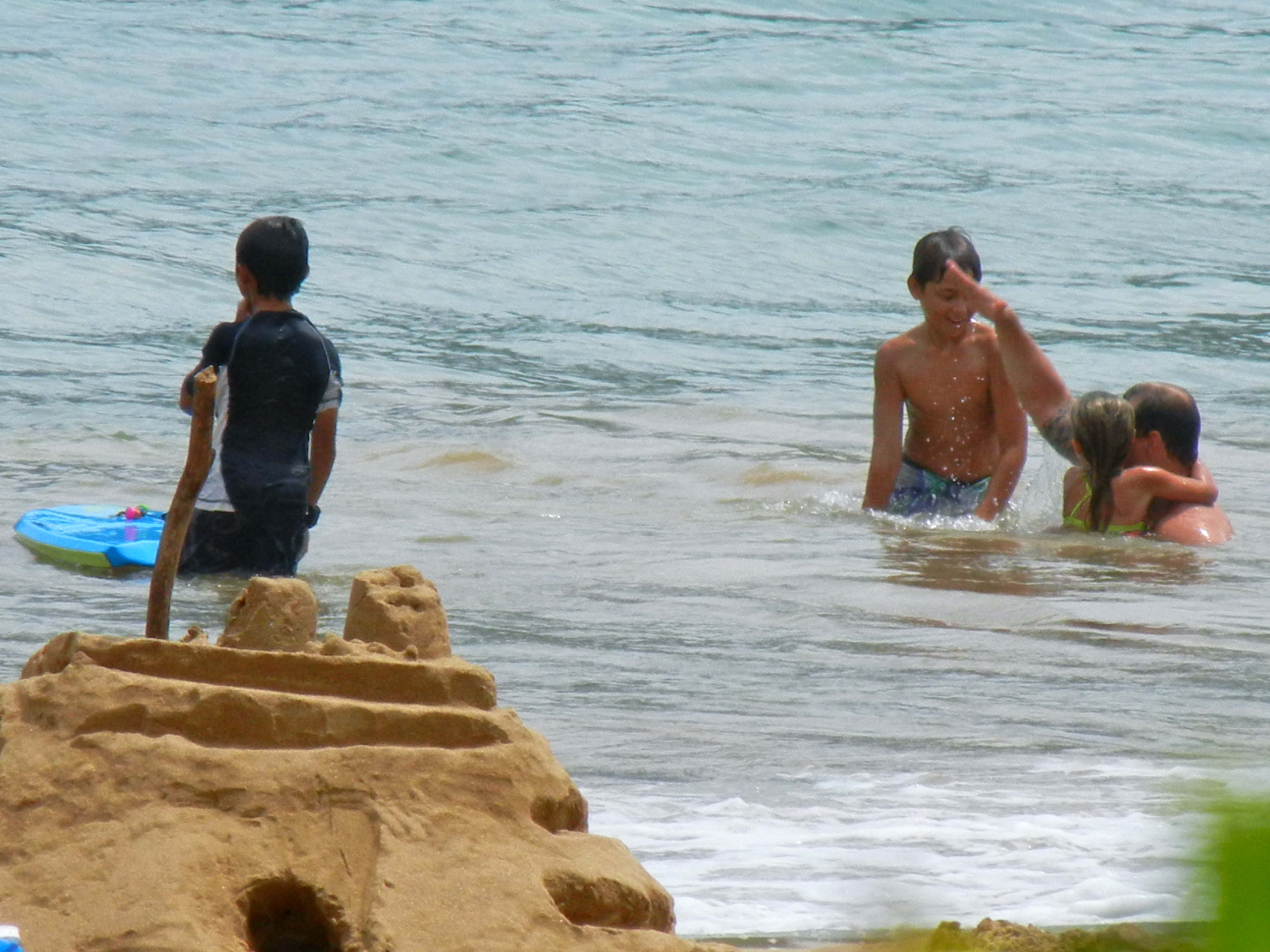
There are no photos of the young father with his four daughters in the sea because the picture taking job would have fallen to the mother, a woman unable to swim but determined that her children would learn, love, and thrive in the water. She wouldn’t have taken her eyes off the lifeguard, making sure he was doing his job watching us.
The lessons learned in the ocean have lingered with all the Backyard Sisters, proving to be as valuable in life as in the Pacific.
like this

Respect the ocean. Never turn your back on here. That isn’t the same as being afraid. Respect and fear both have a place in life and the wise know which is which.

Walk behind your children. They learn to lead but know you always have their back.

If your daughter crashes and burns, let her cry on your shoulder for just a minute, then remind her of all the way she succeeds.

It’s OK not to know how to do something, but it’s not OK not to try it.
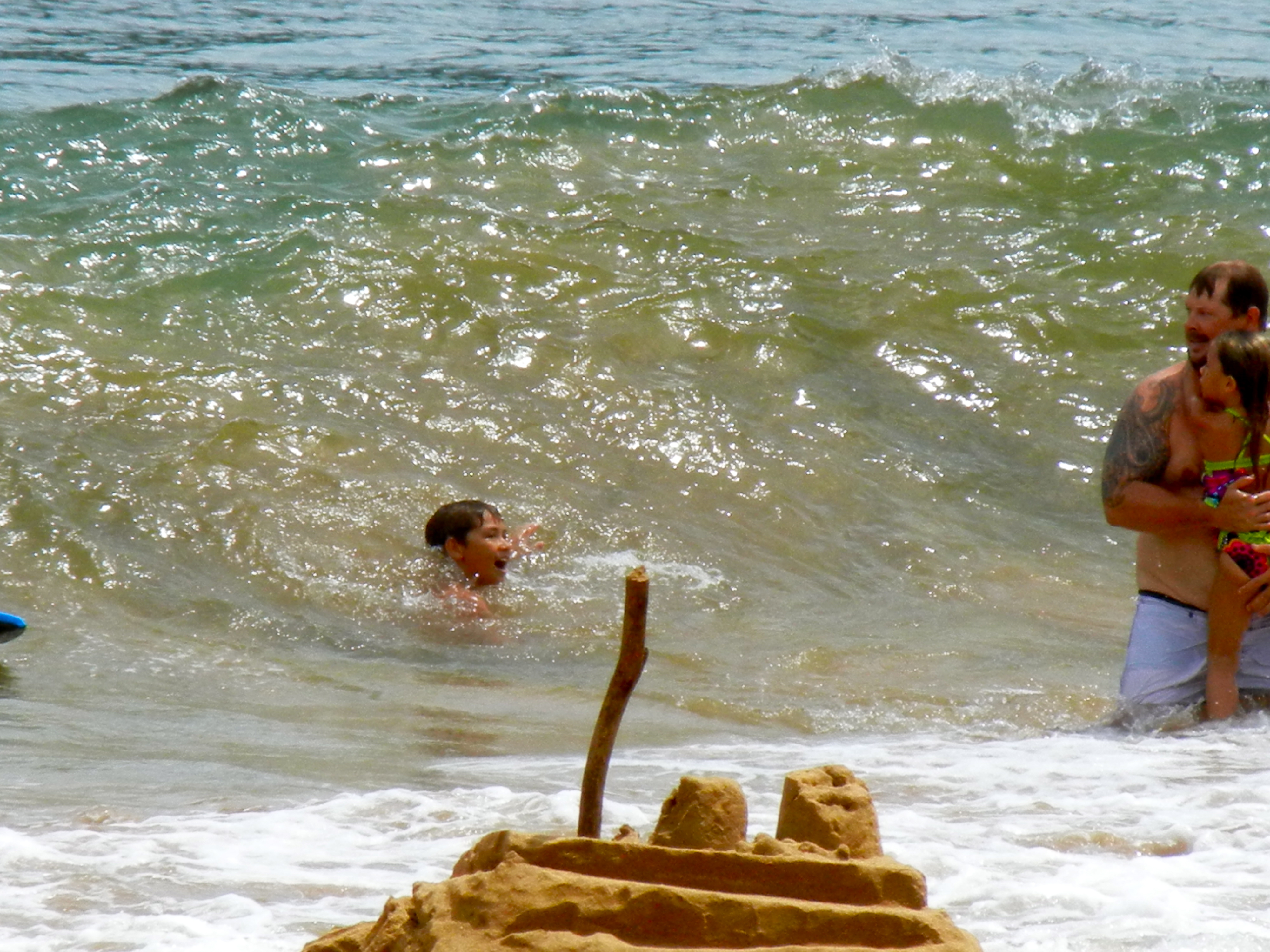
wave

The thrill of learning something from your dad will linger for a lifetime.

success

Thanks dad for making it seem like you were just playing hard with your kids in the ocean. I see now what you were really doing.

What memory will you share with your father this weekend?
With gratitude,
~Catherine

Wild thing

Coyote yips drift through the open bedroom window sometime before dawn. It’s May’s most consistent night song. Chester’s hackles rise and he growls low. I pull the sheet over my ears.

Regal ChesterChester’s been chased by a coyote three times. These aren’t the lean, mangy, skulking wild dogs of past years. This crop of fat boys trot across the trail. They sit. Cross their legs. Light a cigarette, pinky ring glinting in the morning glare before they chase.

First time it happened, J was walking Chester. He stood his ground, raised his arms and yelled “Stop!” When it was my turn at the wrong end of a coyote chase I did the same. The coyote cocked his head, tightened his silk cravat, emulated the Don Draper eyebrow lift and then slowed his pursuit to a model-like prowl.

Chester bolted, leaving me to walk backwards until I couldn’t see the whites of coyote’s eyes any more. A chilling sweep of goose bumps rose on my neck.

It’s not an option to stay indoors when this is steps from my backyard.

trail vista

But where there is prey, there are predators.

oh deer

Last night, I dream there’s a lion with full mane in my house, barreling down the hallway toward my bedroom.  I slam and lock the door, lean against the wood which cracks and creaks and splinters against my hand. I call out to J in his office. There’s a lion in the hallway! Shut your door!  He’s working on his computer and not paying attention and the lion pounces. I wrestle the lion, wrangle his scruffy neck and heave him out the office window which somehow overlooks a high stony cliff to the sea even though we’re nowhere near the ocean.

I’m sure it’s a dream inspired by recent sightings that frighten me more than coyotes. Yesterday when Chester and I walked, we heard a rustling in the oak grove at the bottom of the hill.

cool oak tree

The noise spooked us both, much louder than the familiar rabbit scurry or quail scuttle through dry leaves.  It sounded human-size, but stopped as we neared, the instinct of an animal.  Chester’s fur ruffled; he hush-growled and we turned heel, Chester wildly scanning the scrub oak lining the trail.  To one side stands a solitary oak  and within it we heard another great flurry of leaves overhead. I expected a hawk, a peregrine falcon, maybe even the screech owls that have taken up in the neighborhood but the shadow didn’t fly. It scampered down the branches, down the trunk, a shadow bigger than my dog.

It’s been about a month since J and I spotted a mountain lion off the trail about a five minute walk from this grove and a neighborhood association warning came last week.

A mountain lion has been seen in the Dove Canyon area.

The animal was picked up on cameras operated at Starr Ranch Sanctuary.

Additionally, this past week Dr. Don Earl of Lido Animal Hospital treated a greyhound that survived a serious attack from a mountain lion that climbed into the backyard of a home in Dove Canyon. The Department of Fish and Game is aware of the dog attack and has tips on its website should you encounter a mountain lion.

I read the “Keep Me Wild” tips.

  • If you encounter a mountain lion, do not run; instead, face the animal, make noise and try to look bigger by waving your arms; throw rocks or other objects. Pick up small children.
  • If attacked, fight back.

I don’t have a great track record with looking big. And I’m an awful thrower.  But I sing when I’m nervous and there’s one song that’s on rerun this spring.

This morning, I hurl lyrics, loudly, and yes, maybe dance and air guitar a bit on the trail. Chester didn’t seem to mind, but I might have some explaining to do to the woman who caught me coming around a blind curve. Last I saw, she was backing away, waving her arms to the sky.

With a song on my lips,
~Catherine
Gary Snyder wrote a spot-on poem about sensing the presence of a wild thing.
One granite ridge
A tree, would be enough
Or even a rock, a small creek,
A bark shred in a pool.
Hill beyond hill, folded and twisted
Tough trees crammed
In thin stone fractures
A huge moon on it all, is too much.
The mind wanders. A million
Summers, night air still and the rocks
Warm.   Sky over endless mountains.
All the junk that goes with being human
Drops away, hard rock wavers
Even the heavy present seems to fail
This bubble of a heart.
Words and books
Like a small creek off a high ledge
Gone in the dry air.
A clear, attentive mind
Has no meaning but that
Which sees is truly seen.
No one loves rock, yet we are here.
Night chills. A flick
In the moonlight
Slips into Juniper shadow:
Back there unseen
Cold proud eyes
Of Cougar or Coyote
Watch me rise and go.

Weekend Dish-Summer!

I know what you want.
Cherries. Peach juice dripping down your chin. Bare feet. Sandy toes.

Chair

You want 101 days of summer.
The countdown officially begins today. 5 p.m. Pacific Standard Time.

What will you do with these 2,420 hours, these 145,440 minutes, these 8,726,400 seconds of your one precious life?

There’s no way you’ll make a to-do list. You want a game.

Scavenger Hunt

Remember summer night scavenger hunts? You and your friends split into groups then set out in the neighborhood with a list? First one back with all the loot won?  Yeah. You’d like to try that again.

Take a photo of each of the 101 Days of Summer.
Post them on Instagram. Hash tag the photos with #backyardsisters_101days

Ready. Set. Go!

Epic BBQ

1. Perfect your go-to summer barbecue meal.
2. Learn a new grilling technique. For a great veggie grilling video, click here.
3. Invite a new neighbor for dinner.
4. Eat outside. Every night. Unless there’s thunder and lightening.
5. Eat by candlelight. Every night. Outside. Unless.
6. Sit on the grass with your dog’s head in your lap.
7. Watch fireflies.  If you catch them in a jar, be sure to let them out before you go to bed.
8. Learn 5 new objects in the night sky.  The free app SkyViewFree uses an i-phone’s camera as viewfinder.
9. Plan ahead to find a dark viewing spot for the Perseid Meteor Shower, August 11 and 12.  You’ll catch the summer’s best display of shooting stars. More info here.
10. Make your own ice cream. You don’t even need an ice cream maker. Check it out here.
sunset

11. Stay up late.
12. Get up early. Photograph your days.
13. Learn the names of 5 birds in your neighborhood.  The Cornell Lab of Ornithology has an amazing library of birdcalls. Link here.
14. Take your morning beverage on the porch, patio, or near an open window.
15. Prop your bare feet on a ledge.
16. Plant one living thing, even in a small pot if you don’t have a yard.
17. Plant something you can eat. A few green onions. Parsley. One tomato plant.
18. Visit a farmer’s market.
19. Take home something you’ve never eaten before.
20. Eat it.
21. Learn to make the perfect margarita or mojito or favorite frozen treat.
22. Invite neighbors over to help you drink it.

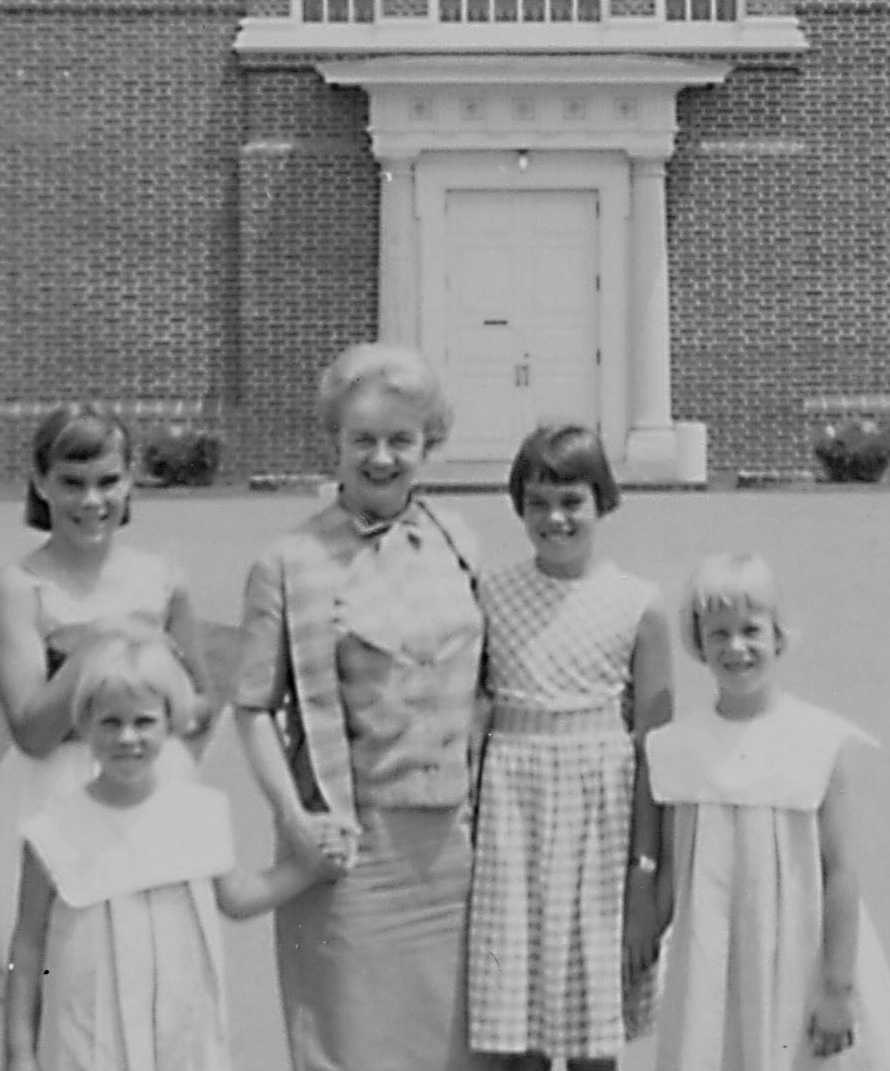
Gammy and girls

23. Visit your mom and dad.
24. Look at photos from childhood family vacations; yours and theirs.
25. Record favorite memories either on video or audio.
26. Visit your children.
27. Look at photos from family vacations; yours and theirs.
28. Record favorite memories.
29. Create a family yearbook of photos.
30. Do one thing that scares you.

get wet

31. Swim in a natural body of water.
32. Cannonball into the deep end of a pool.
33. Play Marco Polo.
34.  Learn one new water skill: surfing, body surfing, paddle boarding, water ballet moves.
35. Teach your new skill.
36. Pick fresh blueberries.
37. Make a summer fruit cobbler. For the Backyard Sisters favorite cobbler recipe, click here.
38. Eat dinner on a blanket under a tree.
39. Walk after dinner through town or your neighborhood.
40. Listen.
Waimea
41. Hike a new trail.
42. Learn the names of 5 new native plants in your region.
43. Visit 3 new state parks. The rangers there will know the names of the plants.
44. Take a new friend with you.
45. Volunteer for a park clean-up day.
46. Tune your guitar, your piano, your cello, your drum, your voice.
47. Learn one solid song.
48. Lose your inhibition.
49. Make a campfire.
50. Sing under the stars.
51. Make s’mores.
52. Sleep under the stars.
53. Learn how to remove ticks from your dog. (Same concept applies to humans.) Great video here.
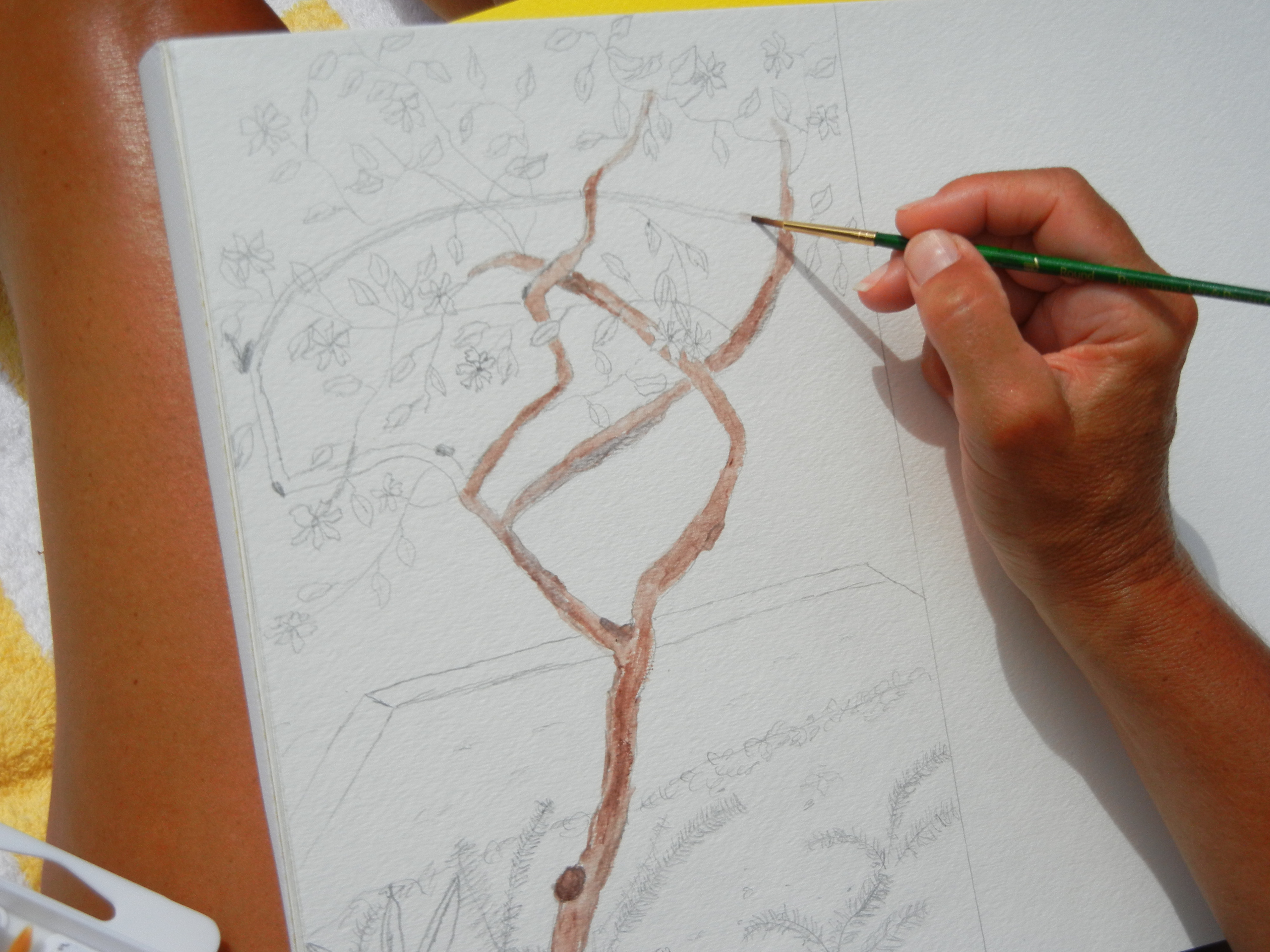
Art

54. Sketch, photograph, or journal what distinguishes your local ecosystem from others.
55. Learn 5 edible plants.
56. Learn 5 poisonous plants.
57. Learn to pack lightly.
58. Learn to clean up after yourself.
59. Learn to read a map.
60. Get lost.
61. Go to a car show.
62. Attend your state or county fair.

stevenson quote

63. Submit something: homemade beer, photography, literature.
64. Hold hands on the Ferris wheel.
65. If you win a giant stuffed panda, give it away to a neighborhood kid.
66. Visit the booths with prize-winning pies and jams and wines.
67. Congratulate the blue-ribbon winners. Ask one fine question about their process.
68. Hear an outdoor concert.
69. Watch an outdoor movie.
70. Wait for the Milky way.
71. Visit your local library.
72. Remember summer reading when you were a kid? Check out ten books.
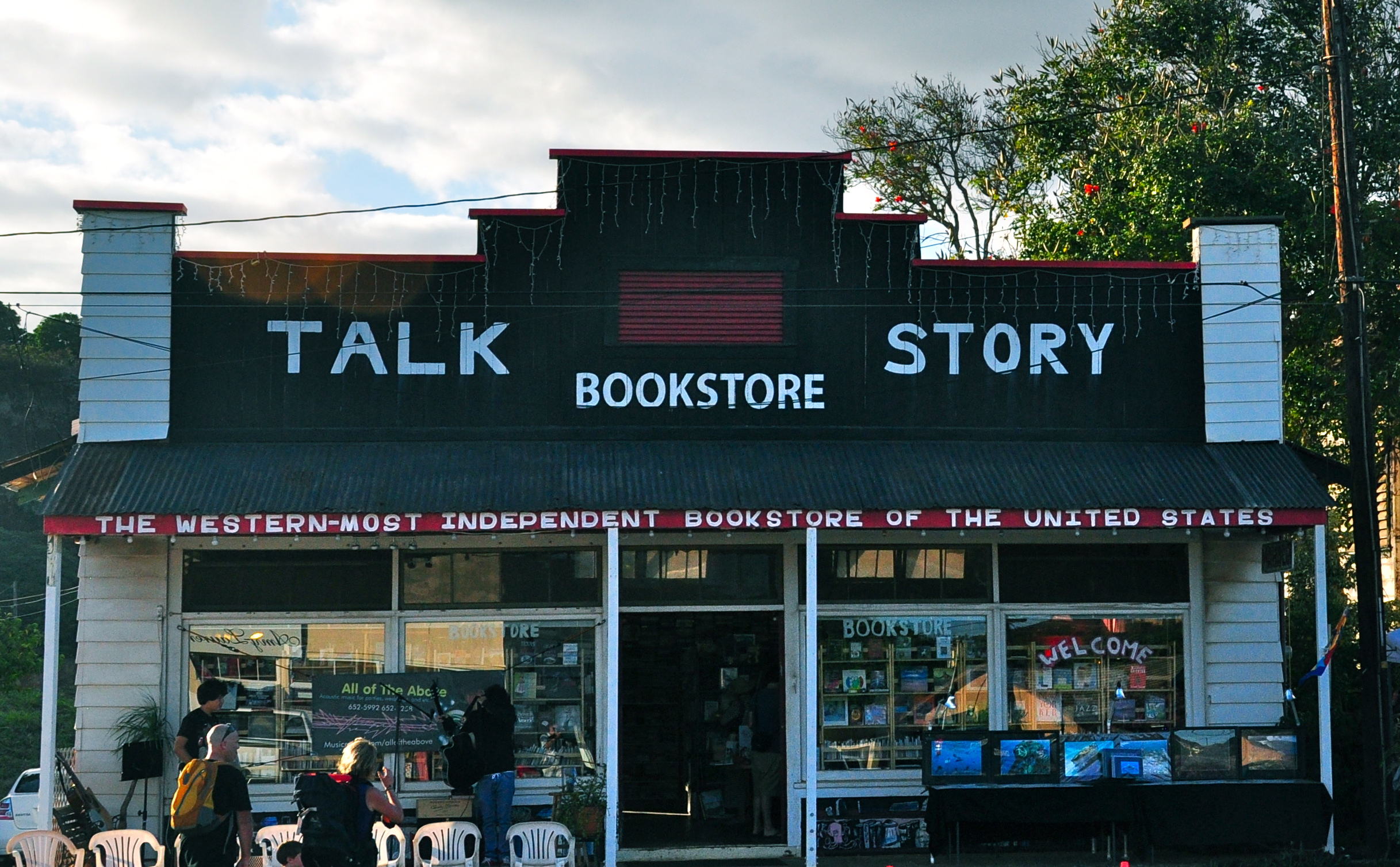
73. Visit an independent bookstore. Buy one thing.
bookstore

74. Hear a live author reading.
75. Thank the author in person.
76. Perfect one aspect of your craft: Great openings. Killer closings. Trimming the fat from word count.
77. Slow dance under the Full Flower Moon on May 25.
78. Sip strawberry wine under the Full Strawberry Moon on June 23.
79.  Dance with abandon under the Full Thunder Moon on July 22.
80. Fish under the Full Sturgeon Moon on August 20.   For full moon name meanings, click here.
81. Invite neighbors over for a pancake breakfast.
82. Visit the housebound neighbor who couldn’t come.
83. Bring flowers, or stories, or one of your photos.

all birds and sand

84. Call your grandmother or grandfather or aunt or uncle or long lost cousin.
85. Tell them about the trees and birds and stars. Ask about the view from their window.
86. Ask about their favorite summer memory.
87. Remember to return your library books.
88. Lie on your back on the grass and watch the clouds.
89. Swing.
90. Swim again. Again. Again.

balcony art
91. Travel.
92. Learn five bits of history about one place you’ll visit.
93. Read before you go.  You can find a literary companion for more than 20 destinations from Whereabouts Press where the mission “is to convey a culture through its literature.”
94. Attend an outdoor art show.
95. Bike ride. On a beach cruiser. Along the beach if you’re lucky.
96. Learn hello, goodbye, please, thank-you and I love you in five new languages.
97. Learn how to come home.
98. Harvest and eat your one small thing standing barefoot on your own patch of ground, balcony, stone or wood.
99. Cut flowers from your yard. Take some to your neighbor.
100. Send an old fashioned hand-written note, with some herbs or fragrant leaves.
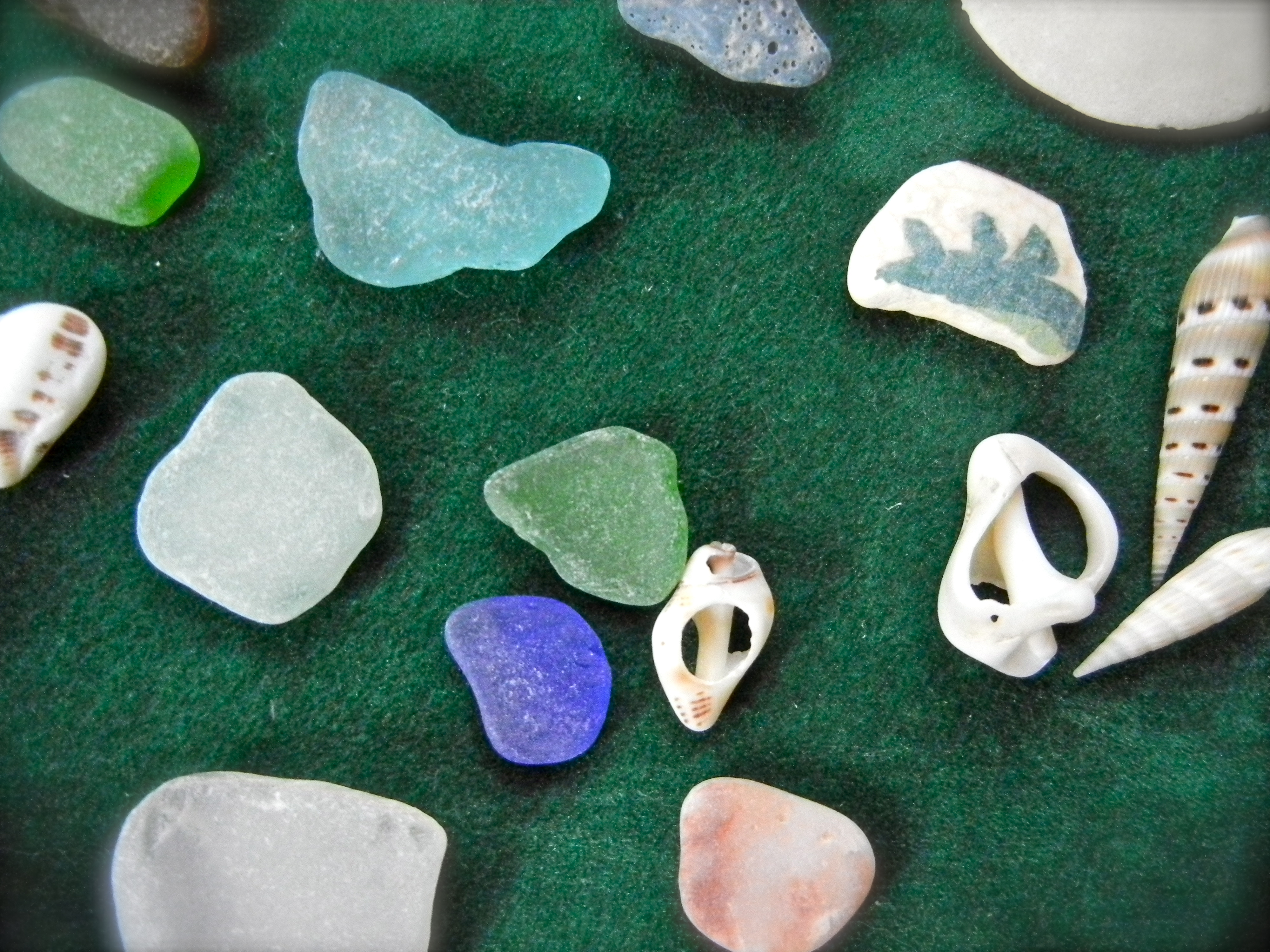
101. Set 5 small items – a shell, a rock, a poem – from your summer on your desk.

DSCN2585

Last one done is a rotten egg.
~Catherine

You get what you need

Of course you can’t always get what you want. But one Wednesday night in the middle of a perfectly ordinary week you might get this:

The Rolling Stones: Forceful

Photo credit: Genara Molina, Los Angeles Times

If Mick and his pals aren’t too old to keep rocking, then I’m not too old for my first Rolling Stones concert. It’s not like I didn’t like live music the first time I wore a suede headband with feathers and beads. I sat so close to Elton John at the Inglewood Forum in 1974 that he took my hand and mouthed thank you for the hand scrawled “Elton Babe I love you!” poster I passed over the rail to him. I stayed on my feet all night long for The Who, Jethro Tull, Fleetwood Mac, David Bowie, Neil Diamond, Joe Walsh, and the Beach Boys enough times to be considered a groupie.  I’ve even seen Kanye West in concert. But The Rolling Stones? Not so much.

Why now? Falling for those skinny boys from Bloody Old took a long slow burn. Maybe it started at a frat party or a wedding when the fastest way to get everyone onto the dance floor was to blast “I (Can’t Get No) Satisfaction.” Boys shouted the words feeling misunderstood and restless as under-loved mongrels while we girls echoed the lyrics a hey, hey, hey, tipping our shoulders just enough to promise that maybe this would be the night that the “girl reaction” would be satisfying indeed.

When things ended badly “Get Off of My Cloud” gave us the perfect chorus to hitch up our thumbs and sing out at the top of our lungs of a serious need to be alone. If the Stones wanted a little space, “’cause two’s a crowd,” we did too.

Decades pass like dandelion dander and we find ourselves once again in the age of frequent weddings – this time our friends’ children. Any event with music and a dance floor  – cheesy New Year’s Eve parties, milestone birthday bashes, charity parties and backyard barbecues – is guaranteed to have a band covering epic Stones tunes or a DJ spinning them.  “Brown Sugar,” “Let’s Spend the Night Together,” and “Emotional Rescue” still pack the floor with lip-synching, lyric shouting dancers of our age, yes, but also children and grandchildren who know this music as well as their own. These songs are in our bones the way the ocean is.

I finally had to see The Rolling Stones with my own eyes, had to be in The Honda Center, Section 202, joining the roaring crowd of bleached blondes wearing ripped black and white striped pants and red sparkly circus shoes, of long white-haired ponytailed men in tye-dyed t-shirts, of a pink twirly skirted little girl holding her grandmother’s hand, and strangers on a first date, a dad taking his big brown-eyed daughter to her first concert – He’s the best dad ever! We all wanted to see the original before a man who’s “got the moves like Jagger” is all that’s left.

lights and mouth

Watching Mick Jagger, Keith Richards, Ron Wood, and the entire cast of characters that create The Rolling Stones “50 and Counting Tour” feels like standing on shore watching winter waves ceaselessly crash toward you. It’s an unstoppable force of nature that miraculously transcends time. I don’t feel so bad now that my rarely modernized dance moves pinpoint, like some sort of carbon dating science, that my teenage coming-of-age happened in the early 1970s. Mick still dances the same too.  Footage of Rolling Stones concerts is prevalent enough for the gyrating, wiry, clapping, finger waving, prancing, Jagger to be unsurprising. Yet when you are there miles further away than a TV camera close-up and you can still feel the power of the man then you wonder why you stayed away so long.

As the band tore into its signature concert-closing song, I peeked over at J as he pumped his right fist to the roof of the arena shouting along.  “I can’t get no-oh satisfaction.” Our eyes caught. I tipped my shoulder back just a bit and smiled before offering up a little hey, hey, hey to the rafters.

With fuzzy ears,
~Catherine
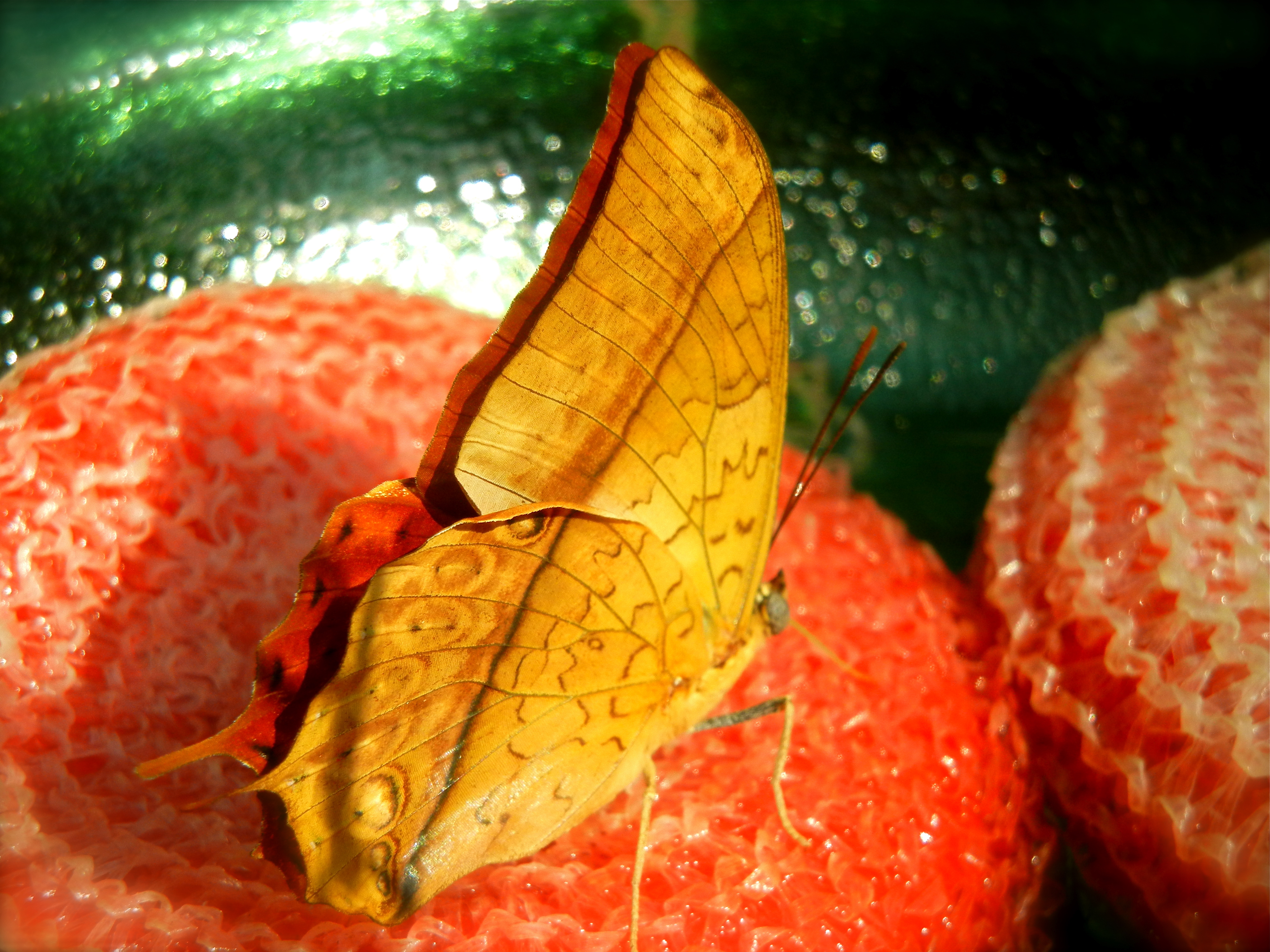
p.s. Genara Molino, photographer for Los Angeles Times captured far better photos than I could get from my seat in Section 202; view his slideshow here. But, from his fancy spot near the stage, he missed one thing.

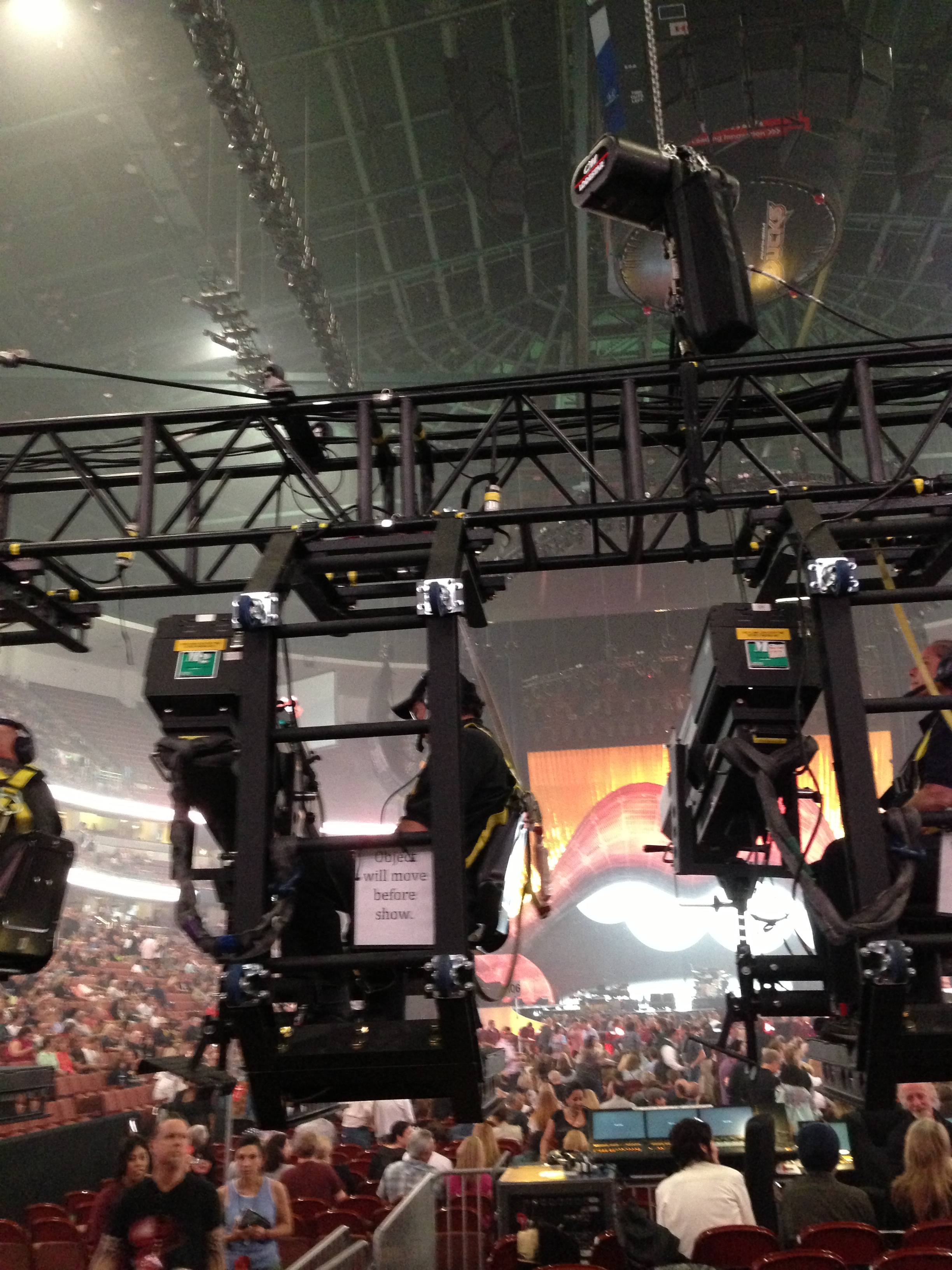
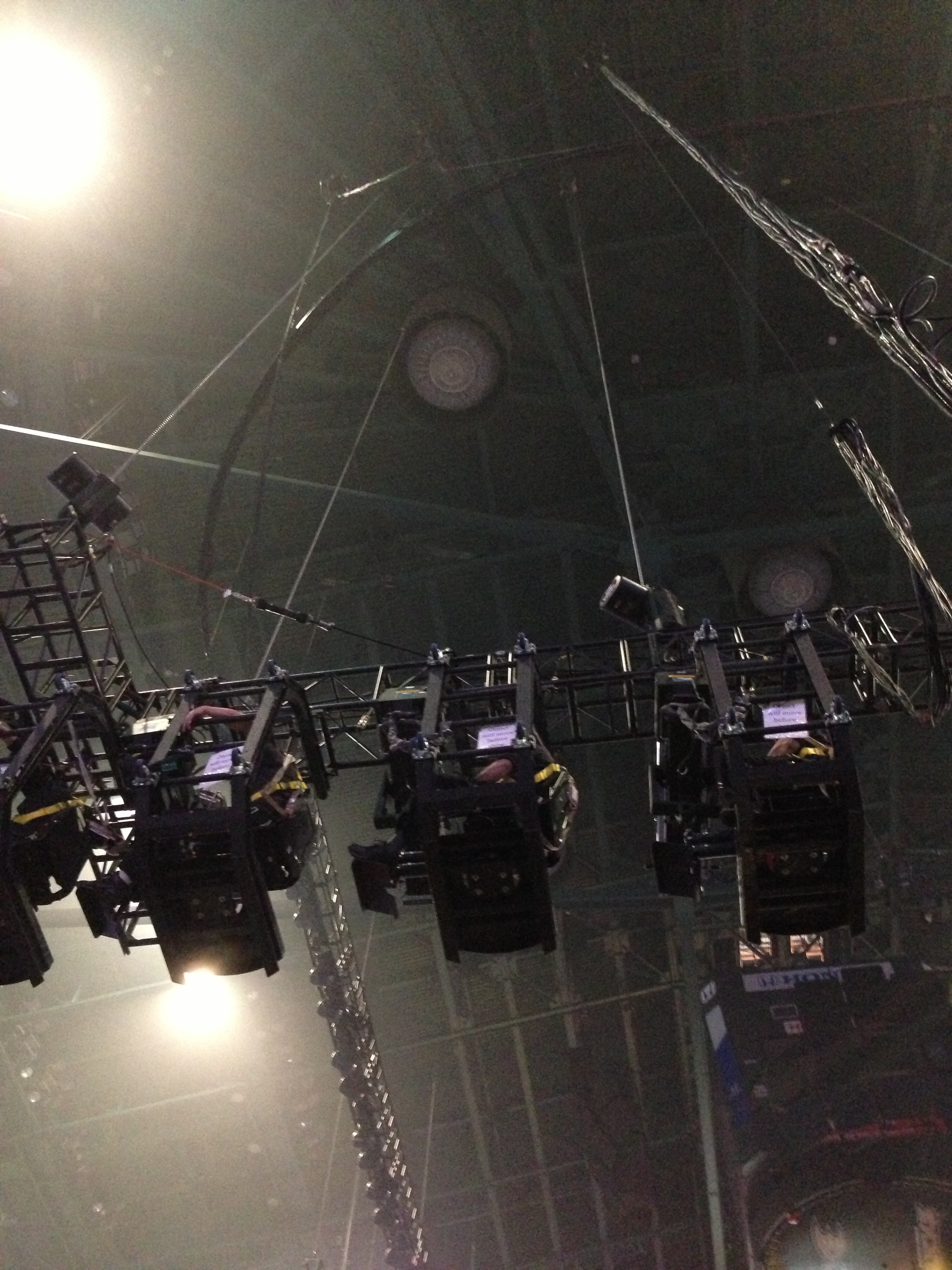
A cool thing about arriving early was the chance to watch the spotlight team ascend from the back of the floor seats, right in front of sections 201 and 202. These guys spend the concert suspended by cable providing spots for the musicians.

light boys start

Object will move before show.

light boys up high

Indeed. On their way to the ceiling.

Touchstone

I am drawn to certain empty things like urns and skies.
I abhor other barrenness, like empty promises or hearts.

I rail against the empty life. Fill it with books, philosophies, a deep well of love.
I protect certain empty hours. Create a space for dreams and meditation, staring into spring.

EdenMy backyard before I moved

When I am on the abandoned beach, I miss you.
When I am deserted, I miss my beach.

Patterns emerge against emptiness.
Sound breaks silence.
Silence relieves talk.

Knit one. Pearl two. Add one. Drop a stitch.

My grandmother used to mutter directions for a sweater or scarf she was knitting.  If the pattern were disrupted she’d have to rip the stitches out.

You can unravel yarn but it always shows the kinks of where it’s been.
If you don’t know how to knit, what do you imagine?

DSCN2735

Backyard Sisters’ mom and dad

A pattern emerges against the emptiness.
Knit two. Pearl: One.
Now isn’t that a fine direction?

~Catherine

p.s. Maybe you like to read. I do. Maybe you like to knit. I don’t. Either way, a rather interesting book crossed my path. Literary Knits: 30 Patterns Inspired by Favorite Books,by  Nikol Lohr, is a book about as self-explanatory as its title.

9781118216064_cover.inddLohr has created knitting patterns for clothes items for women, like the Daisy cloche inspired by F. Scott Fitzgerald’s The Great Gatsby; for men, like the Gregor sweater inspired by Franz Kafka’s The Metamorphosis; and for young girls, like the Anne Shirley dress inspired by Anne of Green Gables by Lucy Maud. If knitting is your thing, or if you want to see one yarn artist’s rendering of a word artist’s description, check it out.

Admirable use of the concept of patterns in literature I would say.

Give me a break

Sometimes I have an urge to use big words I don’t yet know the meaning of, or better yet to make up new words to describe certain perfections, like this dawn when the sun rose into a fog-shrouded sky at the exact moment the mist receded. For one instant the dark flared – gilded with stars – then gave way to morning.  The camera was no match, nor really is this description.

I’ll remember the moment, keep working to get it right. And then I’ll drub it up against something rugged to set the beauty in relief. “No threat, no poem” is a truism we poets abide and practice and teach. As Dave Smith writes in his essay “St. Cyril’s Dragon” The Threat of Poetry:

Great art intends threat…The good poem destabilizes, unbalances, stirs up, digs down, demands feeling in exact circumstances…No poem succeeds without threat, implied or explicit. Threat manifests what is important to know. Threat engineers the struggle of self to come into being.

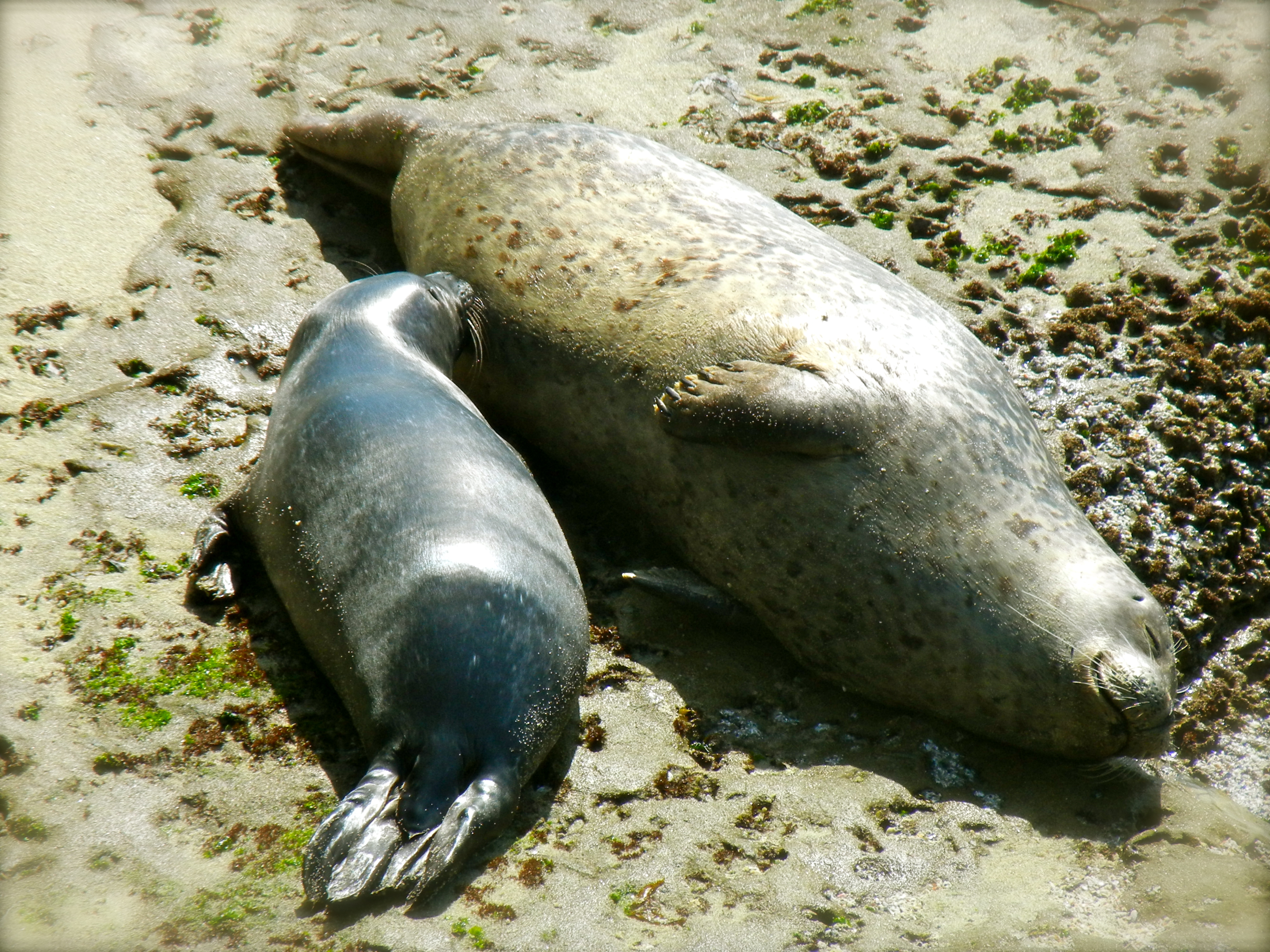
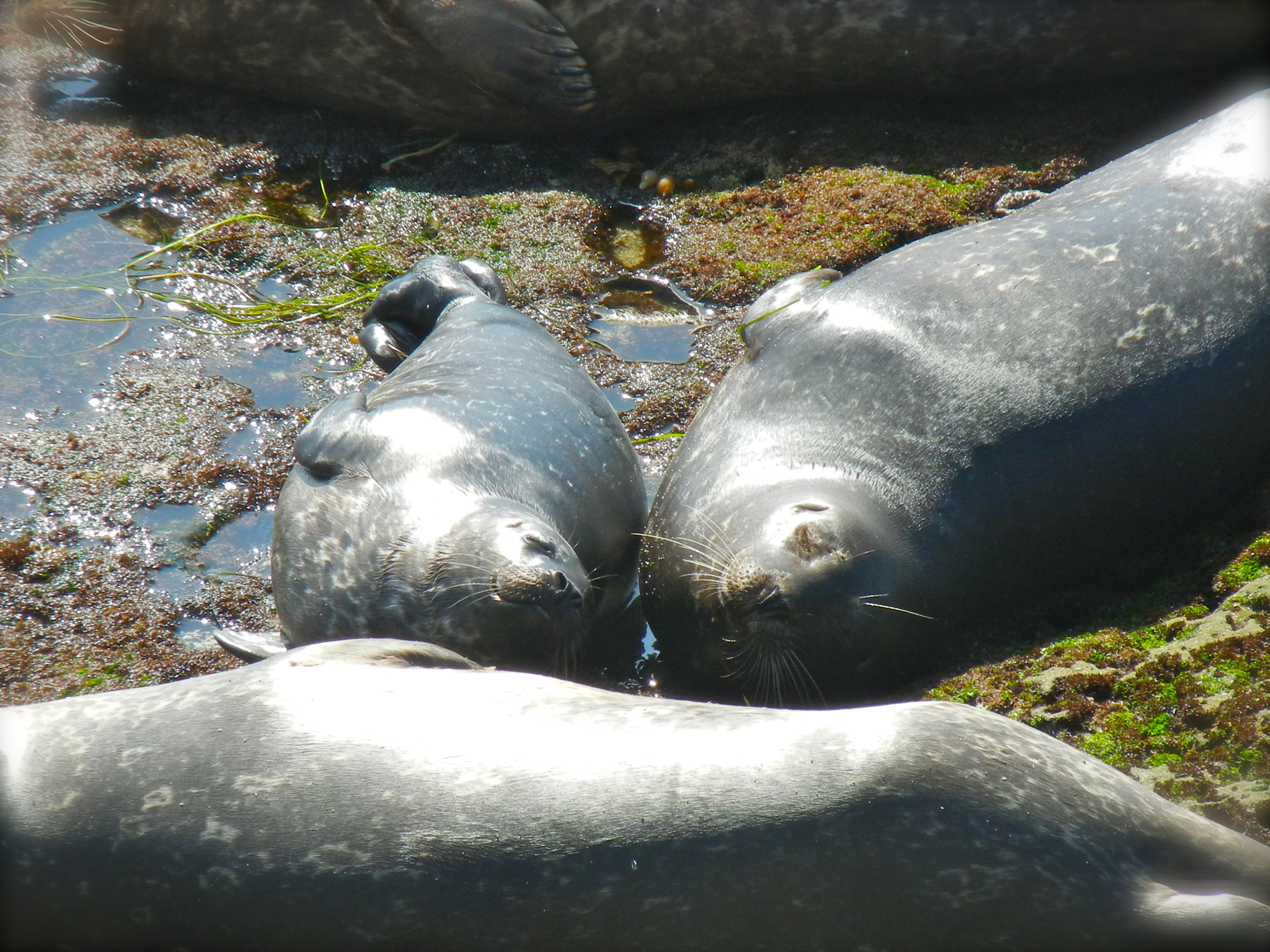
That’s all well and good, but the constant struggle takes energy and it’s necessary for me, for you, to take time to revive.  Whenever I forget to build rest into my schedule, the universe has a gentle way of reminding me. The cast of characters hanging around La Jolla Cove this weekend taught infinitely wise lessons with their presence.

Seal with ballJPG

Play whenever you can.baby sealTake care of your own.

full beach

It’s great to hang out with friends.

two sleeping

But having someone special is the best gift of all.

Now before you think there’s no threat here, consider. The La Jolla Cove seals are no stranger to peril. Tourists and restaurateurs complain about the stench of too many seals too close to town.  Conservationists and environmentalists clash with businesses to protect the seals. You can read a roundup of the controversy, or crisis as some call it, at the Seal Sitters link here.

Or you cannot. Sometimes it’s alright to take a break from crisis or controversy and simply enjoy the beauty right in front of you.

And that, good readers, is the last word on the March of contrasts.

Sealed with a kiss
~Catherine

p.s. When you are revived and ready to seriously consider how addressing the threat can create a fine poem, do revisit Dave Smith’s essay, “St. Cyril’s Dragon” The Threat of Poetry.”  In fact, you might even sign up for Poetry Daily. From the “About Poetry Daily” page:

Poetry Daily is an anthology of contemporary poetry. Each day, we bring you a new poem from new books, magazines, and journals.

Poems are chosen from the work of a wide variety of poets published or translated in the English language. Our most eminent poets are represented in the selections, but also poets who are less well known. The daily poem is selected for its literary quality and to provide you with a window on a very broad range of poetry offered annually by publishers large and small.

Life after death

Dear One,
Last time we met, 40 years ago, you were five, maybe seven? Would I recognize you today if we passed on a trail?

I hear yesterday from my father – still close with your father who passes along your news – your husband is dead.

I dream you last night. I see you far off, vulnerably alone, head hunched against a great grey howling landscape.

caterpillar

I didn’t know your husband, don’t know your children, can only impose any understanding of your grief based upon imagination and experience losing others who are not my husband.

So, why write now? I have no balm to erase pain.

I do have one small wonder to offer. Have you ever, as mother, as teacher, observed how very much we are already our one true self in childhood? As we age we grow longer legs, big teeth replace baby teeth, our noses broaden a little. We learn about history, mathematics, physics, and literature.  What I’m talking about though, is that flickering now, flaring then, essence of our true being that burns through the years of a life.

I vividly remember an essence of you: your all out glee when playing Hide and Seek, as if the thrill of returning to base, of throwing yourself absolutely into the game was the secret to staying alive; the way you measured both sides of an argument and implored us squabbling playmates to just get over it; your unruly hair and dirty knees when there were hills to charge or mud to tame; the way you begged us to play wedding and house. You loved those games more than the others and cared for dolls and the mop-stick man with fierce fervor. I love you forever you’d say to the wooden handle. You’d swoon and we’d giggle until breathless.

When we lose someone, I know it is the person we miss. We miss their laugh and their warm hand, their scent, and voice, and the way they break into a smooth slide and spin us around the kitchen on a Tuesday night for no reason. I love you forever.

But more than that, there is a singular way we see ourselves reflected in the eyes of a person who absolutely knows us and loves us in spite of all we are. We simply are with some people in a way we aren’t with the rest of the world.

Your husband isn’t here to look at you that way now. Unfathomable.

But I see you, that fiercely strong and passionate girl. There are many others who still see you with love and caring. We reflect your deep goodness back upon you. We are here, not in your kitchen yet here, a steady presence for you and your children, holding you up in our hearts while you tumble upon grit and boulders. We will wait with you through the grey.

DSCN2076

With gentleness,
~Catherine
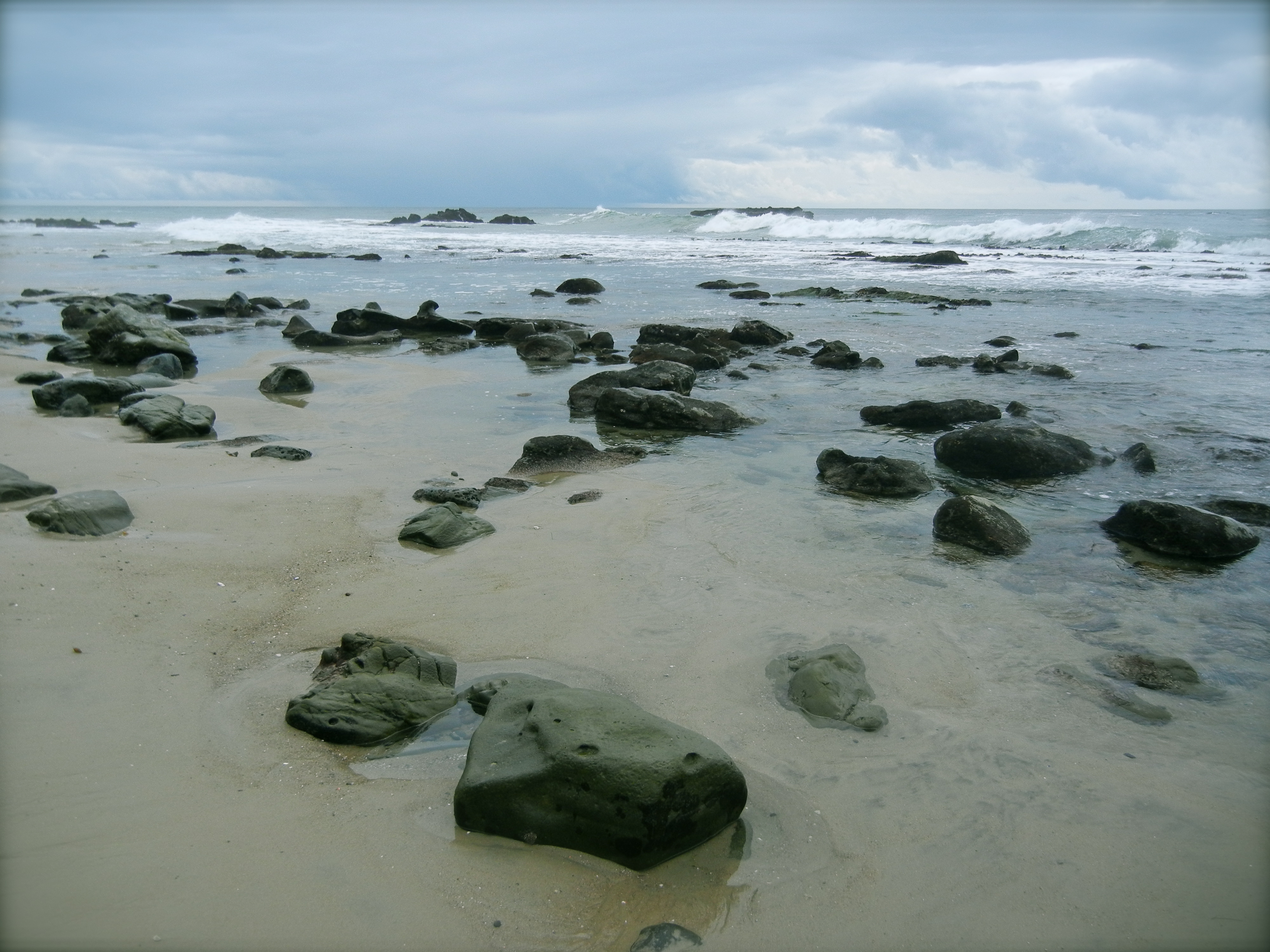
p.s. There is no one way that grief happens, though many doctors and psychologists refer to its five stages: denial, anger, bargaining, depression, acceptance.  Whenever I hear this, I imagine a five ring circus. The audience is an assemblage of family and friends peripherally affected by the grief waiting and watching for signs that the new widow, the newly one-child-less parent, the orphan, will make it through a little tap dance, a little hissy fit, a little barter or a wailing upon a stage set up in each ring before being allowed to exit stage left and reenter The Land Of Normalcy.

I don’t know what to do.

I hate being audience. I hate doing nothing. I write.

I offer Mary Oliver‘s book Thirst, a collection of the most achingly beautiful poems written by a poet in a state of grief.

Heavy

That time
I thought I could not
go any closer to grief
without dying

I went closer,
and I did not die.

Cacti and clouds

trail

I’ve run away from home again in the name of love. Book love.

Sometimes this writer needs to stop using her wife voice, mother voice, daughter voice, sister voice, auntie voice, professor voice, neighbor voice to recall the voice that sounds most like her inner soul. Her writing voice.

There was a red suitcase involved, a bag of books heavier than a week’s worth of groceries, my cappuccino maker, and a short to-do list.

  • Write the last poem of THE BOOK.
  • Finalize order of poems in THE BOOK. (Yes, this contradicts Item #1.)
  • Edit all poems in THE BOOK.

On Monday, the list felt an awful lot like this:

Western Prickly Pear

The weird thing is, I chose this week, right in the middle of the Association of Writers and Writing Programs annual conference, the single largest gathering of writers in North America.  More than ten thousand writers and editors traveled to Boston. I stayed in California.  I haven’t missed a conference in five years. And yet I desperately needed to be alone and write more than I needed to schmooze and buy books and be inspired by what other writers were doing.  I couldn’t afford both a writer’s retreat and to put myself up in Boston, so I chose me.  Alone.

As the week winds down, THE BOOK has been tamed back down to all lower case letters.  Needles have been plucked, rough edges smoothed.

The new perspective comes by paying attention to the Backyard Sisters theme for March: contrast.

low tide rocks

Home. Not home.
Clay. Sand.
Dust. Water.
Omnipresent trail. Tidal path.
Warm toes. Cold bed.

Narrative moves forward, I tell my students, when that which is bumps up against that which is not. The best poetry happens, says poet Amy Newlove Schroeder, when there’s “a yoking together of the concrete and the abstract,” like “blending the perfect martini.”  Last year I had the pleasure of hearing Amy give a poetry talk titled “Concrete Abstraction” at Chapman University.  She urged poets to consider how all language is representational and the most “successful” poetry is that which can translate an experience, an idea, an aloneness, “from the tangible to the real.”  It’s how we don’t die of loneliness, Schroeder suggests.

If you’d like your own university classroom experience, you can view her talk here.  And if you’re anywhere near Orange County, you can catch her at Literary Orange, Sat. April 6, 2013, at the Irvine Marriott, a hotel. Not home.

Leaving. Returning.
Watching the sky. Waiting for tomorrow.
Missing you. Knowing I will miss this.
clouds and oceanWith a skip in her step,
~Catherine
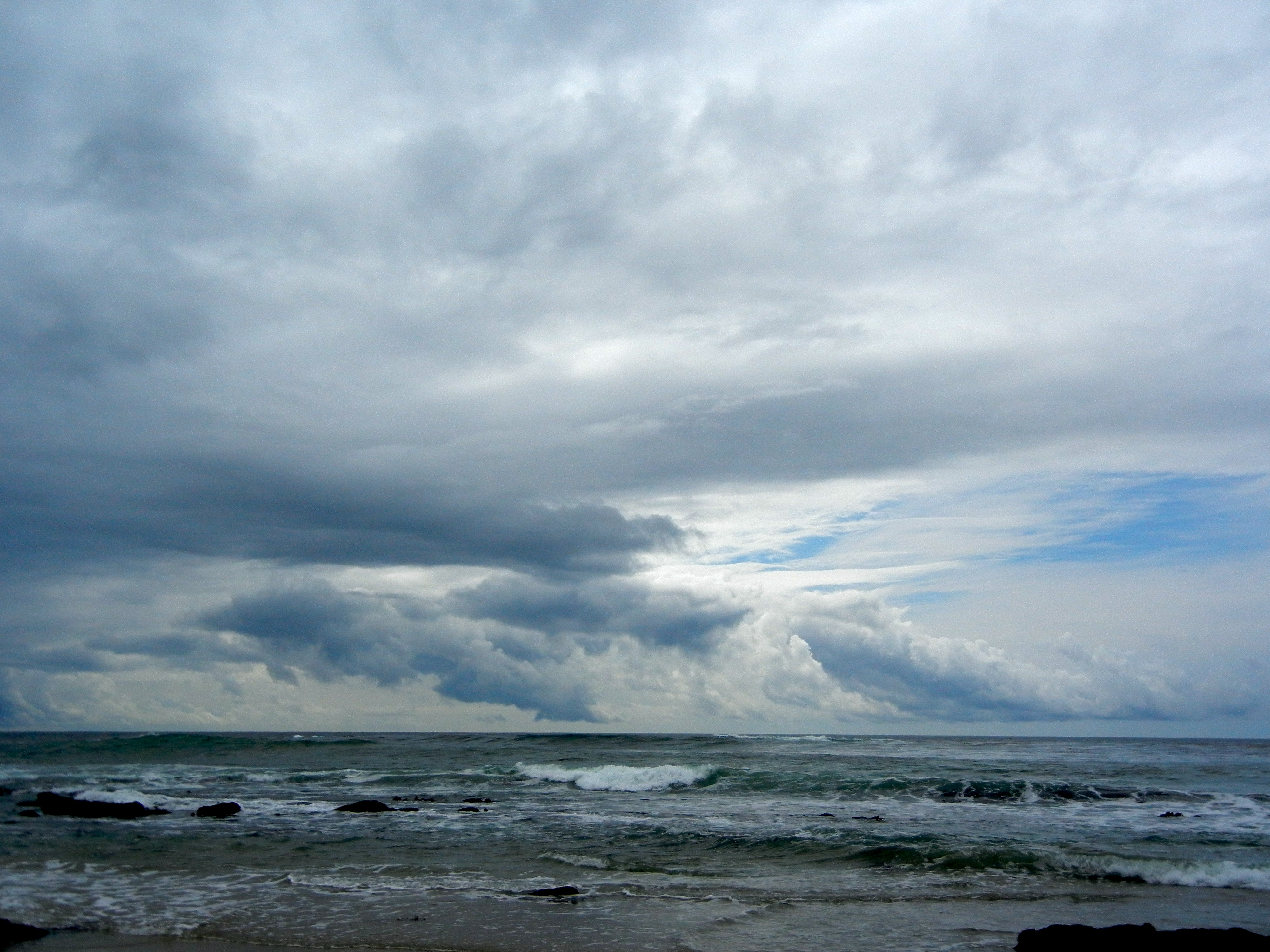
 

The next big thing

Poet Mary Biddinger has one of those voices that feels like a long lost friend. She’s the author of several poetry books, including Prairie Fever and editor of Barn Owl Review. According to her website, in her spare time she likes “to photograph garbage.” She also has great ideas like starting an author interview series called The Next Big Thing.  This is a chainlinking of writers who are asked to divulge details of “the next big thing” they’re working on.  Sandy Marchetti, poetry editor of Minerva Rising asked me to participate. If you want to learn more about Sandy’s Next Big Thing, you can read her post here.

So here’s the project that keeps Catherine Keefe up at night…
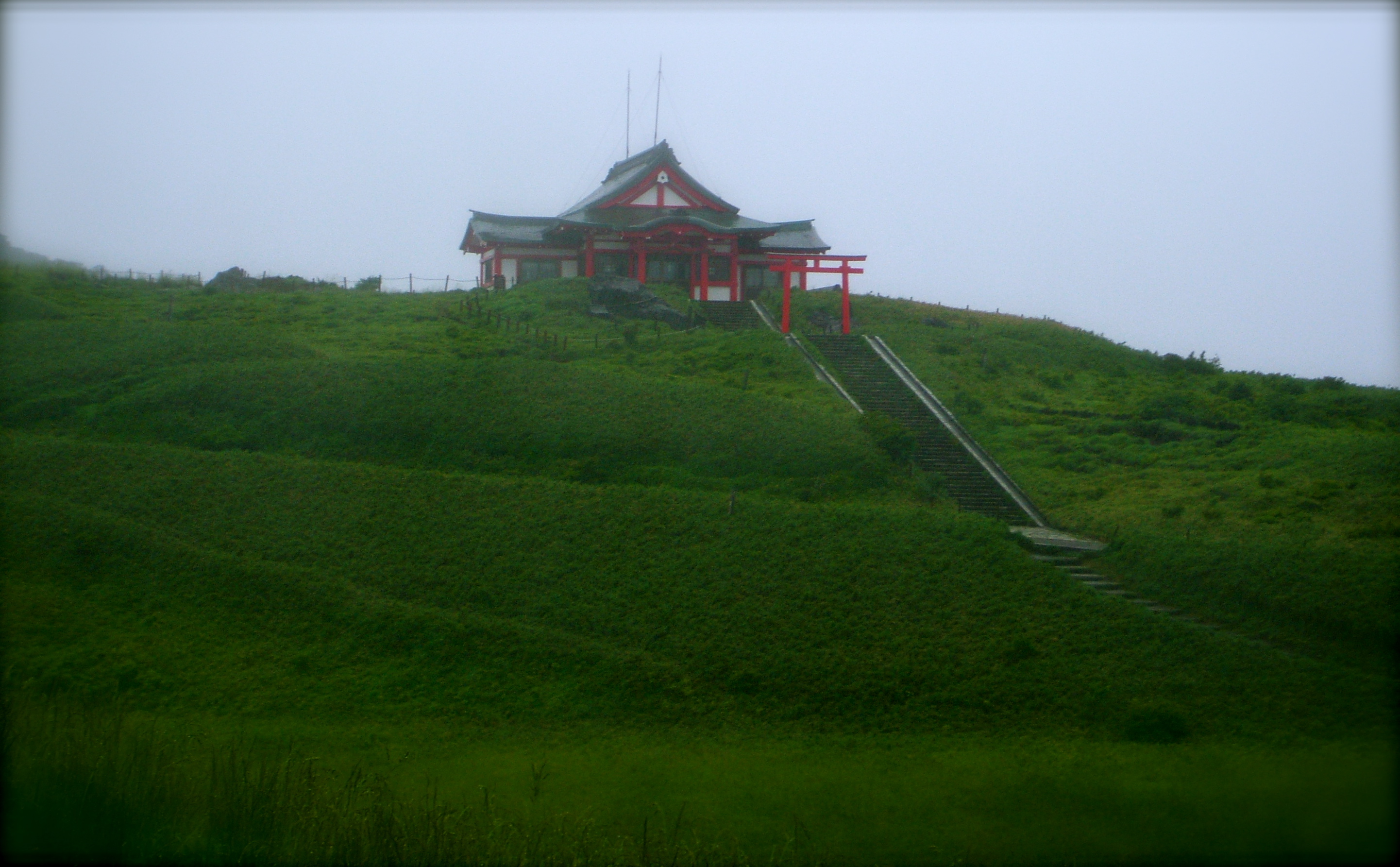
Japan 153

Helen of Troy was here

What’s the working title of your book?
refrain: lost notes from helen’s songbook

Where did the idea come from?
I’ve always imagined all of poetry as one long interconnected verse, printed in a colossal book floating in the ether, bound together loosely with something like strips of dried moose hide. In that lyric, Helen of Troy, is a recurring undersong. Why haven’t we let her go?

This colossal book image came from visiting my grandfather who kept a yellowed collection of sheet music open on his piano. Over the years, the book’s binding loosened. Inevitably when my grandfather played, a few pages fell and slid under the couch or blew out the open front door on a gust of wind.  As a girl I wondered who might find “Que Sera Sera” on their porch and what meaning they would derive from the discovery. Would it even be intact?

As a woman I wanted to poetically play with that lost note idea. Helen of Troy’s myth offers love, adultery and war, a far more interesting story than a girl and her grandfather singing “Give My Regards to Broadway.”

refrain’s poems are framed as if they blew out of the great lyric book by accident. They’re written in conversation with poets who have immortalized Helen, as formal poetry and also as fragment poetry collaged with art reviews, museum catalogs, grocery lists, quotes from other poets, philosophers, scientists, and titles taken from drawings by A-bomb survivors.

What genre does your book fall under?
refrain is poetry.

Which actors would you choose to play your characters in a movie rendition?
Someone unknown. Someone fierce.

What’s the one-sentence synopsis?
Helen of Troy abdicates role as poster girl for destruction in the name of beauty.

Will your book be self-published or represented by an agency?
The typical path for first book poetry publication is to win a publication prize established by small presses or literary magazines. I’ve given myself a budget to submit refrain to poetry contests.

How long did it take to write the first draft?
The first draft tumbled out in middle-of-the- night writing frenzies during the nine weeks I spent alone in a writer’s cottage in Port Townsend, WA.  I was interning at Copper Canyon Press, reading some of the world’s best poetry by day and composing by night. Distant foghorns, buoy bells, and Helen’s voice drifted in through the open window.

That was in 2008 (I was the oldest intern.) Since then I’ve picked at refrain but mostly abandoned it to other projects. Helen started invading my dreams recently, so I’m spending time in a writer’s cottage in Laguna Beach to finish and begin to send it out on a regular schedule.  Helen insisted I return to the sea to finish her story. Who am I to argue?

What other books would you compare to this within your genre?
refrain strives for the aesthetic restraint of One Robe, One Bowl: The Zen Poetry of Ryōkan, transl. by John Stevens.  It’s in the loose narrative model of something like C.D. Wright‘s One With Others or Narrow Road to the Interior by Kimiko Hahn.

Who or what inspired you to write this book?
Helen’s story, ancient as it is, represents two persistent beliefs I want to test and explore. The first is that war is justified if there’s a perception of being wronged, and that once war is declared, all means to win are allowed.

The word “refrain” is a single phonetic tick from “reframe,” an underlying motif of the book. refrain picks up the challenge Alice Notley issued in Homer’s Art

Another service would be to write a long poem, a story poem, with a female narrator/hero.  Perhaps this time she wouldn’t call herself something like Helen; perhaps instead there might be recovered some sense of what mind was like before Homer, before the world went haywire & women were denied the participation in the design & making of it.  Perhaps someone might discover that original mind inside herself now, in these times. Anyone might.

The other assumption is that love is a single thing between two people, not a universal light that shines upon us all. How do we reconcile the Zen philosophy that we are all interconnected if we are proprietary about the bodies we claim as ourselves and “the one” we love?

I write to inquire. Is there such a thing as enough?  This is one of the book’s fundamental questions; I play with all meanings of “refrain” including the imperative.  Lastly, refrain is the story of yearning to go home, to a place where heroics and tragedies can be laid to rest.  But what if the home door is bolted yet two people stand on either side of the door, hands on the lock wishing to dissolve the barrier, but not knowing how. How do you suspend blame? How do you ask for forgiveness?

What else about your book might pique the reader’s interest?
You mean beyond adultery, love and war? Well, there’s spaghetti sauce, cherry blossoms, and a Helen whose voice ranges from Yeats, to Whitman, to Euripides and CS Lewis depending on whose rendering she’s mirroring.

There’s a funny story about Helen’s voice from when I read excerpts from refrain at an Iowa Summer Writing Festival author’s reading.

I stood up and said I really wasn’t going to read something I’d written, rather I was going to read something I’d found.

Scouts Honor, I’d found bits of a journal and this journal was written by Helen of Troy. Does anyone remember who Helen was?

Hands up. Nods yes.

I then read 3 short poems from refrain.  And maybe I was dressed in a long Grecian dress and maybe I added a bit of theatre technique with hand gestures – nothing too over the top, you know, just me talking with my body.

And then the reading was over and two people approached. Both of them both of them! said they very much enjoyed my reading but wondered why I hadn’t read from my own work.  But, that was my work, I said. Helen of Troy didn’t have a journal, and if she did, (and was she even real?) it hasn’t been found. And if it was, it most certainly wouldn’t be written in English.

Both of them both of them! looked at me so oddly, I fled.

Then, I chuckled in my room all night and thought, well, I guess I’ve captured a voice which isn’t my own. Thank you Helen for letting me share your refrain.

~Catherine

Please check in next week when Denise Cecila Banker shares her “Next Big Thing.”

May I direct your attention over here?

In the last deep blue February day, I followed my heart’s compass to the true north of another backyard.

true north

Today I spent my creative time on dirtcakes, the literary magazine I founded to “offer space for international writers and artists to illuminate a shared global humanity.”

There’s dirt under my fingernails.  Like any backyard task, it was difficult but satisfying work. What was it? Here’s a hint: I invented a new form of literature!

Maybe you remember “Five Lines to Challenge Chaos” when I dared myself to try each poetic form, “so that by spring, I’ll have a larder of poems that adhere to formal patterns found in nature, the sunflower, for example, or the whorl of a seashell, the number of legs on a spider for instance, or the swoop of an orb found glistening in early morning.”

I failed at that, but succeeded in invention.

The Contributor Voices Chorus is  based on a very old form of poetry – the cento. The cento is a collage, or mashup of lines from other writers, arranged in a fresh way, sort of like taking one flower from every blooming bush in your garden and creating a bouquet that looks nothing like your backyard.

For one sample of a cento, you can read “Wolf Cento” by Simone Muench.

You’ll have to wander over to dirtcakes to see my invention, the all new Contributor Voices Chorus.

It’s also time to give props. One of our readers took the poetic form challenge. In honor of The Simple Life of the Country Man’s Wife’s diligence, I’m linking to her cinquain here. I wonder how her spring larder of poems is looking? How about yours?

Adieu January, when we focused.
Goodbye February, when we explored leading lines.
See you in March when, in honor of the month’s disparate weather days, we play with contrast.

~Catherine